

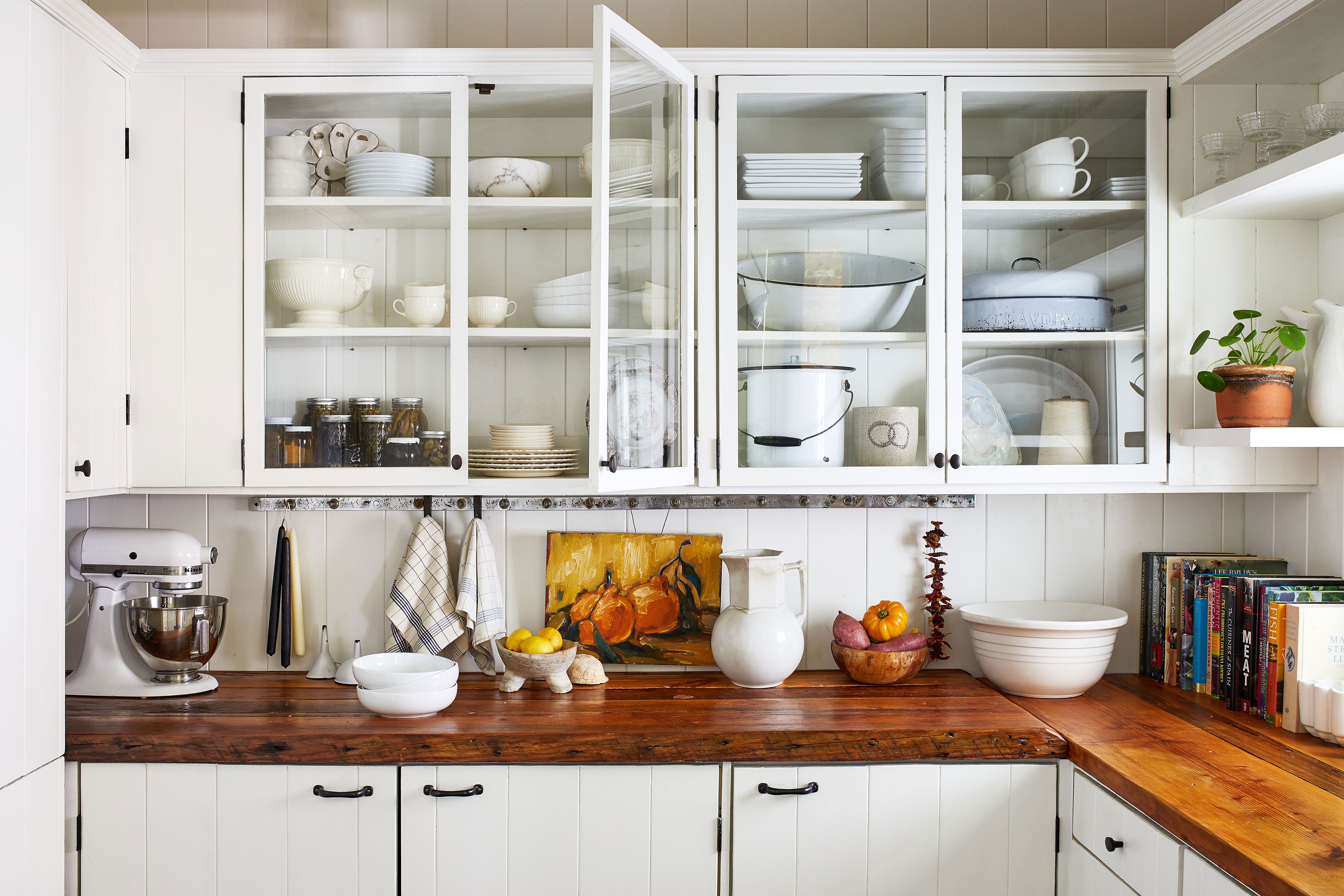
Every kitchen has a secret second life. That glass pasta sauce jar? Future salad dressing shaker. Those vegetable peels? Soup stock waiting for its big break. That lonely heel of bread? Crunchy croutons in disguise. Before you toss another “useless” kitchen item into the trash, pause for one dramatic kitchen-movie moment and ask: “Could this be useful?” Very often, the answer is yes.
Reducing kitchen waste is not just about being trendy, frugal, or the person at the dinner table who says, “Actually, you can compost that.” It is about saving money, stretching groceries, keeping useful materials out of landfills, and making your kitchen work harder without buying more stuff. The best part? Many kitchen items you shouldn’t throw away are already sitting in your cabinets, fridge, freezer, or that drawer where twist ties go to retire.
This guide breaks down 10 practical kitchen items worth keeping, how to reuse them safely, and when it is better to say goodbye. Because yes, reuse is smartbut nobody needs a science experiment wearing last Tuesday’s pasta sauce as a hat.
Why You Should Think Twice Before Tossing Kitchen Items
Kitchen waste adds up quickly. Food scraps, packaging, containers, bags, jars, leftovers, and single-use items can fill a trash can faster than a teenager can open the fridge and say, “There’s nothing to eat.” But many of these items can be reused, repurposed, frozen, composted, or recycled.
The key is knowing the difference between useful and unsafe. Clean glass jars? Keep them. Leftovers stored correctly and eaten within a safe window? Great. Mystery container from the back of the fridge with no date, no smell you can identify, and possibly its own weather system? No, thank you.
Smart kitchen reuse has three golden rules: keep it clean, label it clearly, and use common sense. If an item touches food, wash and dry it well before reusing. If food is perishable, refrigerate it promptly and follow safe storage guidelines. If something is greasy, moldy, cracked, rusty, or impossible to clean, it has served its country and may now retire.
10 Kitchen Items You Shouldn’t Throw Away
1. Glass Jars
Glass jars are the superheroes of kitchen reuse. They once held pasta sauce, pickles, salsa, jam, or olives. Now they can hold homemade salad dressing, dry beans, overnight oats, spice blends, leftover soup, or that tiny amount of chopped onion you swear you will use tomorrow.
Glass jars are especially useful because they are sturdy, transparent, and easy to clean. Unlike mystery plastic containers, they let you see what is inside without playing “Is this soup or paint?” You can also use them for pantry organization. Rice, lentils, oats, coffee beans, tea bags, and homemade granola look surprisingly fancy in reused jars. Your pantry may not become a magazine spread overnight, but it will stop looking like a snack avalanche.
To reuse glass jars safely, wash them with hot soapy water, remove old labels, and let them dry completely. Do not reuse jars for canning unless they are designed for proper home canning and paired with safe lids and tested methods. For everyday storage, though, they are excellent.
2. Vegetable Scraps
Carrot peels, celery ends, onion skins, mushroom stems, parsley stalks, and leek tops are not kitchen trash. They are the beginning of homemade vegetable stock. Keep a freezer bag labeled “stock scraps” and add clean vegetable trimmings as you cook. When the bag is full, simmer the contents with water, herbs, and a little salt for a flavorful broth.
Homemade stock is useful for soups, stews, risotto, sauces, rice, and braised vegetables. It also gives you the smug but harmless joy of saying, “I made this from scraps.” That is allowed. You earned it.
Avoid using spoiled, moldy, or slimy scraps. Also go easy on strong vegetables like cabbage, broccoli, and Brussels sprouts, which can make stock taste like a school cafeteria had a dramatic incident. Onion skins add color, carrot peels add sweetness, celery ends add aroma, and herb stems add depth.
3. Herb Stems
Fresh herbs often come with more stems than you expect. Instead of throwing them away, use tender stems from parsley, cilantro, dill, and basil in sauces, marinades, soups, and dressings. Cilantro stems are especially flavorful, and parsley stems can brighten a soup or stock.
Herb stems can also be chopped finely and stirred into meatballs, grain bowls, omelets, compound butter, vinaigrettes, or green sauces. If you make pesto, chimichurri, salsa verde, or yogurt sauce, tender herb stems can blend right in. The food processor does not judge.
Woody stems from rosemary, thyme, and oregano are different. They are usually too tough to eat, but they are great for infusing flavor. Add them to roasting pans, soups, beans, or broths, then remove before serving. Think of them as flavor interns: useful, temporary, and not meant to stay forever.
4. Citrus Peels
Lemon, lime, and orange peels are far too useful to toss immediately. The zest contains fragrant oils that can brighten baked goods, marinades, sauces, salad dressings, tea, and roasted vegetables. Before juicing citrus, wash it well and zest the outer colored peel. Store zest in a small freezer-safe container for later.
Citrus peels can also help freshen garbage disposals when used carefully in small pieces with plenty of running water. They can be simmered with cinnamon sticks and cloves for a simple stovetop scent. They can even flavor sugar or salt for baking and cooking.
Avoid using thick layers of the bitter white pith in recipes unless the recipe specifically calls for it. Also avoid tossing large amounts of citrus peel into a weak garbage disposal or plumbing system. The goal is “fresh kitchen,” not “unexpected plumbing bill.”
5. Coffee Grounds
Used coffee grounds have several practical second lives. They can be composted, used in small amounts in garden soil where appropriate, or placed in an open bowl in the refrigerator for short-term odor control. They can also help scrub stubborn residue from durable pans, though you should avoid using them on surfaces that scratch easily.
Coffee grounds are also useful for deodorizing hands after chopping garlic or onions. Rub a small amount between your hands, rinse well, and enjoy smelling less like you fought a garlic dragon.
Do not pour large amounts of coffee grounds down the sink. They can clump and contribute to drain problems over time. Also, if you use grounds in the garden, treat them as one ingredientnot a magic fertilizer confetti cannon. Too much of anything can become a problem, even coffee. Shocking, but true.
6. Stale Bread
Stale bread is not useless. It is just bread with a new career path. Turn it into croutons, breadcrumbs, bread pudding, French toast, stuffing, panzanella, or thickener for soups and sauces. Dry bread absorbs flavor beautifully, which is why some recipes actually prefer it.
For croutons, cut stale bread into cubes, toss with olive oil, salt, pepper, garlic powder, and herbs, then bake until crisp. For breadcrumbs, pulse dry bread in a food processor and freeze the crumbs in a labeled bag. They are perfect for meatballs, casseroles, breaded chicken, baked fish, and crunchy pasta toppings.
The safety line is simple: stale is fine; moldy is not. If bread has mold, throw it away. Mold can spread beyond what you can see, and no sandwich is worth turning lunch into a biology lesson.
7. Pickle Juice and Brine
That leftover pickle juice in the jar may look like something you forgot during a science fair, but it is actually a flavorful brine. Use it in salad dressings, marinades, deviled eggs, potato salad, coleslaw, tuna salad, chicken salad, or quick-pickled onions and cucumbers.
Pickle brine adds acidity, salt, and seasoning all at once. A spoonful can wake up creamy dishes that taste flat. It can also be added to sauces or used to marinate chicken before cooking. Just remember that brine is salty, so reduce added salt elsewhere.
For safety and quality, keep pickle brine refrigerated after opening and use clean utensils. Do not keep adding random vegetables forever like you are operating an immortal pickle aquarium. Quick reuse is fine; endless reuse is not wise.
8. Pasta Water
Pasta water looks boring, but it is liquid gold for sauces. The starch released from pasta helps sauces cling better and become silky. Before draining pasta, scoop out a cup of the cooking water. Add a splash to tomato sauce, butter sauce, cheese sauce, or garlic-and-olive-oil pasta to help everything come together.
Pasta water can also loosen thick sauces without making them taste watery. It is especially useful for simple dishes where sauce texture matters, such as cacio e pepe, carbonara-style pasta, or pesto pasta. It is the difference between “restaurant glossy” and “college dorm glue.”
Because pasta water is salty and starchy, it is best used right away. If you want to save it, cool it quickly and refrigerate it in a clean container for a short time, but most home cooks will get the best results using it during the meal they are already making.
9. Eggshells and Egg Cartons
Eggshells and egg cartons can both be useful, but in different ways. Clean, dry eggshells can be added to compost. Some gardeners also crush them and add them to soil, although they break down slowly. They are not instant plant food, but they can be part of a larger composting habit.
Egg cartons are excellent for organizing tiny items. Use clean paper cartons to sort screws, rubber bands, small craft supplies, seed starts, or delicate ornaments. In the kitchen, they can hold mini condiment cups during a picnic setup or help organize small packets in a drawer.
Do not reuse dirty egg cartons for ready-to-eat food. Eggs can carry bacteria on shells, so keep food safety in mind. If the carton is damp, stained, or messy, recycle or compost it if your local program accepts it. If it is clean and dry, it can enjoy a second act as a tiny organizer with surprisingly strong administrative skills.
10. Takeout Containers, Twist Ties, and Rubber Bands
Takeout containers, twist ties, and rubber bands are easy to overlook, but they are incredibly handy. Clean takeout containers can store non-food items, organize drawers, hold leftovers for short-term use, or pack snacks. Twist ties can close bread bags, bundle cords, secure herb stems, or label freezer bags. Rubber bands can grip jar lids, keep measuring spoons together, or stop a cutting board from slipping by placing one near each end.
The important word is clean. Reuse containers only if they are washable, undamaged, and suitable for the purpose. Some takeout containers are not designed for repeated heating or long-term food storage. Avoid microwaving containers unless they are clearly labeled microwave-safe. If a container is warped, cracked, greasy, or stained beyond hope, it is not being “eco-friendly”; it is auditioning for the trash.
Small kitchen items like twist ties and rubber bands can save money because they replace things you might otherwise buy. Create a small “reuse box” or drawer section so they do not scatter everywhere like household confetti.
How to Reuse Kitchen Items Without Creating Clutter
There is a fine line between sustainable reuse and accidentally opening a museum of empty jars. The goal is not to keep everything. The goal is to keep what you will actually use. A kitchen packed with “someday” items can become stressful, dusty, and oddly judgmental.
Use the One-Shelf Rule
Choose one shelf, bin, or drawer for reusable kitchen items. When it is full, stop collecting. This rule keeps your good intentions from taking over your cabinets like a very polite invasion.
Label Food Clearly
When saving leftovers, stock scraps, bread cubes, or citrus zest, label containers with the name and date. This prevents freezer archaeology. Nobody wants to discover a frosty bag from 2022 and wonder whether it is soup, sauce, or emotional baggage.
Clean Before You Store
Jars, containers, lids, and tools should be washed and dried before storage. Moisture encourages odors and mold. A clean reusable item is helpful; a sticky one is just trash with confidence.
Know When to Let Go
Reusable does not mean eternal. Throw away or recycle items that are cracked, rusty, moldy, greasy, unsafe, or impossible to clean. Food safety matters more than saving one questionable container.
Extra Experience Section: Real-Life Lessons From Reusing Kitchen Items
Once you start saving useful kitchen items, you begin seeing your kitchen differently. A jar is no longer just a jar. It is a smoothie cup, a pantry container, a sauce shaker, a flower vase, and occasionally the home of three lonely chocolate chips you are hiding from yourself. Reuse becomes less of a chore and more of a tiny household strategy.
One of the easiest habits to build is the freezer scrap bag. At first, it may feel silly to save onion ends and carrot peels. Then you make your first batch of homemade stock and realize you have created something rich and useful from ingredients you used to throw away. The flavor is deeper than boxed broth, and the cost is basically “congratulations, you paid attention.” It also makes weeknight soup feel less like a backup plan and more like a smart decision.
Glass jars are another habit that pays off quickly. A few clean jars can replace disposable containers for salad dressings, sauces, chopped herbs, and dry pantry goods. They also help reduce food waste because clear storage makes leftovers visible. When food is hidden in an opaque container, it becomes invisible. When it is in a jar, it waves at you every time you open the fridge.
Stale bread has probably saved more dinners than it gets credit for. Homemade breadcrumbs can rescue a casserole, thicken meatballs, add crunch to pasta, or create a golden topping for baked vegetables. Croutons made from old bread are better than most store-bought ones because you control the seasoning. Add garlic, herbs, parmesan, smoked paprika, or lemon zest. Suddenly, a forgotten loaf becomes the best part of the salad.
The trick is to make reuse easy. If saving scraps requires five steps, special equipment, and the emotional energy of filing taxes, you will not keep doing it. Keep a jar for rubber bands. Keep one freezer bag for vegetable scraps. Keep one container for bread ends. Keep one small basket for clean jars. Simple systems survive busy weeks.
There is also a mindset shift. Reusing kitchen items is not about perfection. You do not have to become a zero-waste wizard who grows herbs from moonlight and folds napkins out of recycled clouds. Small actions count. Reusing three jars, making one batch of stock, freezing one bag of breadcrumbs, or composting coffee grounds is still progress.
Of course, the kitchen still needs boundaries. Saving every container can become clutter. Keeping every scrap can become chaos. The best approach is practical reuse: save what has a clear purpose, store it neatly, and let the rest go responsibly. A smart kitchen is not a kitchen that never throws anything away. It is a kitchen that knows what deserves a second chance.
Conclusion
The next time you reach for the trash can, pause for a second. Many common kitchen items you shouldn’t throw away can help you cook better, spend less, organize smarter, and reduce waste. Glass jars can become storage containers. Vegetable scraps can become stock. Stale bread can become croutons. Citrus peels can brighten recipes. Coffee grounds can help with composting and odor control. Even twist ties and rubber bands can earn their keep.
The secret is not hoarding. The secret is choosing wisely. Keep items that are clean, safe, and genuinely useful. Label food, store it correctly, and follow basic food safety rules. When something is no longer safe or practical, let it go without guilt. Your kitchen should feel efficient, not like it is preparing for a reality show called “Jars: The Reckoning.”
Small reuse habits can make a big difference over time. They reduce waste, stretch your grocery budget, and help you appreciate the hidden value in everyday things. In other words, your kitchen may already be full of useful toolsyou just have to stop throwing them away.