

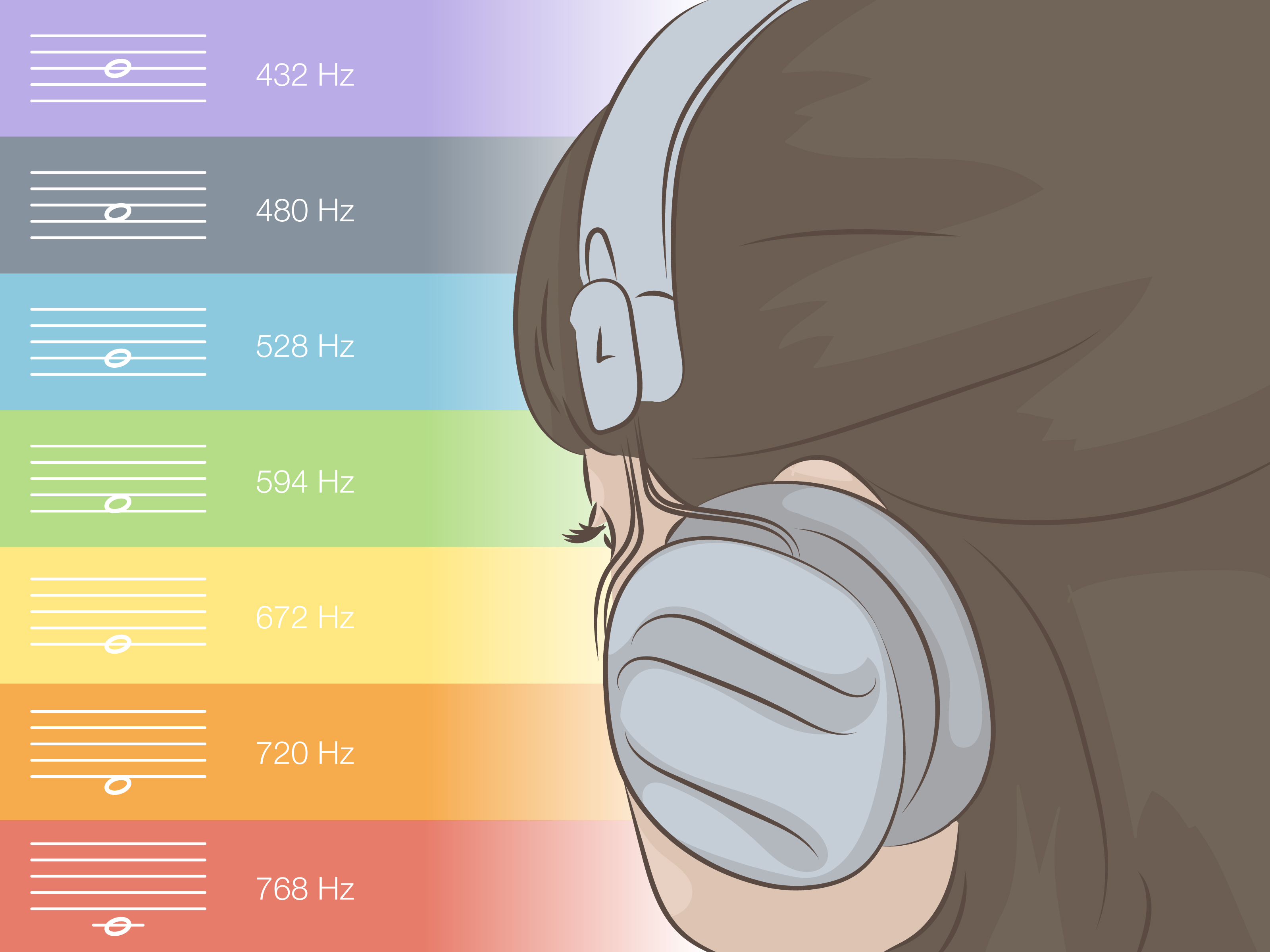
If your energy feels as organized as a junk drawer after tax season, it might be time for a chakra cleanse. In yogic and spiritual traditions, chakras are described as energy centers aligned through the body, from the base of the spine to the crown of the head. Each one is associated with a different area of life: safety, creativity, confidence, love, communication, intuition, and spiritual connection.
Now, let’s be clear before anyone tries to invoice their aura: chakra cleansing is not a substitute for medical care, therapy, or common sense. It is best understood as a mindful self-care practice that can support relaxation, reflection, emotional awareness, and intentional living. Think of it as energetic housekeeping. You are not scrubbing invisible windows with a cosmic sponge; you are creating space to breathe, move, feel, and reset.
Below are 10 practical, beginner-friendly ways to cleanse chakras naturally. You can try one method at a time or combine several into a weekly ritual. No dramatic mountain retreat required, although a quiet room and a cup of tea certainly help.
What Does It Mean to Cleanse Chakras?
To cleanse chakras means to release stagnant emotional, mental, or spiritual energy and bring your attention back to balance. In traditional chakra work, the seven main chakras are often viewed as “wheels” of energy. When they feel blocked, you may notice patterns such as fear, creative frustration, low confidence, resentment, difficulty speaking honestly, mental fog, or a sense of disconnection.
Because chakras are part of a spiritual and symbolic system, cleansing them is less about proving something under a microscope and more about using the body and mind as a map. Meditation, yoga, breathwork, journaling, visualization, sound, and mindful movement can all help you notice what feels tight, heavy, avoided, or out of sync.
The 7 Main Chakras at a Glance
Before jumping into chakra cleansing techniques, it helps to know the basic layout:
- Root Chakra: Located at the base of the spine; linked with safety, grounding, and stability.
- Sacral Chakra: Located below the navel; connected with creativity, pleasure, emotions, and flow.
- Solar Plexus Chakra: Located around the upper abdomen; associated with confidence, willpower, and personal strength.
- Heart Chakra: Located at the center of the chest; linked with love, compassion, forgiveness, and connection.
- Throat Chakra: Located at the throat; connected with communication, truth, and self-expression.
- Third Eye Chakra: Located between the eyebrows; associated with intuition, insight, focus, and imagination.
- Crown Chakra: Located at the top of the head; linked with wisdom, spiritual awareness, and a sense of meaning.
10 Ways to Cleanse Chakras Naturally
1. Start With Grounding Breathwork
One of the simplest ways to cleanse chakras is to breathe with intention. Breathwork helps calm the nervous system and gives your mind something steady to focus on. For chakra cleansing, begin with the root chakra because it is your foundation. If your root energy feels shaky, the rest of your inner “building” may feel like it was assembled by raccoons with a deadline.
Sit comfortably with both feet on the floor. Inhale slowly through your nose for four counts, pause gently, then exhale for six counts. Imagine the exhale traveling down your spine, through your legs, and into the earth. Repeat for three to five minutes.
This practice is especially useful when you feel anxious, scattered, or disconnected from your body. You can also add the affirmation: “I am safe. I am steady. I am here.”
2. Practice Chakra Meditation
Chakra meditation is a focused practice where you bring awareness to each energy center, usually moving from the root chakra upward to the crown. It can be done silently, with music, or with a guided meditation.
Close your eyes and picture a warm red glow at the base of your spine. Breathe into that area for several moments. Then move to the sacral chakra and imagine orange light below your navel. Continue upward: yellow at the solar plexus, green at the heart, blue at the throat, indigo at the third eye, and violet or white at the crown.
You do not have to “see” anything perfectly. Visualization is not an Olympic sport. The point is to slow down, listen inward, and gently notice what arises. If an emotion appears, acknowledge it without wrestling it to the ground.
3. Use Yoga Poses for Energy Alignment
Yoga is one of the most popular tools for chakra balancing because it combines movement, breath, posture, and awareness. Different poses are commonly associated with different chakras.
- Root Chakra: Mountain Pose or Tree Pose for stability.
- Sacral Chakra: Garland Pose or gentle hip circles for emotional flow.
- Solar Plexus Chakra: Boat Pose for inner strength.
- Heart Chakra: Cobra Pose or Camel Pose for openness.
- Throat Chakra: Fish Pose or gentle neck stretches for expression.
- Third Eye Chakra: Child’s Pose for inward focus.
- Crown Chakra: Seated meditation or Savasana for stillness.
Move slowly and respectfully. The goal is not to twist yourself into a human pretzel. The goal is to notice where your body holds tension and invite more space into those areas.
4. Cleanse Chakras With Sound and Mantras
Sound has long been used in spiritual practices to focus the mind and shift emotional energy. In chakra work, seed sounds or mantras are often used for each chakra. You can chant them aloud, hum them softly, or repeat them silently.
- Root: Lam
- Sacral: Vam
- Solar Plexus: Ram
- Heart: Yam
- Throat: Ham
- Third Eye: Om
- Crown: Silence or Om
For a simple throat chakra cleanse, sit upright, inhale deeply, and hum on the exhale. Feel the vibration around your throat, jaw, and chest. This can be surprisingly soothing, especially if you have spent the day swallowing your opinions like they were overcooked vegetables.
5. Try Affirmations for Each Chakra
Affirmations are short, intentional statements that help redirect your thoughts. They are not magic spells, and they will not make your laundry fold itself. But they can help you interrupt unhelpful mental loops and choose a more supportive inner voice.
Use one affirmation per chakra:
- Root: “I am grounded and supported.”
- Sacral: “I allow creativity and joy to flow.”
- Solar Plexus: “I trust my strength and choices.”
- Heart: “I give and receive love with balance.”
- Throat: “I speak honestly and kindly.”
- Third Eye: “I listen to my inner wisdom.”
- Crown: “I am connected to meaning and peace.”
Repeat your chosen affirmation during meditation, while walking, or before sleep. The best affirmation is the one you can actually believe enough to practice consistently.
6. Journal to Release Emotional Blocks
Journaling is a practical way to cleanse chakras because it turns vague inner tension into visible words. Once something is on paper, it usually becomes less mysterious and less bossy.
Try these chakra journaling prompts:
- Root: Where do I need more stability in my life?
- Sacral: What creative desire have I been ignoring?
- Solar Plexus: Where am I giving away my power?
- Heart: What am I ready to forgive or soften?
- Throat: What truth needs to be spoken?
- Third Eye: What pattern am I finally ready to see clearly?
- Crown: What gives my life meaning beyond productivity?
You do not need perfect grammar, pretty handwriting, or a leather-bound journal that smells like an ancient library. A notes app works. A napkin works. The important part is honesty.
7. Use Color Visualization
Each chakra is traditionally associated with a color. Color visualization can make meditation more vivid and easier to follow, especially for beginners.
Picture each chakra as a glowing light. If you are focusing on the heart chakra, imagine a soft green light expanding through your chest with each inhale. If you are working with the solar plexus chakra, visualize golden yellow light warming the upper abdomen and strengthening your sense of confidence.
You can also bring chakra colors into your environment. Wear blue when practicing honest communication. Add green plants to your space for heart-centered calm. Use warm orange accents when you want to invite more creativity. No, buying seven throw pillows is not requiredbut if your living room suddenly becomes a rainbow sanctuary, we respect the commitment.
8. Cleanse Your Space Before Cleansing Your Energy
Your surroundings affect your mood. A cluttered room can make meditation feel like trying to find enlightenment inside a storage unit. Before a chakra cleansing session, tidy the area where you will practice. Open a window if possible, dim harsh lighting, and remove distractions.
You can create a small ritual space with a candle, a bowl of water, a plant, a meaningful object, or a clean yoga mat. The point is not decoration; it is intention. A clear space tells your mind, “We are doing something different now.”
If you use incense, essential oils, or smoke cleansing, do so safely. Keep ventilation in mind, avoid smoke around pets or people with respiratory sensitivity, and never leave flames unattended. Spiritual ambiance is lovely; setting off the smoke alarm is less mystical.
9. Move Your Body With Intention
Not every chakra cleanse has to happen in stillness. Sometimes the body needs movement before the mind can settle. Walking, dancing, stretching, shaking out tension, or practicing gentle somatic movement can help release stuck energy.
For the sacral chakra, try slow hip circles or free-form dancing to one song. For the solar plexus chakra, practice a brisk walk while repeating, “I can take one clear step.” For the heart chakra, roll your shoulders back and breathe into your chest. For the root chakra, walk barefoot on grass or stand with your feet planted firmly on the floor.
Intentional movement is especially helpful for people who feel restless during meditation. You are not “bad at meditating.” You may simply need to let your nervous system wiggle before it whispers.
10. End With Gratitude and Integration
A chakra cleansing practice should not end with you floating away into spiritual outer space while forgetting your grocery list. Integration brings the practice back into daily life.
After meditation, yoga, journaling, or breathwork, place one hand on your heart and one hand on your belly. Ask yourself: “What is one small action I can take today to support balance?” The answer might be drinking water, apologizing, resting, setting a boundary, cleaning your desk, making art, or finally replying to that message you have mentally answered 47 times.
Finish with gratitude. Name three things you appreciate: one about your body, one about your life, and one about your growth. Gratitude helps shift the mind away from lack and toward presence.
How Often Should You Cleanse Chakras?
You can cleanse chakras daily, weekly, monthly, or whenever you feel emotionally congested. A short five-minute practice can be powerful when done consistently. If you are new, start with one chakra per day instead of trying to overhaul your entire energetic system before breakfast.
A simple weekly schedule might look like this:
- Monday: Root chakra grounding
- Tuesday: Sacral chakra creativity
- Wednesday: Solar plexus confidence
- Thursday: Heart chakra compassion
- Friday: Throat chakra communication
- Saturday: Third eye reflection
- Sunday: Crown chakra stillness
Consistency matters more than complexity. A calm breath practiced every day will usually serve you better than a three-hour ritual you do once and then abandon like a forgotten gym membership.
Common Signs Your Chakras May Need Attention
From a wellness perspective, chakra imbalance often shows up as emotional patterns rather than literal “blocked wheels.” You might feel ungrounded, creatively stuck, self-critical, guarded, unheard, mentally cloudy, or spiritually disconnected. These experiences are human, not failures.
Use chakra cleansing as a reflective tool. For example, if you keep avoiding a difficult conversation, throat chakra practices may help you prepare to speak with clarity. If you feel burned out from caring for everyone else, heart chakra work may remind you that compassion includes boundaries. If you feel powerless, solar plexus practices may help you reconnect with choice.
Safety Tips for Chakra Cleansing
Chakra cleansing should feel supportive, not overwhelming. If meditation brings up intense emotions, open your eyes, look around the room, and return to slow breathing. If a yoga pose hurts, stop. If breathwork makes you dizzy, return to normal breathing. Your body is not being “negative”; it is giving you useful feedback.
People with trauma histories, panic symptoms, respiratory conditions, or serious mental health concerns may benefit from working with qualified professionals. Mindfulness and spiritual practices can be meaningful, but they should not replace medical care, therapy, or prescribed treatment.
Real-Life Experiences With Chakra Cleansing
Many people first discover chakra cleansing during a stressful season. One common experience goes like this: life becomes noisy, sleep gets weird, patience becomes thinner than a gas station napkin, and suddenly the idea of sitting quietly with a candle sounds less “woo-woo” and more “necessary for public safety.”
A beginner might start with the root chakra after feeling anxious about money, work, or change. Instead of trying to solve every problem in one sitting, they practice grounding breath for five minutes each morning. They place both feet on the floor, breathe slowly, and repeat, “I can handle today.” After a week, the external situation may not be magically fixed, but their response often feels steadier. That is the practical beauty of chakra work: it does not have to change reality to change your relationship with reality.
Another person may focus on the throat chakra because they keep saying “I’m fine” when they are absolutely not fine. Through journaling and humming practice, they begin noticing what they actually want to say. Maybe they write a script before a hard conversation. Maybe they practice speaking one honest sentence without apologizing for existing. Over time, throat chakra cleansing becomes less about mystical blue light and more about living with integrity.
Creative people often connect strongly with the sacral chakra. When creativity feels blocked, the instinct may be to force productivity. Sit down. Make the thing. Be brilliant immediately. Very relaxing, obviously. A sacral chakra approach is gentler. It might involve dancing badly in the kitchen, taking a warm bath, painting without a plan, cooking something colorful, or writing three messy pages with no audience in mind. The goal is to restore flow before demanding output.
Heart chakra cleansing can be the most tender. People often turn to it after grief, conflict, disappointment, or emotional exhaustion. A heart-centered practice may include placing a hand on the chest, breathing into the ribs, and repeating, “I can be kind without abandoning myself.” This matters because many people confuse an open heart with unlimited availability. In real life, a balanced heart chakra may look like compassion with boundaries, love without self-erasure, and forgiveness that does not require pretending nothing happened.
The solar plexus chakra is another powerful area for everyday transformation. Someone who doubts themselves may practice Boat Pose, core breathing, or confidence affirmations. But the real cleansing happens when they take one aligned action: making the phone call, applying for the opportunity, asking the question, or saying no without writing a 900-word legal defense. Small acts of courage are solar plexus medicine.
Third eye and crown chakra experiences tend to be quieter. A person may reduce screen time before bed, meditate for ten minutes, or sit outside without headphones. At first, the mind may act like an over-caffeinated squirrel. Eventually, small insights appear: “I am tired,” “I miss art,” “I need support,” “I already know the answer.” These moments are not fireworks. They are more like lamps turning on in rooms you forgot were there.
The most useful chakra cleansing experiences are usually simple, repeatable, and grounded. You do not need expensive tools, dramatic rituals, or a personality transplant. You need attention, honesty, breath, movement, and enough humor to keep going when your meditation session becomes a grocery list with incense.
Conclusion
Learning how to cleanse chakras is really learning how to listen to yourself. The seven chakras offer a symbolic map for exploring stability, creativity, confidence, love, truth, intuition, and connection. Whether you use breathwork, meditation, yoga, sound, affirmations, journaling, color visualization, space clearing, movement, or gratitude, the goal is not perfection. The goal is presence.
Start small. Choose one chakra, one practice, and one honest intention. Over time, these simple rituals can become anchors in a busy life. And when your energy starts feeling like a browser with 87 tabs open, you will know how to pause, breathe, and gently close a few.