

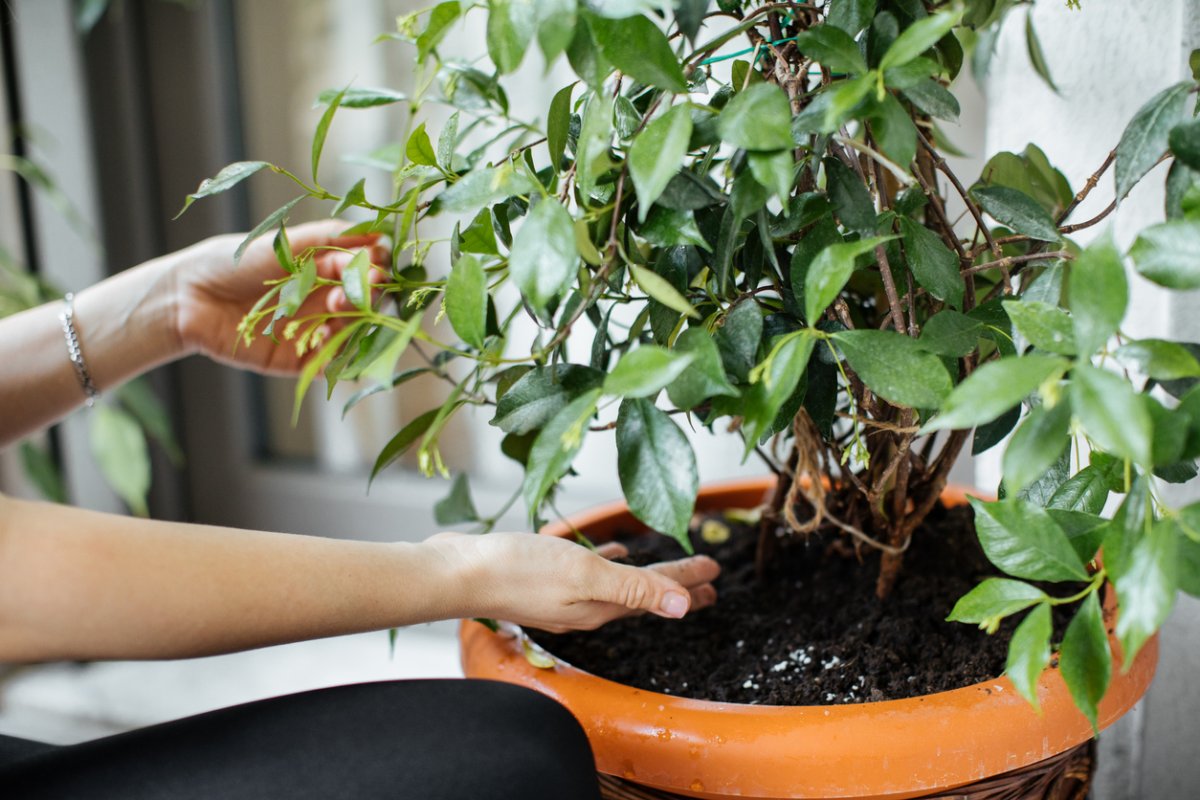
A beautiful home should please more than the eyes. It should greet you at the door with something better than last night’s takeout, damp laundry, or the mysterious smell that appears whenever guests are five minutes away. That is where fragrant indoor plants earn their tiny green paychecks. They add color, texture, life, and, best of all, natural scent without turning your living room into a fake pine-scented taxi cab.
Fragrant houseplants are not magic plug-in air fresheners. They are living plants, which means they have preferences, moods, and the occasional dramatic leaf drop. But choose the right ones and give them enough light, drainage, humidity, and patience, and they can make your home smell fresh, floral, herbal, citrusy, or even spa-like. Some offer perfume from flowers, others from leaves, and a few deliver both fragrance and kitchen usefulness. That is what professionals call multitasking; plant parents call it “finally getting something useful from the windowsill.”
Below are 14 fragrant indoor plants that can make your home smell amazing, plus realistic care tips, placement ideas, and pet-safety reminders. Before buying, always check whether a plant is safe for your household, especially if you live with cats, dogs, curious children, or a roommate who thinks “edible garnish” applies to everything green.
Why Choose Fragrant Indoor Plants?
Most people buy houseplants for beauty, but scent changes the entire feeling of a room. A jasmine vine near a sunny window can make winter feel less gloomy. A pot of mint in the kitchen can wake up the space before your coffee does. A citrus tree can bring a bright, clean aroma that says, “This home has its life together,” even if the junk drawer tells a different story.
Fragrant indoor plants also help create zones in the home. Floral plants work beautifully in bedrooms, sitting rooms, and entryways. Herbal plants belong naturally in kitchens, breakfast nooks, and sunny home offices. Bold tropical bloomers can become focal points in bright rooms where they have space to grow. The key is matching the plant’s needs with the room’s conditions. Scent is lovely, but no plant smells amazing when it is slowly becoming compost in a dark corner.
14 Fragrant Indoor Plants That Make a Home Smell Fresh
1. Jasmine
Jasmine is one of the classic fragrant indoor plants for a reason: when it blooms, it smells elegant, sweet, and just a little dramatic. White jasmine and pink jasmine are popular choices indoors, especially when grown in bright light with a trellis or hanging basket. Their vines can trail gracefully, giving the plant a romantic look without requiring you to write poetry about it.
Give jasmine bright, indirect light, well-draining soil, and moderate humidity. Many types appreciate cooler nighttime temperatures to encourage buds. Keep the soil lightly moist but not soggy. If your jasmine grows long and leafy but refuses to bloom, the usual suspects are too little light, too much fertilizer, or no cool rest period.
2. Lavender
Lavender brings a clean herbal-floral scent that feels calm, dry, and sun-warmed. It is often associated with relaxation, linen closets, and pretending you live in a stone cottage in Provence instead of near a freeway exit. Indoors, lavender can be slightly picky because it wants what many homes do not naturally provide: strong light and excellent airflow.
Place lavender in the brightest window you have, ideally with several hours of direct sun. Use a gritty, fast-draining potting mix and avoid overwatering. Let the top layer of soil dry before watering again. Lavender dislikes wet feet, which is also true of many people, but plants are less subtle about it.
Pet note: Lavender is not the best choice for homes where pets chew plants. Keep it well out of reach if you have cats or dogs.
3. Mint
Mint is the cheerful overachiever of fragrant indoor plants. Brush the leaves and you get a bright, cool scent that instantly freshens a kitchen. Spearmint and peppermint are common choices, and both grow well in containers if given enough light and consistent moisture. Bonus: you can snip leaves for tea, lemonade, fruit salads, sauces, or emergency mojito diplomacy.
Mint prefers bright light and evenly moist soil. It grows quickly, so pinch the tips regularly to keep it bushy. If flower buds appear, remove them to encourage leaf production and better flavor. Grow mint in its own pot because it can bully neighboring plants like a tiny green landlord.
4. Tea Rose Begonia
Tea rose begonia is a charming option for people who want fragrance but do not want a high-maintenance diva. Its flowers give off a soft, delicate scent rather than a room-filling perfume. That makes it ideal for bedrooms, small apartments, or anyone who prefers a whisper of fragrance instead of a floral foghorn.
Begonias generally like bright, indirect light, moderate humidity, and soil that stays lightly moist without becoming waterlogged. They can tolerate less light than many flowering plants, but more light usually means better blooming. Avoid splashing water on the leaves, and give the plant enough air movement to reduce disease problems.
Pet note: Begonias can be toxic to cats and dogs, especially the underground parts. Keep them away from nibblers.
5. Indoor Citrus
Citrus trees are the fragrance equivalent of opening a window on a perfect spring morning. Meyer lemon, calamondin orange, kumquat, and dwarf lime varieties can grow indoors in containers if they receive very bright light. Their glossy leaves look polished, their blossoms smell sweet and fresh, and their fruit adds cheerful color.
Citrus needs a south-facing window or strong grow light, excellent drainage, and consistent watering. It likes humidity more than most winter homes provide, so a pebble tray or humidifier can help. Do not let the roots sit in water, but do not let the plant dry into a crispy souvenir either. Citrus also benefits from spending warm months outdoors, where it can enjoy stronger light and better air circulation.
6. Fragrant Orchids
Not all orchids are fragrant, but the right varieties are absolutely worth the search. Brassavola nodosa is famous for a sweet evening scent, while some cymbidium and oncidium orchids offer lemony, spicy, or vanilla-like notes. Orchids look expensive even when they came from the grocery store, which is one of their greatest talents.
Most orchids need bright, indirect light, good airflow, and a chunky orchid mix instead of regular potting soil. Water thoroughly, then let the medium drain completely. Many orchids bloom better when they experience a slight nighttime temperature drop. Translation: they enjoy a little drama, but in a productive way.
7. Lily of the Valley
Lily of the valley has tiny bell-shaped flowers with a famously sweet fragrance. The scent is fresh, floral, and nostalgic, which explains why it appears in perfumes and bridal bouquets. Indoors, it is often grown as a forced seasonal plant rather than a long-term houseplant.
Give lily of the valley bright light, cool temperatures, and evenly moist soil. It does not love hot rooms, so avoid placing it near heat vents. After flowering, some gardeners move it outdoors if their climate and garden conditions are suitable.
Safety warning: Lily of the valley is highly toxic if ingested by humans or pets. It is beautiful, but it is not a casual kitchen-window plant for a busy household with curious mouths.
8. Heliotrope
Heliotrope offers clusters of purple, blue, or white flowers with a scent often compared to vanilla, cherry pie, or baby powder. That sounds like a strange candle label, but on the plant it works. It is a sunny-window plant that rewards bright light with better blooming and stronger fragrance.
Use a well-draining potting mix and keep the soil evenly moist during active growth. Heliotrope appreciates humidity, especially during winter. Pinch back stems to encourage a fuller shape, and remove spent blooms to keep the plant tidy.
9. Hoya
Hoya, also called wax plant, is a houseplant favorite because it is attractive even when not blooming. Its thick, waxy leaves trail beautifully from shelves and hanging baskets. When it does bloom, clusters of star-shaped flowers release a sweet fragrance that often becomes stronger in the evening.
Hoyas prefer bright, indirect light, a loose and fast-draining potting mix, and a container with drainage holes. Let the soil dry somewhat between waterings. They often bloom better when slightly root-bound, so resist the urge to repot too often. Also, do not remove old flower spurs after blooming; many hoyas rebloom from the same spots.
10. Eucalyptus
Eucalyptus is for people who prefer clean, camphor-like freshness over sweet floral perfume. Its scent feels crisp, cooling, and spa-adjacent, making it popular in bathrooms, home offices, and bedrooms. The foliage is beautiful too, with silvery-blue or green leaves depending on the variety.
Grow eucalyptus in bright light and well-draining soil. Let the top of the soil dry before watering. It can grow quickly, so prune regularly to maintain a compact indoor shape. If your plant stretches or drops leaves, it probably needs more light.
Pet note: Eucalyptus is toxic to cats and dogs, so choose placement carefully.
11. Tuberose
Tuberose is not subtle. Its scent is rich, creamy, and powerful, which is why it has been used in perfumery for centuries. Indoors, it can be grown in a container with bright light and warmth. When it blooms, one plant can perfume a room like it has a social media following to impress.
Tuberose grows from bulbs and needs strong light, warmth, and regular watering during active growth. Use a pot with drainage and a rich but well-draining mix. After blooming, allow the foliage to continue growing so the bulb can store energy for the next cycle.
12. Plumeria
Plumeria smells like vacation. Its large tropical flowers can carry notes of citrus, rose, jasmine, spice, or honeysuckle depending on the variety. It is famous for Hawaiian leis, but it can also grow in containers indoors if you have serious sunlight and enough space.
Place plumeria in a very bright window. It needs warmth, excellent drainage, and careful watering. During active growth, water when the soil begins to dry. In winter, many plumerias go dormant and need much less water. Do not panic if leaves drop during dormancy; the plant is not necessarily dead, just taking a very dramatic nap.
13. Passionflower
Passionflower is a conversation starter even before anyone smells it. The flowers look like they were designed by a committee of artists, engineers, and one very enthusiastic alien. Some varieties offer a fruity-floral fragrance, and the vines can grow quickly indoors with enough light and support.
Give passionflower bright light, a trellis, regular watering, and well-draining soil. It appreciates humidity and benefits from pruning to control its size. Without pruning, it may attempt to annex the curtain rod, the bookshelf, and eventually the entire household.
14. Lemon Balm
Lemon balm is a friendly, easygoing herb with bright green leaves and a soft lemon scent. It is not as intense as a citrus blossom, but it is wonderfully fresh when you brush the leaves. It works beautifully in kitchens, sunrooms, and anywhere you want a clean, cheerful aroma.
Grow lemon balm in bright light with well-draining soil. Keep it evenly moist but not soggy, and pinch it often to keep it compact. The leaves can be used in tea, salads, fruit dishes, and simple syrups. Like mint, it grows enthusiastically, so regular trimming is not optional; it is your rent agreement with the plant.
How to Make Fragrant Indoor Plants Smell Stronger
The secret to stronger fragrance is not perfume spray, fertilizer overload, or whispering motivational quotes at the pot. It is good plant care. Most fragrant indoor plants smell best when they receive enough light to bloom or produce aromatic oils. Flowering plants generally need brighter conditions than foliage plants. If your home is dim, a full-spectrum grow light can make a major difference.
Humidity also matters. Many fragrant tropical plants, including jasmine, hoya, orchids, gardenia-like bloomers, and citrus, appreciate humidity above the average dry winter home. Use a humidifier, group plants together, or place pots on pebble trays filled with water, making sure the pot itself is not sitting directly in water.
Air movement is another underrated factor. Stale air encourages pests and fungal problems. A small fan on a low setting can help, especially in dense plant corners. Just do not blast delicate flowers like they are auditioning for a wind tunnel documentary.
Best Rooms for Fragrant Houseplants
Kitchen
The kitchen is ideal for mint, lemon balm, rosemary, basil, and small citrus plants. Herbal scents feel natural around food, and you can harvest leaves while cooking. A sunny kitchen window can become a tiny edible fragrance garden.
Bedroom
Choose softer scents for bedrooms, such as lavender, jasmine, or lightly fragrant orchids. Avoid extremely strong bloomers like tuberose if you are sensitive to fragrance. A plant that smells romantic at 8 p.m. can become a floral marching band at 2 a.m.
Bathroom
Bathrooms with bright windows can support humidity-loving plants such as orchids, hoya, and some jasmine varieties. Eucalyptus also fits the spa mood, but remember that it needs strong light and should be kept away from pets.
Living Room
Living rooms are perfect for showier fragrant plants like citrus, hoya, plumeria, and passionflower. These plants need room to grow and enough light to perform well. Place them where guests can enjoy the scent without having to lean into the pot like a suspicious detective.
Pet Safety and Fragrant Plants
Many fragrant plants contain essential oils, alkaloids, glycosides, or irritating compounds that can be harmful if pets chew them. Lavender, eucalyptus, citrus, lily of the valley, begonias, tuberose, and plumeria all deserve caution in homes with cats and dogs. Even plants considered lower-risk can cause stomach upset if eaten in large amounts.
Pet owners should place plants on high shelves, use hanging baskets, close doors to plant rooms, or choose pet-safer alternatives. When in doubt, check a reliable toxic plant database before bringing a new plant home. A fragrant windowsill is lovely, but a surprise emergency vet visit is not the kind of indoor freshness anyone is trying to cultivate.
Common Mistakes When Growing Fragrant Indoor Plants
The first mistake is buying a flowering plant and placing it in low light. Most scented bloomers need serious brightness. The second mistake is overwatering. Indoor plants often die from too much love, which is sweet emotionally and terrible horticulturally. The third mistake is ignoring drainage. A decorative pot without a drainage hole is not a planter; it is a swamp with better branding.
Another common problem is expecting constant fragrance. Many plants smell strongest only when blooming, in warm light, or at certain times of day. Hoya and some orchids may release more scent in the evening. Citrus fragrance comes mostly from blossoms, not the fruit itself. Herbs smell strongest when leaves are touched, trimmed, or warmed by sun.
Personal Experience: What Fragrant Indoor Plants Teach You
Living with fragrant indoor plants is a little different from decorating with ordinary houseplants. A pothos can sit quietly in a corner and ask very little from you. A fragrant plant has more personality. It announces success through scent. When jasmine blooms, you know. When mint gets thirsty, you know. When citrus drops leaves because you moved it three feet to the left, you definitely know.
One of the best experiences is discovering that fragrance changes throughout the day. A hoya may seem quiet in the afternoon, then suddenly fill a room in the evening. Lavender smells sharper when brushed. Lemon balm releases its scent when trimmed. Citrus blossoms can surprise you from across the room. These plants make you pay attention, and that is part of their charm.
Another lesson is that placement matters more than impulse. The prettiest plant in the store may not be the right plant for your darkest hallway. Fragrant plants are often light-hungry, especially the bloomers. The happiest setups usually happen near bright windows, on rolling plant stands, or under grow lights. Once the plant has the right spot, it can become part of the home’s routine: rotate the pot, check the soil, trim a few leaves, sniff like a person who has made excellent life choices.
There is also a practical joy in growing fragrant herbs indoors. Mint and lemon balm are forgiving, fast, and useful. They make the home smell fresh, and they can upgrade a glass of water or a bowl of fruit. Citrus and plumeria, on the other hand, teach patience. They may not bloom immediately, but when they do, the reward feels earned. It is hard not to brag a little when your indoor tree produces flowers that smell better than anything in the cleaning aisle.
For beginners, the easiest approach is to start with one herbal plant and one flowering plant. Try mint or lemon balm for everyday fragrance, then add jasmine, hoya, or an orchid for bloom-based scent. This way, you get quick satisfaction from the herbs while waiting for the flowering plant to do its dramatic reveal. It is a balanced strategy: one plant for instant gratification, one plant for character development.
The final experience worth mentioning is how fragrant plants change the feeling of maintenance. Watering becomes less like a chore and more like checking in on a tiny living fragrance factory. Pruning mint gives you tea. Turning lavender toward the light gives you scent on your hands. Inspecting hoya vines becomes a treasure hunt for buds. Even when things go wrong, and they sometimes will, the learning is useful. Better drainage, brighter light, fewer panic-waterings: every mistake makes the next plant happier.
Conclusion
Fragrant indoor plants are one of the most enjoyable ways to make a home smell fresh naturally. They are beautiful, practical, and full of personality. Some, like mint and lemon balm, are easy everyday companions. Others, like jasmine, hoya, citrus, tuberose, and plumeria, reward attentive care with unforgettable fragrance. The best choice depends on your light, humidity, space, patience, and pet situation.
Start small, match the plant to the room, and remember that fragrance is usually a reward for good conditions. Give your plants bright light, proper drainage, careful watering, and a little attention, and your home can smell less like “closed windows and mystery couch” and more like a living garden. That is a home upgrade worth sniffing about.