

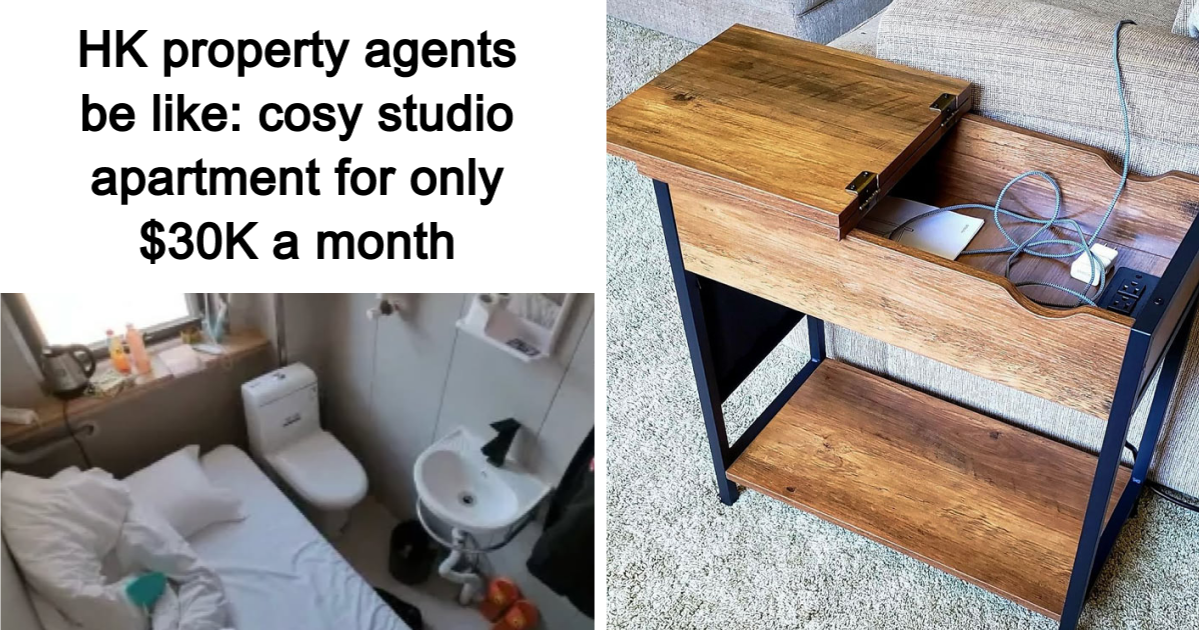
Tiny apartment living is a special kind of athletic event. You’re doing furniture Tetris, walking a daily obstacle course around your own coffee table,
and somehow your “dining area” is also your office, your yoga studio, and the place where you open packages like a raccoon with scissors.
The good news: modern space-saving furniture is so clever it feels like cheating. The better news: you don’t need a wizard’s licensejust a tape measure
and the willingness to let one piece of furniture do three jobs without complaining.
Below are 22 tiny apartment furniture finds that pull off the kind of transformation that makes you whisper, “Okay… how is that even possible?”
Think: tables that disappear, beds that hide, chairs that stack, and storage that pops out of places you didn’t know existed.
If your square footage is small but your standards are not, welcome to the spellbook.
The “No-Regrets” Rules for Tiny Apartment Furniture
1) Measure like a suspicious detective
Measure the space, measure the path to the space, and measure the clearance around the space. Your dream sleeper sofa is not a dream if it can’t
get through the hallway turn where the wall juts out like it’s mad at you personally.
2) Prioritize double-duty, then triple-duty
In small spaces, the best “tiny apartment furniture” earns its keep. Seat + storage. Desk + dining. Bed + bookshelf.
If a piece only does one thing, it should do that one thing so well you’d write a thank-you note.
3) Scale matters more than “cute”
Avoid the extremes: furniture that’s too bulky makes a room feel cramped; furniture that’s too tiny makes the room feel like a dollhouse set.
Aim for sleek silhouettes, visible legs (to let your eye travel underneath), and pieces that don’t visually “thud” into the room.
4) Use vertical space (a.k.a. the air above your head)
When floor space is scarce, your walls become the MVP. Wall-mounted tables, floating nightstands, tall shelving, and peg systems turn “empty wall” into “functional zone”
without stealing walking space.
The 22 Furniture Finds (Prepare to Be Bewitched)
-
Wall-Mounted Drop-Leaf Table
This is the tiny-apartment equivalent of a secret door in a bookshelf. Fold it down for dining or laptop time; fold it up and it becomes a neat wall panel.
Ideal for studios, narrow kitchens, or “my dining room is a corner” situations. Look for sturdy wall anchors, a smooth hinge, and a depth that won’t jab you in the hip
every time you walk by. -
Gateleg Dining Table (a.k.a. The Expand-and-Vanish Classic)
Small footprint most days, surprise dinner party on demand. A gateleg table’s leaves swing out like it’s unfolding a plan to host four people in a room that fits two.
Bonus points if it has built-in storage for folding chairsor for your emotional support hot sauce collection. -
Nesting Tables That Tuck Away
Nesting tables are like roommates who actually clean up after themselves. Use one as a side table, two as a snack station, three as a “why did we invite everyone over?”
emergency surface. When you’re done, they slide together and disappear into one neat footprint. -
Lift-Top Coffee Table With Hidden Storage
The lift-top coffee table is what happens when a coffee table goes to grad school and comes back with a plan.
Top lifts up to laptop height for working or eating, then drops down to “company is coming” mode. Underneath: storage for remotes, chargers, notebooks, and the
miscellaneous life items that otherwise multiply on your floor. -
Storage Ottoman With a Tray Top
Footrest. Extra seat. Coffee table (with a tray). Secret storage. This is one of the best multifunctional furniture pieces you can buy for a small living room.
Choose one with firm structure, easy-open lid, and enough internal space for blankets. If it rolls, make sure it locksor you’ll chase it during movie night like it owes you money. -
Compact Sleeper Sofa That Doesn’t Look Like a Sleeper Sofa
Modern sofa beds have come a long way from “mystery metal bar to the spine.” Look for streamlined arms (less bulk), an easy conversion mechanism, and a comfortable sleep surface
that’s not just “fine if you don’t value your back.” If your apartment is your guest room, this is a power move. -
Sleeper Chair / Convertible Lounge Chair
For when you need a guest bed but not a guest-bed lifestyle. A sleeper chair can unfold into a single bed without taking over your whole room.
It’s perfect for tiny apartments, home offices, or that corner you swear will be a “reading nook” (and might actually become one). -
Daybed With a Trundle
By day: couch. By night: bed. And when a guest arrives: second bed slides out like a magician pulling a rabbit from a hat.
This is a smart solution for studios and one-bedrooms that occasionally need to host someone who is not a houseplant. -
Murphy Bed (Wall Bed) With Built-Ins
The ultimate “now you see it, now you don’t.” A Murphy bed frees up floor space all day, then becomes a real bed at night.
Many designs add shelving, lighting, or even a fold-down desk. Pro tip: prioritize a reliable mechanism and proper installationthis is not the place for
questionable shortcuts. -
Loft Bed With Workspace Underneath
Loft beds are vertical ambition in furniture form. Raise the bed, gain a desk, shelving, or lounging space underneath.
Great for studios, renters, and anyone who enjoys the idea of “more zones” without “more square footage.”
Make sure the ladder is comfortable and the guardrails are legit. -
Platform Bed With Drawers (or Lift-Up Storage)
Under-bed storage is basically free real estate. Drawer beds are great for easy access; lift-up storage beds can hold even more (hello, winter bedding).
Either way, you’re turning “dead space” into “organized adult” spacewithout adding another dresser. -
Floating Nightstand (Wall-Mounted Bedside Shelf)
If your bed is squeezed into a corner and a normal nightstand won’t fit, go floating. A wall-mounted bedside shelf keeps essentials close
while leaving the floor open, which makes the room feel bigger. It’s also easier to cleanbecause dust bunnies don’t deserve rent-free living. -
Skinny Console Table With Storage (Entryway Hero)
Narrow console tables bring “I have my life together” energy to tiny entryways. Choose one with drawers or baskets underneath for keys, mail,
pet supplies, and the mysterious objects you carry home without knowing why. -
Sofa Table / Behind-the-Couch Shelf
That space behind your sofa? It’s not “nothing.” A slim sofa table adds a landing strip for drinks, lamps, and charging stations.
It’s especially useful if your couch floats away from the wall or you lack side tables. Small space tip: pick one that’s roughly sofa-back height for a clean look. -
Wall-Mounted Desk That Folds Flat
Your home office can be a secret identity. Fold the desk down during work hours, fold it back up when you’re off the clock.
Some options include shelves above, turning one wall into a full productivity zone without permanently sacrificing floor space. -
Ladder Desk / Vertical Workstation
Ladder desks climb upward instead of outward, giving you shelves, a work surface, and storage in one narrow footprint.
They’re great for small apartments where a traditional desk would block movementor dominate the room like it pays the bills. -
Modular Cube Shelving That Doubles as a Room Divider
In a studio, you often need furniture to create “rooms” without walls. Cube shelving can divide sleeping and living zones while providing storage.
Use bins to hide clutter, mix open and closed storage for visual calm, and anchor it so it feels intentionalnot like you’re barricading yourself from your own kitchen. -
Stackable or Foldable Dining Chairs
Chairs are notorious space hogs. Stackable chairs store vertically; folding chairs disappear into closets or narrow gaps.
Keep two “daily” chairs and stash the extras for guests. Your shins will thank you. -
Storage Bench for the Foot of the Bed (or Entryway)
A storage bench gives you a seat, a drop zone, and hidden space for linens, shoes, or seasonal items.
In tiny apartments, it’s also a “soft boundary” piecedefining zones without blocking sightlines. -
Rolling Kitchen Cart With Drop Leaves
Extra counter space, storage, and sometimes seatingthen it rolls away when you’re done.
Drop leaves make it adaptable: narrow for daily use, expanded for cooking projects or entertaining. Look for sturdy casters and a surface that’s easy to clean. -
Corner Shelving Unit That Fits the “Awkward Triangle”
Corners are often wasted because standard furniture doesn’t fit well there. A corner unit turns dead angles into storage for books, plants,
and decorwithout stealing traffic flow. It’s one of the easiest ways to gain storage while making a room feel more finished. -
Mirrored Storage Cabinet (Bathroom or Entryway)
Mirrors make small spaces feel larger, and storage makes small spaces feel livable. Combine them and you get a piece that visually expands the room
while hiding toiletries, grooming tools, or everyday items. In a tiny bathroom, this is straight-up magic.
How to “Cast the Layout Spell” (So the Furniture Actually Works)
- Create zones with purpose: In a studio, let one anchor piece define each zonesleep (bed/sofa bed), work (fold-down desk), dine (drop-leaf table).
- Keep pathways clear: You want an easy flow from door to kitchen to bed. If you have to turn sideways to pass your coffee table, it’s too big.
- Choose pieces with “air”: Furniture with legs and open bases feels lighter and makes rooms look bigger.
- Store where you stand: Put storage where you naturally drop itemsentry bench for shoes, ottoman for blankets, wall shelf by bed for essentials.
Buying Tips That Save Money, Space, and Sanity
Check weight limits and mechanisms
Fold-down tables, lift-tops, sleeper mechanisms, and Murphy beds rely on hardware. Smooth operation matters.
If a mechanism feels flimsy in the showroom (or in reviews), it will not improve after you move it into a fourth-floor walk-up.
Think about “open” vs. “closed” storage
Open storage looks airy but shows clutter. Closed storage hides chaos but can feel heavy if overused.
A balanced small-apartment strategy: closed storage for everyday mess, open shelving for items that look intentional.
Plan for maintenance
Slipcovers, wipeable surfaces, and durable fabrics are underrated in small spaces because everything gets used more.
When your coffee table is also your desk and dinner table, it needs to survive real life.
Real-Life Tiny Apartment Experiences (The “Yep, That Happened” Section)
Tiny-apartment furniture isn’t just about aestheticsit’s about the daily rhythm of living in a space where every object is always on stage.
If you’ve ever tried to host friends in a small living room, you already know the secret: the room doesn’t get bigger, the furniture gets smarter.
A drop-leaf table can turn “we can’t eat together” into “we’re having tacos like functioning adults,” and when the night ends, it folds away so you can
reclaim the floor without stacking plates on your bed like a tragic rom-com montage.
The biggest difference-maker, though, is how multi-use pieces change your habits. A storage ottoman becomes the place where blankets live,
so they stop migrating across the sofa like a slow-moving quilt avalanche. A lift-top coffee table quietly ends the “laptop on knees” era and
gives you a proper work surfacewithout needing a dedicated office. That matters in a studio where your brain needs signals:
“Now we work,” “now we relax,” “now we pretend we don’t have 17 open tabs.”
Guests are where the sorcery really shows off. A sleeper chair handles the occasional overnight visitor without forcing you to keep a full guest bed year-round.
A daybed with a trundle turns hosting into a smooth operationno frantic late-night air mattress inflation, no “sorry, the pump died” conversations.
And if you’ve ever watched a wall bed fold down for the first time, you know the emotion: part awe, part relief, part “why didn’t I do this sooner?”
The room goes from bedroom to living room in minutes, which is basically time travel by furniture standards.
There’s also a very real emotional benefit to furniture that reduces visual clutter. In a small apartment, clutter isn’t just “stuff,” it’s visual noise.
Closed storage benches, cube shelving with bins, and mirrored cabinets all help create calm because they hide the messy middle of life:
the chargers, the mail, the extra toiletries, the “I’ll deal with it later” pile. When those things have a home, your space feels largernot in square feet,
but in breathing room.
The final tiny-apartment lesson is surprisingly empowering: you don’t have to own less to live smallyou have to store better.
Smart furniture doesn’t punish you for having hobbies, guests, or seasonal bedding. It makes space for your real life.
And when your home supports your routines instead of fighting them, even a modest studio can feel intentional, comfortable, and yesjust a little bit magical.
Conclusion: Tiny Space, Big Witchcraft Energy
The best tiny apartment furniture isn’t about cramming more into lessit’s about choosing pieces that adapt, hide, fold, lift, and transform
so your home can keep up with your life. If you start with one or two high-impact upgrades (like a wall-mounted table or storage ottoman),
you’ll feel the difference immediately. Add a sleeper solution if you host, and a vertical storage strategy if you’re drowning in “where do I put this?”
Suddenly your apartment stops feeling small and starts feeling smart.