

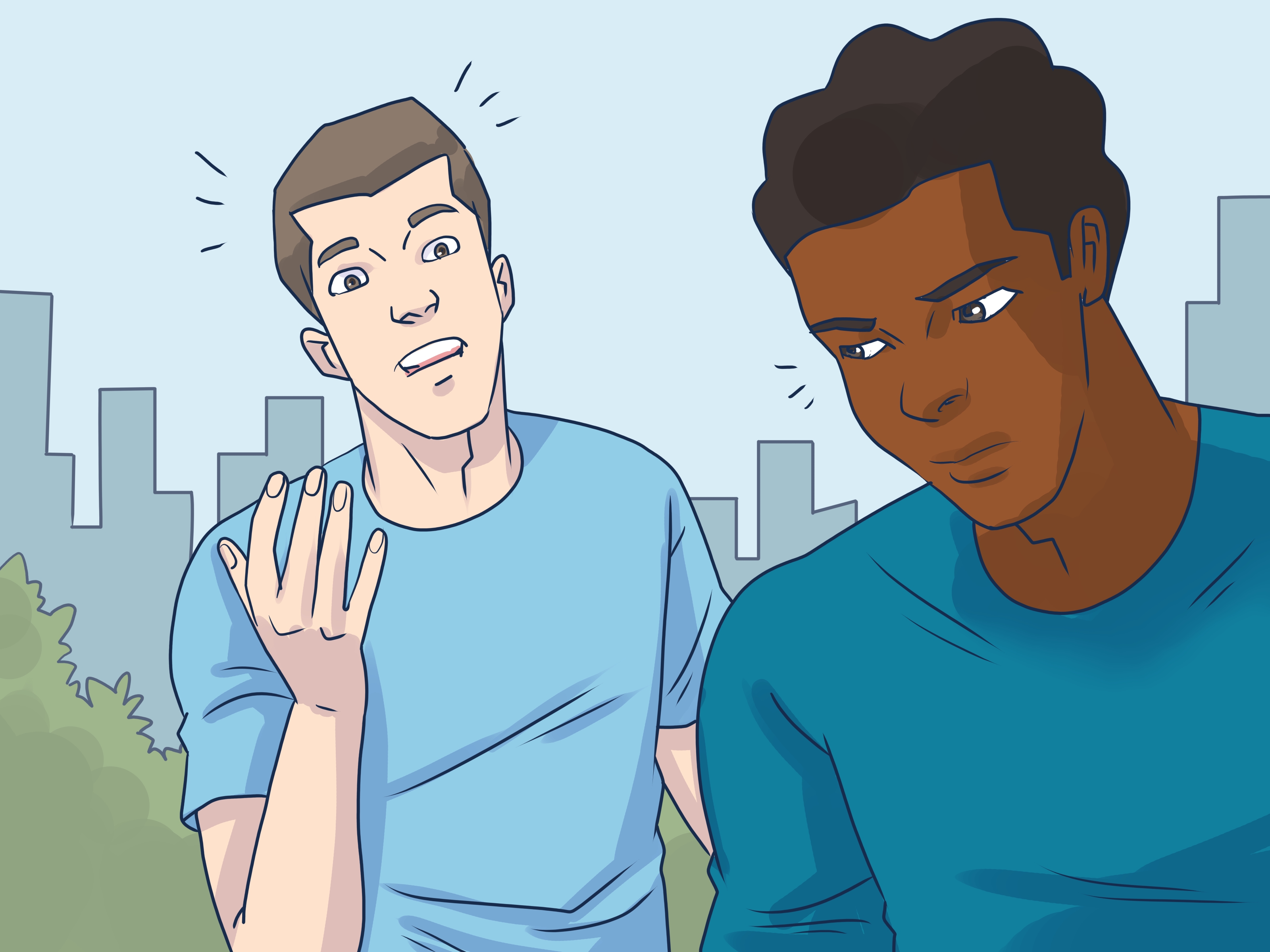
Friendship should not feel like an unpaid internship where your job description includes listening, forgiving, planning, cheering, rescuing, and pretending everything is fine while receiving nothing but “lol sorry just saw this.” A healthy friendship brings connection, respect, support, honesty, and the comforting feeling that someone actually remembers you exist when they do not need a ride to the airport.
Of course, no friend is perfect. People get busy. Messages get buried. Someone may cancel plans because life decided to throw a chair across the room. But there is a big difference between a friend having a hard week and a friend consistently treating you like the free trial version of a relationship.
If you keep wondering whether your friend values you, that question itself deserves attention. In meaningful friendships, you may have occasional conflict, but you do not constantly feel ignored, minimized, used, embarrassed, or emotionally drained. This guide breaks down 25 clear signs your friend doesn’t value you, with practical examples and thoughtful analysis to help you understand what is really going on.
What It Means When a Friend Doesn’t Value You
When a friend does not value you, it usually shows up as a pattern of imbalance. You give more time, care, emotional energy, loyalty, and flexibility than they return. They may like having access to you, but they do not treat your feelings, boundaries, or needs as important.
This does not always mean your friend is evil, toxic, or sitting in a swivel chair plotting your emotional downfall. Sometimes people are immature, self-absorbed, overwhelmed, or simply unaware. Still, the impact matters. A friendship that repeatedly leaves you feeling small, anxious, lonely, or used is not serving your well-being.
25 Clear Signs Your Friend Doesn’t Value You
1. You Are Always the One Reaching Out First
If the friendship would disappear the moment you stopped texting, calling, or making plans, that is a major sign of a one-sided friendship. Healthy friendships have some natural back-and-forth. You should not feel like the entire relationship is powered by your thumbs and your optimism.
For example, if you always send “How are you?” messages and they only respond with updates about themselves, the friendship may be running on your effort alone. A valued friend is not always available, but they do show initiative over time.
2. They Only Contact You When They Need Something
Some friends suddenly remember your name when they need help moving, money, advice, a favor, a connection, emotional support, or someone to proofread a text to their ex. Then, once the favor is complete, they vanish like a magician with commitment issues.
If your friend mostly appears when they need something, they may value your usefulness more than your presence. Friendship should include support, but not a permanent help desk relationship where you are always on call.
3. They Dismiss Your Feelings
A friend who values you may not always agree with you, but they will care that something hurt you. A friend who does not value you may say things like “You’re too sensitive,” “It’s not that deep,” or “You always make things dramatic.”
Dismissing your feelings teaches you to silence yourself. Over time, you may stop bringing up problems because you already know they will be brushed aside. That is not peace; that is emotional self-editing.
4. They Interrupt or Talk Over You Constantly
Conversation should not feel like a competitive sport where the loudest person wins the gold medal in self-importance. If your friend regularly interrupts you, changes the subject back to themselves, or seems bored when you speak, they may not be treating your voice as valuable.
Everyone interrupts occasionally. The issue is the pattern. If you leave conversations realizing you know every detail of their week while they never asked about yours, the friendship may be badly unbalanced.
5. They Make Fun of You in Ways That Hurt
Light teasing can be part of friendship. Cruel jokes are different. If a friend mocks your appearance, intelligence, income, background, insecurities, family, dreams, or personal struggles, and then hides behind “I was just joking,” pay attention.
A real friend does not use your vulnerabilities as comedy material. If the joke always lands on you and never on them, it is not playful banter. It is disrespect wearing a party hat.
6. They Ignore Your Boundaries
Boundaries are the guidelines that protect your time, privacy, energy, body, money, and emotional health. A friend who values you may not love every boundary, but they will respect it. A friend who does not value you may guilt-trip you, pressure you, or punish you for saying no.
Examples include pushing you to share private information, expecting instant replies, borrowing money after you said you cannot lend any, or showing up uninvited. Repeated boundary violations are not just annoying; they are warning signs.
7. They Compete With You Instead of Celebrating You
When something good happens to you, a caring friend can celebrate without turning it into a scoreboard. If you get promoted and they immediately mention their higher salary, or you start dating someone and they list why their relationship is better, they may be competing instead of supporting.
Friendship should not feel like a secret Olympics of who is happier, richer, prettier, smarter, or more successful. A friend who values you can clap when it is your turn to shine.
8. They Are Unreliable Again and Again
Everyone cancels sometimes. Life happens. Cars break down. Stomachs rebel. Calendars betray us. But if your friend repeatedly flakes, forgets plans, arrives extremely late, or cancels only after you have already gotten ready, they are showing you where you rank.
Reliability is a form of respect. When someone constantly treats your time as flexible but expects you to honor theirs, the friendship is not equal.
9. They Never Apologize Sincerely
A sincere apology includes accountability. It sounds like, “I’m sorry I hurt you. I understand why that was upsetting. I’ll try to do better.” A weak apology sounds like, “Sorry you feel that way,” which is basically an apology wearing sunglasses and refusing to be recognized.
If your friend never owns their behavior, always blames you, or turns every conflict into your fault, they may care more about being right than repairing the friendship.
10. They Share Your Private Information
Trust is one of the foundations of friendship. If you tell a friend something personal and later discover it has been passed around like office gossip with better lighting, that is a serious betrayal.
A friend who values you protects your privacy. They do not use your secrets for attention, entertainment, or social currency. If they cannot respect confidentiality, they may not deserve access to your inner life.
11. They Make You Feel Guilty for Having Other Friends
A possessive friend may act hurt, jealous, or angry when you spend time with other people. They may make comments like, “I guess you’re too busy for me now,” or “You like them better than me.”
Healthy friendships allow room for other relationships. You are a person, not a reserved parking spot. A friend who values you does not need to control your social life to feel secure.
12. They Minimize Your Success
If your friend responds to your accomplishments with silence, sarcasm, backhanded compliments, or quick subject changes, that may be a sign of resentment or indifference. You should not have to shrink your joy to keep a friend comfortable.
For instance, if you say, “I finally finished my project,” and they reply, “Must be nice to have that much free time,” that is not support. That is a tiny emotional paper cut.
13. They Make Every Conversation About Themselves
A friend who does not value you may treat every conversation as a stage for their own life story. Your problems become a brief commercial break before the main program returns to them.
Mutual sharing matters. If they expect you to listen deeply but respond to your updates with distracted comments, they may be taking emotional support without giving it back.
14. They Are Absent During Your Hard Times
One of the clearest signs your friend doesn’t value you is that they disappear when life gets difficult. They may enjoy your jokes, your energy, and your availability, but when you need comfort, they are suddenly “bad at texting.”
Not everyone knows the perfect thing to say during grief, stress, illness, or heartbreak. But a valuing friend tries. They check in. They offer presence. They do not require you to be entertaining in order to be worthy of care.
15. They Expect Forgiveness Without Changed Behavior
Forgiveness can be healthy, but it does not mean giving someone unlimited chances to repeat the same harm. If your friend hurts you, apologizes vaguely, and then does the exact same thing again, the apology may be more about avoiding consequences than changing behavior.
Patterns matter more than promises. A friend who values you will make an effort to understand the issue and adjust their actions.
16. They Make You Feel Drained After Spending Time Together
Some friendships leave you refreshed, seen, and calmer. Others leave you feeling like your soul just ran a marathon in wet jeans. Emotional exhaustion can be a sign that the relationship is demanding too much and giving too little.
If you regularly feel anxious before seeing them or depleted afterward, listen to that signal. Your body may be noticing what your loyalty is trying to explain away.
17. They Do Not Respect Your Time
Time is one of the clearest ways people show value. A friend who constantly keeps you waiting, cancels last minute, ignores agreed plans, or assumes you are always available may be treating your schedule as less important than theirs.
Respecting time does not mean perfect punctuality. It means communicating, considering your effort, and not acting like your day has no other purpose than waiting for them to decide.
18. They Use Silent Treatment as Punishment
Taking space after conflict can be healthy when communicated clearly. Silent treatment is different. It is used to punish, control, or make you panic.
If your friend disappears whenever you disagree, then returns when they feel ready without addressing the issue, you may be stuck in an unhealthy cycle. Valued friends do not use emotional withdrawal as a remote control.
19. They Pressure You to Do Things You Are Uncomfortable With
A friend who values you cares about your comfort and safety. A friend who does not may pressure you to drink more, spend more, gossip, lie, date someone, break rules, or join activities you have clearly refused.
Pressure is not friendship. It is someone trying to make your boundaries less inconvenient for them.
20. They Put You Down in Front of Others
Public humiliation is not a personality quirk. If your friend regularly embarrasses you, exposes personal details, makes you the punchline, or criticizes you in front of a group, they are showing disrespect.
A good friend may challenge you privately when needed, but they do not perform your flaws for an audience. You are not a slideshow presentation titled “Reasons I’m Better Than This Person.”
21. They Never Ask Meaningful Questions About Your Life
A valued friend is curious about you. They remember your interview, your family situation, your big deadline, your new hobby, or the thing you were nervous about last week.
If your friend rarely asks follow-up questions or seems uninterested in your world, the friendship may be missing emotional presence. Attention is one of the simplest ways people show care.
22. They Make You Feel Replaceable
Some people keep friends around as options rather than relationships. They invite you only when someone else cancels, include you when convenient, or treat you like backup entertainment.
If you often feel like the spare chair at the social table, it may be because they are not valuing your place in their life. You deserve friendships where you are wanted, not merely available.
23. They Hold Your Mistakes Over You Forever
Accountability is healthy. Permanent emotional debt is not. If your friend keeps bringing up old mistakes after you have apologized and changed, they may be using the past to maintain power over you.
A friend who values you allows room for growth. They do not keep a museum of your worst moments and offer guided tours during every argument.
24. They Are Kind Only When Others Are Watching
Pay attention to the difference between public behavior and private behavior. Some friends are warm, funny, and supportive in groups but cold, dismissive, or rude when you are alone.
This may suggest they care more about appearing like a good friend than actually being one. Consistency is a major part of emotional safety.
25. You Feel Like You Cannot Be Yourself Around Them
The biggest sign your friend doesn’t value you may be the way you feel around them. Do you monitor every word? Hide your success? Avoid sharing pain? Pretend to agree? Laugh at jokes that hurt? Shrink your personality to avoid judgment?
A real friendship gives you room to be human. If you have to become a smaller, quieter, less honest version of yourself to keep the relationship, the cost may be too high.
How to Tell the Difference Between a Bad Week and a Bad Friendship
Before you cut someone off, look for patterns. A friend going through stress may be distant, distracted, or less available for a while. That does not automatically mean they do not value you. The key questions are: Do they acknowledge it? Do they care when you bring it up? Do they try to repair the imbalance?
A bad week has context and usually improves. A bad friendship repeats the same hurtful pattern without accountability. One missed text is human. Six months of being ignored unless they need something is data.
What to Do If Your Friend Doesn’t Value You
Start With Honest Reflection
Ask yourself what specifically hurts. Is it the lack of effort? The jokes? The canceled plans? The emotional dumping? Naming the problem helps you avoid having a vague conversation that turns into “You’re just mad at me for everything,” which is not useful for anyone.
Have a Direct Conversation
Use calm, specific language. For example: “I’ve noticed I’m usually the one making plans, and it’s been making me feel like this friendship matters more to me than it does to you.” This is clearer than “You never care about me,” even if that is what your dramatic inner narrator wants to say while holding a tiny courtroom gavel.
Watch Their Response
Their response will tell you a lot. A valuing friend may feel surprised or defensive at first, but they will try to understand. A friend who does not value you may mock you, blame you, deny everything, or make you feel guilty for speaking up.
Set Boundaries
You may decide to stop lending money, stop answering late-night crisis calls, stop making all the plans, or stop sharing sensitive information. Boundaries are not punishments. They are instructions for how you will protect your peace.
Give Less Where You Receive Less
Sometimes the healthiest move is not a dramatic friendship breakup. It is simply matching the level of effort. Stop over-functioning. Stop chasing. Stop writing emotional essays to someone who replies with a thumbs-up emoji and a mysterious lack of shame.
Know When to Walk Away
If the friendship repeatedly harms your self-worth, violates your boundaries, or leaves you feeling anxious and used, it may be time to step back. Ending or downgrading a friendship can hurt, but staying in a relationship where you are not valued can hurt longer.
Experiences and Real-Life Lessons About Feeling Undervalued by a Friend
Many people do not realize a friend doesn’t value them in one dramatic moment. It often happens slowly, like a phone battery draining in the background. At first, you explain things away. They forgot your birthday because they were busy. They canceled again because they were tired. They made that rude joke because they “didn’t mean it.” They ignored your message because maybe the Wi-Fi fell into a lake. You keep creating generous explanations because you care about the friendship and want it to be better than it feels.
One common experience is the “emotional support friend” role. You become the person they call when their relationship falls apart, their boss annoys them, their family stresses them out, or they need someone to listen for two hours while they repeat the same problem with new background music. You care, so you listen. But when your turn comes, they suddenly have to go, become distracted, or respond with advice so generic it sounds printed inside a fortune cookie. Over time, you realize you are not in a mutual friendship. You are operating a 24-hour emotional customer service center with no benefits.
Another painful experience is being included only when convenient. Maybe they invite you when the group is short one person, or they text you after their preferred plans fall through. You may sense that you are not disliked, exactly, but you are not prioritized either. That gray area can be confusing. Being treated as optional hurts because it gives just enough connection to keep you hoping, but not enough consistency to make you feel secure.
Some people also experience the “joke friend” dynamic. In public, their friend teases them constantly. Everyone laughs, so they laugh too, even though the jokes hit real insecurities. Later, when they say it hurt, the friend replies, “Relax, everyone thought it was funny.” This is where many people learn an important lesson: a joke is not harmless just because other people enjoyed it. If humor requires one person to quietly absorb humiliation, it is not bonding. It is a performance at someone else’s expense.
A major lesson from these experiences is that your discomfort is information. You do not need a perfect legal case to admit a friendship feels bad. You do not need screenshots, witnesses, a signed confession, and a PowerPoint titled “Exhibit A: They Are Not Nice.” If you repeatedly feel anxious, invisible, drained, or foolish for caring, something needs to change.
Another lesson is that conversations reveal character. When you calmly tell a friend, “I feel like I’m always the one making effort,” their reaction matters. Some friends will be embarrassed, apologize, and try to do better. Others will attack your tone, call you needy, or act like your feelings are an inconvenience. The second reaction is painful, but it is also useful. It tells you the friendship may not have enough respect to repair itself.
Finally, many people discover that stepping back does not always create loneliness. Sometimes it creates relief. When you stop chasing a friend who undervalues you, you may have more energy for people who respond warmly, remember details, show up consistently, and make friendship feel easy again. Losing an unhealthy friendship can feel sad and freeing at the same time. That does not make you cold. It makes you honest about what you need.
Conclusion: You Deserve Friendship That Feels Mutual
Recognizing the signs your friend doesn’t value you can be uncomfortable, especially if you have history together. But history alone cannot carry a friendship that lacks respect, reciprocity, and care. A meaningful friendship should not require you to beg for basic consideration or shrink yourself to remain acceptable.
If your friend shows one or two of these signs occasionally, a conversation may help. If they show many of them repeatedly, it may be time to protect your energy and reconsider the role they play in your life. You deserve friends who celebrate you, listen to you, respect your boundaries, and make you feel like a personnot a convenience, backup plan, therapist, or emotional storage unit.
Note: This article is for general relationship education and self-reflection. It is not a substitute for therapy, crisis support, or professional mental-health care. If a friendship involves threats, coercion, stalking, abuse, or serious emotional harm, consider reaching out to a trusted person or qualified professional for support.