

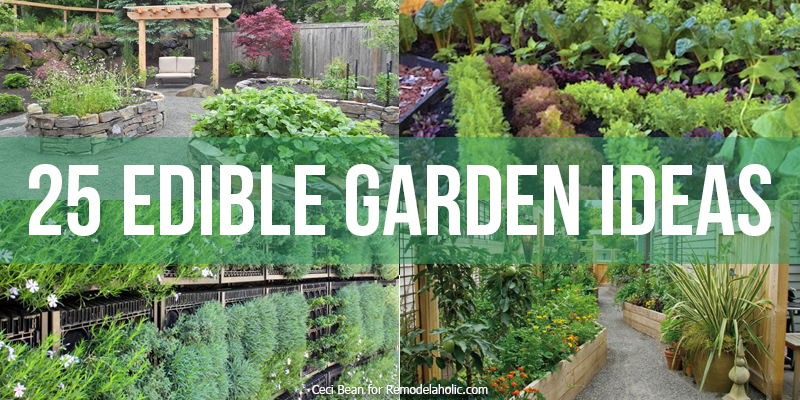
There is something deeply satisfying about walking outside, grabbing a handful of basil, a tomato warm from the sun, or a few strawberries that never made it to the kitchen because, well, quality control is important. An edible garden turns ordinary outdoor space into a living pantry, a mini farmers market, and a therapy session with better snacks.
The best part? You do not need a country estate, a tractor, or a straw hat that says “I have strong opinions about compost.” Edible garden ideas can work in a backyard, front yard, balcony, patio, windowsill, side yard, raised bed, or even a few containers near the kitchen door. Whether you want vegetables, herbs, edible flowers, fruit trees, berries, or a pretty edible landscape that looks as good as it tastes, there is a setup for your space.
This guide shares 25 practical, beautiful, and beginner-friendly edible garden ideas to help you grow more food at home while keeping your garden stylish, manageable, and delicious.
Why Start an Edible Garden?
An edible garden is more than a place to grow lettuce. It can reduce grocery trips, improve flavor, encourage seasonal eating, support pollinators, and make outdoor space more useful. Freshly picked herbs can rescue a boring dinner. A container of cherry tomatoes can make a patio feel like a tiny Italian vacation. A row of blueberries can act as both landscaping and dessert.
Edible landscaping also allows food-producing plants to blend with ornamentals. Instead of separating beauty and usefulness, you can grow rainbow chard beside flowers, tuck herbs along pathways, train beans up a trellis, or use strawberries as a tasty ground cover. It is gardening with a side of common senseand sometimes salsa.
25 Edible Garden Ideas for Every Space
1. Create a Raised Bed Vegetable Garden
Raised beds are one of the most popular edible garden ideas because they make soil easier to manage. You can fill them with a high-quality soil mix, improve drainage, reduce soil compaction, and organize crops neatly. Try tomatoes, peppers, lettuce, carrots, bush beans, kale, and herbs. A 4-by-8-foot bed is large enough for variety but small enough to reach from the sides without stepping into the soil.
2. Grow a Kitchen Herb Garden Near the Door
A kitchen herb garden is the edible garden equivalent of keeping snacks in your backpack: convenient and always appreciated. Plant basil, parsley, thyme, oregano, chives, cilantro, rosemary, dill, and mint near the kitchen door or in pots on a sunny patio. Keep mint in a container unless you want it to take over like it pays rent.
3. Use Containers for Small-Space Gardening
Containers are perfect for balconies, patios, decks, and renters. Choose pots with drainage holes and use potting mix rather than garden soil. Good container crops include lettuce, radishes, herbs, peppers, cherry tomatoes, dwarf eggplant, carrots, spinach, and compact cucumbers. Larger plants need larger containers, because tomatoes do not enjoy living in a coffee mug.
4. Build a Vertical Edible Garden
When space is limited, grow upward. Trellises, arches, wall planters, hanging baskets, and vertical towers can support peas, pole beans, cucumbers, small melons, Malabar spinach, and vining nasturtiums. Vertical gardening improves airflow, saves space, and makes harvesting easier. It also makes your garden look taller, which is basically the horticultural version of wearing platform shoes.
5. Mix Vegetables Into Flower Beds
Foodscaping, or edible landscaping, means mixing vegetables, herbs, fruits, and flowers into ornamental beds. Try purple basil with marigolds, rainbow chard beside petunias, kale with pansies, or peppers tucked among perennials. This approach works especially well in front yards where a traditional vegetable patch may feel too plain.
6. Plant an Edible Flower Border
Edible flowers bring color to the garden and flavor to salads, desserts, and drinks. Good choices include nasturtium, calendula, borage, chive blossoms, squash blossoms, and pansies. Only eat flowers you can positively identify and that have not been sprayed with pesticides. “Mystery flower garnish” is not a food group.
7. Design a Salad Garden
A salad garden is fast, rewarding, and ideal for beginners. Grow leaf lettuce, arugula, spinach, radishes, green onions, parsley, dill, and edible flowers together in a bed or large container. Choose cut-and-come-again greens so you can harvest outer leaves while the plant keeps growing. It is like having a salad bar that does not charge extra for toppings.
8. Grow a Pizza Garden
A pizza garden is fun for families and surprisingly practical. Plant tomatoes, basil, oregano, peppers, onions, garlic chives, and maybe a few hot peppers for brave souls. Arrange the bed in a circle like a pizza, with each “slice” holding a different crop. No, mozzarella does not grow on vines, but gardeners are allowed to dream.
9. Add Berry Bushes to the Landscape
Blueberries, raspberries, blackberries, currants, and gooseberries can be beautiful and productive. Blueberries offer spring flowers, summer fruit, and attractive fall color. Raspberries and blackberries need space and pruning, but they reward you generously. Match the berry type to your climate, soil, and available sun.
10. Plant Strawberries as Edible Ground Cover
Strawberries can edge beds, spill from containers, or fill sunny patches as a low-growing edible ground cover. Alpine strawberries are charming and tidy, while June-bearing and everbearing types offer larger harvests. Use straw mulch to keep fruit cleaner and reduce soil splash. The birds may also approve of your plan, so consider netting.
11. Try a Patio Fruit Tree
Dwarf and columnar fruit trees can bring orchard energy to small spaces. Apples, figs, citrus, peaches, and cherries may grow in containers depending on your region. Use a large pot, quality mix, regular watering, and the right variety. Some fruit trees need a second variety for pollination, so check before buying one lonely apple tree and expecting miracles.
12. Create a Tea Garden
A tea garden is calming, fragrant, and easy to personalize. Grow lemon balm, mint, chamomile, lavender, anise hyssop, bee balm, and holy basil where appropriate. Harvest leaves and flowers when they are fresh and aromatic. Dry them for later use, or steep them fresh for a garden-to-mug experience that feels fancy without requiring a monocle.
13. Grow a Salsa Garden
For a garden with personality, plant tomatoes, tomatillos, cilantro, onions, garlic, jalapeños, bell peppers, and lime basil. Salsa gardens love sun and warm weather. Keep cilantro succession-planted because it bolts quickly in heat. Fresh salsa from your own garden tastes like summer learned how to dance.
14. Use Companion Planting Thoughtfully
Companion planting pairs crops that can benefit each other through space-sharing, pest confusion, pollinator attraction, or timing. Basil with tomatoes, dill near beneficial-insect areas, flowers near squash, and lettuce under taller crops are common examples. Keep expectations realistic: companion planting is helpful, not a magic spell with leaves.
15. Grow Fast Crops for Quick Wins
Impatient gardeners deserve happiness too. Radishes, baby lettuce, arugula, spinach, microgreens, bush beans, and green onions can produce quickly. These crops are great for children, beginners, and anyone who checks seedlings every 12 minutes hoping they have become dinner.
16. Add Perennial Vegetables
Perennial vegetables return year after year, saving time once established. Asparagus, rhubarb, artichokes in mild climates, sorrel, walking onions, and horseradish can become reliable garden residents. Give them permanent spots, because they are not seasonal guests; they are moving in.
17. Build an Edible Privacy Screen
Use tall edible plants to create privacy, shade, or structure. Pole beans on a trellis, grapevines on an arbor, espaliered fruit trees, Jerusalem artichokes, okra, and corn can add height. A living screen can hide a fence, soften a patio, or create a cozy garden room.
18. Create a Pollinator-Friendly Edible Garden
Many edible crops depend on or benefit from pollinators. Add flowers such as borage, calendula, bee balm, sunflowers, zinnias, nasturtiums, and herbs allowed to bloom. More pollinator activity can support better fruiting in crops like squash, cucumbers, berries, and fruit trees. Plus, a buzzing garden feels alive in the best way.
19. Grow Edibles Along Pathways
Path edges are perfect for compact, attractive edibles. Try chives, thyme, parsley, dwarf basil, strawberries, lettuce, calendula, and low peppers. The key is to choose plants that stay tidy and do not flop into walkways like dramatic actors fainting on stage.
20. Start a Windowsill Garden
No yard? No problem. A sunny windowsill can support herbs, microgreens, scallions, lettuce, and small pots of edible flowers. South-facing windows usually provide the strongest light in many U.S. homes, but grow lights can help when sunshine is limited. Keep watering consistent, not swampy.
21. Make a Children’s Snack Garden
A snack garden is designed for easy picking and instant joy. Grow cherry tomatoes, sugar snap peas, strawberries, blueberries, carrots, cucumbers, and mild herbs. Use wide paths, labels, and sturdy plants. Children are more likely to try vegetables when they helped grow them, especially if they get to pull carrots like garden treasure.
22. Plant a Low-Maintenance Edible Landscape
If you want food without constant fussing, choose reliable perennials and sturdy annuals. Blueberries, herbs, rhubarb, asparagus, strawberries, kale, Swiss chard, and cherry tomatoes can be manageable with good planning. Mulch well, install drip irrigation if possible, and group plants by water and sun needs.
23. Grow a Color-Themed Edible Garden
Edible gardens do not have to look like rows of green homework. Try purple basil, red lettuce, rainbow chard, orange calendula, yellow tomatoes, purple beans, red-veined sorrel, and dark kale. A color-themed edible garden looks intentional and ornamental while still feeding you.
24. Create a Compact Root Vegetable Bed
Root vegetables are excellent for small beds and deep containers. Grow carrots, beets, radishes, turnips, scallions, and baby potatoes. Loose, stone-free soil helps roots develop properly. Thin seedlings early, even though it feels rude. Crowded carrots do not become best friends; they become tiny noodles.
25. Plan a Four-Season Edible Garden
A productive edible garden changes with the seasons. Cool-season crops include lettuce, peas, spinach, kale, radishes, and broccoli. Warm-season crops include tomatoes, peppers, beans, cucumbers, squash, basil, and eggplant. In fall, return to hardy greens, garlic, onions, and root crops. With planning, your garden can offer something useful across much of the year.
How to Plan an Edible Garden That Actually Works
Start With Sunlight
Most vegetables and fruits need full sun, which generally means at least six hours of direct sunlight per day. Leafy greens and some herbs can tolerate partial shade, especially in hot climates. Before planting, watch your space for a day and note where light falls. Your tomatoes are not being dramatic; they really do want the sunny seat.
Improve the Soil
Healthy soil is the quiet engine of an edible garden. Add compost, avoid compacting the soil, mulch to conserve moisture, and test soil when possible. Raised beds and containers give you more control, especially where native soil is heavy clay, sandy, rocky, or mysterious enough to deserve its own documentary.
Choose Plants You Actually Eat
It is easy to get excited at the nursery and come home with six eggplants, three kinds of kale, and a melon that needs the square footage of a studio apartment. Start with crops your household already enjoys. A small, well-used garden beats a giant garden that turns into a guilt jungle by July.
Use Mulch and Smart Watering
Mulch helps conserve moisture, reduce weeds, and keep soil temperatures steadier. Drip irrigation or soaker hoses can make watering easier and keep leaves drier, which may reduce some disease problems. Containers dry out faster than in-ground beds, so check them often during hot weather.
Design for Harvesting
Place frequently used herbs and greens close to the house. Keep paths wide enough for comfortable access. Put tall crops where they will not shade shorter plants unless that shade is intentional. Label plants, especially peppers, unless you enjoy surprise heat levels at dinner.
Common Mistakes to Avoid
The first mistake is planting too much too soon. Gardening enthusiasm is wonderful, but 14 zucchini plants can turn into a neighborhood distribution program. Start small and expand as your confidence grows.
The second mistake is ignoring spacing. Tiny seedlings look lonely at first, but they grow quickly. Crowded plants compete for light, water, and nutrients. They can also have poor airflow, which invites disease problems.
The third mistake is forgetting about local conditions. A crop that thrives in Oregon may struggle in Arizona, and a planting calendar for Georgia will not perfectly match Maine. Use local extension guidance, seed packets, and regional planting dates to fine-tune your plan.
The fourth mistake is eating plants without proper identification. Not every attractive plant is edible, and sometimes only certain parts of a plant are safe to eat. Grow known edible varieties, avoid pesticide-treated ornamentals, and teach children to ask before tasting anything from the garden.
Experience Notes: What Growing an Edible Garden Teaches You
One of the biggest lessons from edible gardening is that small harvests matter. The first bowl of lettuce, the first tomato, the first handful of herbsnone of these may replace a full grocery run, but they change the way you feel about food. A sandwich with homegrown basil suddenly tastes like you hired a tiny chef who lives in a flowerpot.
Another experience many gardeners share is that convenience determines success. Herbs planted near the kitchen get used. Greens near the back door get harvested. Containers beside a patio chair get noticed before they wilt. A garden hidden in the farthest corner of the yard may sound romantic, but if it is too inconvenient, it becomes a vegetable museum.
Edible gardens also teach patience in a very honest way. Some crops are quick and cheerful, like radishes and lettuce. Others take their sweet time, like peppers, carrots, berries, and fruit trees. The garden does not care about your schedule, your dinner plans, or the fact that you already bought taco shells. It grows at plant speed, which is both annoying and good for the soul.
You also learn that beauty and productivity are not enemies. A bed of Swiss chard, calendula, basil, parsley, and cherry tomatoes can look as polished as many ornamental plantings. Blueberries can be landscape shrubs. Grape arbors can create shade. Chives can edge a path. Nasturtiums can tumble from containers like they are auditioning for a garden magazine cover.
Another practical lesson is that the best edible garden is not always the biggest one. A few containers of herbs, one raised bed of salad greens, and a tomato plant can be more useful than a sprawling plot that overwhelms you. Success builds confidence. Confidence builds consistency. Consistency builds better harvests. Eventually, you may find yourself discussing compost texture with alarming enthusiasm.
Finally, edible gardening makes food feel less abstract. You notice weather, soil, insects, flowers, roots, and timing. You understand why a perfect tomato is special. You waste less because you remember what it took to grow each leaf and fruit. Even when something failsand something willyou gain knowledge for the next season. In that sense, every edible garden produces two harvests: food and experience.
Conclusion
Edible gardens can be practical, beautiful, and surprisingly flexible. You can grow vegetables in raised beds, herbs in containers, berries along fences, edible flowers in borders, or fruit trees on a patio. The secret is to match the garden to your space, sunlight, climate, schedule, and appetite.
Start with a few crops you love, keep the design simple, and build from there. Whether your first harvest is a basket of tomatoes or three heroic basil leaves, you are still participating in one of the oldest and most rewarding human hobbies: convincing plants to become dinner.
Note: Always confirm that a plant, flower, or plant part is edible before eating it, and avoid harvesting from areas treated with pesticides or exposed to unsafe contaminants.