

Note: This original article is written in standard American English and based on real information about 3 Bags Full Blankets, wool bedding, Maine textile craft, and proper wool blanket care.
If the phrase “three bags full” makes your brain immediately sing a nursery rhyme, congratulations: your childhood playlist is still working. But 3 Bags Full Blankets are not just a cute name with sheepish charm. They represent a very specific idea in home textiles: a generously sized, deeply warm, wool blanket made with traditional craftsmanship, natural fiber, and color inspired by the outdoors.
At its heart, the 3 Bags Full Blanket is about abundance. The name suggests plenty of wool, plenty of warmth, and plenty of character. This is not the sort of throw blanket you casually toss over the arm of a sofa and forget. It is the kind of blanket that becomes part of a room’s personality. It invites naps, winter reading, guest-room compliments, and at least one dramatic declaration such as, “I am never leaving this bed again.”
In a market crowded with synthetic fleece, microfiber throws, fast-fashion bedding, and blankets that look cozy online but feel like a polite plastic handshake in real life, wool blankets stand apart. They are warm without being suffocating, practical without looking boring, and durable enough to become family pieces rather than seasonal impulse buys.
What Are 3 Bags Full Blankets?
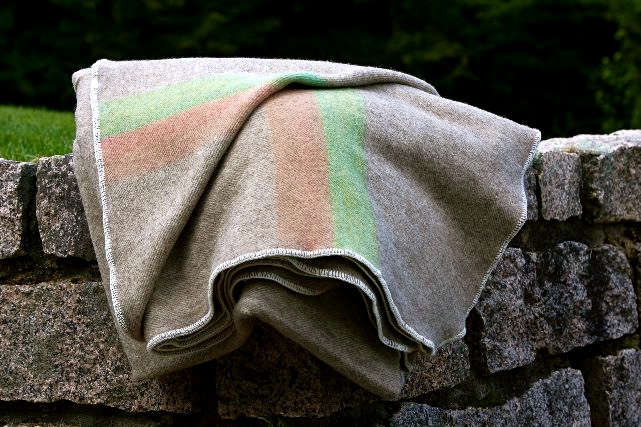
3 Bags Full Blankets refer to a large wool blanket associated with Get Wool and the Seacolors tradition of wool textiles from Maine. The original product description emphasizes bold stripes of sea-colored yarn, a size larger than king, and a cozy napped finish that gives the blanket a fuller hand. In plain English: this is a serious blanket, not a decorative napkin pretending to be bedding.
The name also hints at the amount of fiber behind the piece. Wool is not magically born in a warehouse. It begins with sheep, pasture, shearing, sorting, spinning, dyeing, weaving, and finishing. A blanket like this carries the labor of land, animals, makers, and mills. That is why wool bedding often feels different from mass-produced alternatives. It has a story woven into it, sometimes literally.
The Beauty of Wool: Warmth With Brains
Wool has been trusted for centuries because it solves a problem humans keep having: we are either too cold, too hot, or somehow both at the same time. Wool helps regulate temperature by trapping air within its crimped fibers, creating insulation without sealing the body in a sweaty cave. It can wick moisture, absorb vapor, and still feel comfortable in changing conditions.
That is one reason wool blankets are loved by campers, cold-climate households, design enthusiasts, and people who take couch naps very seriously. A good wool blanket does not merely sit on top of you. It creates a small climate zone. In winter, it feels grounding and protective. In shoulder seasons, it can provide warmth without the heaviness of a thick comforter.
Why Wool Feels Different From Synthetic Fleece
Synthetic fleece can be soft and affordable, but it often traps heat in a flat, less breathable way. Wool has a more complex performance profile. It breathes, insulates, resists odors better than many synthetic materials, and tends to age gracefully when cared for properly. A wool blanket can look refined on a bed, rustic on a cabin chair, and luxurious in a reading nook.
The trade-off is that wool usually costs more and requires more thoughtful care. You do not treat a fine wool blanket like a gym towel. You do not throw it into a hot wash, blast it in the dryer, and hope for the best. That path leads to sadness, shrinkage, and possibly a blanket suitable only for a dollhouse.
Design Appeal: Big Stripes, Sea Colors, and Natural Texture
The visual identity of 3 Bags Full Blankets is strongly tied to color. The Seacolors approach is known for layered shades inspired by weather, water, shoreline, and natural light. Instead of loud synthetic color that shouts across the room, these tones tend to feel atmospheric. Think ocean after rain, lichen on stone, evening sky, tidepool green, or the soft gray-blue of a Maine morning.
That matters because a blanket this large becomes a design element. On a queen bed, it can act as a generous top layer or coverlet. On a king bed, it can add color and depth. Folded at the foot of the bed, it gives the room an intentional, finished look. Draped over a sofa, it says, “This home has taste,” while also saying, “Yes, you may wrap yourself like a burrito.”
How to Style 3 Bags Full Blankets at Home
For a minimalist bedroom, let the blanket be the main pattern. Pair it with white cotton sheets, linen pillowcases, and simple wood furniture. The stripes will bring movement without overwhelming the space.
For a rustic or cottage-style room, combine the blanket with natural textures: pine, oak, ceramic lamps, braided rugs, woven baskets, and dried flowers. The wool’s texture will feel right at home.
For a modern apartment, use it as a contrast piece. A richly colored wool blanket can soften metal, glass, concrete, and sharp furniture lines. It brings warmth to spaces that might otherwise feel like a very stylish waiting room.
Why the Size Matters
One standout detail of 3 Bags Full Blankets is generous sizing. A blanket described as bigger than king is built for real coverage. That matters more than people think. Many throws are adorable until two adults try to share one and suddenly it becomes a diplomatic crisis.
A larger wool blanket gives you flexibility. It can cover a queen bed generously, layer over a king bed, or act as a full-body sofa blanket for movie nights. It can be folded for extra warmth or spread wide for a lighter feel. For guest rooms, oversized blankets are especially useful because guests vary in sleep habits, temperature preferences, and ability to politely mention that they are freezing.
Is a Wool Blanket Worth the Price?
Premium wool blankets can be expensive, and 3 Bags Full Blankets have historically been positioned as luxury craft bedding. The real question is not simply, “Is it pricey?” The better question is, “Will it earn its place in the home?”
For people who want a cheap blanket for occasional use, probably not. There are many affordable throws that can handle movie night, pet hair, popcorn crumbs, and laundry chaos. But for someone who values natural materials, American craft, heirloom quality, and meaningful design, a wool blanket can be a long-term investment.
The cost reflects more than fiber. It includes sheep husbandry, small-batch production, dyeing, weaving, finishing, design, and distribution. When a blanket is made with regional wool and traditional methods, it is closer to functional art than disposable bedding.
Who Should Consider 3 Bags Full Blankets?
These blankets are best suited for people who appreciate natural fiber and do not mind caring for it properly. They are ideal for cold sleepers, design lovers, cabin owners, Maine textile fans, and anyone who wants bedding that looks grown-up without becoming boring.
They are also a smart choice for people who prefer fewer, better things. Instead of owning six mediocre throws that pill, shed, flatten, and mysteriously migrate to the dog bed, one excellent wool blanket can serve for years. It may cost more upfront, but it can deliver more daily pleasure and a longer useful life.
Who Might Want to Skip It?
A wool blanket may not be right for strict vegans, shoppers on a tight budget, or households that need everything to be machine-washable every week. If you have pets that chew textiles, toddlers with juice-box enthusiasm, or roommates who think “laundry instructions” are folklore, a premium wool blanket should be used with caution.
Some people also find certain wool textures scratchy. Napped wool can feel softer and fuller, but sensitivity varies. If you are very texture-sensitive, place a sheet or duvet cover between your skin and the blanket, or look for finer wool varieties known for a softer hand.
How to Care for 3 Bags Full Blankets
Good wool care is mostly about restraint. Wool does not need constant washing. In fact, overwashing can shorten its life. Airing out a wool blanket regularly can refresh it between cleanings. Hang it outside on a dry, breezy day, away from harsh direct sunlight, and let nature do some of the work.
For small spills, spot clean gently with cool water and a wool-safe detergent. Blot; do not scrub like you are punishing the blanket for crimes. If deeper cleaning is needed, follow the care label. Some wool blankets may require professional cleaning, while others can be hand-washed carefully in cool water. Never use hot water, harsh agitation, bleach, or high dryer heat.
When storing wool, make sure the blanket is clean and completely dry. Fold it loosely and place it in a breathable cotton storage bag or sealed container, depending on your climate and moth risk. Clothes moths love dark, undisturbed natural fibers, so do not store wool with food stains, body oils, or mystery crumbs. Cedar and lavender may help as deterrents, but cleanliness and regular inspection matter more than charming smells.
Experience Notes: Living With 3 Bags Full Blankets
The experience of using a blanket like this begins before sleep. You notice the weight first. Not the heavy, trapped feeling of a weighted blanket, but a grounded wool presence that settles across the body. It feels substantial, like the room just turned down the volume. On a chilly evening, pulling it over your shoulders can feel less like using bedding and more like joining a small, private weather system.
On a bed, 3 Bags Full Blankets work especially well as a top layer during fall and winter. Imagine cotton sheets, a light quilt, and then this wool blanket folded across the lower half of the bed. At first, it is decorative. Later, around 3 a.m., when the room cools and your feet begin filing complaints, it becomes heroic. You pull it up, and suddenly the bed feels warmer, calmer, and more complete.
On a sofa, the blanket changes the mood of a living room. A synthetic throw often looks casual, sometimes even temporary. A wool blanket with strong stripes and natural color looks intentional. It can make a plain couch feel styled without adding ten pillows that nobody knows where to put when sitting down. During movie night, its generous size matters. One person can tuck it under the chin; two people can share it without negotiating territory every five minutes.
The blanket also shines in quiet routines. It belongs beside a reading chair with a mug of tea, near a fireplace, or at the end of a guest bed. Guests may not immediately know why the room feels special, but they will notice the texture and warmth. It is the kind of textile that invites touch. People run their hands over it, pause for a second, and say something intelligent like, “Ooooh.”
There is also a seasonal pleasure to owning wool. In late spring, you clean it, air it, fold it, and store it away. In autumn, bringing it back feels like unpacking a ritual. The blanket becomes part of the year’s rhythm: first cold night, first long book, first pot of soup, first morning when getting out of bed requires moral courage.
Of course, living with a wool blanket also teaches responsibility. You learn not to drag it across a dusty floor. You learn to fold instead of balling it up. You learn that snacks and heirloom textiles should have a respectful distance between them. This is not annoying; it is part of the charm. A good wool blanket asks for care, and in return it gives comfort that feels deeper than ordinary softness.
For families, it may become “the good blanket.” For couples, it may become the peace treaty in thermostat wars. For solo dwellers, it may become the reliable companion for Sunday mornings and stormy nights. However it is used, the experience is not just about staying warm. It is about slowing down, noticing material quality, and letting one beautiful object make everyday life feel a little more considered.
3 Bags Full Blankets vs. Ordinary Throws
The biggest difference is intention. Ordinary throws are often bought quickly to match a color scheme or fill a basket. A blanket like 3 Bags Full is chosen with more care. It has material value, visual personality, and a deeper connection to craft.
Compared with cotton blankets, wool usually offers more warmth and better moisture management. Compared with acrylic blankets, it feels more natural and can last longer. Compared with down comforters, it is easier to use as a visible design layer. Compared with cheap fleece, it brings a completely different level of character.
That does not mean wool is automatically better for every situation. Cotton may be easier for summer and frequent washing. Fleece may be better for pets or kids. Down may be better for cloud-like loft. But for warmth, beauty, and long-term home value, wool has a powerful argument.
Buying Tips for Wool Blankets
Before buying a premium wool blanket, check the fiber content. A product described as wool should clearly state what it is made from. Look for information about origin, production, size, care, and finish. If the blanket is handmade, small-batch, or regionally woven, expect variations in color and texture. That is part of the appeal, not a defect.
Consider where the blanket will live. For a bed, measure carefully and decide whether you want full coverage or a folded accent. For a sofa, think about color contrast and daily use. For a guest room, choose a versatile shade that works across seasons. If gifting, choose a color that feels classic rather than overly specific, unless you know the recipient’s style extremely well.
Also consider your climate. In very warm regions, a heavy wool blanket may be used mainly during winter or in air-conditioned rooms. In cold climates, it can become a daily essential for much of the year. Wool is excellent, but even excellent materials should match real life.
Final Thoughts on 3 Bags Full Blankets
3 Bags Full Blankets are more than cozy home accessories. They represent a slower, richer way of thinking about bedding: natural wool, regional craft, meaningful color, generous sizing, and long-lasting comfort. They are not for everyone, and that is exactly the point. A blanket like this is not trying to be disposable, trendy, or forgettable.
It is made for people who want their homes to feel warmer in every sense of the word. Warmer physically, yes, but also warmer emotionally and visually. In a world full of quick purchases and faster replacements, a beautifully made wool blanket reminds us that useful things can still have soul. And if it takes “three bags full” to get there, well, the sheep clearly understood the assignment.