

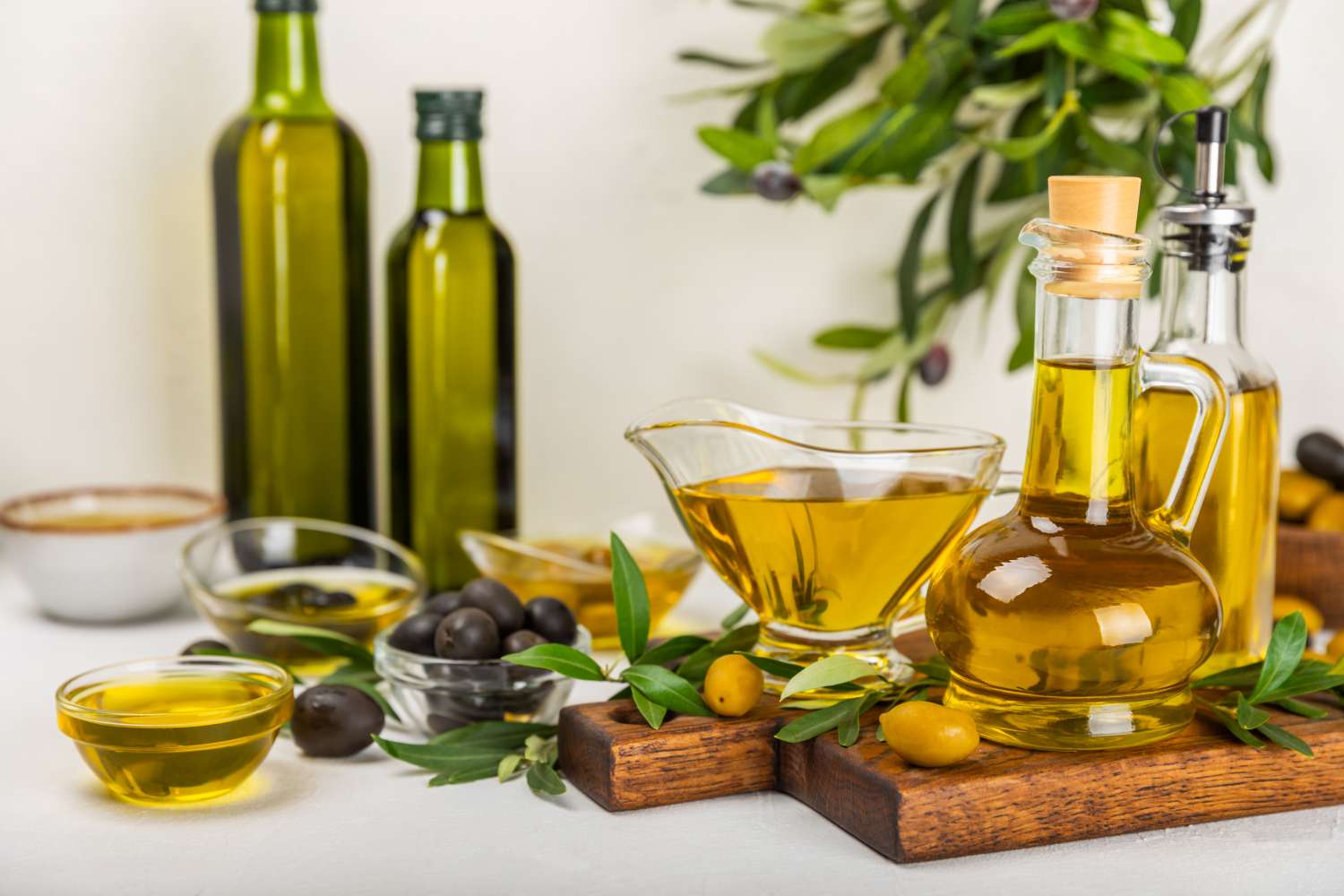
Olive oil shopping should be simple. Instead, it often feels like trying to decode a romantic mystery novel written by a very dramatic olive. One bottle says “light,” another says “pure,” a third is dressed up like it belongs on a museum pedestal, and suddenly you are standing in the grocery aisle wondering whether you need a sommelier, a flashlight, or both.
Here is the good news: when chefs and food experts are asked to name a store-bought olive oil that is actually worth the money, one brand comes up again and again for all the right reasons: California Olive Ranch Extra Virgin Olive Oil, especially its everyday, easy-to-find bottles. It hits the sweet spot between flavor, freshness, trust, and price. In other words, it is not just a pretty bottle with a Mediterranean accent. It is a dependable kitchen workhorse.
That matters because olive oil is not just another pantry item. It is a finishing touch, a cooking fat, a salad-maker, a bread-dipper, and sometimes the thing that turns a basic weeknight dinner into a “whoa, did I suddenly become competent?” moment. If you are only going to buy one store-bought olive oil for daily use, this is the bottle that makes the strongest case for itself.
The Consensus Pick: California Olive Ranch
The headline may sound dramatic, but the reasoning is surprisingly practical. Chefs tend to agree on California Olive Ranch because it does four things extremely well: it tastes fresh, it is widely available, it is priced for real life, and it offers the kind of transparency shoppers should want from a bottle of extra virgin olive oil.
That combination is rare. Plenty of oils taste great but are hard to find. Plenty are affordable but flat, stale, or suspiciously anonymous. Plenty look fancy enough to impress your countertop but do not exactly deliver when they meet bread, tomatoes, or a hot pan. California Olive Ranch has become the dependable middle ground: not bargain-bin oil, not luxury-gift oil, but the bottle you can buy, trust, and actually use.
And use it you should. A good extra virgin olive oil should not live in your cabinet like a ceremonial object. It should be in steady rotation for roasting vegetables, whisking vinaigrettes, finishing grilled fish, slicking pasta, dipping crusty bread, and waking up a boring bowl of beans. California Olive Ranch earns points precisely because it is versatile enough to do all of that without making your grocery budget cry.
Why This Bottle Keeps Winning
1. It tastes like olive oil should taste
Great extra virgin olive oil is not supposed to taste bland, greasy, or weirdly sleepy. It should taste alive. That usually means a balance of fruitiness, a little bitterness, and a peppery finish that lets you know the oil has some backbone. California Olive Ranch is often praised for having a bright, grassy, slightly peppery profile that feels fresh rather than aggressive.
That flavor matters because olive oil has a job to do. In salad dressing, it should bring structure and freshness. On grilled bread, it should taste vivid enough to stand on its own. In a sauté pan, it should add character without bullying the dish. California Olive Ranch tends to land in that happy zone where it tastes like real olives without turning every recipe into a lecture on terroir.
2. It is accessible, not mythical
One reason this brand gets so much love is plain convenience. You can find it in major grocery chains, big-box stores, and online retailers. That may not sound glamorous, but it is exactly the point. The best store-bought olive oil is not the bottle you can only order from a niche importer during a full moon. It is the one you can grab on a Tuesday when you also need lemons, yogurt, and dish soap.
Accessibility also builds consistency. Once home cooks find a bottle they like, they tend to stick with it. That is especially true with olive oil, where trial and error can get expensive fast. California Olive Ranch has become a repeat buy because it is reliable enough to become part of a routine, not just a one-time splurge.
3. It makes quality cues easier to spot
Buying olive oil gets easier when a brand gives shoppers useful information instead of marketing fluff. The smartest buyers look for the phrase extra virgin olive oil, a recent harvest date, protective dark glass or opaque packaging, and quality seals from recognized testing programs. California Olive Ranch has earned praise in part because it plays in that more transparent lane.
This is where olive oil shopping stops being romantic and starts being strategic. Freshness matters. Packaging matters. Third-party testing matters. A bottle can look artisanal enough to deserve its own jazz playlist, but if it is old, poorly stored, or vaguely labeled, the magic fades quickly.
What Makes a Store-Bought Olive Oil Worth Buying?
Even if California Olive Ranch is the headline pick, the bigger lesson is knowing how to judge any bottle like a smarter shopper. If you understand the basics, you can avoid the common traps and pick a better oil every time.
Always start with “extra virgin”
If the label does not clearly say extra virgin olive oil, keep moving. EVOO is the highest-grade everyday option most home cooks should want. It is mechanically extracted, not chemically refined, and it delivers the best flavor. Terms like “light olive oil” may sound healthier, but they usually signal a more processed product with a milder taste and less personality. Olive oil is not the place to fall for a rebrand.
Freshness beats prestige
Olive oil is more like juice than wine. It does not get better with age. Once it is made, it starts losing its sparkle. That is why a harvest date is one of the most useful details on the bottle. A fresh, well-handled oil from a reputable mainstream brand will often beat a stale “fancy” bottle that has been camping under bright store lights for too long.
If you remember only one shopping rule, remember this: a recent harvest date is more useful than a poetic label. I enjoy romance as much as the next person, but not when I am trying to buy salad dressing.
Dark bottles and tins are your friends
Light, heat, and oxygen are the sworn enemies of good olive oil. That is why better oils are usually sold in dark glass, metal tins, or otherwise protective packaging. Clear bottles may look pretty on shelves, but they are not doing the oil any favors. Think of olive oil as a diva that needs shade, cool temperatures, and a low-stress environment.
Certification seals help
Third-party quality programs exist for a reason. Seals from organizations such as the North American Olive Oil Association or California quality groups give shoppers a little extra confidence that the oil has been tested for authenticity and quality. No seal can replace your own taste, but it can reduce the odds of bringing home a disappointing bottle.
Buy the right size for your habits
Huge bottles can look like a deal, but only if you cook through them quickly. Once opened, olive oil gradually degrades. If you cook for one or two people and use oil modestly, a smaller bottle may actually give you better value because you will finish it while it still tastes lively. The cheapest oil is not cheap if half of it turns dull before you get to it.
How to Use This Olive Oil Like a Pro
The beauty of a balanced extra virgin olive oil is that it can cover a lot of kitchen ground. California Olive Ranch works especially well in everyday cooking because it has enough flavor to be interesting, but not so much intensity that it hijacks the plate.
For cooking
Use it to roast vegetables, sauté garlic and onions, cook eggs, or start a pasta sauce. A good everyday EVOO can absolutely handle routine stovetop cooking, especially when you are not scorching the pan into another dimension. It brings richer flavor than more neutral oils and makes simple food taste more complete.
For dressings and marinades
This is where balanced oils shine. Whisk it with lemon juice, mustard, and a pinch of salt and you have a vinaigrette that tastes brighter than the sum of its parts. Mix it with garlic, herbs, and vinegar for chicken or shrimp, and suddenly your refrigerator leftovers look suspiciously intentional.
For finishing
Drizzle it over soup, grilled steak, burrata, hummus, beans, or toasted sourdough. The final spoonful of oil can be the difference between “nice dinner” and “who made this?” A peppery finish on warm food has a way of making everything taste more vivid.
For baking
Yes, baking. A good olive oil can make cakes, quick breads, and even brownies taste more complex. You do not need an ultra-expensive bottle for that. You need one with clean flavor and enough fruitiness to play nicely with citrus, chocolate, or vanilla. This is another reason a dependable everyday EVOO earns its shelf space.
Why Not Just Buy the Most Expensive Bottle?
Because price alone is a terrible food editor. Expensive olive oil can be wonderful, but expensive olive oil can also be old, fragile, overhyped, or simply not suited to what you cook most often. The best olive oil for daily life is not the one that impresses your cousin who owns three charcuterie boards. It is the one that performs across dozens of meals.
That is where California Olive Ranch really makes sense. It occupies a useful middle lane: high enough quality to taste fresh and trustworthy, but practical enough that you will not ration every tablespoon like wartime butter. The “only store-bought olive oil worth buying” line works because this bottle is not trying to be a collectible. It is trying to be useful. That may be less glamorous, but it is a lot more delicious.
The Real Verdict
If you want one mainstream, store-bought olive oil that checks the most boxes for the most cooks, California Olive Ranch Extra Virgin Olive Oil is the strongest pick. It brings fresh flavor, sensible pricing, broad availability, and the kind of quality cues that smarter shoppers are looking for. It is not the only good olive oil in the world, of course. But if the assignment is to buy one bottle and feel good about it, this is the bottle that earns the title.
And maybe that is what makes it so appealing. It removes the drama. You do not need to memorize olive cultivars, organize a tasting flight, or stare at the shelf as if it contains the meaning of life. You need a bottle that tastes good, works hard, and shows up. In the crowded world of grocery-store olive oil, that is a rare and lovely thing.
Kitchen Experiences: What This Olive Oil Is Like in Real Life
The most convincing argument for a good store-bought olive oil usually does not happen in a test kitchen. It happens at 6:42 p.m. on a weeknight when dinner is late, the sink is full, and you are trying to make something vaguely respectable out of a shallot, a can of beans, and the last half-loaf of bread. That is where a bottle like California Olive Ranch starts to feel less like a pantry staple and more like a tiny edible rescue plan.
Picture this: you heat a skillet, add a glug of olive oil, and the kitchen immediately smells more hopeful. The shallot softens, the beans warm through, a squeeze of lemon goes in, and suddenly the whole thing tastes brighter, rounder, more intentional. It is not a restaurant dish. It is better. It is dinner that came together without drama, and the olive oil quietly did half the work without demanding applause.
Then there is the salad test, which is where mediocre oil tends to expose itself. A tired olive oil makes vinaigrette taste flat and oily, like your lettuce lost the will to participate. A fresher EVOO gives greens a little lift. It makes simple ingredients taste more awake. Toss it with arugula, shaved Parmesan, and cracked pepper, and even a quick side salad starts acting like it deserves its own close-up.
One of my favorite olive-oil moments is the lazy toast dinner. You toast good bread, rub it with garlic, spoon on smashed avocado or ricotta, add flaky salt, then finish with olive oil. That final drizzle is the difference between “snack” and “I have chosen pleasure.” A balanced oil works here because it adds freshness and a peppery finish without turning the whole bite bitter. You want character, not chaos.
It also earns its keep during weekends, when cooking gets a little slower and more playful. Roast carrots, potatoes, or squash with a generous coating, and the oil helps everything brown beautifully while lending flavor that butter alone cannot quite match. Stir it into pasta with garlic and red pepper flakes, and it becomes the backbone of the sauce. Dip crusty bread into it with a little salt, and suddenly people are hovering around the cutting board like it is a social event.
Perhaps the biggest compliment any pantry product can get is this: you stop thinking about it because it never lets you down. That is the experience people really want from store-bought olive oil. Not a trophy. Not a chemistry lesson. Just a bottle that makes eggs better, vegetables tastier, dressings brighter, and dinner easier. That is why this kind of olive oil develops loyal fans. It does not need to be flashy. It just needs to show up and taste good every single time.
Conclusion
So, is there really only one store-bought olive oil worth buying? In the literal sense, no. The olive oil world is too broad and too delicious for that kind of absolutism. But if you want the one bottle that best combines chef approval, grocery-store convenience, consistent flavor, and real-world value, California Olive Ranch has an unusually strong claim to the crown.
It is the kind of bottle that rewards both careful cooks and chaotic cooks, both salad people and roast-chicken people, both “I made focaccia from scratch” people and “I had cereal for lunch” people. And honestly, that may be the highest compliment any ingredient can earn. It fits into real kitchens. It makes ordinary food taste better. It asks very little and gives quite a lot.