

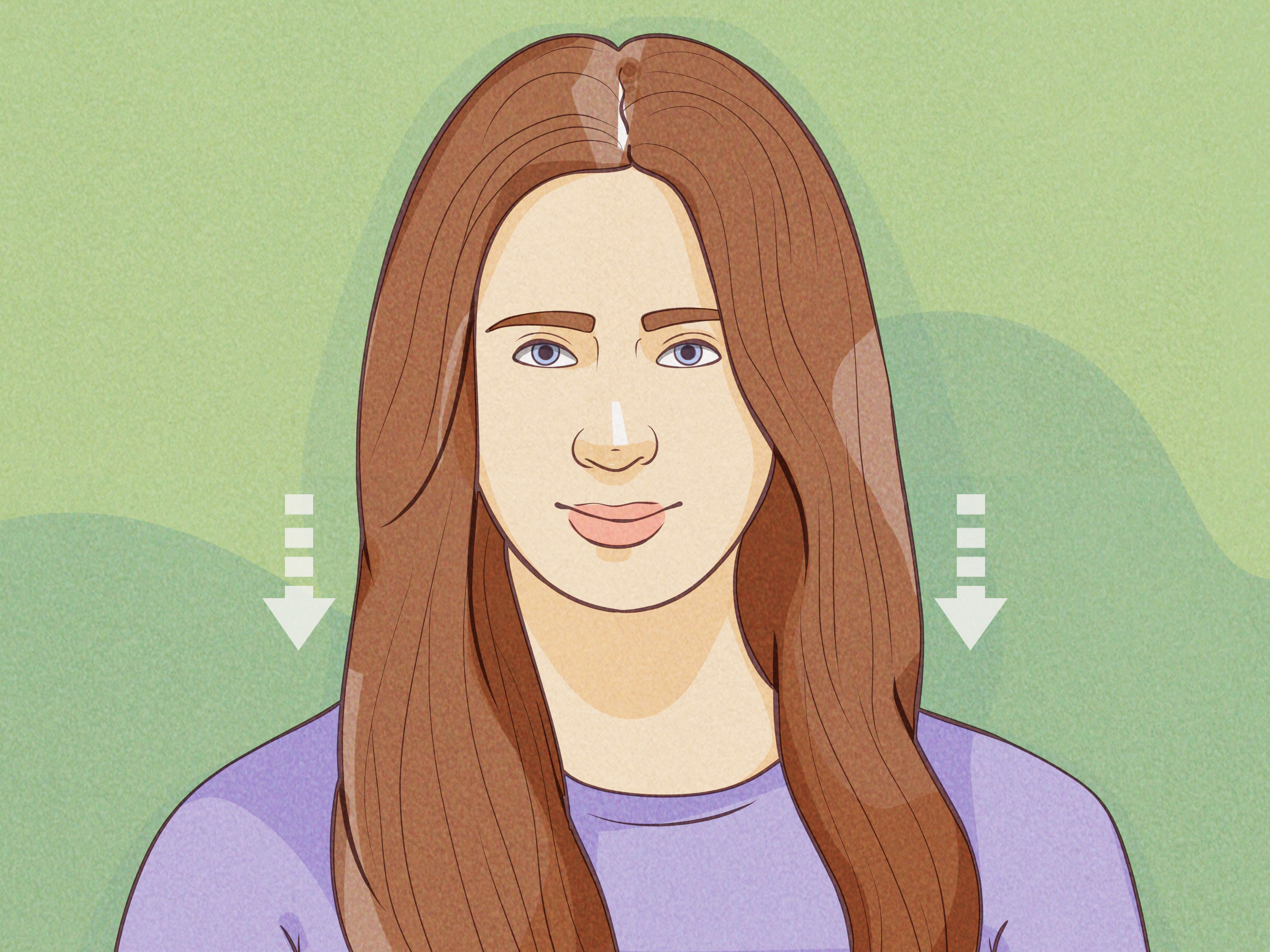
Blow drying curly hair straight sounds simple until the mirror starts giving you the look. One side is sleek, the other side is puffy, the roots are still damp, and the ends are doing interpretive dance. The good news? You do not need salon magic, a secret stylist handshake, or a cabinet full of products named after tropical vacations. You need the right prep, the right tool method, and a little patience.
Curly hair is beautiful because it has shape, spring, and personality. That same shape also means it can be more prone to dryness, frizz, tangles, and uneven drying. Straightening curls with a blow dryer is not about “fighting” your hair. It is about stretching the curl pattern gently while keeping the cuticle smooth, the hair hydrated, and the heat under control. The goal is polished, touchable hairnot strands that feel like they just survived a toaster oven.
This guide breaks down 3 ways to blow dry curly hair straight: the classic round brush blowout, the sleek paddle brush method, and the tension blow-dry method for thicker, tighter curls. Each technique can work beautifully when you start with clean, conditioned, protected hair and dry in organized sections. Let’s make your blow dryer behave like a helpful tool instead of a tiny windstorm with a handle.
Before You Begin: Prep Curly Hair the Right Way
A smooth blowout begins long before the dryer turns on. Prep matters because curly hair often needs extra moisture and gentle handling. If your hair is dry, tangled, or loaded with heavy product, the blow dryer has to work harder. More work usually means more heat, more friction, and more frizz. Nobody invited frizz to this party.
Start with clean, conditioned hair
Wash your hair with a moisturizing shampoo or a gentle cleanser that does not leave your hair feeling stripped. Follow with a rich conditioner, focusing on the mid-lengths and ends. If your curls are coarse, dry, color-treated, or high-porosity, a deep conditioner before blow drying can make the process smoother. Hydrated hair stretches more easily and looks shinier after drying.
Gently remove excess water
Do not rub your hair aggressively with a towel. That creates friction, roughs up the cuticle, and can turn curls into a frizz cloud before you even plug in the dryer. Instead, squeeze out water with a microfiber towel or soft cotton T-shirt. Your hair should be damp, not dripping. If water is running down your neck like you just lost a pool noodle fight, it is too wet for a smooth blowout.
Detangle carefully
Apply a leave-in conditioner or detangling spray, then use your fingers, a wide-tooth comb, or a detangling brush made for curls. Start at the ends and work upward. This prevents snapping and makes every blow-dry pass easier. Trying to straighten tangled curls is like ironing a shirt while it is still in a suitcase. Technically possible? Maybe. Wise? Absolutely not.
Use heat protectant every time
Heat protectant is not optional when you blow dry curly hair straight. Choose a lightweight spray for fine curls or a cream-based protectant for thick, coarse, or very dry curls. Apply it evenly from mid-lengths to ends, then lightly near the roots if needed. The product helps reduce heat stress, smooth flyaways, and improve slip so the brush can glide instead of yank.
Section like you mean it
Clean sections are the difference between a polished blowout and a dramatic arm workout. Divide your hair into four to six sections: bottom, sides, crown, and front. Use clips to keep the rest of the hair out of the way. Smaller sections dry faster, straighten better, and reduce the temptation to blast the same area over and over.
Way 1: The Round Brush Blowout for Smooth Hair with Body
The round brush method is the classic salon blowout technique. It is best for curly hair that you want straight, smooth, and bouncynot pin-straight. This method creates movement at the ends and lift at the roots, so your hair looks styled instead of simply flattened into submission.
Best for
This method works well for loose curls, medium curls, layered hair, shoulder-length hair, and anyone who wants straight hair with volume. It can also work for thicker curls, but you may need smaller sections and more time.
Tools you need
You will need a blow dryer with multiple heat settings, a concentrator nozzle, sectioning clips, heat protectant, and a round brush. A larger round brush creates a smoother, softer bend, while a smaller brush gives more lift and shape. If your hair is very curly or dense, choose a brush with enough tension to stretch the curl without ripping through it.
Step-by-step round brush technique
Start with the bottom section of your hair. Take a small subsection, place the round brush under the roots, and hold the dryer above the hair with the concentrator nozzle attached. Aim the airflow downward from roots to ends. This direction helps smooth the cuticle, which makes hair look shinier and less frizzy.
Move the brush slowly through the section while following with the dryer. Keep steady, gentle tension. You should feel the hair stretch, but it should not hurt. If your scalp is filing a complaint, loosen up. When you reach the ends, roll the brush slightly under or outward depending on the shape you want.
Repeat until the section is completely dry. This is important. If a section is even slightly damp, your curls may shrink back as soon as you step outside or think about humidity. Once the bottom layer is dry, release the next section and continue upward. Save the front pieces and crown for last because they shape the final look.
Pro tips for a better round brush blowout
Use medium heat for most hair types and high airflow rather than blasting the highest heat setting. Concentrate on the roots first because they hold the most moisture and determine whether your hair will lie smooth or puff up. Keep the dryer moving so heat does not sit too long in one spot. Finish each section with the cool-shot button to help set the shape.
If your ends look dry, add a tiny amount of lightweight serum after drying. Tiny means tiny. If you use too much, your fresh blowout can go from “expensive salon finish” to “I accidentally deep-fried my bangs” in under ten seconds.
Way 2: The Paddle Brush Method for a Sleek, Straighter Finish
The paddle brush method is ideal when you want a smoother, straighter result with less bend than a round brush creates. It is also easier for beginners because the brush does not require as much rotation. You simply guide the hair straight while directing airflow downward.
Best for
This method is great for long curly hair, thick waves, soft curls, and anyone who wants a sleek finish without too much volume. It is also helpful if you struggle to coordinate a round brush and dryer at the same time. No shame. Many people have fought that battle and accidentally styled one wrist more than their hair.
Tools you need
Use a paddle brush or flat styling brush, a blow dryer with a concentrator nozzle, clips, and heat protectant. A brush with flexible bristles can be useful for detangling, while a firmer paddle brush provides more tension for stretching curls. Choose the brush based on your hair density and sensitivity.
Step-by-step paddle brush technique
Begin with damp, detangled hair that has already been sectioned. Take a small section from the bottom layer. Place the paddle brush underneath or on top of the section, depending on where you get the best tension. Pull the brush downward slowly while following with the blow dryer. Keep the nozzle pointed in the same direction as the hair shaft.
For extra smoothness, pass the brush through the section from roots to ends, then repeat once or twice until fully dry. Avoid rushing. A slow pass with good tension is better than five frantic passes that blow the hair in every direction. If the section starts to frizz, pause and check your angle. The dryer should not be blasting upward into the hair; it should be smoothing downward.
Work around your head section by section. At the crown, lift the brush slightly at the roots if you want a little volume. Around the face, direct the front pieces away from your face for softness, or downward for a sleeker finish.
How to avoid flat roots
The main risk with the paddle brush method is hair that looks too flat at the scalp. To prevent this, dry the roots first while lifting each section slightly away from your head. You can also switch to a round brush just at the crown and front hairline. This gives the top a little movement while keeping the lengths straight and smooth.
Why the paddle brush method works
A paddle brush spreads tension across a wider area of hair. This makes it useful for elongating curls and creating a clean, sleek shape. It may not create the same bounce as a round brush, but it can produce a straighter finish with fewer styling acrobatics. For many people, that is a fair trade. Your arms deserve peace, too.
Way 3: The Tension Method for Thick, Coily, or Fragile Curls
The tension method is a smart choice for tightly curled, coily, dense, or delicate hair. Instead of dragging a brush through every section from the start, you stretch the hair with your hand or a wide-tooth comb while using warm airflow to elongate the curl pattern. After the hair is mostly dry and stretched, you can refine it with a brush if desired.
Best for
This method is excellent for type 3 and type 4 curls, natural hair, high-density hair, and hair that tangles easily. It is especially useful if you want a stretched blowout before trimming, braiding, protective styling, or lightly straightening. It can also reduce mechanical stress because you are not forcing a brush through very wet curls.
Tools you need
You need a blow dryer with a concentrator nozzle or comb attachment, clips, heat protectant, and optionally a wide-tooth comb or paddle brush for finishing. Some people prefer a blow dryer comb attachment because it stretches and dries at the same time. Others prefer using their hands first for more control and less pulling.
Step-by-step tension method
Section your hair into manageable parts. Take one section, gently stretch it downward with your hand, and aim the dryer along the length of the hair. Keep the dryer moving from roots to ends. Use warm or medium heat, not scorching heat. The goal is to stretch the curl, not roast it like a marshmallow at a chaotic campfire.
Once the section is about 80 to 90 percent dry, you can decide how polished you want the final look. For a fluffy stretched blowout, stop there and move to the next section. For a smoother straight style, follow with a paddle brush or round brush using downward airflow and gentle tension. Because the hair is already stretched, this finishing pass usually takes less time and requires less pulling.
How to protect your ends
The ends are often the oldest and driest part of curly hair. While using the tension method, avoid concentrating heat on the ends for too long. Apply a little extra leave-in or heat protectant there before drying. If your ends feel rough after the blowout, that may be a sign they need more moisture, a trim, or fewer heat-styling sessions.
When to use a comb attachment
A comb attachment can be helpful for thick curls because it keeps the hair stretched while drying. Use it only after detangling thoroughly. Start at the ends and move upward, just like you would with a regular comb. Do not jam the attachment through knots. The dryer is not a bulldozer, and your hair is not a construction site.
How to Choose the Best Method for Your Curl Type
If your curls are loose or wavy, the round brush method may give you the best smoothness and bounce. If your hair is long, dense, or you prefer a straighter finish, try the paddle brush method. If your curls are tight, coily, fragile, or prone to shrinkage, begin with the tension method and refine afterward.
You can also combine methods. Many people use the tension method first, then a paddle brush on the lengths, then a round brush at the front. The best blowout is not about following one rule forever. It is about learning how your hair responds and adjusting the technique. Curly hair has opinions. Listen politely, then style accordingly.
Common Mistakes When Blow Drying Curly Hair Straight
Using too much heat
High heat may feel faster, but it can increase dryness, frizz, and breakage, especially with frequent styling. Use the lowest heat setting that still gets the job done. For many people, medium heat with good tension works better than high heat with chaos.
Skipping the concentrator nozzle
The nozzle matters. Without it, hot air spreads everywhere and roughs up the hair. A concentrator nozzle directs airflow exactly where you need it. That helps smooth the cuticle and gives you more control.
Drying sections that are too large
Big sections may seem faster, but they often stay damp in the middle. Then the hair puffs up later, and suddenly your “finished” blowout has a sequel. Smaller sections create better tension, faster drying, and longer-lasting smoothness.
Stopping before hair is fully dry
Curly hair can revert when moisture remains inside the strand. Make sure every section is dry before moving on. Touch the roots and underneath layers, not just the surface. The top may look done while the hidden layers are quietly planning a comeback.
Overloading products
Too much cream, oil, or serum can make the hair heavy and slow to dry. Start with a modest amount and add more only if needed. Fine curls usually prefer sprays and lightweight lotions. Thick or coarse curls may need creams, but even then, balance is key.
How to Make a Straight Blowout Last Longer
Once your hair is straight, protect it from moisture and friction. Sleep on a silk or satin pillowcase, or wrap your hair in a silk scarf. Avoid steamy showers without covering your hair. Use a shower cap unless you enjoy watching your blowout disappear like a magician with commitment issues.
At night, try wrapping your hair around your head and securing it gently, or loosely tying it in a low ponytail with a soft scrunchie. In the morning, refresh the roots with a cool or warm dryer setting and a brush. If your ends need polish, apply a pea-size amount of serum or lightweight oil.
Dry shampoo can help if your roots become oily, but use it lightly. Too much dry shampoo can make hair dull or stiff. A straight curly-hair blowout should still move. If your hair sounds crunchy, the product has taken over the meeting.
of Real-Life Blowout Experience: What Actually Helps
Anyone who has tried to blow dry curly hair straight at home knows the first attempt can feel like a personal growth exercise disguised as hairstyling. The biggest lesson is that technique beats speed. When people rush, they usually grab huge sections, crank the heat to maximum, and chase frizz around their head. The result is tired arms and hair that looks smooth for approximately four minutes. A better approach is slower, calmer, and more organized.
In real life, the most helpful habit is setting up before you begin. Put your clips, brush, dryer, heat protectant, and finishing serum within reach. Detangle completely. Decide which method you are using before your hair starts drying randomly. Curly hair begins setting into its natural shape as it dries, so if you want a straight blowout, you need to guide it while it is damp. Waiting too long can make the job harder.
Another practical experience: the roots matter more than most beginners think. If the roots are not dry and stretched, the style will not last. You can have glossy ends and still end up with puffy roots by lunchtime. Spend extra time at the root area, especially around the crown, nape, and hairline. These areas hold moisture and often have tighter curl patterns. Use controlled airflow and steady tension rather than randomly shaking the dryer around.
Product amount also makes a huge difference. Many people think more product equals more protection, but too much leave-in or cream can make hair sticky, heavy, and harder to smooth. A better routine is leave-in conditioner for moisture, heat protectant for styling safety, and a small amount of serum at the end if needed. If your brush is sliding through a greasy film, you probably used too much. If your hair feels rough and squeaky, you probably need more moisture before styling.
The tension method is often the most forgiving for thick curls because it reduces the battle between brush and curl. Stretching first, then smoothing, feels easier than trying to force soaking-wet curls straight with a brush. For tight curls, it can also create a fuller, softer straight look instead of a stiff one. If you want a sleeker finish, you can follow with a paddle brush once the hair is mostly dry.
Humidity is the final boss. Even the best blowout can struggle in damp weather. A lightweight anti-humidity spray or smoothing serum can help, but expectations matter. If it is raining, foggy, or wildly humid, consider a softer stretched style instead of fighting for glass-straight hair. Sometimes the smartest beauty move is choosing the style that works with the weather rather than challenging the atmosphere to a duel.
Finally, remember that straightening curly hair should not erase your curl-care routine. After wearing your hair straight, give your curls moisture again. Use a nourishing conditioner, avoid stacking heat day after day, and watch for signs of damage such as rough ends, breakage, dullness, or curls that do not bounce back after washing. A great blowout is fun. Healthy curls are the long game.
Conclusion
Learning how to blow dry curly hair straight is really about three things: preparation, controlled tension, and smart heat use. The round brush method gives you smoothness with bounce. The paddle brush method creates a sleeker, straighter finish. The tension method is a gentle favorite for thick, coily, or fragile curls. Whichever technique you choose, start with hydrated hair, apply heat protectant, work in small sections, aim airflow downward, and finish with cool air.
The best blowout does not punish your curls into place. It stretches, smooths, and styles them with care. With practice, your routine will become faster, your results will become shinier, and your bathroom will feel less like a weather experiment. Curly hair may have a big personality, but with the right blow-dry method, you can enjoy straight hair for a few days while still keeping your curls healthy for their grand return.