

Bringing home an 8 week old puppy is a little like adopting a tiny tornado with paws, a button nose, and absolutely no understanding of your carpet’s emotional value. One minute, your puppy is sleeping like an angel. The next, they are chewing a shoelace, barking at their reflection, and acting deeply offended that dinner is not being served five minutes after breakfast.
The good news? Eight weeks is a wonderful age to begin building healthy habits. Your puppy is old enough to start learning routines, bonding with you, eating solid puppy food, visiting the veterinarian, and exploring the world in safe, carefully managed ways. The not-so-good news? Your puppy is still a baby. Their bladder is tiny, their attention span is short, and their life motto is probably, “Is this edible?”
This guide explains 3 ways to care for an 8 week old puppy: setting up health and nutrition routines, creating a safe training schedule, and building confidence through gentle socialization. Think of it as your puppy survival manual, minus the dramatic music and plus a lot more paper towels.
Way 1: Build a Healthy Foundation With Vet Care, Food, and Sleep
At 8 weeks old, your puppy is growing fast. Their bones, muscles, immune system, brain, and personality are all developing at full speed. This is why the first step in caring for an 8 week old puppy is not buying the cutest sweater, even though the sweater may be dangerously adorable. The first step is creating a healthy foundation.
Schedule the First Veterinary Visit
Your puppy should see a veterinarian soon after coming home, ideally within the first few days. This first appointment gives your vet a chance to check your puppy’s weight, heart, lungs, teeth, ears, eyes, skin, and overall development. It is also the perfect time to discuss vaccinations, parasite prevention, deworming, microchipping, and any breed-specific health concerns.
Most puppies begin their core vaccine series around 6 to 8 weeks of age. Your veterinarian may recommend vaccines for diseases such as distemper, adenovirus, parvovirus, and parainfluenza, often given in a combination shot. Booster vaccines are usually needed every few weeks until the puppy is around 16 weeks old. Rabies vaccination timing depends on state law and your vet’s guidance.
Do not guess your puppy’s vaccine schedule based on internet charts alone. Those charts are useful, but your vet knows your local disease risks, your puppy’s health, and the legal requirements in your area. In other words, Google is helpful, but it cannot listen to your puppy’s heartbeat while your puppy tries to lick the stethoscope.
Feed High-Quality Puppy Food
An 8 week old puppy needs food made specifically for puppies, not adult dogs. Puppy food is designed to support rapid growth with the right balance of calories, protein, fat, vitamins, and minerals. Large-breed puppies may need a large-breed puppy formula to support steady bone growth, so ask your veterinarian which type is best.
Most 8 week old puppies do well with three to four small meals per day. A simple schedule might look like breakfast in the morning, lunch midday, dinner in the early evening, and possibly a small final meal depending on your vet’s advice and your puppy’s size. Small breeds can be more sensitive to long gaps between meals, while larger puppies may be fine with three meals.
Measure the food instead of free-pouring. Puppy eyes are powerful, and they will try to convince you that starvation is occurring roughly nine minutes after lunch. Follow the feeding guide on the food package as a starting point, then adjust with your veterinarian based on body condition, growth, and activity level.
Keep Fresh Water Available
Your puppy should have access to clean, fresh water throughout the day. Some new owners limit water because they are worried about potty accidents, but hydration is essential. Instead of restricting water too much, build a predictable potty schedule and take your puppy outside frequently.
You may pick up the water bowl shortly before bedtime if your veterinarian agrees and your puppy is healthy, but do not withhold water during active daytime hours. Puppies play, grow, nap, and zoom around like furry popcorn. They need water to support all that adorable chaos.
Protect Sleep Like It Is Puppy Gold
Puppies need a lot of sleep. An 8 week old puppy may sleep 18 to 20 hours a day, broken into naps. This is normal. In fact, sleep is when much of that important growth and brain development happens.
Create a quiet sleeping area where your puppy can rest without being constantly handled, chased by children, or entertained like a tiny celebrity. A crate, playpen, or cozy dog bed in a calm corner can work well. The goal is to help your puppy learn that rest time is safe and predictable.
If your puppy gets wild, bitey, and impossible to redirect, they may not be “bad.” They may simply be overtired. Puppies are a bit like toddlers in that way: when they need a nap, they sometimes act like they have joined a tiny wrestling league.
Way 2: Create a Safe Home Routine With Potty Training, Crate Training, and Puppy Proofing
The second major way to care for an 8 week old puppy is to make your home safe and your daily routine predictable. Puppies do not arrive knowing where to potty, what to chew, or why electrical cords are not premium spaghetti. Your job is to guide, prevent, reward, and repeat.
Puppy Proof Every Room They Can Access
Before giving your puppy freedom, get down to puppy level and look around. You will quickly discover a secret world of chewable temptations: cords, socks, shoes, houseplants, trash cans, children’s toys, remote controls, and mysterious crumbs from 2019.
Move dangerous or valuable items out of reach. Cover cords, secure trash bins, store cleaning products safely, and remove small objects that could be swallowed. Some houseplants are toxic to dogs, so check plant safety before allowing access. Baby gates and exercise pens are excellent tools for limiting your puppy’s space while they learn.
Freedom should be earned gradually. At 8 weeks old, your puppy should not roam the entire house unsupervised. Too much freedom leads to accidents, chewing, and confusion. A smaller, well-managed space helps your puppy succeed.
Start Potty Training Immediately
Potty training an 8 week old puppy requires patience, consistency, and the emotional strength to celebrate outdoor pee like your puppy just won a national award. Take your puppy outside often: after waking, after eating, after drinking, after playing, after naps, and before bedtime.
A young puppy has limited bladder control. Accidents are normal, especially during the first weeks. Instead of scolding, focus on prevention and reward. Choose one potty area outside and take your puppy there on leash. Use a simple cue like “go potty.” When your puppy finishes, praise calmly and offer a small treat right away.
If nothing happens after a few minutes, bring your puppy back inside and supervise closely. Try again soon. If an accident happens indoors, clean it with an enzymatic cleaner designed for pet messes. Regular cleaners may remove the stain for your nose but leave enough scent for your puppy to think, “Ah yes, the bathroom corner.”
Use a Simple Daily Schedule
Puppies learn faster when life feels predictable. A basic routine helps with potty training, feeding, sleeping, and behavior. Your schedule does not need to be military-level precise, but it should have a rhythm.
For example, your morning might include a potty break, breakfast, another potty break, gentle play, a short training session, and then a nap. After the nap, go outside again. Repeat this cycle throughout the day. The pattern teaches your puppy what comes next and reduces anxiety.
Consistency also helps humans. When you know your puppy usually needs to potty after meals and naps, you can prevent accidents instead of discovering them with your sock. Nobody wants the sock discovery method.
Introduce Crate Training Positively
A crate can be a helpful tool when introduced kindly. It should never be used as punishment. Instead, make it a comfortable den where your puppy can nap, relax, and feel secure.
Choose a crate that is large enough for your puppy to stand, turn around, and lie down, but not so large that one end becomes a bathroom. Add soft bedding if your puppy does not chew or soil it. Place the crate in a calm but not isolated area of the home.
Start by tossing treats near the crate, then inside the crate. Feed meals near or inside it. Let your puppy explore with the door open. Gradually close the door for short periods while your puppy is calm, then let them out before panic builds. The goal is to teach, “This is my cozy bedroom,” not “I have been abandoned in a tiny jail.”
Teach Bite Inhibition Gently
At 8 weeks old, puppies explore with their mouths. They bite hands, sleeves, hair, shoelaces, and occasionally the air because it looked suspicious. Mouthing is normal, but your puppy needs to learn that human skin is delicate.
When your puppy bites too hard, stop play briefly and redirect to a toy. Keep chew toys nearby in every puppy area. Praise your puppy when they chew the right items. Avoid rough hand play, because it teaches your puppy that fingers are toys with opinions.
If your puppy becomes overstimulated, offer a nap. Many biting episodes come from excitement or tiredness. Calm management works better than yelling, which often makes puppies more excited or confused.
Way 3: Socialize Safely and Begin Gentle Training
The third way to care for an 8 week old puppy is to help them learn about the world. Socialization does not mean throwing your puppy into every dog park, sidewalk, and family barbecue before they are fully vaccinated. It means giving them positive, safe exposure to people, sounds, surfaces, handling, and controlled environments.
Understand the Socialization Window
The early weeks of puppyhood are a key time for learning. Puppies are often more open to new experiences before they reach about 12 to 14 weeks of age. Positive exposure during this stage can help reduce fear later in life.
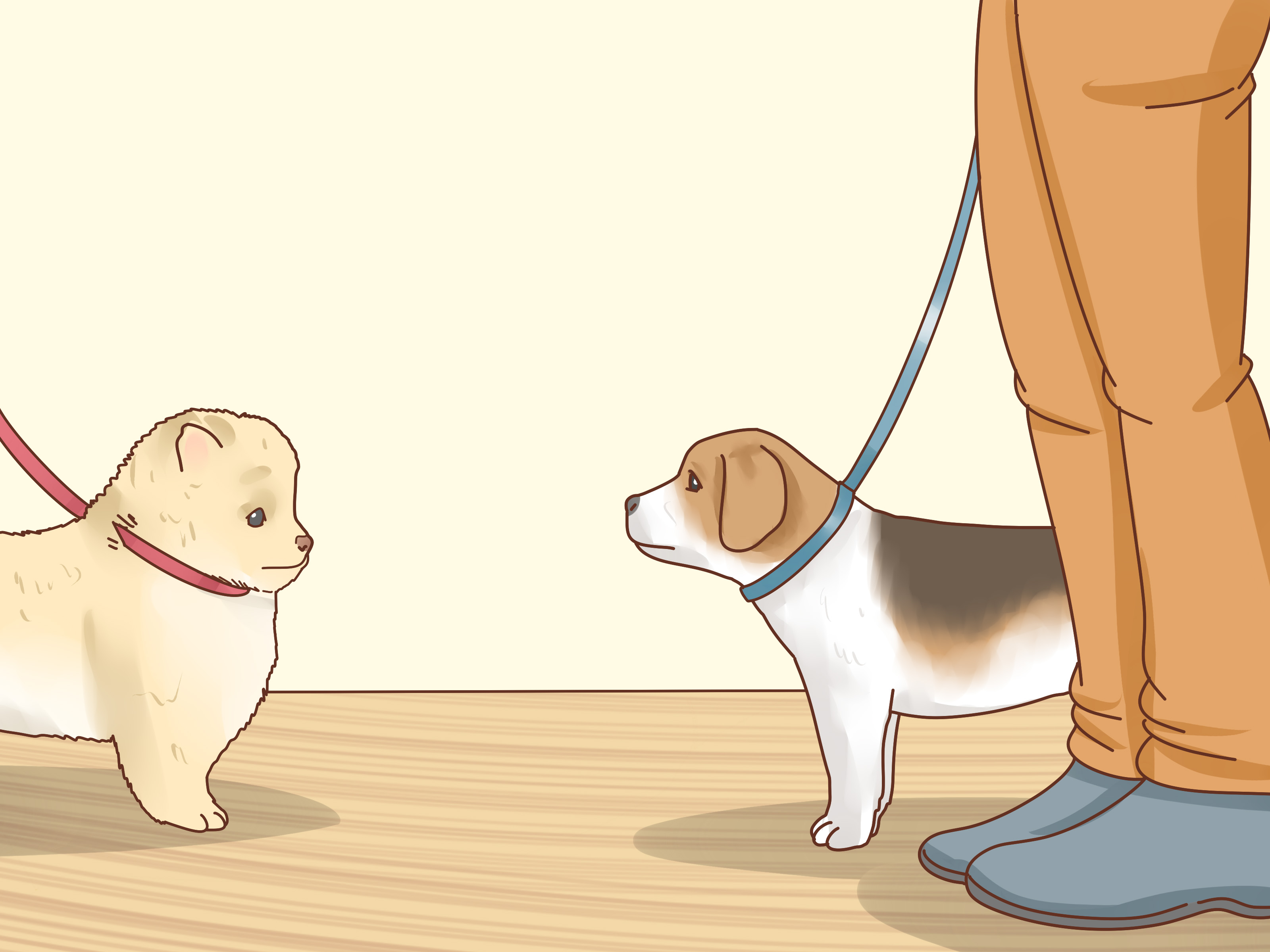
However, your puppy is not fully vaccinated yet. That means you need balance. Avoid high-risk public places where unknown dogs may have been, such as dog parks, busy pet store floors, and public grass areas with heavy dog traffic. Instead, choose safer options: visiting a friend with a healthy vaccinated dog, carrying your puppy through a calm neighborhood, sitting in the car near a school pickup line, or attending a well-run puppy class that requires vaccines and cleaning protocols.
Good socialization is not about overwhelming your puppy. It is about creating little “that was nice” moments. If your puppy looks scared, increase distance, lower the intensity, and reward calm behavior.
Introduce People Kindly
Let your puppy meet different types of people in gentle ways: adults, calm children, people wearing hats, people with umbrellas, people with different voices, and visitors who know not to squeal like they just saw a celebrity. Keep interactions short and positive.
Ask people to let your puppy approach instead of reaching over their head. Many puppies feel safer sniffing first. Offer treats during introductions. If your puppy backs away, do not force contact. Confidence grows when puppies learn they have choices.
Practice Handling Every Day
Your puppy will need grooming, nail trims, tooth brushing, vet exams, ear checks, and maybe the occasional bath after an unfortunate mud decision. Start handling practice early.
Touch your puppy’s paws, ears, tail, collar, and mouth gently for a second or two, then reward. Keep sessions short and cheerful. The point is not to wrestle your puppy into cooperation; it is to teach them that handling predicts good things.
This tiny routine can make future vet visits and grooming appointments much easier. Your future self will thank you, probably while holding a toothbrush and wondering how one puppy got peanut butter on the wall.
Teach Simple Commands With Rewards
An 8 week old puppy can begin learning basic cues, but training should be short, fun, and reward-based. Start with simple skills such as name recognition, “sit,” “come,” and “touch.” Use small treats, praise, and toys.
Keep sessions to one to three minutes. Puppies learn best in tiny lessons repeated throughout the day. Ask for one behavior, reward quickly, and stop before your puppy loses interest. Training should feel like a game, not a college lecture with fur.
Never punish your puppy for not understanding. They are not being stubborn; they are learning a new language. Clear cues, good timing, and patience will get you much further than frustration.
Encourage Calm Alone Time
Puppies need bonding, but they also need to learn that being alone for short periods is safe. Start with tiny separations. Place your puppy in a crate or playpen with a safe chew while you step nearby for a moment. Return calmly before your puppy becomes very upset.
Gradually increase the time as your puppy adjusts. Avoid making departures and returns dramatic. If every goodbye sounds like a tragic movie scene, your puppy may decide alone time is a very big deal. Calm routines help your puppy feel secure.
Common Mistakes to Avoid With an 8 Week Old Puppy
Even loving owners make mistakes. Puppies are confusing. They come with no instruction manual, only paws and opinions. Here are common errors to avoid.
Giving Too Much Freedom Too Soon
A puppy loose in the whole house is not “learning independence.” They are probably finding a laundry basket and making artistic choices. Use gates, crates, and pens until your puppy earns more freedom through reliable potty habits and chewing behavior.
Expecting Overnight Potty Success
Some puppies improve quickly, but most need weeks or months to become reliable. Accidents do not mean failure. They mean your puppy is young, your timing needs adjustment, or the routine is not clear yet.
Skipping Socialization Because Vaccines Are Not Finished
It is important to avoid disease risk, but total isolation can also create behavior problems. Talk with your veterinarian about safe socialization options in your area. The goal is smart exposure, not risky exposure.
Using Punishment Instead of Teaching
Yelling, nose-rubbing, or harsh corrections can frighten a young puppy and damage trust. Reward what you want, redirect what you do not want, and manage the environment so your puppy can make better choices.
Essential Supplies for an 8 Week Old Puppy
You do not need to buy the entire pet store. Your puppy does not require a luxury wardrobe, a personalized toy chest, or a bed more expensive than your couch. Start with practical basics:
- High-quality puppy food recommended by your vet
- Food and water bowls
- Adjustable collar or harness
- Lightweight leash
- Crate or puppy playpen
- Safe chew toys
- Enzymatic cleaner for accidents
- Puppy-safe grooming brush
- Nail trimmers or grinder
- Training treats
- Veterinary records folder
Choose toys made for puppies and inspect them regularly. Remove anything broken, sharp, or small enough to swallow. Puppies are professional product testers, and their testing method is usually “destroy with enthusiasm.”
Sample Daily Routine for an 8 Week Old Puppy
Every household is different, but this sample routine can help you structure the day:
- 6:30 a.m. Wake up and go outside for potty.
- 6:45 a.m. Breakfast.
- 7:00 a.m. Potty break again.
- 7:15 a.m. Gentle play and short training.
- 8:00 a.m. Nap in crate or pen.
- 10:00 a.m. Potty break, socialization activity, or handling practice.
- 12:00 p.m. Lunch, then potty break.
- 1:00 p.m. Nap.
- 3:00 p.m. Potty, play, chew time, and training.
- 5:30 p.m. Dinner, then potty break.
- 7:00 p.m. Calm family time and supervised play.
- 9:30 p.m. Final potty break and bedtime routine.
Nighttime potty needs vary. Some 8 week old puppies need one overnight potty break. Keep it boring: outside, potty, quiet praise, back to bed. This is not the time for a midnight party, even if your puppy strongly votes yes.
Real-Life Experiences: What Caring for an 8 Week Old Puppy Actually Feels Like
Reading puppy advice is helpful, but living with an 8 week old puppy is where the real education begins. The first few days often feel like a mix of joy, confusion, and wondering how something so small can require so many towels. Many new owners imagine a peaceful scene: puppy naps, sweet cuddles, maybe a little training. Then reality arrives wearing tiny paws and chewing the corner of a rug.
One of the biggest experiences new puppy owners share is the surprise of how often puppies need to go outside. You may take your puppy out, celebrate success, come back in, and then five minutes later see the famous sniff-and-circle move. That is not your puppy being sneaky. At 8 weeks old, bladder control is still developing. The owners who make the fastest progress are usually the ones who stop waiting for obvious signs and start using a schedule. They take the puppy out after every nap, meal, drink, and play session. It feels excessive at first, but it works.
Another common experience is the evening “puppy monster” phase. Around sunset, many puppies suddenly become bitey, jumpy, and dramatic. They may attack slippers, bark at chair legs, or sprint across the room as if chased by invisible squirrels. New owners often assume the puppy needs more play, but sometimes the opposite is true. The puppy is overtired. A calm potty break followed by a nap can work better than another round of play.
Crate training also teaches patience. Some puppies walk into the crate happily on day one. Others act like you have suggested they move into a cave guarded by dragons. The best results usually come from slow, positive introductions. Toss treats inside. Feed meals near the crate. Let the puppy explore without pressure. Over time, many puppies begin choosing the crate for naps because it feels safe and familiar.
Socialization brings its own lessons. A puppy may be brave with the vacuum but suspicious of a mailbox. They may adore one visitor and hide from another wearing a hat. This is normal. The goal is not to force bravery. The goal is to let the puppy observe, pair new things with treats, and build confidence step by step. A puppy carried through a quiet neighborhood, rewarded for hearing traffic, or gently introduced to a calm vaccinated dog is learning that the world is interesting, not terrifying.
Owners also learn that consistency matters more than perfection. You will not follow the schedule perfectly every day. You may miss a potty cue. You may accidentally leave a sock within reach and discover your puppy proudly carrying it like a trophy. That does not mean you are failing. Puppy care is a process of adjusting, learning, and laughing when possible.
The most rewarding experience comes when tiny habits start to click. Your puppy sits before meals. They run to the door after waking. They settle in the crate with a chew. They hear their name and look at you with bright, trusting eyes. These moments are small, but they are the foundation of a lifelong bond.
Caring for an 8 week old puppy is not always neat, quiet, or convenient. It is early mornings, frequent potty trips, soft naps, sharp baby teeth, and a lot of repetition. But with patience, structure, and kindness, your puppy begins to understand the worldand you begin to understand them. That is where the magic happens, somewhere between the training treats and the laundry pile.
Conclusion: Caring for an 8 Week Old Puppy Starts With Simple, Loving Consistency
The best way to care for an 8 week old puppy is to focus on three big priorities: health, routine, and positive learning. Start with veterinary care, vaccines, quality puppy food, fresh water, and plenty of sleep. Then create a safe home with puppy proofing, potty training, crate training, and a predictable daily rhythm. Finally, introduce your puppy to the world through safe socialization, gentle handling, and short reward-based training sessions.
Your puppy does not need perfection. They need patience, kindness, structure, and someone willing to cheer for outdoor potty success like it is an Olympic sport. With steady care, your 8 week old puppy will grow into a confident, healthy, well-loved dogand yes, eventually your socks may be safe again.