

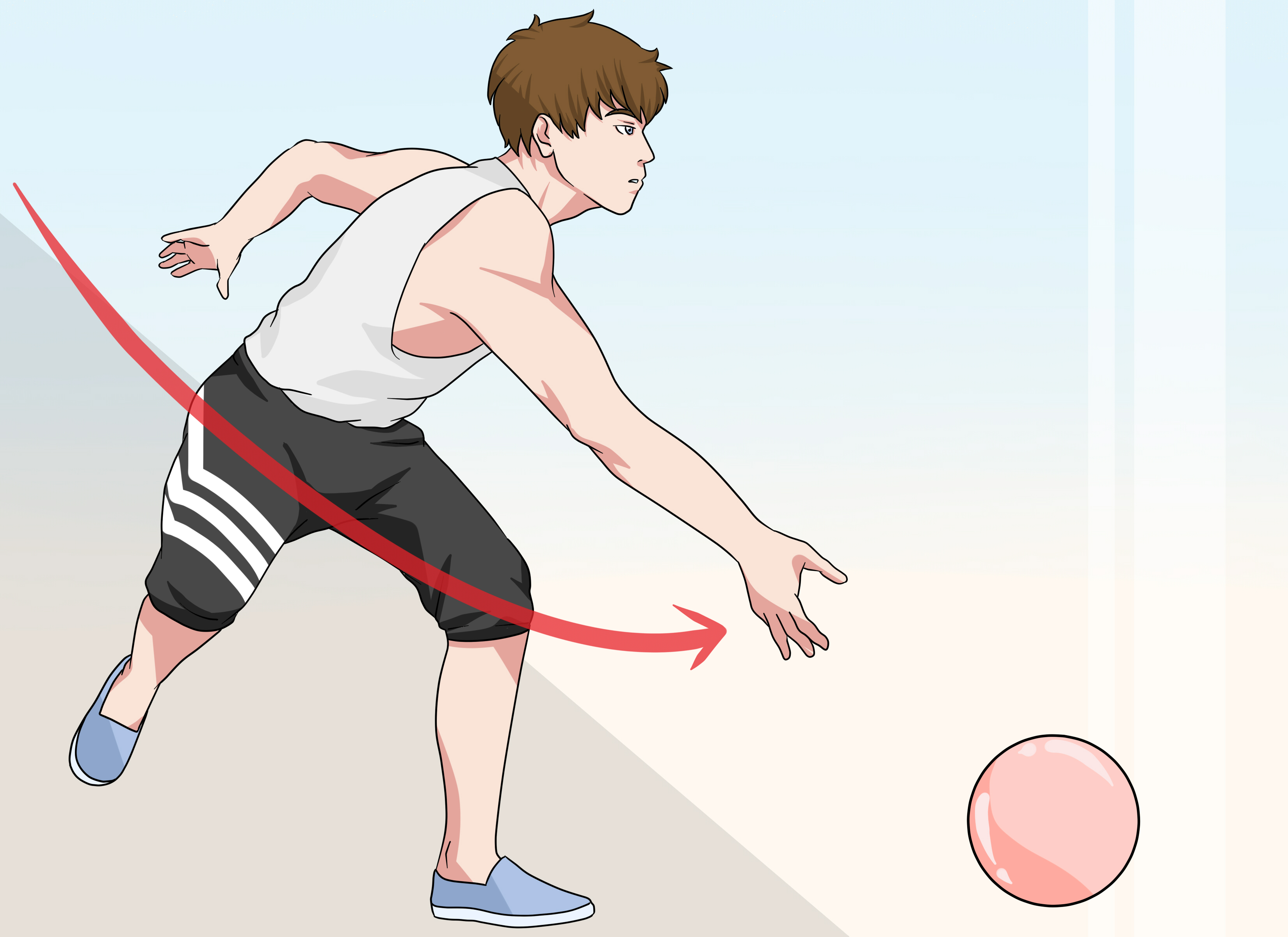
Learning how to hold a bowling ball sounds simple until you stand on the approach, look down the lane, and realize the ball suddenly feels like a polished boulder with commitment issues. The good news? Bowling grip is not magic. It is a mix of comfort, fit, finger placement, wrist position, and knowing what kind of roll you want.
Whether you are using a house ball on Friday night, joining your first league, or finally wondering why your friend’s ball curves like it has GPS, the way you hold a bowling ball matters. Your grip affects control, release, spin, hook potential, accuracy, and even whether your hand feels fresh or cranky after a few games.
This guide breaks down the three most common ways to hold a bowling ball: the conventional grip, the fingertip grip, and the semi-fingertip grip. Each one has a purpose. Each one fits a different type of bowler. And yes, each one can help you avoid the classic beginner mistake: squeezing the ball like it owes you money.
Why the Way You Hold a Bowling Ball Matters
A good bowling grip creates a clean, repeatable release. When your fingers, thumb, wrist, and palm work together, the ball leaves your hand smoothly instead of dropping early, sticking late, or wobbling down the lane like it just woke up from a nap.
The right grip can help you:
- Control the direction of the ball
- Improve accuracy and consistency
- Create more or less hook depending on your goal
- Reduce unnecessary hand, wrist, and forearm strain
- Build confidence during your approach and release
Most bowlers use the middle finger, ring finger, and thumb to hold the ball. The thumb usually goes fully into the thumbhole, while the middle and ring fingers go into the two finger holes at different depths depending on the grip style. A relaxed, secure hold is the goal. Tightness is not strength; it is usually a warning sign that the ball does not fit correctly.
Before You Choose a Grip: Start With Ball Fit
Before discussing the three ways to hold a bowling ball, let’s talk about the ball itself. A perfect grip on the wrong ball is like wearing dress shoes two sizes too small and blaming your walking technique. Fit matters.
Choose a Ball You Can Control
A common guideline is to choose a bowling ball around 10 percent of your body weight, but control is more important than math. If a ball is too heavy, you may drop your shoulder, twist your wrist, or muscle the swing. If it is too light, you may overthrow it and lose rhythm. The best ball is heavy enough to roll with authority but light enough that you can swing it smoothly without strain.
Check the Finger Holes
Your fingers should slide in and out without sticking. If the holes are too tight, your release can become late and uncomfortable. If they are too loose, you may squeeze to keep the ball in your hand. That squeezing can ruin your timing and make your fingers feel like they attended a tiny wrestling match.
Check the Span
The span is the distance between the thumbhole and finger holes. If the span is too short, your hand may feel cramped. If it is too long, your fingers and wrist may stretch uncomfortably. House balls are drilled for general use, not your specific hand, so they may never feel perfect. If you bowl regularly, a properly fitted ball from a pro shop can make a huge difference.
1. The Conventional Grip: Best for Beginners and Straight Shots
The conventional grip is the most common way beginners learn to hold a bowling ball. It is also the grip used on most house balls at bowling centers. If you are new to bowling, this is usually the best place to start because it gives you maximum control and a stable feeling in the hand.
How to Hold the Ball With a Conventional Grip
- Place your thumb fully into the thumbhole.
- Insert your middle and ring fingers into the finger holes up to the second knuckle.
- Let your palm rest comfortably against the surface of the ball.
- Support the ball with your non-bowling hand while standing and during the early approach.
- Keep your wrist straight and relaxed, not bent backward or locked stiff.
Because your fingers go deeper into the ball, the conventional grip feels secure. It is forgiving, easy to learn, and helpful for bowlers who want to roll the ball straighter. It is also a smart grip for kids, casual players, and anyone who wants accuracy before spin.
When the Conventional Grip Works Best
Use the conventional grip when you want a simple, controlled release. It is ideal for beginners learning footwork, arm swing, targeting, and lane awareness. It is also useful for spare shooting because a straighter roll can make it easier to aim at single pins.
The trade-off is lower hook potential. Because your fingers are inserted deeper, you get less leverage at release. The ball usually rolls with fewer revolutions, which means less curve. That is not a bad thing. A straight ball that hits your target is far better than a wild hook that visits three lanes before reaching the pins.
Common Conventional Grip Mistakes
The biggest mistake is squeezing. New bowlers often squeeze the thumb and fingers because they fear dropping the ball. A better solution is to choose a ball with a comfortable fit and use your opposite hand to support the ball before the swing. During the release, let the ball roll off your hand instead of forcing it out.
Another common mistake is placing the ball too far in front of the body. Start with the ball near your bowling-side hip or slightly to the side of your body. This helps your arm swing stay straighter and more natural.
2. The Fingertip Grip: Best for Hook and More Rev Rate
The fingertip grip is popular with league bowlers and players who want to create more hook. Unlike the conventional grip, only the fingertips go into the finger holes. This gives your fingers more leverage at the release, which can increase rotation and help the ball curve into the pocket.
How to Hold the Ball With a Fingertip Grip
- Place your thumb fully into the thumbhole.
- Insert your middle and ring fingers only to the first knuckle.
- Keep your grip pressure light but secure.
- Support the ball with your opposite hand before the swing begins.
- Keep your wrist firm enough to support the ball, but not so tense that your release becomes jerky.
The fingertip grip can feel strange at first because less of your finger is inside the ball. That is normal. You may feel like the ball is less secure, especially if you are moving from a house ball to a custom-drilled performance ball. With the right fit, however, the ball should stay in your hand without a death grip.
Why the Fingertip Grip Creates More Hook
In a smooth release, the thumb exits first, then the fingers lift and rotate through the ball. Since the fingers are only inserted to the first knuckle, they can apply more leverage as the ball leaves the hand. This can increase revolutions and create a stronger hook shape.
For many bowlers, the fingertip grip is the gateway to a more advanced game. It allows you to play angles, adjust to lane oil conditions, and create better entry angle into the pins. In plain English: it gives the ball a better chance to hit the pocket with attitude.
When the Fingertip Grip Works Best
The fingertip grip is best for bowlers who already have basic control and want to improve hook, power, and pin action. It is especially useful with a custom-drilled ball because the fit must be precise. If the span, hole size, or pitch is off, the grip may feel uncomfortable or inconsistent.
This grip is not always ideal for brand-new bowlers. It requires more hand awareness and a smoother release. If you are still learning how to walk and swing without drifting sideways like a shopping cart with one bad wheel, spend time with the conventional grip first.
Common Fingertip Grip Mistakes
One mistake is trying to force hook with the wrist. Hook should come from proper release timing, finger rotation, and ball motionnot from violently twisting your hand. Over-rotating can strain the wrist and make the ball miss the target.
Another mistake is using a ball that does not fit. A fingertip grip demands a clean thumb exit and secure finger feel. If your thumb sticks, your timing suffers. If your fingers are too loose, you squeeze. A pro shop can adjust inserts, thumbhole size, tape, and span so the ball feels secure without tension.
3. The Semi-Fingertip Grip: The Middle Ground
The semi-fingertip grip sits between the conventional grip and the fingertip grip. It is less common than the other two, but it can be useful for bowlers who want more release potential than a conventional grip without jumping fully into a fingertip setup.
How to Hold the Ball With a Semi-Fingertip Grip
- Place your thumb fully into the thumbhole.
- Insert your middle and ring fingers slightly past the first knuckle but not all the way to the second.
- Keep your palm close enough to support the ball comfortably.
- Maintain light, steady pressure with the fingers.
- Release the ball smoothly, allowing the fingers to guide rotation naturally.
This grip gives you a blend of control and hook potential. You get more finger leverage than a conventional grip but more security than a full fingertip grip. For some bowlers, it feels like the “just right” optionbasically the Goldilocks grip, but with rented shoes.
When the Semi-Fingertip Grip Works Best
The semi-fingertip grip can be helpful for intermediate bowlers who are learning to hook the ball but are not comfortable with a full fingertip grip. It may also suit bowlers who want a smoother transition from house-ball bowling to custom equipment.
It is not always the first recommendation for advanced players, but it can be effective for certain hand shapes, comfort needs, and playing styles. Grip choice is personal. The best grip is the one that lets you repeat shots without pain, panic, or surprise ball launches.
Common Semi-Fingertip Grip Mistakes
The main mistake is assuming this grip automatically fixes release problems. It does not. You still need a balanced stance, relaxed swing, proper timing, and a clean thumb exit. The semi-fingertip grip gives you a different feel, but your mechanics still do the heavy lifting.
Another mistake is using vague finger placement. Because this grip falls between two styles, small changes in drilling and fit matter. If you want to use it seriously, work with a pro shop rather than guessing with a random house ball.
How to Pick the Right Bowling Ball Grip for You
Choosing between the three bowling ball grips depends on your experience, goals, comfort, and equipment. There is no universal “best” grip. There is only the grip that helps you bowl better right now.
Choose the Conventional Grip If…
- You are new to bowling
- You mostly use house balls
- You want a straighter shot
- You care more about control than hook
- You want a comfortable, stable hold
Choose the Fingertip Grip If…
- You bowl regularly
- You have or plan to buy a custom-drilled ball
- You want more hook potential
- You are learning release technique
- You want more revolutions and entry angle
Choose the Semi-Fingertip Grip If…
- You want a balance between control and spin
- You are transitioning from conventional to fingertip
- A full fingertip grip feels too aggressive
- You want a customized middle-ground feel
- You are experimenting with release comfort
Grip Pressure: Hold the Ball, Do Not Strangle It
One of the most important bowling tips is also one of the easiest to ignore: do not grip too tightly. The ball should feel secure, but your hand should not be tense. Excessive grip pressure can cause late release, poor accuracy, wrist strain, and inconsistent ball motion.
Think of your grip like holding a small bird. Firm enough that it does not fly away, gentle enough that you are not starring in a bowling-themed horror movie. The thumb should exit cleanly, and the fingers should guide the ball through the release.
Hand and Wrist Position Tips
Your grip style matters, but your hand position matters too. A straight wrist helps keep the ball stable. A relaxed hand behind the ball supports a straighter roll. A slight handshake position can help create side rotation and hook. A cupped wrist can create more power, but it also requires strength and timing.
For most recreational bowlers, the best starting point is simple: keep the wrist firm but relaxed, the hand behind the ball, and the swing smooth. Learn control first. Add hook later. Bowling is much more enjoyable when the ball goes where you aimed instead of making its own travel plans.
Safety Tips for Holding and Picking Up a Bowling Ball
Before you even put your fingers into the holes, pick up the ball safely. Use both hands on the sides of the ball when lifting it from the ball return. Avoid grabbing it with fingers already inside the holes while other balls are nearby. That can lead to pinched fingers, and nobody wants their game interrupted by a ball return ambush.
Also, avoid bowling with a ball that is too heavy, holes that are painfully tight, or a span that stretches your hand. If your wrist, fingers, elbow, or shoulder start hurting, stop and rest. Bowling is supposed to be fun, not a weekly meeting with ice packs.
Practice Drill: Feel the Difference Between Grips
Here is a simple way to understand the three grip styles:
- Use a light ball first so you can focus on feel.
- Try the conventional grip and roll a straight shot at your target arrow.
- Try a fingertip-style feel if the ball fits safely and notice how the release changes.
- Try a semi-fingertip position only if the holes allow it comfortably.
- Compare comfort, control, release timing, and ball motion.
Do not force your fingers into positions the ball was not drilled for. House balls are usually made for conventional grip, so experimenting has limits. If you want to seriously compare grip styles, ask a pro shop professional. They can measure your hand and explain what grip fits your game.
Experience Notes: What These 3 Bowling Grips Feel Like in Real Life
The first time many bowlers use a conventional grip, it feels safe and predictable. That is why it works so well for beginners. Your fingers sit deeper in the ball, your hand feels connected, and the release does not require fancy timing. In real play, this grip is great when you are trying to keep the ball on line, hit a spare, or avoid sending it directly into the gutter with the confidence of a doomed bowling comet.
From experience, the conventional grip also teaches patience. Because the ball usually hooks less, you learn how to aim at arrows, keep your swing straight, and repeat the same motion. Those fundamentals matter later. Bowlers who skip them often chase hook before they can control direction. That is like buying racing tires before learning how to park.
The fingertip grip feels very different. At first, it may feel less secure because only the fingertips are in the ball. Many bowlers instinctively squeeze, which is exactly what they should not do. After a few practice sessions with a properly fitted ball, however, the fingertip grip starts to make sense. The ball comes off the hand cleaner. The fingers feel more involved. The roll looks stronger. When timed well, the ball seems to turn the corner with purpose instead of politely drifting into the pins.
The biggest lesson with the fingertip grip is trust. You have to trust the fit, trust the swing, and trust that the ball will not fall off your hand too early. Once that trust develops, the release becomes smoother. You stop grabbing at the ball and start letting it roll. That is when hook becomes controlled instead of chaotic.
The semi-fingertip grip feels like a bridge. It gives more release action than conventional but does not feel as exposed as fingertip. For bowlers transitioning into more advanced technique, it can be a comfortable stepping stone. It may not create as much hook as a full fingertip grip, but it offers a nice blend of security and leverage.
In actual games, grip comfort often decides confidence. When the ball feels right in your hand, your approach becomes calmer. You stop thinking about whether your thumb will stick or your fingers will slip. You can focus on your target, timing, and follow-through. That mental comfort matters. Bowling is already full of distractions: noisy lanes, flashing scoreboards, nachos, and one friend who celebrates a seven-count like they won a championship.
A practical tip from the lanes: pay attention to your hand after each game. If your thumb is red, your fingers ache, or your wrist feels tired in a sharp way, do not ignore it. Some fatigue is normal, especially when learning, but pain usually means the fit, weight, or technique needs adjustment. A good grip should help you bowl longer and better, not make your hand file a complaint.
Another useful experience is to practice with purpose. Spend one game focusing only on relaxed grip pressure. Spend another aiming at the same arrow every shot. Spend another noticing whether your thumb exits before your fingers. These small details build consistency faster than simply throwing harder. Power is fun, but control is what makes the scoreboard look less like a random number generator.
Ultimately, the best way to hold a bowling ball is the way that gives you comfort, control, and a repeatable release. Beginners should not feel embarrassed using a conventional grip. Advanced bowlers should not assume fingertip grip fixes every problem. And curious bowlers should not overlook the semi-fingertip grip if it suits their hand and goals. Bowling rewards experimentation, but it rewards smart experimentation even more.
Conclusion
There are three main ways to hold a bowling ball: conventional grip, fingertip grip, and semi-fingertip grip. The conventional grip is stable and beginner-friendly. The fingertip grip creates more hook and release power for bowlers ready to advance. The semi-fingertip grip offers a useful middle ground for players who want both control and added rotation.
No matter which grip you choose, remember the basics: use a ball that fits, avoid squeezing, support the ball with your opposite hand, keep your wrist steady, and practice a smooth release. A better grip will not turn you into a pro overnight, but it will make every shot feel more controlled, more comfortable, and a lot less like a negotiation with gravity.
Note: This article is based on real bowling grip, ball-fit, release, and safety guidance from reputable bowling education, coaching, equipment, and sports medicine resources. It is written for general learning and web publication.