

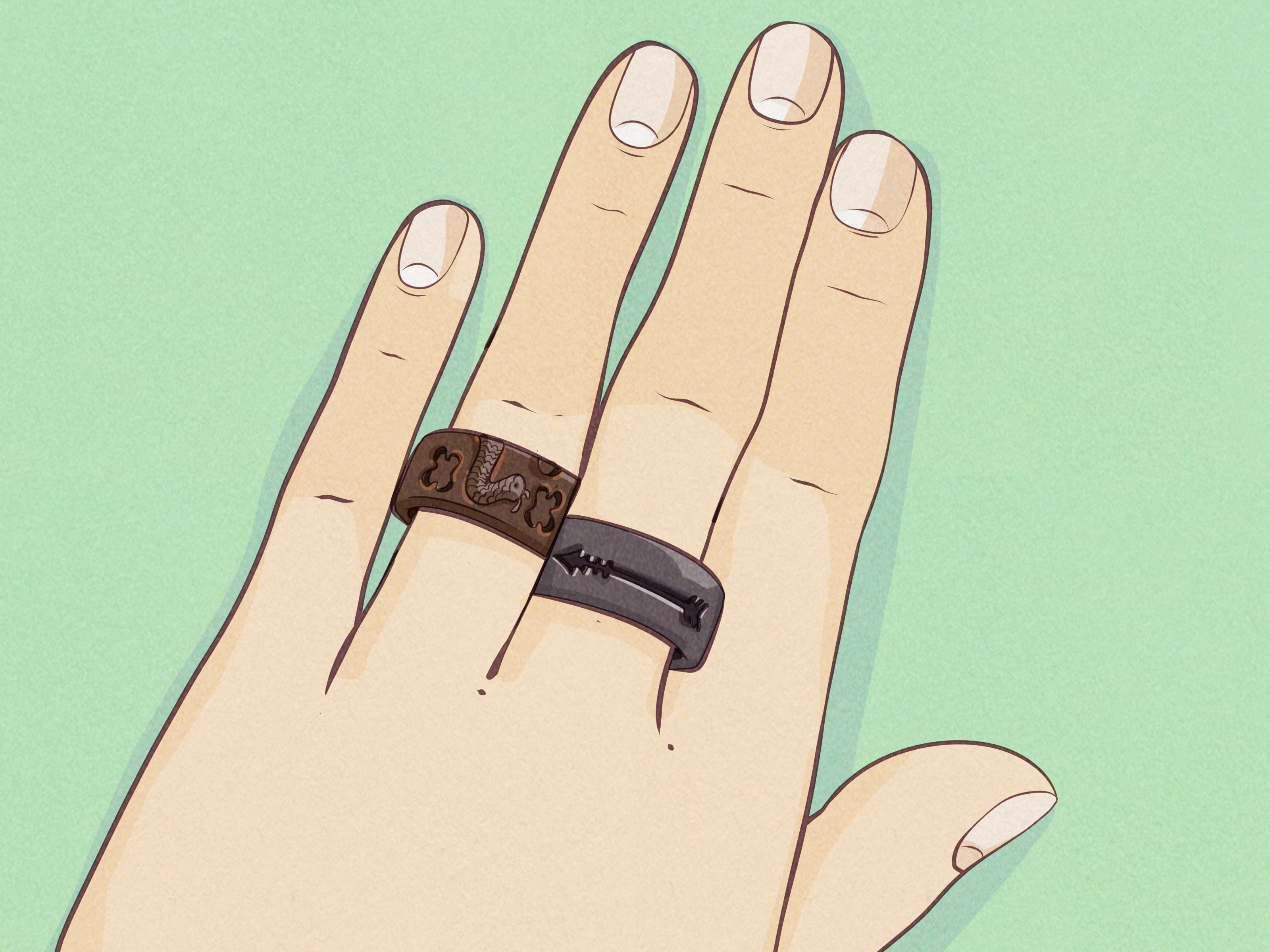
A favorite ring should make your hand look polished, not as though your finger has been moonlighting as the Statue of Liberty. Yet many people remove a ring and discover a green band underneath it. Fortunately, that mark is usually a cosmetic nuisance rather than a dangerous reaction.
The discoloration most often appears when copper in a ring reacts with oxygen, moisture, sweat, skin oils, lotions, soap residue, or household chemicals. Copper is obvious in brass and bronze, but it may also be blended into sterling silver and gold alloys to improve strength or color.
You may not need to retire the ring. A protective barrier, better wearing habits, or a different metal can often prevent green stains. Here are three practical approaches, plus advice for cleaning your jewelry and recognizing a possible allergy.
Why Does a Ring Turn Your Finger Green?
Pure precious metals are often too soft for everyday jewelry, so manufacturers mix them with stronger metals. Sterling silver is typically 92.5% silver and 7.5% other metals, frequently copper. Gold jewelry is also alloyed because pure 24-karat gold bends and scratches easily.
When copper-containing jewelry rests against warm, damp skin, the metal can react with air, perspiration, salt, acids, cosmetics, and cleaners. Green copper compounds then transfer to the finger. Heat and humidity can accelerate the process, which is why a ring may behave perfectly in winter but leave a mark during summer.
Green Stain or Metal Allergy?
A flat green mark that washes away with mild soap and water is usually surface discoloration. An allergic reaction is different. Nickel and other metals can trigger contact dermatitis, causing itching, redness, bumps, swelling, cracked skin, or blisters. Stop wearing the ring if the skin is sore or inflamed, and seek medical advice if symptoms are severe or persistent.
Way 1: Create a Barrier Between the Ring and Your Skin
The fastest solution is to prevent reactive metal from touching your finger. A thin transparent coating inside the band can act as a temporary shield, especially on inexpensive copper, brass, plated, or costume rings.
Apply a Thin Coat of Clear Nail Polish
Clean the ring and dry it completely. Paint a very thin layer of clear nail polish only on the inner band and lower edges that touch the skin. Let it cure fully before wearing the ring. A rushed, tacky coating will collect lint and turn a simple jewelry fix into an unfortunate craft project.
Friction, sweat, and handwashing gradually wear the coating away. Inspect it often and reapply when you see chips or exposed metal. Remove loose old polish before adding another layer so the ring does not become uneven or uncomfortably tight.
Try a Jewelry Barrier Product
Commercial jewelry shields are made for metal accessories and may feel smoother or last longer than nail polish. Follow the label directions, work in a ventilated area, and allow the coating to cure for the recommended time.
Know When a DIY Coating Is a Bad Idea
Do not casually coat valuable, antique, engraved, professionally plated, or heirloom jewelry. Solvents can alter finishes, settle into details, and complicate repairs. Porous gemstones such as opal, turquoise, pearl, coral, and amber also require special care. Ask a reputable jeweler whether an important ring should be professionally replated, refinished, or coated.
A barrier treats contact rather than the underlying metal. If it fails constantly or the ring is worn every day, changing the metal or restoring the finish may be more practical.
Way 2: Keep the Ring Clean, Dry, and Away from Chemicals
Moisture is the accomplice in most green-finger incidents. Perspiration, lotion, sunscreen, soap, salt, and chlorine can speed up the reaction. Reducing exposure may solve the problem even without a coating.
Remove the Ring Before Wet or Messy Activities
Take it off before showering, swimming, washing dishes, gardening, exercising, or using household cleaners. Chlorine and bleach can damage alloys or plated finishes, while sweat and salt water encourage residue buildup. Removing rings during exercise also prevents them from catching on equipment, which is considerably worse than discovering a green circle later.
Let Lotions and Other Products Dry First
Hand cream, sunscreen, perfume, sanitizer residue, makeup, and hair products can collect beneath a band. Apply products first, let them absorb or evaporate, and then put on the ring. After washing your hands, dry the finger and the underside of the band instead of trapping water beneath it.
Clean the Ring Gently
For a plain metal ring without fragile stones, use lukewarm water, mild soap, and a soft cloth or soft-bristled brush. Clean the inner band, rinse in a bowl or glass rather than over an open drain, and dry the piece completely.
Cleaning requirements vary by gemstone, setting, plating, and treatment. Steam cleaners, ultrasonic machines, abrasive toothpaste, baking soda, ammonia, bleach, and harsh silver dips are not universally safe. They may loosen stones, scratch metal, remove plating, or damage porous gems. Ask the seller or a jeweler how to clean rings containing pearls, opals, turquoise, emeralds, glued pieces, vintage settings, or unknown materials.
Store It in a Dry Place
Wipe the ring with a clean soft cloth after wearing it. Store it separately in a pouch or lined compartment so it stays dry and does not rub against harder jewelry. Sterling silver benefits from an anti-tarnish bag or cloth. A humid bathroom counter is convenient, but it is not a jewelry spa.
Way 3: Choose a Ring Metal Less Likely to Discolor Skin
For a ring worn every day, choosing a better-suited metal is often the most reliable long-term answer. Temporary coatings chip, and careful routines require consistency. The right material reduces the reaction at its source.
Consider Platinum, Titanium, Niobium, or Carefully Selected Gold
Platinum resists tarnish and is widely used for durable fine jewelry, although it is expensive and can develop scratches. Titanium is lightweight, strong, and corrosion-resistant. Niobium is another corrosion-resistant option often chosen by people with metal sensitivities, though it is less common in traditional ring styles.
Higher-karat yellow gold may contain less reactive alloy metal than lower-karat gold, but karat does not reveal the complete recipe. Rose gold contains copper for its warm color and may stain some wearers. White gold may contain nickel or have rhodium plating. Ask the jeweler for the actual alloy composition rather than relying on the color or marketing label.
Ask Questions About Sterling Silver and Stainless Steel
Sterling silver normally contains copper and may tarnish or discolor skin depending on humidity, care, and individual skin chemistry. Tarnish-resistant sterling alloys can help, but no jewelry is completely maintenance-free.
Stainless steel is often marketed as hypoallergenic, yet some grades contain nickel. Many people wear it comfortably, but anyone with a known nickel allergy should ask for the specific grade and composition. “Hypoallergenic” is a useful clue, not a complete ingredient list.
Replate a Favorite Ring
If the finish on a sentimental ring has worn away, a jeweler may be able to restore it. Rhodium plating is commonly used on white-gold jewelry and can reduce contact with the underlying alloy while renewing the bright surface. Because plating wears fastest on the bottom of a ring, periodic maintenance may be needed.
A jeweler can also check for corrosion, loose stones, damaged prongs, and exposed base metal. Professional inspection is worthwhile when the ring is valuable, delicate, or associated with recurring irritation.
How to Remove a Green Ring Stain
Remove the ring and wash your finger with lukewarm water and a gentle, fragrance-free soap. Dry the skin well and leave the ring off until the area feels normal. Avoid scrubbing with lemon juice, bleach, acetone, or other harsh chemicals; they can irritate the skin more than the original stain.
If the mark remains but does not hurt or itch, wash normally and give it time. Burning, swelling, blisters, cracks, drainage, or a spreading rash may indicate dermatitis rather than simple discoloration. Stop wearing the ring and seek medical guidance when needed.
Real-World Experiences: What Everyday Ring Wear Teaches You
The most useful jewelry lessons often come from ordinary routines. Consider three familiar situations: a brass fashion ring, a sterling silver band worn daily, and a sentimental plated ring that has begun revealing its base metal.
Experience One: The Fashion Ring That Behaves Until Summer
A brass ring may look perfect during a cool week. Then a humid day arrives, the wearer applies sunscreen and spends several hours with warm moisture trapped beneath the band. By evening, a green circle appears. The ring did not suddenly become “fake”; the environment simply made the copper reaction more noticeable.
After cleaning and drying the ring, a thin jewelry barrier can make occasional wear manageable. Timing matters, too. The ring should go on after lotion and sunscreen have dried and come off before exercise, swimming, showering, or washing dishes. A fashion ring can handle a dinner date more gracefully than a sweaty workout followed by a chlorinated hot tub.
Experience Two: The Sterling Silver Ring That Needs a Routine
A sterling silver ring may leave no mark for days, then react after repeated handwashing, a warm commute, or exposure to cleaning products. A close look at the inner band often reveals a film of soap, lotion, and tarnish. Gentle cleaning and complete drying can improve the situation immediately.
Over the next week, the wearer removes the ring before doing dishes and exercising, wipes it after use, and stores it in an anti-tarnish pouch. Green marks become less frequent. The lesson is that tarnish does not automatically mean a sterling ring is defective. It is an alloy responding to moisture and chemicals, and a modest care routine can make a visible difference.
Experience Three: The Sentimental Ring with Worn Plating
A beloved plated ring presents a different problem. Clear polish may hide exposed metal briefly, but it chips because the ring is worn every day. The underside looks dull, and warmer-colored metal appears along the edges. Recoating it every few days becomes inconvenient and may create a lumpy finish.
Professional inspection is the better choice. A jeweler can identify the metal, examine the setting, and explain whether replating is worthwhile. The service costs more than clear polish, but it protects the piece more appropriately and creates a smoother surface. With emotionally or financially valuable jewelry, the cheapest immediate fix is not always the best long-term solution.
The Lesson from All Three Experiences
Different rings call for different strategies. An occasional costume ring may be ideal for a temporary barrier. A daily sterling silver band may respond to cleaning and dry wearing habits. A valuable or sentimental ring deserves professional restoration or a thoughtful metal upgrade.
Watch for patterns. Does the stain appear after exercise, during hot weather, after hand cream, or only when a coating wears thin? A simple one-week wear log can reveal the trigger quickly. Your finger is not being dramatic; it is providing data in a shade usually reserved for cartoon aliens.
Final Thoughts
To keep a ring from turning your finger green, create a safe barrier on inexpensive jewelry, keep the ring clean and dry, or choose a less reactive metal for daily wear. Avoid sweat, lotions, chlorine, and harsh chemicals when possible, and clean the inner band before residue builds up.
Most green marks are removable stains caused by copper-containing alloys. Itching, bumps, swelling, cracking, or blisters suggest irritation or allergy and should not be ignored. For valuable or delicate jewelry, let a professional recommend refinishing or replating instead of experimenting with household products.