

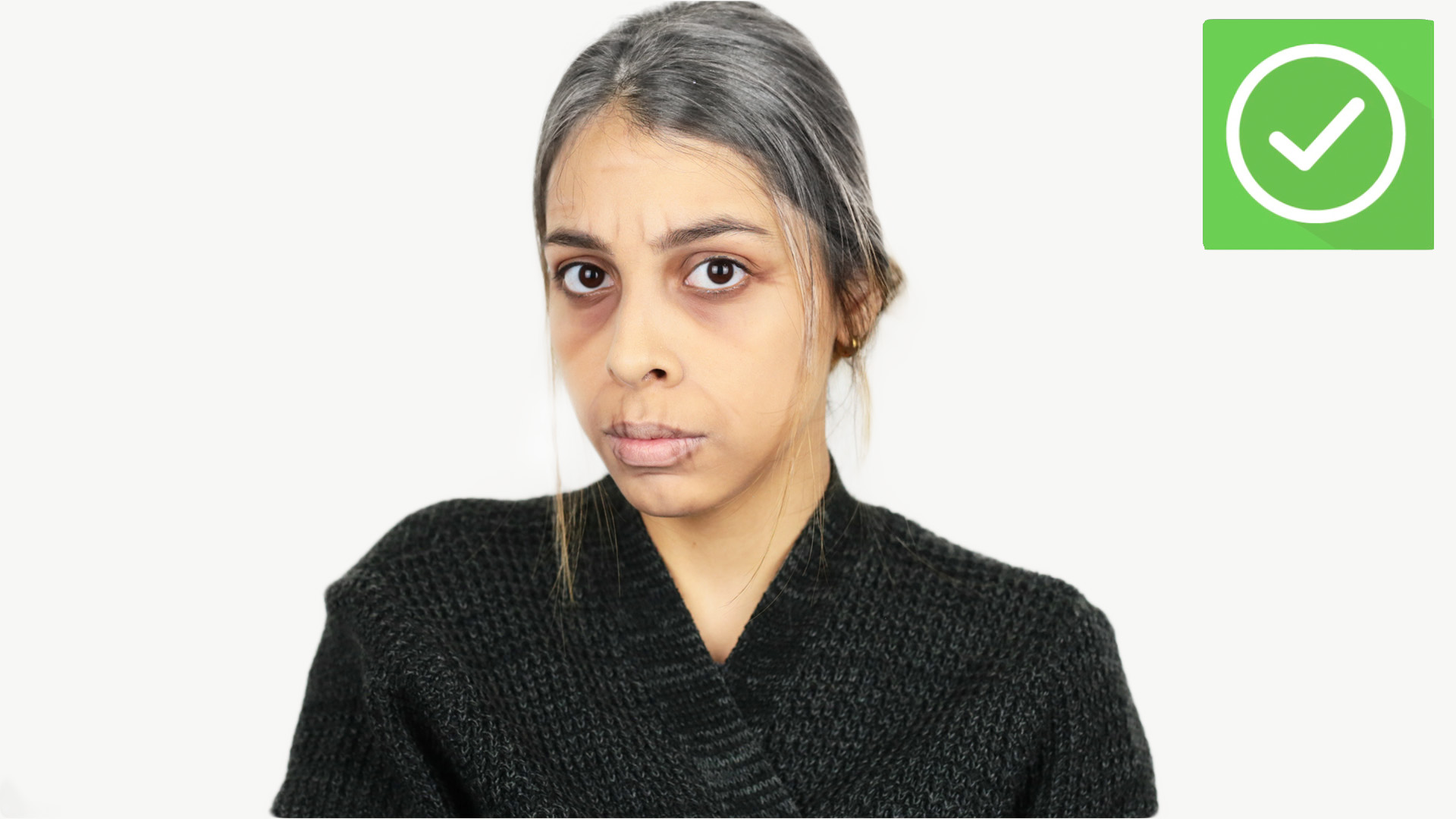
Note: This article is written for a playful Halloween costume and encourages a respectful, not mocking, take on older-adult style.
Halloween is the one night a year when your face can become a canvas, your closet can become a time machine, and your local thrift store can suddenly feel like a costume designer’s secret vault. If you want to look like an elderly person for Halloween, the goal is not to throw on a gray wig and call it a day. The real magic happens when makeup, clothing, hair, and attitude all work together like a very organized bingo team.
The best version of this costume is detailed, funny in a lighthearted way, and surprisingly convincing from across the room and up close. It should feel more like a character transformation than a lazy gag. In other words, think “wow, that looks good” instead of “ah yes, someone attacked their face with brown eyeliner and false confidence.”
Below are three smart, effective ways to pull off the look. You can use just one method if you are short on time, combine two if you want a stronger transformation, or go full Halloween overachiever and do all three. That last option is how you end up winning “best costume” and confusing at least one person at the snack table.
Why This Halloween Costume Works So Well
An elderly-person Halloween costume works because people recognize age cues fast. A few believable wrinkles, softened facial structure, gray hair, classic layers, sensible accessories, and slower body language can completely change your appearance. The trick is subtlety. Real aging is made of texture, contrast, shape, and styling, not cartoonish lines scribbled across your forehead like you lost a fight with a marker.
That is also why this costume can be budget-friendly. You do not need a movie-studio prosthetics team or a suitcase full of specialty products. With a little planning, a few drugstore basics, and some thrifted clothing, you can build a look that is convincing, comfortable, and genuinely fun to wear all night.
1. Use Makeup to Create Realistic Age, Texture, and Dimension
Start With a Clean Face and a Calm Plan
Before you reach for makeup, decide what kind of elderly character you want to create. Are you going for a sweet grandmother in a cardigan? A retired professor with dramatic eyebrows and strong opinions about crossword puzzles? A stylish older gentleman who somehow still looks cooler than everyone else in the room? Your character will help you choose how deep the wrinkles should be, how polished the final look feels, and whether your makeup should read “elegant,” “tired,” “stern,” or “warm.”
Next, prep your skin. Smooth, hydrated skin makes the makeup sit better, and a primer helps everything grip and last longer. For Halloween makeup, this matters a lot. Nobody wants their cheek wrinkles sliding south before the first candy bowl appears. Once your skin is ready, apply a base that matches or slightly adjusts your complexion. Keep it even, but not overly glowy. A soft matte or natural finish usually works best for aging makeup because it lets the shadows and highlights do the heavy lifting.
Think in Shadows and Highlights, Not Just Wrinkles
This is the secret that takes an old-age makeup look from “cute effort” to “wait, how did you do that?” Aging makeup is less about drawing lines and more about creating the illusion of structure. Use a contour shade a little deeper than your skin tone to hollow the temples, define the eye sockets, soften the cheeks, shape the sides of the nose, and add gentle shadow around the jawline and neck. Then use a lighter shade to bring forward areas like the tops of the cheekbones, the brow bone, and parts of the chin.
Why does this matter? Because real faces age in dimension. Skin thins, cheeks shift, and light hits the face differently. If you only draw brown lines where you think wrinkles go, you may end up looking less like an elderly person and more like a haunted notebook.
Once the shape is there, add wrinkle lines with a light hand. Smile, squint, raise your brows, and look in the mirror. Your face will show you where natural expression lines already live. Trace those areas softly: forehead creases, crow’s-feet, smile lines, lines around the mouth, and light neck folds. Blend every line. Then add a tiny highlight just below or beside some lines so they look raised and real. That contrast is what sells the illusion.
Add Details That Make the Look Believable
Now comes the fun part: the tiny details that make people lean in and say, “Okay, that is actually impressive.” Lightly tap on age spots with muted brown tones. Add a faint bluish vein near the temples or neck if you want more realism. Dust a little powder around the mouth and under the eyes to create a softly dried texture. Use lip color strategically. A muted rose, berry, or neutral lip can make the character feel neat and put-together, while a duller lip can make the look more tired or old-fashioned.
If you want the effect to last all evening, set cream products with powder, then finish with setting spray. Halloween parties are warm, dancing exists, and your costume should survive at least one awkward group selfie and two rounds of cider.
The 10-Minute Beginner Version
If you are short on time, skip the advanced texture work and focus on three places: forehead lines, smile lines, and the hollows under the cheekbones. Add a little gray to the brows, powder everything down, and suddenly you are not just yourself in different clothes. You are a person who probably owns at least three tins of hard candy and a strong opinion about the thermostat.
2. Let the Outfit and Accessories Do Half the Work
Choose a Clear Character Silhouette
Clothing can transform a face with almost no effort. The easiest path is to choose a recognizable older-character silhouette. For a grandmother-style costume, think cardigan, floral dress or skirt, blouse, pearls, soft sweater, low heels or loafers, and reading glasses. For a grandfather-style costume, think slacks, suspenders, button-up shirt, sweater vest, loafers, and maybe a cap or classic jacket. If you want something more stylish, go for vintage-inspired layers, structured outerwear, polished shoes, and a smart handbag or walking umbrella.
The point is not to dress “badly.” It is to dress with intention. Layering helps. Texture helps. Structure helps. Even a brooch, a tucked-in blouse, or a neatly buttoned cardigan can make the whole costume read faster than a sign that says, “Hello, I am old now.”
Shop Your Closet Before You Shop the Internet
This costume is a gold medal event for thrift stores, family closets, and forgotten storage bins. Oversized sweaters, patterned skirts, slacks, scarves, sensible shoes, costume jewelry, and old eyeglass frames are all useful. Borrow carefully, of course. You want Halloween compliments, not a family investigation.
If you do go thrifting, focus on fabrics and shapes instead of exact pieces. A cardigan with texture looks more believable than a random “old-timey” costume from a plastic bag. A real handbag beats a cheap prop purse every time. And if you find a pair of oversized glasses that make you look like you grade papers in red ink for fun, congratulations: you have struck costume gold.
Use Accessories for Storytelling
The best accessories say something about your character. Carry a knitting bag, a crossword puzzle, a library tote, gardening gloves, a recipe box, or a vintage magazine. Add a brooch, a scarf, or a chain for reading glasses. For a more polished character, use gloves, a structured coat, or a classy hat. For a cozy character, use slippers, a shawl, or a giant tote stuffed with imaginary butterscotch candies.
One helpful rule: do not make mobility or medical devices the joke. If you use a cane, let it fit the character naturally rather than turning it into a punchline. A respectful costume is still a fun costume, and honestly, it usually looks smarter too.
3. Finish the Transformation With Hair, Posture, and Personality
Gray Hair Changes Everything
If makeup is the brain of this costume, hair is the loud, persuasive publicist. Gray or white hair instantly signals age. You can use a wig, hair chalk, temporary color spray, or root cover-up spray, depending on what you have and how committed you feel. Focus the gray at the temples, roots, front hairline, and brows first. That usually reads more natural than blasting your entire head white like a winter lawn ornament.
Style matters too. A neat bun, soft curls, rollers-inspired volume, a combed-back side part, or a tidy silver bob can push the costume from generic to memorable. If your hairstyle looks intentional, the entire costume looks more expensive.
Adjust Your Body Language Without Overacting
Now for the secret sauce: movement. You do not need to hunch like a folding chair or shuffle like you are in a silent film. Just soften your pace. Take smaller steps. Sit with more care. Turn your head a little slower. Let your hands rest in your lap or clasp around your bag. These tiny changes make a huge difference.
And please, keep it respectful. You are creating a Halloween character, not mocking real people. The funniest costumes usually come from personality anyway, not stereotypes. A dry one-liner, a warm smile, a dramatic gasp at loud music, or a constant offer of “Have you eaten yet?” can make the whole look charming instead of mean.
Give Your Character One Memorable Quirk
Maybe your elderly Halloween character is obsessed with handing out mints. Maybe they compliment everyone’s shoes. Maybe they keep asking where the good cheese went. Maybe they tell suspiciously detailed stories that begin with, “Back in my day…” A single recurring joke brings the costume to life. Suddenly, you are not just wearing an outfit. You are a whole vibe.
Common Mistakes to Avoid
- Drawing thick, dark wrinkle lines without blending them.
- Ignoring highlights and relying only on contour.
- Using too much gray spray and turning your hair stiff or chalky.
- Choosing costume pieces that are random instead of character-driven.
- Forgetting powder or setting spray and watching the entire illusion melt by 8:30 p.m.
- Using stereotypes as the whole costume instead of building an actual personality.
Extra Experiences: What Happens When You Actually Wear This Costume
One of the most entertaining things about this Halloween idea is how quickly people react to it when the details come together. A person can walk into a party wearing ordinary clothes and a little gray spray and get a polite smile. But a person who walks in with softly aged makeup, a thoughtfully layered outfit, reading glasses on a chain, and the energy of someone who has absolutely had enough of modern nonsense? That person gets attention immediately.
People notice the little things first. It might be the way the temples are shaded, or the way the hair is silver at the roots instead of looking like it was dunked in flour. It might be the cardigan buttoned all the way up, or the pearls, or the loafers that somehow complete the entire story. The best reactions usually happen when someone takes a second look and realizes the costume is not loud at all. It is just smart. That kind of costume has staying power because it feels clever instead of chaotic.
There is also a funny confidence boost that comes with this transformation. When you are dressed as an elderly character, people expect you to commit. And once you commit, the costume becomes easier to wear. You start adjusting your glasses before you speak. You smooth your sweater for no reason. You carry a handbag like it contains emergency peppermints and several opinions. Suddenly, the costume is doing half the acting for you. You are not trying harder; you are just responding to what the outfit suggests.
Another common experience is realizing that less is often more. Many first attempts go too hard on the wrinkles. The forehead ends up looking like a road map, the cheeks are shaded into another dimension, and the whole face starts drifting into “haunted raisin” territory. But the most convincing versions usually use restraint. Soft contour, careful highlights, a few strategic lines, and realistic hair styling create a much stronger illusion than painting every inch of skin. Halloween makeup loves drama, but old-age makeup loves control.
Clothing creates its own surprises too. A simple floral blouse may feel silly on the hanger, but once it is paired with a cardigan, skirt, glasses, and a calm hairstyle, it makes sense immediately. The same goes for suspenders, sweater vests, loafers, or a vintage purse. Pieces that seem ordinary on their own suddenly become costume powerhouses when layered together. That is why thrift-store trips for this costume can get weirdly exciting. You are not shopping anymore. You are casting a character.
And then there is the social side of the costume. This look is a great conversation starter because it invites interaction. People ask how you did your makeup. They ask where you found the clothes. They laugh when you stay in character for a beat too long. It is not a costume that depends on shock value or expensive props. It works because it is recognizable, detailed, and playful. In a room full of devils, witches, vampires, and people dressed as vague internet references, a well-done elderly-person costume often stands out precisely because it feels original again.
The final lesson most people learn from wearing this costume is simple: respect makes it better. When the look comes from observation, styling, and technique instead of cheap jokes, it feels sharper and more fun. You end up with a Halloween character people enjoy, not one they cringe at. And that is the sweet spotcreative, convincing, funny, and memorable, with just enough gray hair to make strangers trust your life advice for no good reason.
Conclusion
If you want to look like an elderly person for Halloween, do not settle for a lazy wig-and-hope strategy. Build believable age with makeup, choose clothing that tells a story, and finish the transformation with hair, posture, and a little character work. That is how you go from “person in costume” to “fully committed Halloween legend.”
The good news is that this look can be as simple or as detailed as you want. You can create a fast version in twenty minutes or a polished version worthy of a costume contest. Just keep the approach thoughtful, the styling intentional, and the humor kind. Then go forth, adjust your glasses dramatically, and ask everyone whether the music has to be quite so loud.