

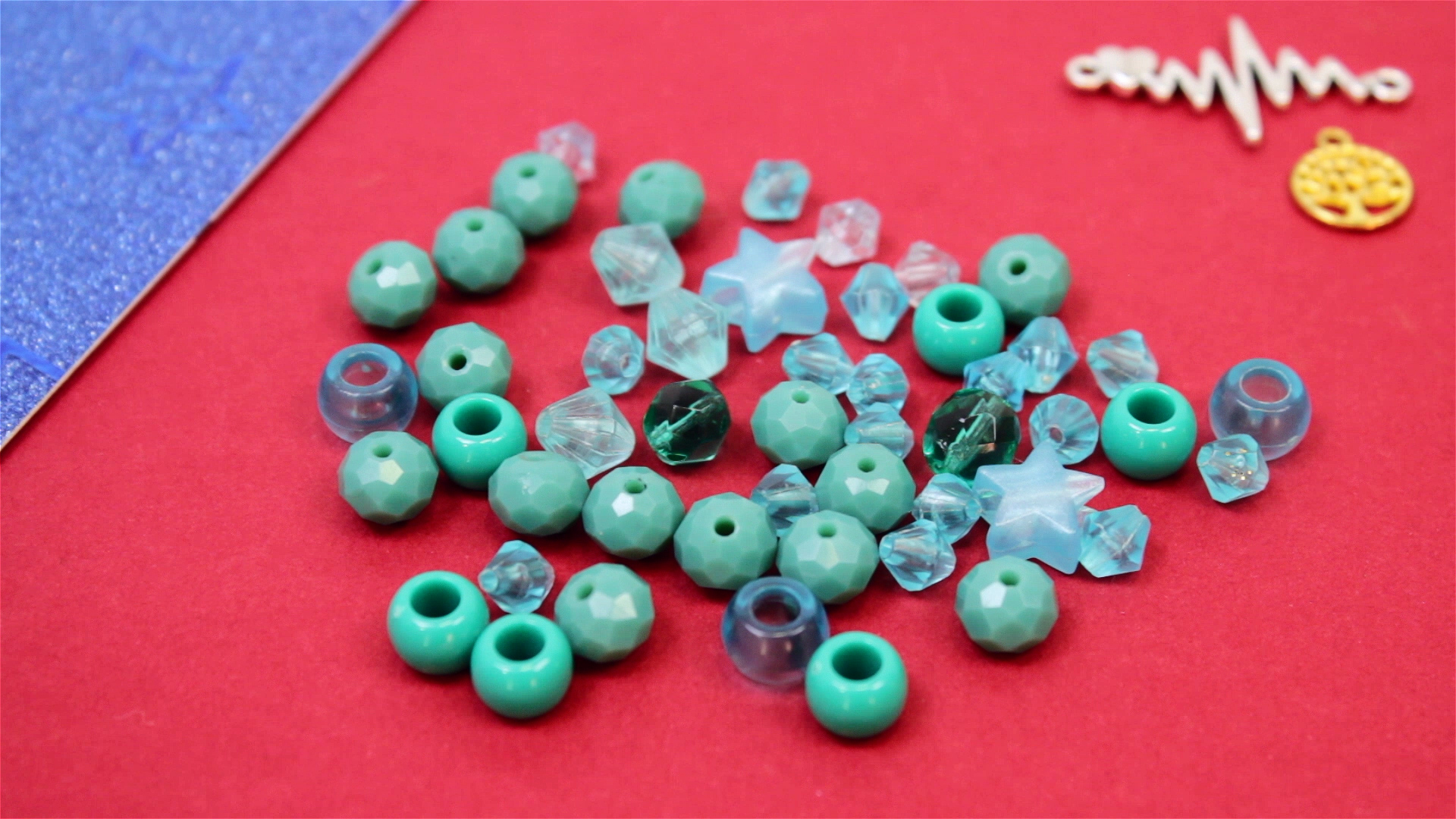
Note: This article is original, web-ready content based on real necklace-making methods, beginner jewelry techniques, and practical crafting experience.
Making a necklace sounds like something that requires a mysterious studio, a jeweler’s magnifying glass, and the calm hands of someone who has never spilled coffee on a worktable. Good news: it does not. With a few basic supplies, a little patience, and a willingness to chase one runaway bead across the floor, you can create a necklace that looks personal, polished, and far more expensive than it actually was.
Whether you want a colorful beaded necklace, a simple pendant necklace, or a relaxed cord necklace with a boho feel, the process is easier when you understand the structure. A necklace is not just “stuff on a string.” It is a small design system: length, balance, materials, clasp, texture, color, and comfort all work together. Choose those well, and even a beginner DIY necklace can look like something from a boutique display rather than the bottom of a craft drawer.
Below are three reliable ways to make a necklace at home. Each method uses accessible materials, beginner-friendly tools, and practical finishing techniques. No tiny jewelry elves required.
Before You Start: Basic Necklace-Making Supplies
Most DIY necklace projects start with the same small toolbox. You do not need to buy an entire craft aisle, although the craft aisle will absolutely try to make eye contact with you.
Helpful tools
- Chain-nose pliers for gripping jump rings, crimps, and small findings
- Round-nose pliers for making loops in wire
- Wire cutters or flush cutters for trimming jewelry wire and chain
- Crimping pliers for a cleaner, stronger beaded necklace finish
- Bead board or towel to keep beads from rolling away like they have appointments
- Ruler or measuring tape to plan the finished necklace length
Common necklace parts
- Beading wire, leather cord, cotton cord, nylon cord, or chain
- Beads, charms, pendants, stones, pearls, or spacer beads
- Jump rings for connecting pendants and clasps
- Crimp beads or crimp tubes for securing beading wire
- Lobster clasp, toggle clasp, magnetic clasp, or sliding knot closure
- Crimp covers or cord ends for a neat professional finish
A quick safety tip: small beads and sharp wire ends are not friendly to pets, younger siblings, or bare feet. Work on a flat surface, trim wire carefully, and toss tiny scraps right away.
Way 1: Make a Classic Beaded Necklace
A beaded necklace is one of the best beginner jewelry projects because it teaches the most useful necklace-making skills: measuring, designing a pattern, stringing beads, attaching a clasp, and finishing with crimps. It is also extremely forgiving. If your first layout looks like a rainbow had a scheduling conflict, you can simply rearrange the beads before securing the ends.
Best for
This method is ideal for gemstone beads, glass beads, seed beads, crystal beads, pearl-style beads, and mixed bead designs. Use it when you want a necklace with color, texture, and a strong clasp.
What you need
- Beading wire
- Beads of your choice
- Two crimp beads or crimp tubes
- Clasp and jump ring, or a complete clasp set
- Crimping pliers
- Wire cutters
- Optional: spacer beads, crimp covers, wire guardians
Step 1: Choose your necklace length
Before touching a bead, decide where the necklace should sit. A choker usually measures around 14 to 16 inches, a princess-length necklace often falls around 18 inches, and a matinee necklace usually sits around 20 to 24 inches. For a beginner project, 18 inches is a comfortable starting point because it works with many necklines and does not require acrobatics to clasp.
Cut your beading wire about 6 inches longer than the finished necklace length. That extra wire gives you room to attach the clasp and hold the ends without muttering dramatic things under your breath.
Step 2: Plan your bead pattern
Lay the beads on a towel or bead board before stringing. This lets you test color combinations and spacing. A symmetrical design is the easiest: place a focal bead in the center, then mirror the beads on each side. For a more casual look, use an asymmetrical pattern with beads in related colors or repeated shapes.
Spacer beads are small but mighty. They separate larger beads, add shine, and help the necklace drape better. Think of them as punctuation marks for jewelry: tiny, but they keep the sentence from becoming chaos.
Step 3: Attach the first clasp end
Slide one crimp bead onto the beading wire. Add one half of the clasp or a jump ring. Pass the wire back through the crimp bead to form a small loop around the clasp. Pull the short tail until the loop is snug but not stiff. The clasp should move a little; if it is trapped too tightly, it may wear down the wire faster.
Use crimping pliers to secure the crimp. A crimping tool first presses the crimp into a channel shape and then folds it into a rounded form. If you only have chain-nose pliers, you can flatten the crimp firmly, but a crimping tool usually gives a cleaner, more durable finish.
Step 4: String the beads
Start adding beads according to your layout. After the first few beads, pass the short wire tail through them so it is hidden inside the design. This makes the end cleaner and stronger. Continue stringing until the necklace reaches your planned length.
Every few inches, hold the strand up gently to check the drape. Beads look different when they hang than when they sit flat. Heavy beads may need stronger wire and fewer sharp turns. Lightweight beads can handle a more delicate design.
Step 5: Finish the second end
Slide on the second crimp bead, then add the other half of the clasp. Pass the wire back through the crimp and into several nearby beads. Pull gently until the beads sit close together without becoming stiff. This part matters: if the necklace is too loose, gaps will show; if it is too tight, the strand may kink.
Crimp the end, trim the extra wire, and add crimp covers if you want a polished look. Then give the necklace a gentle tug test. It should feel secure, not like it is considering an early retirement.
Way 2: Make a Pendant Necklace with Chain
A pendant necklace is the minimalist cousin of the beaded necklace. It can be delicate, bold, elegant, quirky, or charmingly dramatic depending on the pendant. This is the method to choose when you have a favorite charm, stone, locket, coin, crystal, or handmade clay piece that deserves the spotlight.
Best for
This method works well for charms, lockets, small gemstone pendants, resin pendants, metal tags, initials, birthstones, and lightweight handmade pieces.
What you need
- Jewelry chain
- Pendant or charm
- Jump ring or bail
- Lobster clasp or spring ring clasp
- Two small jump rings for the clasp ends
- Chain-nose pliers
- Wire cutters suitable for chain
Step 1: Pick the right chain
Chain style changes the whole personality of the necklace. Cable chain is classic and easy to work with. Curb chain feels stronger and slightly bolder. Rolo chain has round links and a smooth look. Ball chain is casual and often used for tags or simple pendants.
Choose a chain that supports the pendant. A tiny charm on a thick chain can look like it borrowed a bodyguard. A heavy stone on a thin chain can strain the links. The pendant loop, bail, or jump ring must also fit through the chain or connect neatly to it.
Step 2: Measure and cut the chain
Decide on the finished length. For a simple pendant, 18 inches is popular because the pendant usually sits near the collarbone. For layering, try 16 inches for a shorter chain or 20 inches for a longer one.
Cut the chain to length using appropriate cutters. If your chain has large links, cut at the link opening. If it has small links, work slowly so you do not bend the neighboring links. Jewelry making rewards patience; chain cutting rewards not pretending kitchen scissors are a jewelry tool.
Step 3: Attach the pendant
Open a jump ring by twisting the ends sideways, not pulling them apart. Pulling a jump ring open like a tiny door can distort its shape. Twisting preserves the circle and helps it close securely.
Slide the pendant onto the jump ring, then attach the ring to the center link of the chain or simply thread the pendant onto the chain if the bail is large enough. Close the jump ring by twisting the ends back together until they meet flush. A small gap can snag fabric or let the pendant slip away, which is rude behavior from metal.
Step 4: Add the clasp
Attach one jump ring to one end of the chain and close it. On the other end, attach a jump ring with the clasp. Check that the clasp opens smoothly and that the necklace is not twisted before you close everything.
If you want an adjustable pendant necklace, add a short extender chain to one side. This lets the wearer change the length by an inch or two, which is helpful for layering or matching different necklines.
Step 5: Style the necklace
The easiest way to customize a pendant necklace is through proportion. A small pendant looks elegant on a fine chain. A chunky pendant looks intentional on a stronger chain. A sentimental pendant, such as a locket or initial charm, often looks best when the chain stays simple and lets the meaning do the talking.
You can also add tiny accent beads on head pins beside the pendant. One pearl, one crystal, or one small gemstone drop can turn a basic pendant necklace into a custom piece without making it look crowded.
Way 3: Make a Cord or Macramé Necklace
A cord necklace is relaxed, adjustable, and wonderfully beginner-friendly. It does not require crimping wire or cutting chain, and it works beautifully with natural materials such as wood, ceramic, stone, shell, leather, waxed cotton, hemp, or nylon cord. It is the necklace version of “I look effortless,” even though you measured it three times.
Best for
This method is great for beach-style necklaces, crystal pendants, handmade clay charms, rustic beads, friendship necklaces, casual everyday jewelry, and adjustable pieces.
What you need
- Leather cord, waxed cotton cord, hemp cord, or nylon cord
- Pendant or large-hole bead
- Scissors
- Optional: cord ends, end caps, glue, clasp, accent beads
- Optional: clipboard or tape to hold the cord while knotting
Step 1: Choose the cord
Leather cord gives a rustic, polished look. Waxed cotton is flexible, colorful, and easy to knot. Hemp cord has an earthy texture. Nylon cord is strong and smooth, especially for adjustable sliding knots.
Make sure the cord fits through the pendant hole or bead opening. If the hole is small, use thinner cord or attach the pendant with a jump ring. If the pendant is heavy, choose a stronger cord and avoid knots that slip too easily.
Step 2: Cut the cord
For a fixed-length necklace, cut the cord about 4 to 6 inches longer than the final necklace length. For an adjustable sliding knot necklace, cut a longer piece, often around 30 to 36 inches, depending on how low you want the pendant to hang.
Do not cut the cord too short. A short cord is not “minimalist”; it is a crafting emergency wearing a tiny hat.
Step 3: Add the pendant or bead
Thread the pendant onto the center of the cord. If the pendant tends to slide around, tie a simple overhand knot above it or on both sides of it. For a cleaner look, use two small accent beads on either side of the pendant before tying knots.
For a macramé-inspired necklace, use square knots or half knots around a central cord. Macramé is based on knotting rather than weaving, so once you learn a few basic knots, you can create patterns without specialized equipment.
Step 4: Create a closure
You have three common options. First, tie the cord ends together if the necklace is long enough to slip over the head. Second, attach cord ends and a clasp for a more finished jewelry look. Third, use sliding knots so the necklace can adjust in length.
For sliding knots, overlap the two cord ends. Tie one end around the opposite cord with a simple wrapping knot, then repeat on the other side. Pull the knots away from each other to shorten the necklace and toward each other to lengthen it. Test the knots several times to make sure they grip without jamming.
Step 5: Finish the ends
Trim excess cord neatly. Some synthetic cords can be sealed carefully according to the cord manufacturer’s guidance, while natural cords are usually finished with knots, cord ends, or a tiny amount of jewelry adhesive. Keep any adhesive controlled and minimal; a glue blob can turn a stylish necklace into a craft crime scene.
Design Tips for a Necklace That Looks Finished
Use a focal point
Every necklace needs a visual reason to exist. That reason might be a center bead, a pendant, a color gradient, a meaningful charm, or a repeating pattern. Without a focal point, a necklace can look like a committee meeting of beads.
Balance color and texture
Choose one main color family and one accent color for beginner projects. For example, combine cream pearls with gold spacers, blue glass beads with silver findings, or brown leather cord with a turquoise pendant. Texture adds interest, but too many textures can compete. Smooth beads, faceted crystals, metal spacers, and natural stones all have their own voice. Let one voice lead.
Check comfort
A necklace should look good and feel good. Avoid sharp bead edges near the neck. Make sure the clasp is easy to use. Consider the weight of the design. A beautiful necklace that feels like gym equipment will not get worn often.
Match findings to the design
Findings are the small metal pieces: clasps, jump rings, crimps, bead caps, and connectors. Match the metal tone when possible. Silver findings with cool-colored beads feel crisp and modern. Gold findings with warm colors feel rich and classic. Mixed metals can work too, but make the choice intentional.
Common Necklace-Making Mistakes to Avoid
Using the wrong stringing material
Thread is not always strong enough for heavy beads. Thin chain may not support a large pendant. Cord may not fit through small bead holes. Choose the stringing material based on the bead weight, hole size, and finished style.
Crimping too close to the clasp
If the crimp sits too tightly against the clasp, the necklace may not move naturally. Leave a tiny bit of room so the clasp can pivot. Jewelry needs movement, not a metal traffic jam.
Leaving gaps between beads
Small gaps can make a beaded necklace look unfinished. Before crimping the final end, hold the necklace so the beads settle naturally, then tighten gently. Do not yank. Jewelry wire remembers bad decisions.
Opening jump rings incorrectly
Always twist jump rings open sideways and twist them closed again. Pulling them apart weakens the shape and makes the closure less secure.
Skipping the test wear
Before calling a necklace finished, try it on. Check the length, pendant position, clasp comfort, and weight. Move around a little. If the necklace flips, twists, or pokes, fix it before wearing it out.
Experience Notes: What Making Necklaces Teaches You
The first lesson of necklace making is that beads have a secret life. They roll, hide, bounce, and occasionally vanish into another dimension under the table. A towel or bead mat is not just a helpful tool; it is a peace treaty. Working on a soft surface keeps beads in place and makes the whole process feel less like a tiny treasure hunt.
The second lesson is that planning saves time. Many beginners want to start stringing immediately because the beads are pretty and patience is apparently not included in the supply kit. But laying out the design first prevents the classic “almost finished but the pattern is wrong” problem. A simple photo of your layout can also help if a cat, elbow, or dramatic sneeze rearranges everything.
The third lesson is that finishing matters more than people think. A necklace can use beautiful beads and still look homemade in the not-so-great way if the crimps are messy, the wire tails poke out, or the clasp does not sit correctly. On the other hand, inexpensive beads can look polished when the ends are clean, the spacing is even, and the clasp feels secure. The last five minutes of a project often decide whether it looks casual or professional.
Another useful experience: start with medium-size beads. Very tiny seed beads are gorgeous but can test your eyesight and your emotional stability. Very large beads are easy to handle but can become heavy quickly. Medium glass, wood, or gemstone-style beads are easier for beginners because they string smoothly, show the pattern clearly, and do not require advanced tension control.
Color is also easier when you limit your choices. A necklace with every bead you own may feel exciting on the table, but around the neck it can look like a confetti incident. Try choosing three elements: one main bead, one accent bead, and one metal tone. For example, white beads, blue accent beads, and silver findings create a clean design. Wood beads, cream cord, and brass findings create a warm natural look.
Finally, necklace making teaches you to trust small improvements. Your first crimp may look flattened by a tiny truck. Your first jump ring may close with a gap. Your first sliding knot may need a few tries before it moves smoothly. That is normal. Handmade jewelry gets better with repetition, and each necklace teaches something practical: how much wire to leave, how tight to knot, how a pendant hangs, or which clasp is easiest to use.
The best part is that handmade necklaces carry a story. Maybe the pendant came from an old charm. Maybe the beads match a favorite outfit. Maybe the cord necklace was made as a gift. Store-bought jewelry can be beautiful, but handmade jewelry has personality. Sometimes it also has a slightly imperfect crimp hidden under a bead cover, and honestly, that is character.
Conclusion
Learning how to make a necklace is really learning how to turn small pieces into something wearable, personal, and satisfying. A beaded necklace teaches structure and finishing. A pendant necklace teaches proportion and clean connections. A cord or macramé necklace teaches knotting, comfort, and casual style. Once you understand these three methods, you can mix them together: add beads to a chain, hang a pendant from cord, or combine leather with metal accents.
Start simple, use the right materials, test your closures, and give yourself permission to redo a section if it looks off. Jewelry making is part craft, part design, and part learning where that one bead rolled. With practice, your DIY necklaces will look better, last longer, and feel more like your own style.