

Note: This original article is written in standard American English for web publication and is based on synthesized information from reputable U.S. home, garden, and DIY resources.
A garden shed used to be the place where rusty rakes went to retire, half-empty bags of potting soil disappeared, and one mysterious glove lived forever. Not anymore. Today’s garden sheds are charming little backyard heroes: part storage solution, part design feature, part “please don’t make me put the lawn mower in the garage again” miracle.
Whether you have a tiny city yard, a suburban lawn, a cottage garden, or a backyard big enough to make your neighbors casually mention “acreage,” the right shed can make your outdoor space more beautiful and more useful. The best garden shed ideas combine smart organization, weather-conscious materials, attractive landscaping, and a little personality. A shed can become a potting station, tool hub, mini greenhouse, reading nook, workshop, chicken-feed command center, or simply the prettiest small building in the yard.
Below are 30 charming garden shed ideas for any yard, with practical tips, design examples, and real-world considerations so your shed doesn’t just look good in photosit actually works when you’re muddy, holding pruning shears, and wondering where you put the twine.
Why a Garden Shed Is More Than Backyard Storage
A good garden shed solves several problems at once. It keeps tools organized, protects outdoor supplies from weather, clears clutter from the garage, and gives your yard a focal point. But charm matters, too. A shed is usually visible from the patio, kitchen window, or garden path, so it should feel like part of the landscapenot a random box that landed from the sky and is now judging your hydrangeas.
Before choosing a style, think about function. Do you need room for a mower? A potting bench? Long-handled tools? Bags of mulch? Seasonal décor? A small workbench? A few quiet minutes away from everyone asking where the scissors are? Your answers will shape the size, layout, doors, windows, flooring, ventilation, and storage features.
30 Charming Garden Shed Ideas for Any Yard
1. Classic Cottage Garden Shed
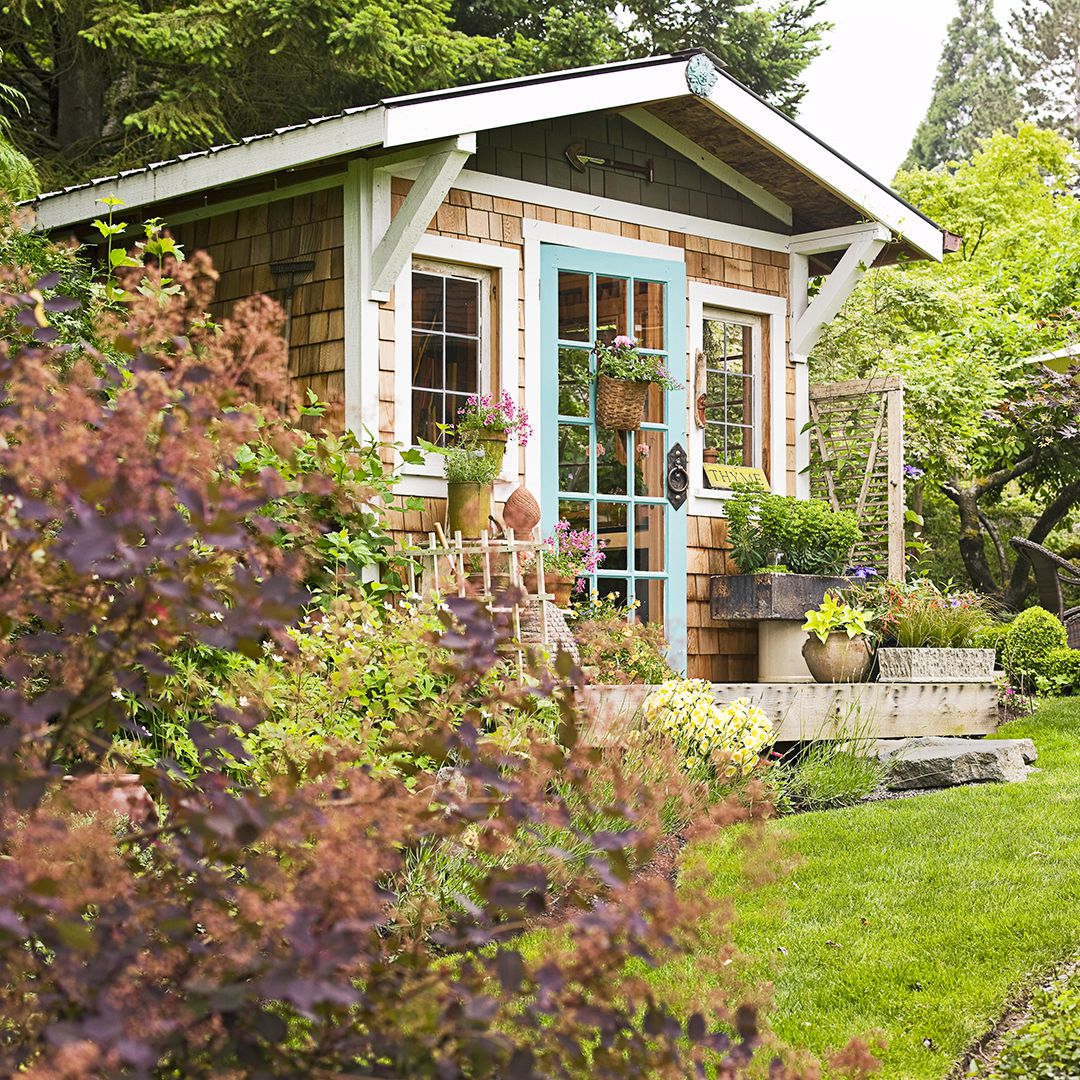
A cottage-style garden shed is timeless for a reason. Think painted wood siding, a pitched roof, divided-light windows, flower boxes, and a curved stone path leading to the door. This design works beautifully in yards with roses, lavender, daisies, hydrangeas, and informal planting beds. Choose soft colors like sage green, creamy white, dusty blue, or warm gray to keep the look gentle and inviting.
2. Modern Minimalist Shed
For a clean backyard design, try a modern shed with simple lines, flat or low-slope roofing, dark trim, and large windows. This idea suits contemporary homes and smaller yards where visual clutter can make everything feel cramped. Keep the color palette tightblack, charcoal, cedar, white, or natural woodand use hidden storage inside to preserve the streamlined look.
3. Potting Shed With a Workbench
If gardening is your happy place, build the shed around a real potting bench. Add a sturdy counter, open shelving, hooks for hand tools, bins for soil amendments, and a washable surface for messier jobs. A window above the bench brings in natural light, while a nearby water source makes cleanup easier. This shed is where seedlings, seed packets, and ambitious spring plans become best friends.
4. Tiny Shed for a Small Yard
Not every yard can handle a big outbuilding, and that’s perfectly fine. A narrow vertical shed, corner shed, or compact lean-to can store tools, hoses, gloves, and small planters without taking over the space. Use wall-mounted racks, magnetic strips, stackable bins, and door hooks to squeeze every inch of function out of a small footprint.
5. Greenhouse-Shed Hybrid
A greenhouse-shed hybrid combines storage with plant-growing space. One side can hold garden tools, while the other includes windows, clear roof panels, or a glass wall for seedlings and tender plants. This is especially useful for gardeners who start seeds early, overwinter potted plants, or want a sunny protected workspace. Add ventilation so heat and moisture do not turn your charming shed into a plant sauna.
6. Farmhouse-Style Garden Shed
Farmhouse sheds look great with board-and-batten siding, black hardware, barn doors, galvanized planters, and a simple metal roof. This style pairs well with raised beds, gravel paths, herbs, and vegetable gardens. Add a vintage-style sign or wall lantern for character, but don’t overdo it. Farmhouse charm works best when it says “fresh eggs and basil,” not “gift shop exploded.”
7. Rustic Reclaimed-Wood Shed
Reclaimed wood gives a shed instant soul. Weathered boards, salvaged doors, old windows, and repurposed hardware create a structure that feels like it has always belonged in the garden. Because reclaimed materials vary in durability, make sure the shed is structurally sound, sealed properly, and protected from moisture where needed.
8. Shed With a Dutch Door
A Dutch door is both practical and adorable, which is a rare combinationlike comfortable shoes that actually look good. The top half can stay open for light and air while the bottom half keeps pets, chickens, or wandering toddlers from investigating fertilizer bags. It adds instant cottage charm to nearly any shed style.
9. Garden Shed With Window Boxes
Window boxes can transform even a basic shed into a backyard jewel. Fill them with trailing flowers, herbs, compact annuals, or seasonal greenery. For a polished look, repeat colors already used in nearby flower beds. This small detail helps the shed feel connected to the rest of the yard.
10. Shed With a Mini Porch
A tiny porch makes a shed feel like a miniature house. Add one or two chairs, a boot tray, lanterns, or potted plants. A porch is also useful for setting down tools, staging plants, or pretending you are a countryside poet while actually hiding from weekend chores.
11. Lean-To Shed Along a Fence
A lean-to shed is ideal when space is tight. It sits against a fence, garage wall, or side yard and uses a sloped roof to shed rain. This design works well for storing long tools, bicycles, trash cans, or garden supplies. Be sure to allow airflow behind and around the structure to reduce trapped moisture.
12. Shed Painted to Match the House
For a cohesive landscape, paint your shed in colors that match or complement your home. Matching trim, shutters, roof color, or hardware can make the shed look intentional rather than accidental. This is especially effective in visible backyards where the shed becomes part of the home’s overall curb appeal.
13. Bold Color Garden Shed
If your yard needs a little spark, paint the shed a bold color. Deep teal, barn red, sunny yellow, forest green, or navy blue can create a cheerful focal point. Balance the color with simple landscaping and neutral trim so the shed feels charming rather than like it is shouting across the lawn.
14. White Garden Shed With Climbing Plants
A white shed covered with climbing roses, clematis, jasmine, or honeysuckle creates a romantic garden look. Add a trellis or arbor so vines have proper support and do not damage siding or roofing. This idea is beautiful near cottage gardens, walkways, and seating areas.
15. Shed With Open Exterior Shelving
Exterior shelving can display potted plants, watering cans, baskets, and garden décor. It also makes frequently used items easy to grab. Use weather-resistant shelves and keep valuable tools indoors. The goal is charming convenience, not offering your favorite pruners to the neighborhood raccoon committee.
16. Tool Shed With Pegboard Walls
Inside the shed, pegboard is one of the easiest ways to organize tools. Hang trowels, gloves, seed packets, scissors, hose nozzles, and small hand tools where you can see them. Outline tools with paint or labels if you want a super-organized system. It may feel intense, but future you will applaud when the hand rake is exactly where it should be.
17. Shed With Double Doors
Double doors are a smart choice if you store a lawn mower, wheelbarrow, wagon, or bulky patio cushions. Wide access makes the shed easier to use and reduces the risk of knocking over half the contents every time you need one thing. Add a small ramp for even better access.
18. Garden Shed With Skylights
Skylights brighten the interior and make a shed feel larger. They are especially helpful in potting sheds or workshops where task lighting matters. Choose high-quality weatherproof installation, because a leaky skylight can quickly turn charming into soggy.
19. Shed With a Living Roof
A living roof planted with sedum or other shallow-rooted plants adds beauty, insulation, and ecological value. This idea works best on a structure designed to handle the extra weight, moisture, and drainage needs. It is not a casual “throw some dirt up there” weekend project, but when done properly, it is stunning.
20. Coastal-Inspired Garden Shed
For a breezy coastal look, use white siding, pale blue doors, natural wood accents, rope details, and beach-grass landscaping. This style fits especially well in sandy, sunny yards or homes with relaxed outdoor living spaces. Keep storage practical with hooks for hoses, shelves for pots, and bins for beach or garden gear.
21. Woodland Shed Blended Into Nature
If your yard borders trees or shade gardens, choose natural wood, mossy green paint, stone edging, and native plants. A woodland shed should feel quiet and grounded. Ferns, hostas, shade-tolerant grasses, and mulch paths help it blend into the landscape.
22. She Shed or Garden Retreat
A shed can become a peaceful retreat with insulation, finished walls, lighting, comfortable seating, and decorative touches. Use it as a reading room, hobby space, writing nook, or garden-planning hideaway. If you plan to add electricity, heating, cooling, or plumbing, check local codes and hire qualified professionals where required.
23. Workshop Shed for DIY Projects
A workshop shed needs more than charm. Plan for sturdy flooring, a strong workbench, tool storage, ventilation, good lighting, and safe electrical access if needed. Add windows for natural light and consider sound, dust, and airflow. The outside can still be beautifulpaint, landscaping, and trim keep the workshop from looking like a box full of sawdust and ambition.
24. Shed With a Gravel Foundation
A gravel base helps with drainage and stability. It can be more forgiving than placing a shed directly on soil, which may hold moisture and encourage rot. For larger sheds, heavy structures, or areas with frost movement, consult local building guidance or a professional installer to choose the right foundation.
25. Shed Surrounded by Raised Beds
Place your shed near raised garden beds to create a functional gardening zone. Store tools, soil scoops, plant labels, and gloves close to where you use them. A central shed surrounded by herbs, vegetables, and flowers feels purposeful and makes gardening more efficient.
26. Vintage-Inspired Shed
Use antique windows, old signs, salvaged lights, aged terra-cotta pots, and weathered furniture to create a vintage shed. This style is perfect for gardeners who love flea markets and objects with stories. Keep the structure safe and weather-tight while letting the décor bring the nostalgia.
27. Shed With Smart Vertical Storage
Vertical storage is the secret weapon of every hardworking shed. Use wall rails, ceiling hooks, shelves above the door, stacked crates, and hanging baskets. Store heavy items low, sharp tools securely, and frequently used items at arm level. A charming shed is nice; a charming shed where you can actually find the hose connector is magnificent.
28. Kids’ Garden Shed Corner
If children help in the garden, create a small safe area for child-sized tools, watering cans, gloves, and seed kits. Keep sharp tools, chemicals, and heavy equipment locked away. A dedicated corner encourages outdoor learning and makes gardening feel like a shared adventure instead of an adult-only dirt conference.
29. Shed With Outdoor Lighting
Lighting makes a shed safer and prettier. Add solar path lights, motion lights near the door, sconces, or string lights around a porch. Good lighting helps when you need something at dusk and gives the garden a cozy evening glow.
30. All-Season Garden Shed
An all-season shed may include insulation, vents, weatherstripping, durable flooring, and thoughtful storage for seasonal items. In hot climates, ventilation and shade matter. In cold areas, moisture control and roof strength are important. Design for your region, not just for the dreamy photo you saw online while drinking coffee and feeling optimistic.
How to Choose the Right Garden Shed for Your Yard
Start With Size
Measure what you need to store before choosing a shed. A small shed can handle hand tools and planters, while a medium shed may fit a mower, shelves, and bags of soil. Larger sheds can support workshops, potting zones, or hobby spaces. Remember to leave enough room to move around inside. A shed packed from floor to ceiling is not storage; it is a backyard escape room.
Pick the Best Material
Wood sheds are attractive, customizable, and easy to paint, but they require maintenance. Resin or vinyl sheds are low-maintenance and resist many common weather problems, though they may offer fewer design options. Metal sheds can be budget-friendly and durable, but they may need anchoring and can feel less decorative. Your climate, budget, style, and maintenance tolerance should guide the decision.
Think About Doors, Windows, and Ventilation
Wide doors help with mowers and wheelbarrows. Windows make the shed more pleasant and useful for potting. Ventilation helps reduce heat and moisture buildup, especially in sheds used for plants, tools, or seasonal storage. A shed should breathe, even if it does not have opinions about mulch.
Check Local Rules Before Building
Many areas have rules about shed size, height, placement, foundations, electrical work, setbacks, and permits. Homeowners associations may also have style or location requirements. Check before ordering materials or hiring an installer. It is much easier to adjust a plan than to move a finished shed that accidentally offended city code.
Garden Shed Organization Tips That Actually Work
Once the shed is built, organization determines whether it stays useful. Group similar items together: hand tools in one zone, soil supplies in another, pots and seed trays on shelves, long-handled tools on wall racks, and seasonal décor in labeled bins. Keep heavy items low and avoid storing anything sensitive to heat, moisture, pests, or temperature swings unless the shed is properly insulated and climate-controlled.
Use clear containers when possible, but avoid letting sunlight degrade contents. Label everything. Install hooks behind doors. Add a small trash bin for plant tags, broken ties, and empty seed packets. Keep a brush or broom inside because soil will appear on the floor even if you swear you were careful. Soil has a talent for dramatic entrances.
Landscaping Around a Garden Shed
A shed looks more charming when it is integrated into the yard. Add a path from the patio or garden gate using gravel, stepping stones, brick, or flagstone. Plant around the base with flowers, herbs, ornamental grasses, or shrubs that match your garden style. Use mulch or stone to prevent mud splashing onto siding. Add containers near the door for seasonal color.
For small yards, keep planting simple and scaled down. For large yards, create a destination with a bench, arbor, raised beds, or a small courtyard around the shed. The key is making the shed feel intentional. Even the most practical storage building can become a garden feature with the right path, plants, and paint.
Extra Experience: What Real-Life Garden Shed Planning Teaches You
After studying countless backyard shed designs, one lesson becomes clear: the most charming shed is not always the biggest or most expensive. It is the one that understands the yard and the people using it. A tiny shed with smart hooks, a dry floor, and a cheerful door can be more valuable than a large shed that becomes a clutter cave by July.
One practical experience many homeowners share is that shed placement matters more than expected. Put the shed too far from the garden beds, and you may stop using it efficiently. Put it in a low, wet corner, and you may fight moisture for years. Put it where it blocks a favorite view, and suddenly the “adorable garden cottage” becomes the “large object I regret seeing from the breakfast table.” The sweet spot is accessible, well-drained, visually balanced, and connected to the way you move through the yard.
Another common lesson is to plan storage before buying décor. It is easy to fall in love with window boxes, antique signs, paint colors, and little porch lights. Those details matter, but a shed must first handle the unglamorous stuff: shovels, rakes, soil bags, hoses, seed trays, gloves, pruning tools, buckets, and the one sprinkler attachment that somehow vanishes every year. Interior planning should come first. Once the storage zones work, charm can be layered on top like frosting on a very practical cake.
Lighting is another underrated detail. A shed without lighting can become frustrating in the evening or on cloudy days. Even simple solar lights outside and battery-powered task lights inside can improve usability. For sheds used as workshops, offices, or retreats, professional electrical installation may be worth considering. Good lighting makes the space safer, more welcoming, and far less likely to contain surprise spider diplomacy.
Ventilation also deserves attention. Gardeners often store damp tools, pots, soil, and outdoor cushions in sheds. Without airflow, moisture can build up, creating musty smells and damaging supplies. Vents, windows, raised flooring, and smart storage choices help keep the shed healthier. Avoid stuffing items tightly against walls, and leave space for air to move.
Color choice can change everything. A dark shed may look elegant in a bright open yard but disappear beautifully into a wooded background. A white or pale shed can brighten a shady garden. A bold red or blue shed can create a focal point in a plain lawn. The best color usually relates to the home, fence, patio, or planting palette. In other words, the shed should join the backyard conversation, not interrupt it with a megaphone.
Finally, the best garden sheds evolve. In spring, they may hold seed trays and potting soil. In summer, they become tool stations. In fall, they store bulbs, rakes, and harvest baskets. In winter, they protect containers, garden décor, and outdoor supplies. A flexible shed layoutwith adjustable shelves, movable bins, and open wall spacecan adapt as your gardening habits change.
So, when choosing among these 30 charming garden shed ideas for any yard, do not chase perfection. Chase usefulness, weather-readiness, good proportions, and a style that makes you smile when you walk outside. A great shed does not just store your garden tools. It supports your routines, improves your yard, and quietly makes outdoor life easierwhile looking cute enough to earn compliments from people who came over for barbecue and left discussing board-and-batten siding.
Conclusion
A charming garden shed can transform a yard from “nice outdoor space” into a hardworking, beautiful extension of the home. Whether you prefer a cottage shed with window boxes, a modern minimalist structure, a greenhouse hybrid, a rustic reclaimed-wood hideaway, or a tiny storage shed for a small yard, the best design starts with real needs. Consider size, materials, foundation, ventilation, doors, windows, organization, and landscaping. Then add personality through color, plants, lighting, trim, and thoughtful details.
The right shed keeps tools organized, protects supplies, supports your gardening habits, and gives the backyard a focal point with character. In short, it is storage with charmand possibly the only building in your life that can make a rake look romantic.