

Most people keep a carefully edited public version of themselves on display. This version remembers birthdays, answers messages promptly, enjoys networking events and definitely never double-dips a tortilla chip. Behind the polished profile, however, is a much less organized human being who may dislike small talk, sleep beside a stuffed animal or secretly believe candy corn deserves constitutional protection.
That gap between public behavior and private reality helped an AskReddit question about “socially unacceptable” personal facts attract brutally honest responses. A selection of the confessions was later featured in an April 2024 viral roundup. The answers ranged from harmless preferences to complicated experiences involving depression, neurodivergence, family history, trauma and relationships.
The popularity of the thread makes sense. Social norms influence how people dress, speak, work, maintain relationships and even arrange their faces during conversations. Conformity research describes how individuals may adjust their opinions or behavior to match what appears acceptable to the majority. Online spaces can loosen that pressure, giving people room to admit what they would never announce over appetizers at a company party.
Why “Socially Unacceptable” Confessions Feel So Compelling
A confession becomes fascinating when it violates an unwritten expectation. There may be no law requiring adults to abandon stuffed animals, enjoy babies, maintain constant eye contact or answer every text within twelve minutes. Yet people can still feel judged when they fail to follow those customs.
Anonymous or pseudonymous forums also lower some of the social risks associated with disclosure. Researchers have found that online communication can encourage people to reveal parts of their authentic selves, although sharing personal information still carries privacy and reputational risks. Americans already express substantial concern about losing control of their online data, so anonymity can feel like both a protective curtain and an invitation to step onto the stage.
Here are 30 memorable confessions from the viral conversation, completely paraphrased and placed in context.
30 Socially Unacceptable Facts People Admitted Online
-
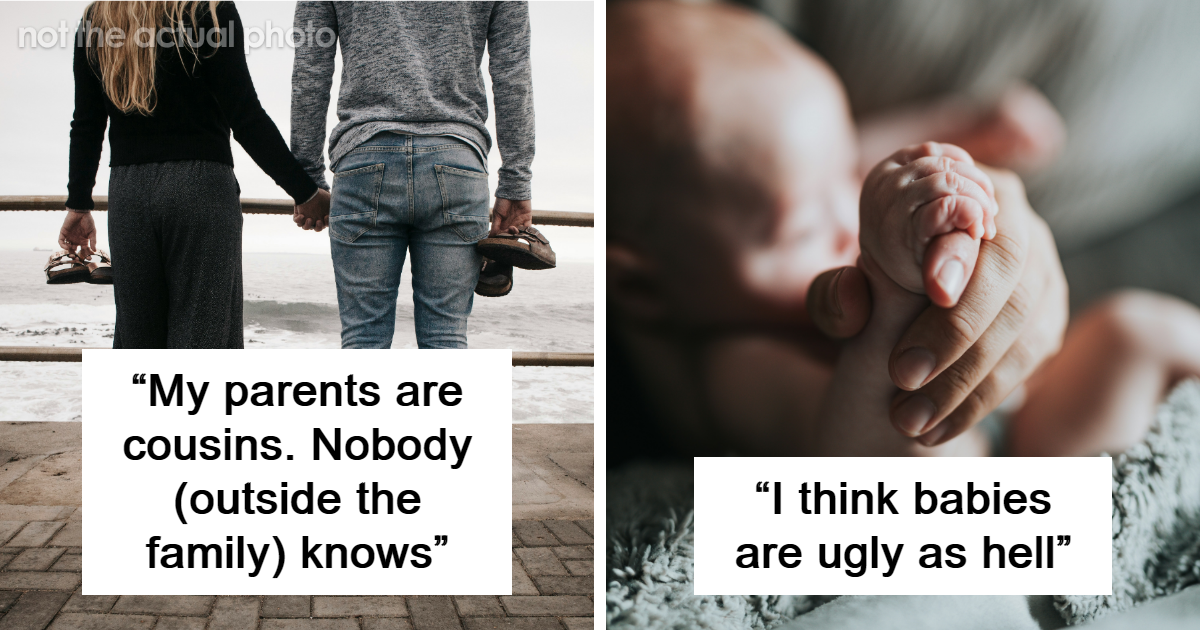
1. Not Everyone Thinks Babies Are Adorable
One person admitted that babies simply do not look cute to them. Society may expect instant cooing, but their internal reaction is closer to politely examining a warm potato.
-
2. One Woman Chose Permanent Sterilization
Another contributor willingly pursued sterilization because she did not want children. Her confession challenged the assumption that every woman will eventually desire motherhood or regret choosing otherwise.
-
3. Depression Can Make Basic Hygiene Difficult
One respondent said depression sometimes interfered with showering and brushing their teeth. Depression can affect energy, motivation and ordinary daily activities, turning a two-minute task into something that feels mountainous.
-
4. A Grown Man Sleeps With Stuffed Animals
A 38-year-old man disclosed that he sleeps beside stuffed animals. The toys provide comfort, while the main criticism appears to come from an imaginary committee that revoked everyone’s right to softness after age twelve.
-
5. Some People Genuinely Prefer Silence
One commenter was not afraid of speaking but simply preferred being quiet. Unfortunately, many workplaces and social gatherings treat verbal enthusiasm as proof of confidence, competence and possibly oxygen intake.
-
6. Going Straight to Bed After Work Feels Wonderful
Another person happily spends most post-work evenings in bed. Introverted people often use solitude to recover energy, although prolonged withdrawal combined with low mood may deserve attention rather than judgment.
-
7. Messages Get Ignored Without Malicious Intent
One user postpones answering calls and texts, then becomes embarrassed about the delay and avoids replying altogether. A simple “I’ll answer later” quietly evolves into a three-month diplomatic crisis.
-
8. Tourette Syndrome Can Include Swearing Tics
A restaurant worker described living with Tourette syndrome and coprolalia. The CDC notes that involuntary obscene language affects only about one in ten people with Tourette, despite its exaggerated presence in entertainment.
-
9. Being Alone Can Feel Completely Comfortable
One participant said they had no friends and felt content with solitude. Still, chosen solitude differs from painful loneliness, which the CDC associates with significant mental and physical health risks.
-
10. A Difficult Pregnancy Decision Helped Two Families
One woman became pregnant after having a child as a teenager and could not afford another baby. Her sibling, who could not have children, eventually adopted the infant.
-
11. Friendship Maintenance Does Not Come Naturally to Everyone
Another contributor cared about friends but could accidentally go months without making contact. They might forget every standard check-in yet immediately send everyone a photograph of a suspiciously shaped vegetable.
-
12. Somebody Publicly Defended Candy Corn
One brave soul admitted to liking candy corn. Among the thread’s stories about trauma and identity, this may have been the confession most likely to divide a Thanksgiving table.
-
13. Social Masking Can Feel Exhausting
A respondent said people considered them cold unless they performed socially expected reactions. Research on autistic masking links heavy camouflaging with stress, burnout, authenticity problems and poorer mental health.
-
14. One Child Practiced Facial Expressions to Fit In
Another person remembered studying popular children and rehearsing expressions after being called robotic. The experience illustrates how social communication differences can be misunderstood as indifference or bad character.
-
15. Body Hair Became a Form of Personal Protection
One woman stopped shaving her legs after receiving disturbing attention from an older man when she was eleven. What strangers might interpret as laziness was actually connected to safety and autonomy.
-
16. Some People Pretend Not to Hear Social Invitations
A participant admitted ignoring people who called their name and mentally leaving uninteresting group conversations. Their body remained in the circle, but their attention had already boarded a flight elsewhere.
-
17. Exposure to Emergency Situations Can Create Emotional Distance
One professional described becoming numb to death, severe injuries and disturbing scenes. Emotional detachment can function as protection in demanding occupations, but persistent distress may still require support.
-
18. Leaving a Social Event Early Can Feel Fantastic
Another person simply goes home when they have had enough. No dramatic farewell, no imaginary emergency and no hostage negotiation beside the coat rackjust a quiet exit and immediate happiness.
-
19. Their Parents Are Cousins
One respondent disclosed that their parents were related as cousins, a fact kept largely within the family. They softened the uncomfortable revelation with a joke about spending too much time online.
-
20. One Contributor Spent Childhood in a Psychiatric Institution
A person reported being among the final young patients at a U.S. institution that closed in the early 1990s. Their story reflects a painful era of mental healthcare that remains much more recent than many people realize.
-
21. Someone Described Their Body Without Apologizing
One short confession consisted of acknowledging that the speaker was fat. The striking part was its simplicity: no promise of transformation, no request for approval and no inspirational soundtrack beginning in the background.
-
22. A Low-Income, Low-Work Lifestyle Made Someone Happy
Another individual disliked conventional employment, lived on roughly $10,000 a year and valued free time, community and basic security over career advancement. The lifestyle challenged the belief that ambition must always appear on a résumé.
-
23. Nose-Picking Has at Least One Enthusiastic Supporter
One user cheerfully admitted enjoying a thorough nasal excavation. This is not an endorsement of the practice, especially in public, but it may explain why certain drivers look extremely focused at red lights.
-
24. Honest Opinions Are Not Always the Opinions People Want
An autistic respondent observed that requests for “honest feedback” sometimes mean “please repeat my preferred conclusion using a supportive voice.” Literal communication can clash with social rituals built around reassurance.
-
25. A Veteran Admitted Taking Lives in Military Service
One contributor carried the knowledge that they had killed people during military service. The statement was brief, but it pointed toward the moral and emotional weight that can remain after combat.
-
26. Blank Staring Does Not Always Mean Inattention
A respondent explained that they may look expressionless during long conversations while still listening carefully. Constant eye contact and animated facial feedback are social conventions, not universal measurements of attention.
-
27. One Person Confessed to Double-Dipping
The thread also contained an unapologetic double-dipper. Some revelations invited compassion and reflection; this one invited everyone to guard the communal salsa with their lives.
-
28. Psychiatric Treatment Did Not End Every Emotional Struggle
One person had received inpatient mental healthcare and still experienced regular breakdowns. Treatment is not always a neat before-and-after story, and continued symptoms do not make someone a failure. Mental illness is a health issue, not a moral defect.
-
29. A Serious-Looking Face Can Hide a Warm Personality
Another commenter said their neutral expression appeared unfriendly, although a stranger’s smile could brighten their day. Faces are unreliable narrators, particularly when observers expect constant visible cheerfulness.
-
30. Chronic People-Pleasing Can Erase a Person’s Identity
The final confession came from someone who adapted to every partner, became the person they believed the partner wanted and later ended the relationship in distress. Their story showed how approval-seeking can damage both authenticity and intimacy.
The roundup and its source discussion contained many more responses, but these thirty demonstrate how broad the phrase “socially unacceptable” can be. It may describe a harmless preference, an awkward habit, a survival strategy, a health condition or behavior that genuinely affects other people. Those categories should not be treated as interchangeable.
What These Viral Confessions Reveal About Social Norms
Many “Rules” Are Merely Preferences With Good Public Relations
Some norms protect hygiene, consent and public safety. Others simply reward familiar behavior. Preferring silence, declining parenthood or keeping a stuffed animal does not injure anyone. The discomfort often belongs to the observer, not the person being observed.
Context Can Completely Change a Behavior’s Meaning
Ignoring a text might appear rude, but it can arise from anxiety, executive-function difficulties, exhaustion or shame about an earlier delay. Staying in bed may be deliberate rest, introversion or a symptom of depression. Growing body hair may be a style preference, a rejection of beauty expectations or a response to harassment.
Context does not excuse every action. People still have responsibilities when their behavior harms others. It does, however, prevent the lazy assumption that one visible habit reveals an entire personality.
Connection Does Not Require Constant Performance
According to the CDC, about one in three U.S. adults reports loneliness, while roughly one in four lacks social and emotional support. Meaningful connection therefore matters, but connection should not demand nonstop talking, smiling or masking. Healthy relationships make room for quiet personalities, delayed responses and different communication styles.
Experiences and Lessons Inspired by the Viral Thread
Reading a thread like this often produces an emotional sequence that begins with laughter, takes an unexpected turn through discomfort and ends with the realization that almost everyone is hiding something. A reader may chuckle at the candy-corn defender, recoil from the double-dipper and then pause when a stranger describes struggling to brush their teeth during a depressive episode.
That shift is valuable. It reveals how quickly people sort behavior into categories without knowing the story behind it. Imagine a coworker who rarely joins conversations. One colleague may label the person arrogant, while another assumes they are shy. In reality, the coworker might be autistic, exhausted, naturally quiet or simply uninterested in discussing printer toner for the seventeenth time. Observation provides information, but interpretation adds a story that may be entirely fictional.
The friendship confessions are equally recognizable. Many adults care deeply about people they rarely contact. Work, family obligations, poor mental health and digital overload can turn a delayed reply into avoidance. A useful response is not to declare the friendship dead after forty-eight hours. A low-pressure message such as “No need to apologizejust checking that you’re okay” can interrupt the shame cycle and make reconnection easier.
Another lesson involves the difference between acceptance and endorsement. Understanding why someone behaves a certain way does not require approving of every consequence. A person who disappears from relationships because they are afraid of conflict deserves empathy, but former partners also deserve honesty. Someone who finds comfort in solitude should not be forced into constant social activity, but persistent isolation accompanied by hopelessness may call for professional support.
The thread also highlights the cost of social performance. People often learn to maintain eye contact, imitate expressions, laugh at the correct moment and soften direct opinions. These skills may help them navigate school or work, yet performing them continuously can be tiring. A more inclusive environment gives people several ways to participate: speaking, writing, listening, working independently or responding after they have had time to think.
There is also a privacy lesson hiding beneath the entertainment. Anonymous confession threads can provide relief and solidarity, but anonymity is never guaranteed. Personal combinations of age, occupation, location and family history can identify someone even when a legal name is absent. Before sharing, it helps to remove unnecessary details and consider whether the post would cause harm if connected to its author.
Perhaps the most practical experience is trying a “generous interpretation” before judging someone. The unsmiling cashier may be concentrating. The friend who leaves early may be overstimulated. The adult carrying a stuffed toy may be grieving, anxious or simply fond of stuffed toys. Not every unusual behavior conceals tragedy, either. Sometimes a person likes candy corn because their taste buds have chosen chaos.
Finally, the confessions suggest that honesty works best when combined with responsibility. Admitting an uncomfortable fact can be freeing, but self-awareness is only the first step when behavior repeatedly hurts others. The people-pleaser who loses their identity, the chronic ghoster and the person who becomes emotionally detached may benefit from reflection, boundaries or professional guidance. “This is who I am” can begin a conversation, but it should not automatically end one.
Conclusion
The viral thread succeeded because it replaced polished online identities with messy human reality. Some contributors confessed to harmless quirks, while others shared painful experiences they had struggled to discuss openly. Together, the responses demonstrate that social acceptability is not always a reliable measure of health, morality or kindness.
Before labeling somebody strange, cold, lazy or antisocial, it is worth asking what information may be missing. The answer could involve personality, mental health, neurodivergence, trauma or nothing more complicated than a passionate commitment to going home early. Humanity is awkward, contradictory and occasionally found hovering over the salsa bowl with the same chip twice.