

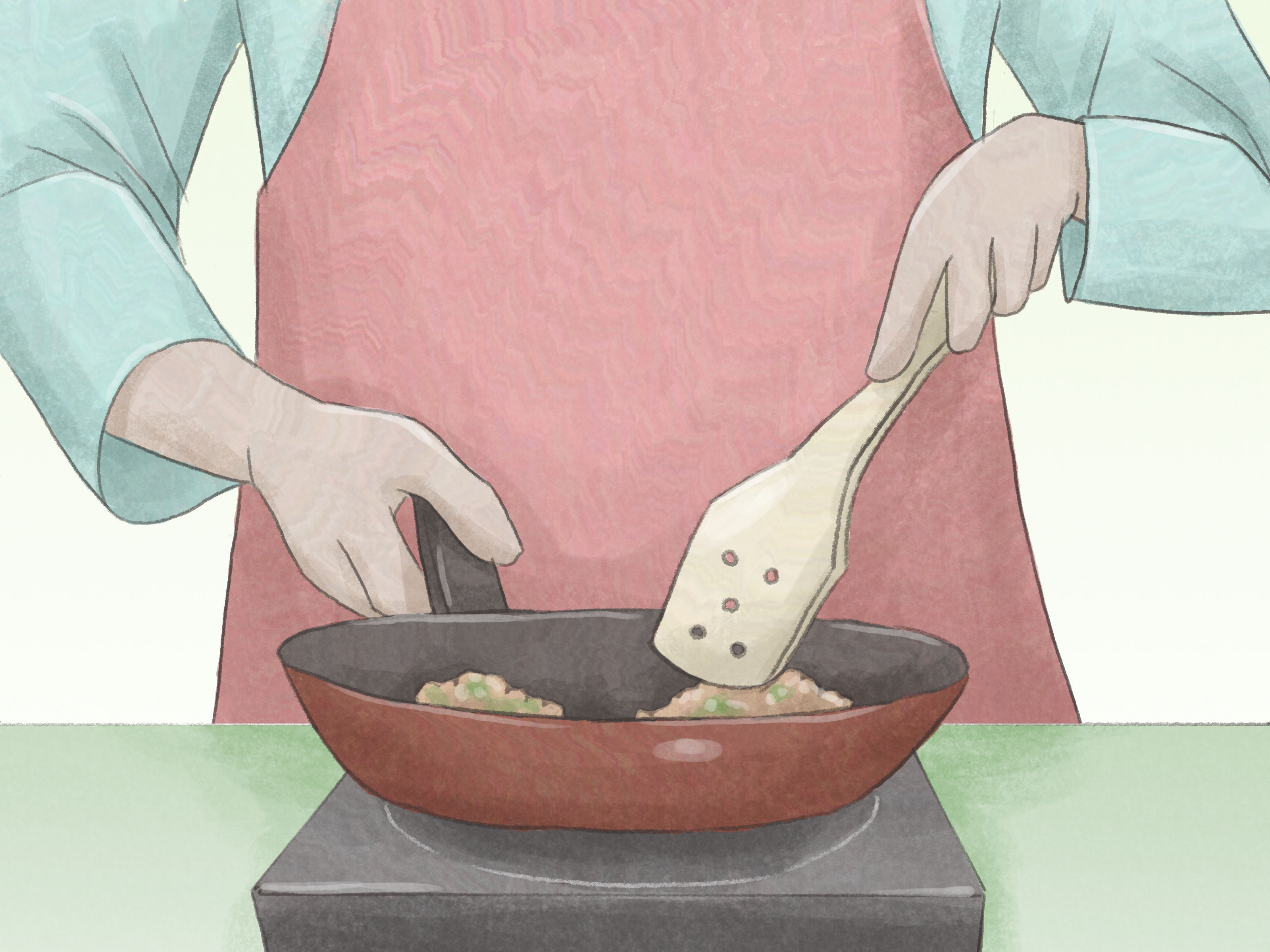
The keto diet has a reputation for turning the average grocery cart into a parade of eggs, cheese, bacon, butter, and avocados. For some people, it also brings weight loss, steadier blood sugar, and fewer cravings for the snack cabinet that somehow keeps whispering after 9 p.m. But there is one plot twist many keto fans do not expect: cholesterol numbers can rise, especially LDL cholesterol, often called “bad” cholesterol.
That does not mean everyone on keto needs to panic, throw their coconut oil into the yard, and apologize to their cardiologist in dramatic slow motion. It means keto quality matters. A low-carb diet built around processed meat, butter, heavy cream, and very little fiber is not the same as a low-carb diet built around olive oil, fish, nuts, seeds, leafy vegetables, avocado, and smart portions of protein.
If your cholesterol has climbed on keto, or you want to protect your heart while staying low-carb, the goal is not to make keto miserable. The goal is to make it smarter. Below are four easy, practical ways to lower cholesterol on a keto diet while keeping meals satisfying, realistic, and delicious enough that your fork does not file a complaint.
Why Cholesterol Can Rise on a Keto Diet
Cholesterol is not a villain in a cape. Your body uses cholesterol to make hormones, cell membranes, and vitamin D. The problem happens when LDL cholesterol and other atherogenic particles stay too high for too long, increasing the chance that fatty deposits can build up in artery walls.
Keto can affect cholesterol differently from person to person. Some people see triglycerides fall and HDL cholesterol rise, which can look encouraging. Others see LDL cholesterol rise, sometimes sharply. This may happen because many versions of keto are high in saturated fat from butter, cheese, cream, fatty meats, coconut oil, and processed low-carb foods. Saturated fat can raise LDL cholesterol in many people, especially when it becomes the main fuel source every day.
The good news is that you do not have to abandon every keto habit to improve your numbers. In many cases, changing the type of fat, increasing low-carb fiber, choosing cleaner protein, moving more, and checking lab results can make keto much more cholesterol-friendly.
1. Swap Saturated Fat for Unsaturated Fat
If keto had a steering wheel, fat quality would be one of the biggest controls. The easiest first move is to reduce saturated fats and replace them with unsaturated fats. This is not about eating “low fat.” It is about choosing fats that are friendlier to your LDL cholesterol.
Choose These Keto-Friendly Fats More Often
- Extra-virgin olive oil for salads, vegetables, and low-heat cooking
- Avocado oil for higher-heat cooking
- Avocados for creamy texture without relying on cheese
- Almonds, walnuts, pecans, pistachios, chia seeds, flaxseeds, and hemp seeds
- Fatty fish such as salmon, sardines, trout, and tuna
These foods provide monounsaturated and polyunsaturated fats, including omega-3 fats from fish. They also bring along nutrients that bacon simply does not bring to the party, no matter how confidently it sizzles.
Cut Back on These High-Saturated-Fat Staples
- Butter-heavy coffee drinks
- Large portions of cheese at multiple meals
- Heavy cream used daily
- Fatty cuts of red meat
- Coconut oil and palm oil as everyday fats
- Processed meats such as bacon, sausage, pepperoni, and deli meats
You do not need to treat cheese like it insulted your family. Just stop making it the structural foundation of breakfast, lunch, dinner, and emotional support. Try measuring cheese instead of free-pouring it with the confidence of a game show host. Use olive oil vinaigrette instead of creamy dressing. Cook eggs in a small amount of avocado oil instead of butter. Choose grilled salmon over sausage. These small swaps can add up.
Simple Example: A Cholesterol-Smarter Keto Breakfast
Instead of three eggs fried in butter with bacon and cheese, try two eggs cooked in olive oil with spinach, mushrooms, avocado slices, and a sprinkle of feta. You still get a low-carb meal with fat and flavor, but the fat profile is much friendlier.
2. Add Keto-Friendly Soluble Fiber Every Day
Fiber is often the missing guest at the keto table. Traditional high-fiber foods like oats, beans, lentils, and many fruits can be too high in carbs for strict keto. But that does not mean a keto diet must be a fiber desert where digestion goes to retire.
Soluble fiber is especially important for cholesterol because it helps reduce cholesterol absorption in the digestive tract. It forms a gel-like substance that can bind with bile acids, helping the body use more cholesterol to make new bile. Translation: your gut does some quiet cleanup work while you go about your day.
Low-Carb Sources of Fiber to Try
- Chia seeds mixed into unsweetened Greek yogurt or almond milk
- Ground flaxseed added to smoothies or keto pancakes
- Avocado with salads, eggs, or lettuce wraps
- Brussels sprouts, broccoli, cauliflower, okra, eggplant, zucchini, and asparagus
- Psyllium husk in small amounts, with plenty of water
- Small portions of berries, especially raspberries and blackberries, if they fit your carb target
- Nuts and seeds used as toppings rather than mindless handfuls
A practical target is to include a fiber source at every meal. Breakfast might include chia or flax. Lunch could be a big salad with avocado, pumpkin seeds, and grilled chicken. Dinner could include salmon with roasted Brussels sprouts and cauliflower mash. Suddenly, keto looks less like a cheese board trapped in a gym bag and more like an actual eating pattern.
Do Not Increase Fiber Too Fast
If your current fiber intake is low, increase slowly. Going from zero to “fiber champion of the county fair” overnight can cause bloating, gas, and digestive rebellion. Add one new fiber food at a time, drink enough water, and give your body a chance to adjust.
3. Choose Cleaner Protein and Reduce Processed Meat
Many people hear “keto” and immediately picture bacon stacked like construction lumber. But a cholesterol-friendly keto diet should not be built on processed meat. Bacon, sausage, hot dogs, pepperoni, salami, and many deli meats are often high in saturated fat, sodium, preservatives, and calories. They can fit occasionally, but they should not become the mascot of your meal plan.
Better protein choices can help you stay full while lowering the saturated-fat load of your diet. Aim for a rotation of fish, poultry, eggs in reasonable portions, tofu, tempeh, shellfish, leaner cuts of meat, and unsweetened Greek yogurt or cottage cheese if dairy works for you.
Protein Swaps That Still Feel Like Keto
- Swap sausage patties for turkey patties with herbs and avocado.
- Swap pepperoni snacks for boiled eggs, olives, and cucumber slices.
- Swap a bacon cheeseburger bowl for a salmon avocado salad.
- Swap creamy chicken casserole for grilled chicken with pesto and roasted vegetables.
- Swap processed deli meat wraps for lettuce wraps with roasted turkey, avocado, tomato, and mustard.
Fish deserves special attention. Salmon, sardines, trout, mackerel, and tuna contain omega-3 fats, which can support heart health and help improve triglyceride levels. Try two fish meals per week if you enjoy seafood. If you do not, walnuts, chia seeds, and flaxseeds can still bring plant-based omega-3 fats into your routine.
Watch “Keto” Packaged Foods
Keto cookies, bars, chips, and frozen meals can be convenient, but many are ultra-processed. Some contain saturated fats, sugar alcohols, refined oils, and very little real nutrition. A label that says “keto” does not automatically mean “heart healthy.” Read the Nutrition Facts panel and ingredient list. Look for saturated fat, trans fat, sodium, fiber, and serving size. Serving size, by the way, is where snack packages like to practice magic tricks.
4. Track Your Numbers, Move More, and Adjust Your Keto Style
You cannot manage what you never measure. If you are eating keto and concerned about cholesterol, ask your healthcare professional about checking a fasting lipid panel. This usually includes total cholesterol, LDL cholesterol, HDL cholesterol, and triglycerides. Depending on your risk factors, your clinician may also discuss non-HDL cholesterol, ApoB, or other markers.
It is common to recheck labs after several weeks or months of diet changes, but your timeline should come from your healthcare provider. This matters because two people can follow the same keto plan and get different cholesterol results. Genetics, weight change, thyroid function, diabetes status, medications, age, and overall diet quality can all influence cholesterol.
Use Movement as a Cholesterol Tool
Exercise is not just for burning calories. Regular movement can help improve cholesterol patterns, support weight management, lower triglycerides, and raise HDL cholesterol. You do not need to train like a superhero with a sponsorship deal. Start with brisk walking, cycling, swimming, dancing, hiking, or resistance training.
A simple goal is 30 minutes of moderate activity most days of the week, plus two days of strength training if your body allows. Even a 10-minute walk after meals can be a powerful habit. It is free, low drama, and does not require a subscription, a complicated machine, or leggings with motivational quotes.
Try a Mediterranean-Style Keto Approach
If your LDL cholesterol rises on traditional keto, consider shifting toward a Mediterranean-style keto pattern. This means fewer processed meats, less butter, less cream, and more olive oil, seafood, nuts, seeds, non-starchy vegetables, herbs, and modest portions of lower-carb fruits. You may also discuss a less strict low-carb plan with your clinician or dietitian if very low-carb eating is not working for your cholesterol.
A Sample Cholesterol-Friendly Keto Day
Breakfast
Scrambled eggs with spinach and mushrooms cooked in olive oil, half an avocado, and black coffee or unsweetened tea.
Lunch
Grilled chicken salad with mixed greens, cucumber, olives, pumpkin seeds, avocado, and olive oil lemon dressing.
Snack
Unsweetened Greek yogurt with chia seeds and a few raspberries, or celery with almond butter.
Dinner
Baked salmon with roasted Brussels sprouts, cauliflower mash, and a side salad with walnuts.
This type of day keeps carbohydrates low while improving fat quality, increasing fiber, and avoiding the common keto trap of making every meal a tribute concert for processed meat.
Common Mistakes That Keep Cholesterol High on Keto
Mistake 1: Drinking Fat Instead of Eating Food
Butter coffee and heavy-cream drinks can add a large amount of saturated fat without much fullness. If your LDL cholesterol is high, this is one of the first habits to reconsider.
Mistake 2: Treating Vegetables Like Decoration
Non-starchy vegetables should not be the tiny green garnish next to a mountain of meat. They add fiber, potassium, magnesium, antioxidants, and volume to meals.
Mistake 3: Ignoring Calories Completely
Keto can reduce appetite for some people, but calories still matter. Nuts, cheese, oils, and cream are easy to overdo. A “small handful” of nuts can become half the bag if you eat while scrolling.
Mistake 4: Never Checking Lab Work
Feeling good is helpful, but cholesterol changes are not always something you can feel. Lab testing gives you real feedback so you can adjust before small issues become bigger concerns.
Experience Section: What Cholesterol-Friendly Keto Feels Like in Real Life
The first experience many people have when trying to lower cholesterol on keto is surprise. They assume the solution will be painfully complicated, like solving a nutrition crossword puzzle written by a cardiologist. In reality, the first week usually comes down to a few obvious swaps. The butter moves from “daily star of the show” to “occasional supporting actor.” Olive oil gets promoted. Bacon becomes a weekend treat instead of a breakfast personality trait. The plate starts looking greener, fresher, and less like it came from a diner at midnight.
Grocery shopping also changes. At first, it may feel strange to walk past the giant block of cheese and spend more time near seafood, vegetables, nuts, seeds, and oils. But after a few trips, the routine becomes easier. A cholesterol-friendly keto cart often includes salmon, eggs, chicken, turkey, tofu, spinach, broccoli, cauliflower, zucchini, avocado, berries, chia seeds, flaxseed, walnuts, almonds, olive oil, and plain Greek yogurt. It looks less flashy than a cart full of keto snack bars, but it usually cooks better and leaves you feeling better.
Eating out becomes easier with a little planning. At a burger place, order a lettuce-wrapped burger with avocado and skip the bacon or extra cheese. At a seafood restaurant, choose grilled fish with vegetables and a side salad. At a breakfast spot, order eggs with vegetables and avocado instead of sausage and cheese. The goal is not perfection. The goal is to stop turning every restaurant meal into a saturated-fat festival with a side of “I’ll deal with this later.”
One of the most useful experiences is learning that fiber makes keto feel better. Meals with avocado, chia, flax, vegetables, nuts, and seeds tend to be more satisfying than meals built only around meat and fat. Digestion often feels more normal. Hunger may become steadier. The plate has more color, which is nice because beige food can only inspire so much confidence.
Another real-world lesson is that tracking helps without becoming obsessive. Writing down meals for a week can reveal patterns quickly. Maybe cheese appears five times a day. Maybe vegetables only show up when they are hiding under ranch dressing. Maybe “just a few nuts” means 700 calories of cashews during homework, work, or TV time. Once you see the pattern, you can change it.
The most encouraging experience is getting follow-up lab work after making changes. When LDL cholesterol improves, it feels like proof that small decisions matter. If numbers do not improve, that is still useful information. It may mean you need a less strict low-carb plan, more fiber, less saturated fat, more activity, or medical treatment. Either way, you are no longer guessing. You are steering.
Final Thoughts
Lowering cholesterol on a keto diet is not about making food boring, giving up every favorite meal, or living on lettuce and regret. It is about building a better version of keto: more unsaturated fats, more low-carb fiber, cleaner protein, fewer processed meats, regular movement, and honest lab tracking.
The easiest place to start is your next meal. Use olive oil instead of butter. Add avocado and vegetables. Choose salmon or chicken instead of sausage. Sprinkle chia or flax into something simple. Take a walk after dinner. These habits are not dramatic, but they work together. And unlike extreme diet rules, they are realistic enough to survive actual life.
Note: This article is for general educational purposes and is not medical advice. Keto can be restrictive and is not appropriate for everyone, especially teens, pregnant people, people with a history of eating disorders, kidney disease, diabetes treated with medication, or anyone with high cardiovascular risk unless supervised by a qualified healthcare professional.