

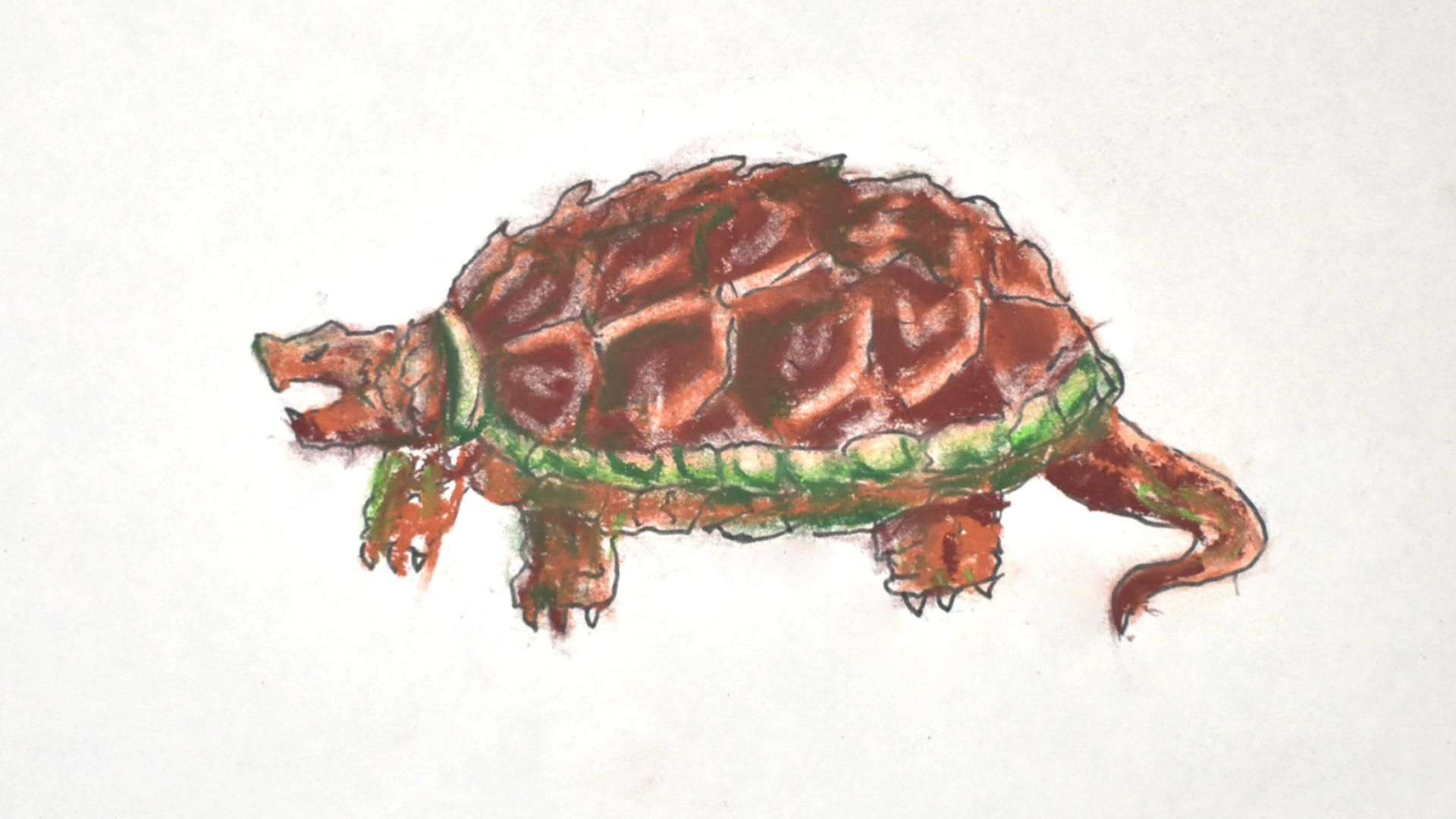
Learning how to draw a turtle is one of those art projects that looks simple until you realize the turtle brought its own architecture. There is the rounded shell, the tiny head, the patient little legs, the patterned scutes, and that calm expression that says, “I have nowhere to be, and honestly, neither should your pencil.” The good news is that turtle drawing does not require expert-level skill. It only asks for patience, observation, and a willingness to turn ovals, curves, and small details into a creature with personality.
This guide covers 4 ways to draw a turtle: a simple cartoon turtle, an easy sea turtle, a realistic turtle sketch, and a cute baby turtle. Each method uses beginner-friendly steps while also giving you enough detail to make your drawing look polished. Whether you are drawing for school, a sketchbook, a classroom activity, a printable coloring page, or just because turtles are adorable armored pancakes, these approaches will help you build confidence.
Before you begin, grab a pencil, eraser, drawing paper, and coloring tools. A black marker is optional for outlining. Start lightly so you can adjust shapes as you go. Turtles are forgiving subjects because their bodies are naturally rounded and organic. If your shell is a little lopsided, congratulations: you have discovered character design.
Why Turtles Are Great Animals to Draw
Turtles are excellent drawing subjects because their bodies can be broken down into basic shapes. The shell usually begins as an oval or dome. The head can start as a small circle or rounded rectangle. Legs and flippers can be drawn with short curves, triangles, or paddle shapes. Once the structure is in place, you can add personality through eyes, shell patterns, texture, color, and background details.
Understanding basic turtle anatomy also improves your drawing. The upper shell is called the carapace, while the lower shell is the plastron. Many turtle shells are covered with plate-like sections called scutes. These details matter because they help your turtle look like a turtle rather than a walking salad bowl. You do not need to draw every scientific feature, but adding a few shell plates, rim lines, and skin texture makes the final artwork more believable.
Supplies You Need to Draw a Turtle
You can draw a turtle with almost any art supplies, but the following tools make the process easier:
- Pencil: Use it for light construction lines and early sketches.
- Eraser: Clean up guide marks after the main outline is finished.
- Drawing paper: Regular paper works, but thicker paper is better if you plan to color heavily.
- Black marker or fineliner: Use this to trace your final lines for a clean look.
- Colored pencils, crayons, or markers: Browns, greens, yellows, oranges, grays, and blues work well for turtle drawings.
- Reference image: Helpful for realistic drawings, sea turtle poses, and shell patterns.
Method 1: Draw a Simple Cartoon Turtle
A cartoon turtle is the easiest place to begin. This style focuses on friendly shapes, big eyes, a smooth shell, and a cheerful expression. It is perfect for kids, beginners, classroom art projects, or anyone who wants a turtle that looks like it would politely ask for a snack.
Step 1: Draw the Shell
Start with a large oval or half-circle in the center of your paper. This will become the turtle’s shell. For a classic cartoon look, make the shell wide and rounded, almost like a dome sitting on a flat base. Draw lightly at first because you may adjust the curve later.
Step 2: Add the Head
On one side of the shell, draw a small circle or rounded oval for the head. Connect it to the shell with two short curved lines to form the neck. Keep the head slightly larger than realistic proportions if you want a cute cartoon style.
Step 3: Draw the Legs and Tail
Add four short legs under the shell. Use rounded rectangles or small curved shapes. The front legs can point slightly forward, while the back legs point outward. Add a tiny triangle or curved tail at the back. This small detail helps the body feel complete.
Step 4: Add the Face
Draw one or two round eyes, depending on the angle. Add a small dot for the nose and a curved smile. For extra charm, place a tiny cheek line near the mouth. A cartoon turtle can have expressive eyebrows, eyelashes, or even a surprised look if you want it to appear as though it just remembered homework exists.
Step 5: Decorate the Shell
Inside the shell, draw curved lines, hexagon-like shapes, or simple panels. Do not worry about making the pattern perfect. In cartoon drawing, clarity matters more than scientific accuracy. Add a border around the shell rim for a cleaner design.
Step 6: Color the Turtle
Use green for the head and legs, brown or olive for the shell, and yellow or light green for the belly. You can also make a rainbow turtle, a blue turtle, or a turtle wearing tiny glasses. Cartoon art gives you permission to be joyfully unrealistic.
Method 2: Draw an Easy Sea Turtle
A sea turtle has a different body shape from a land turtle. Instead of short walking legs, it has long flippers that help it move through the ocean. Sea turtles also tend to have flatter, more streamlined shells. This method is ideal if you want a graceful turtle swimming through water.
Step 1: Sketch the Main Shell Shape
Draw a large tilted oval, almost like an egg lying on its side. Make one end slightly narrower to suggest the direction of movement. Sea turtle shells often look smooth and aerodynamic, so avoid making the dome too tall.
Step 2: Add the Head and Neck
At the front of the oval, draw a small rounded head. Sea turtle heads can look slightly beak-like, so add a gentle point near the mouth. Connect the head to the shell with a short neck. Keep the shape soft and natural.
Step 3: Draw the Front Flippers
Sea turtle flippers are long and paddle-shaped. Draw two large front flippers extending from the sides of the shell. They should curve like stretched teardrops or soft triangles. One flipper can be larger if it is closer to the viewer, which creates depth.
Step 4: Add the Back Flippers
Draw two smaller flippers near the back of the shell. These should be shorter and less dramatic than the front pair. Keep them curved and tapered. The back flippers help balance the drawing and make the turtle look like it is swimming rather than floating like a decorative coaster.
Step 5: Create the Shell Pattern
Draw a line down the center of the shell, then add long polygon shapes on either side. Sea turtle shells often have visible scute patterns, so use geometric sections to create a natural design. Add small marks around the shell rim for texture.
Step 6: Add Ocean Details
Draw curved water lines, bubbles, seaweed, coral, or a sandy ocean floor. These background elements help tell the story. A sea turtle without water is still a turtle, of course, but it may look like it accidentally wandered into the wrong vacation brochure.
Step 7: Color the Sea Turtle
Use olive green, brown, tan, gray, and muted yellow. Sea turtles are not always bright green; many have earthy, mottled colors. Add darker shading along the shell edges and lighter color on the top surfaces to show form.
Method 3: Draw a More Realistic Turtle
A realistic turtle drawing requires more observation, but it is still manageable if you build the body from simple shapes first. The goal is not to draw every wrinkle and scale perfectly. The goal is to make the turtle feel solid, natural, and believable.
Step 1: Start with Construction Shapes
Draw a large oval for the shell. Add a smaller oval for the head and simple shapes for the legs. Use light pencil lines. Think of this stage as building the turtle’s skeleton on paper. Nobody needs to see it later, so it can be messy.
Step 2: Shape the Carapace
Refine the shell into a dome or slightly flattened oval, depending on the type of turtle. A box turtle often has a higher, rounder shell. A sea turtle has a flatter, smoother shell. Add a curved lower edge where the body meets the shell.
Step 3: Draw the Head and Beak
Real turtles often have a slightly pointed mouth or beak-like upper jaw. Draw the eye on the side of the head, not directly in front like a human face. Add a nostril near the front. Keep the neck wrinkled with a few curved lines, but avoid overdoing it.
Step 4: Add Legs, Feet, and Claws
For land turtles, draw sturdy legs with small claws. The feet should look like they support weight. Use overlapping curved lines for folds in the skin. For a semi-realistic look, add small scale marks on the legs and head.
Step 5: Build the Shell Pattern
Draw the central scutes first, then add side sections. The exact pattern varies by species, but a believable shell usually includes a row of larger panels down the middle and smaller panels around the edges. Keep the lines slightly curved so they follow the shell’s rounded form.
Step 6: Add Shading and Texture
Use light shading under the shell, beneath the neck, and where the legs touch the ground. Add darker tones around the shell rim and inside wrinkles. Texture should support the drawing, not bury it. If the turtle begins to look like a raisin with legs, soften some lines with an eraser.
Method 4: Draw a Cute Baby Turtle
A baby turtle drawing is all about soft proportions. Large eyes, a small shell, rounded flippers, and a tiny smile can make the turtle instantly lovable. This style works well for stickers, coloring pages, greeting cards, classroom worksheets, and children’s illustrations.
Step 1: Draw a Small Round Shell
Begin with a rounded oval. Baby turtles look cuter when the shell is compact and slightly oversized compared with the body. Add a light curved line along the lower edge to show the shell rim.
Step 2: Add a Big Head
Draw a round head attached to the shell. Make the head larger than you would for a realistic turtle. This creates a cute, youthful look. Add two large eyes with highlights. The highlights are important because they make the turtle look alive and friendly.
Step 3: Draw Tiny Flippers or Legs
Use short rounded shapes for the limbs. If you want a baby sea turtle, draw small flippers. If you want a baby land turtle, draw little feet with tiny claws. Keep the curves soft and simple.
Step 4: Add a Gentle Expression
Draw a small curved mouth and a dot for the nose. A baby turtle does not need a dramatic expression. A quiet smile is enough. The charm comes from simplicity.
Step 5: Decorate the Shell Lightly
Add a few shell panels, but do not make the pattern too busy. Baby turtle art works best when details are clean and readable. You can add small dots on the head and flippers for texture.
Step 6: Use Soft Colors
Choose light greens, warm browns, pale yellows, and soft grays. Add blush marks if you are drawing a cute character style. No real turtle needs blush, but cartoon turtles are allowed to enjoy skincare.
Common Mistakes When Drawing a Turtle
Making the Shell Too Flat
Unless you are drawing a sea turtle from above, most turtle shells need some curve or height. Add a dome-like top and a lower rim to show volume.
Forgetting the Neck Connection
The head should not float beside the shell. Use two short curved lines to connect the head to the body. This small step makes the turtle look natural.
Drawing Random Shell Lines
Shell patterns look better when they follow the shape of the shell. Curve your scute lines around the dome instead of drawing flat, stiff shapes.
Overloading the Texture
Scales, wrinkles, spots, and shell marks are useful, but too many can make the drawing confusing. Add details where they help the form, especially around the shell, neck, and legs.
Tips to Make Your Turtle Drawing Better
- Use light guidelines first: Sketch the body with simple shapes before adding detail.
- Study real turtles: Notice the differences between land turtles, box turtles, tortoises, and sea turtles.
- Vary line thickness: Darker outer lines and lighter inner details create depth.
- Add shadows: A small shadow under the turtle makes it feel grounded.
- Try different angles: Draw a side view, top view, and swimming pose.
- Keep practicing: Your first turtle may look confused. Your fifth turtle will look like it has a life plan.
Creative Turtle Drawing Ideas
Once you understand the basic turtle shape, you can create many variations. Draw a turtle walking through grass, swimming over coral, sleeping on a rock, wearing a tiny backpack, or reading a book. You can design a patterned shell using flowers, stars, waves, or geometric shapes. You can also create a turtle family with different sizes and expressions.
For a nature-inspired artwork, draw the turtle in its habitat. A pond turtle might sit on a log with reeds behind it. A sea turtle might swim through blue water with bubbles and fish. A baby turtle might crawl across sand toward the ocean. Backgrounds turn a simple drawing into a scene, and scenes are more interesting for readers, students, and viewers.
Experience Notes: What Drawing Turtles Teaches You
Drawing turtles is a surprisingly useful art exercise because it teaches patience without making patience feel like punishment. The first time you sketch a turtle, you may focus only on the outline: shell, head, legs, tail, done. It looks fine, but maybe a little empty. Then you add shell panels, and suddenly the drawing has structure. You add a shadow, and now the turtle has weight. You add an eye highlight, and the turtle looks awake. These small improvements show how art grows through layers.
One of the best experiences with turtle drawing is discovering how much personality can come from tiny changes. A higher eyebrow can make the turtle look skeptical. A larger eye can make it look younger. A longer neck can make it look curious. A low, flat shell can suggest a sea turtle, while a tall dome shell feels more like a box turtle or tortoise. You are not just copying an animal; you are making design decisions.
Another helpful lesson is learning when to simplify. Real turtle shells have complex patterns, and their skin can include many wrinkles, scales, and spots. If you try to draw every detail at once, the picture may become crowded. A better approach is to choose the most important details. For example, a cartoon turtle may only need three shell sections and a smile. A realistic turtle may need more careful shading, but even then, you can suggest texture instead of drawing every mark.
Using references can also improve your results. Look at a few turtle photos before drawing. Notice how sea turtle flippers are long and wing-like, while land turtle legs are thicker and built for walking. Notice that the shell is not just a flat oval; it has volume, edges, and pattern. After studying references, close the image and draw from memory. This helps you understand the form instead of copying lines blindly.
Coloring is another area where experience matters. Many beginners reach for bright green immediately, but turtles often have browns, olives, grays, tans, yellows, and muted oranges. Layering these colors makes your drawing richer. Try shading the bottom of the shell slightly darker and keeping the top lighter. Add small color variations inside the scutes. Even a simple turtle can look more polished with thoughtful coloring.
Finally, turtle drawing reminds you that speed is not the goal. A turtle is practically the mascot of taking your time. If your lines are wobbly, slow down. If the shell pattern looks strange, adjust it. If the first version does not work, draw another one. Art improves through repetition, not magical pencil energy. The more turtles you draw, the more natural the shapes will feel. Eventually, you will be able to sketch a turtle from a few ovals and curves, and it will actually look like a turtle on purpose.
Conclusion
There is no single correct way to draw a turtle. You can create a simple cartoon turtle with friendly shapes, an easy sea turtle with graceful flippers, a realistic turtle with shell texture and shading, or a cute baby turtle with big eyes and soft proportions. The key is to start with basic shapes, build the body step by step, and add details gradually.
If you are a beginner, begin with the cartoon turtle. If you want movement, try the sea turtle. If you want a challenge, practice the realistic version. If you want charm, draw the baby turtle. With each method, you will improve your understanding of animal shapes, proportions, texture, and expression. And remember: even if your turtle turns out a little odd, it is still moving in the right direction. Slowly, of course.