

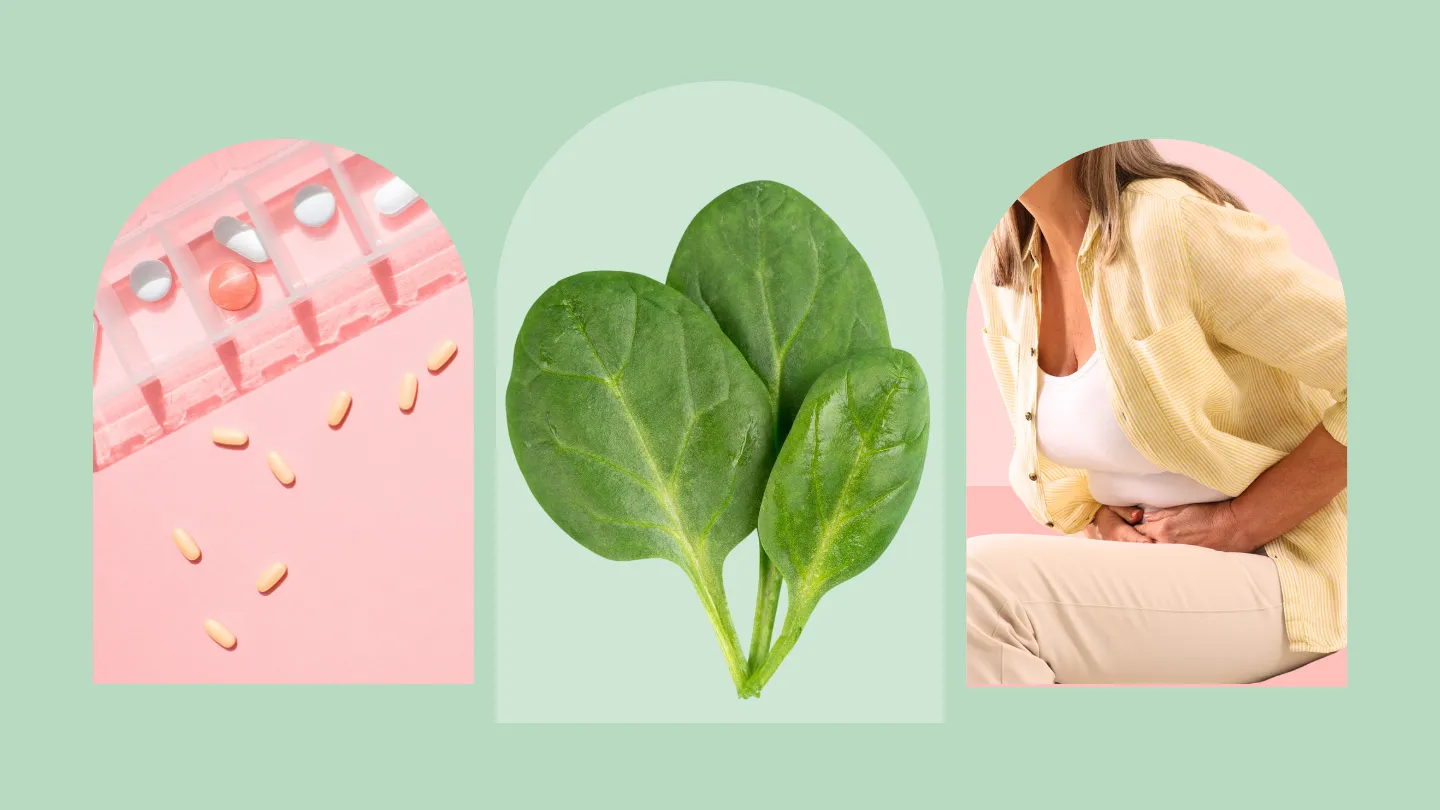
Spinach has one of the best publicists in the vegetable world. It is green, leafy, photogenic, and constantly showing up in smoothies, salads, omelets, pasta bowls, and those “I am definitely starting fresh on Monday” lunch plans. And to be fair, spinach is nutritious. It delivers vitamins, minerals, antioxidants, and fiber in a low-calorie package that makes dietitians nod approvingly.
But even healthy foods can become less healthy when they turn into a daily obsession. That is the catch with spinach. A handful on a sandwich? Great. A side dish with dinner? Also great. A giant spinach smoothie for breakfast, a spinach salad for lunch, and a sautéed spinach mountain at dinner? That is where the plot gets interesting.
This is not an anti-spinach rant. Nobody is trying to cancel leafy greens. The real point is balance. Eating too much spinach can create problems for certain people, especially those with kidney stone risk, people taking blood thinners, or anyone whose digestive system gets dramatic when fiber shows up uninvited. Here are five smart reasons to avoid overdoing it.
Why Spinach Still Deserves Respect
Before we drag spinach into the courtroom, let us acknowledge the obvious: this vegetable has real benefits. It is rich in vitamin K and folate, and it also contains vitamin C, carotenoids, and plant compounds associated with overall health. That is why spinach keeps getting invited to the wellness party.
The problem is not that spinach is “bad.” The problem is that people often assume a healthy food has no upper limit. That is how a perfectly respectable side vegetable becomes the star of every meal. As it turns out, even nutrition all-stars can become a little annoying when they never leave the stage.
1. Too Much Spinach May Raise Kidney Stone Risk in Some People
The biggest caution flag around spinach is its oxalate content. Oxalates are naturally occurring compounds found in many plant foods, but spinach is especially high in them. For people who are prone to calcium oxalate kidney stones, regularly eating a lot of high-oxalate foods can be a problem.
That does not mean spinach causes kidney stones in everyone. Healthy people with no history of stones do not need to panic every time they see a salad bowl. But if you have had calcium oxalate stones before, or your doctor has told you to watch oxalate intake, a huge spinach habit is not the smartest move.
This matters because spinach often gets eaten in concentrated amounts. A massive raw salad, a green juice, and a smoothie can pack in far more spinach than most people would ever eat casually. Suddenly, what looked like a “clean eating” routine turns into a daily oxalate marathon.
What this looks like in real life
Imagine someone who swaps breakfast for a spinach smoothie every day, uses spinach as the base for lunch salads, and piles cooked spinach onto dinner because “more greens = more health.” For a person with stone risk, that is not a gold medal wellness routine. It may be a fast track to regretting several life choices in a urologist’s office.
A better approach is variety. Rotate spinach with lower-oxalate greens like romaine, bok choy, kale in moderate portions, cabbage, or mixed lettuces. You still get vegetables. Your kidneys get less drama.
2. Spinach Can Interfere With Blood-Thinner Management
Spinach is loaded with vitamin K, and vitamin K plays an important role in blood clotting. That is normally a good thing. The catch is that people taking warfarin need a consistent vitamin K intake. Going from “I barely touch greens” to “I am now the mayor of Spinach Town” can affect how the medication works.
This point is often misunderstood. People on warfarin do not always need to avoid spinach completely. In many cases, the bigger issue is inconsistency. If your weekly pattern swings wildly between no spinach and three giant spinach salads, that makes medication management harder.
So the warning is less “spinach is dangerous” and more “do not surprise your prescription with a sudden vegetable personality change.” Anyone taking blood thinners should talk with a healthcare professional before making major diet shifts, especially if spinach is about to become a daily staple.
This is one reason trendy eating plans can backfire. A short-term health kick may seem harmless, but medications do not care about your inspirational grocery haul. They care about stability.
3. Spinach Is Not the Best Choice if You Are Counting on It for Calcium
Spinach contains calcium, which sounds impressive on paper. Unfortunately, the story gets less glamorous once oxalates enter the chat. Those oxalates can reduce calcium absorption, meaning spinach is not the calcium hero many people assume it is.
In other words, spinach may contain calcium, but your body does not get to enjoy all of it efficiently. That is why relying on spinach as a major calcium source is not the best strategy, especially if you are skipping better-absorbed options such as dairy foods, fortified alternatives, tofu made with calcium, or lower-oxalate greens like bok choy and kale.
This matters most for people who build a very repetitive “healthy” diet. They might eat spinach daily believing it is covering every nutritional base. But nutrition does not work like a one-vegetable loyalty program. Variety matters, and spinach is only one player on the team.
There is a second lesson here, too: healthy-looking foods are not always nutritionally perfect in every category. Spinach is excellent for many things, but if your goal is bone-supporting calcium, it should not be your only plan.
4. Your Stomach May Start Filing Complaints
Spinach contains fiber, and fiber is beneficial. It helps support digestion, fullness, and overall gut health. But when people suddenly start eating large amounts of high-fiber foods, the digestive system may respond with bloating, gas, cramps, or constipation, especially if fluid intake does not keep up.
Raw spinach can be particularly sneaky here. It shrinks dramatically when cooked, but raw spinach takes up a lot of volume. That means it is easy to overeat without realizing it. A salad the size of a laptop or a smoothie packed with several handfuls may sound virtuous, but your stomach may interpret it as an ambush.
Some people tolerate that just fine. Others feel like they swallowed a balloon. The difference often comes down to portion size, hydration, and how used the body is to fiber. If your usual diet is low in fiber and then you suddenly decide to consume half a garden before noon, there is a decent chance your intestines will protest.
Common signs that you are overdoing it include feeling overly full, gassy, bloated, or weirdly constipated despite all that “healthy eating.” That is not your body failing. That is your body sending a memo.
How to avoid the digestive backlash
Increase fiber gradually, drink enough water, and mix spinach with other vegetables instead of turning it into your personality. Cooked spinach may also feel easier for some people to digest than giant raw servings. Small changes can keep your gut from becoming the loudest voice in the room.
5. Giant Spinach Habits Can Create Food-Safety and Balance Problems
Leafy greens are healthy, but they are also fresh produce, which means they need proper washing and storage. If you eat spinach constantly, especially raw spinach, you increase your exposure to any food-safety mistakes tied to handling, packaging, refrigeration, or preparation. That is not a reason to fear spinach. It is a reason to respect it.
Prewashed spinach is convenient, but it still has to be stored properly. Fresh spinach should be kept cold, used before it turns slimy, and handled with clean hands. If it is not washed, it should be rinsed under running water. Soap is not recommended. Neither is the old “it probably looks fine” test when the bag has become suspiciously swamp-like.
There is also a broader issue: over-relying on spinach can crowd out variety. When one food shows up at every meal, other nutritious foods often disappear. You miss out on the range of nutrients, textures, and plant compounds that come from eating many different vegetables.
Spinach should be part of a healthy diet, not the entire landscaping plan.
So, How Much Spinach Is Too Much?
There is no universal “spinach police” rule that applies to every person. Too much depends on your health history, medications, overall diet, and portion habits. For many healthy adults, moderate amounts of spinach can fit into a balanced diet without any trouble.
It becomes “too much” when spinach is eaten in very large portions every day, used in multiple meals daily, or treated as the only green worth buying. It also becomes too much when it causes symptoms, conflicts with medical advice, or replaces a more varied eating pattern.
The smartest mindset is simple: spinach is a strong supporting actor, not the only cast member. Mix it with arugula, romaine, kale, bok choy, cabbage, broccoli, collards, peppers, carrots, beans, and other produce. Your plate becomes more interesting, and your nutrition becomes more balanced.
Smarter Ways to Enjoy Spinach Without Overdoing It
You do not need to break up with spinach. You just need boundaries. Use a handful in an omelet instead of half a bag. Combine spinach with other greens in salads instead of using it as the sole base every time. Alternate spinach smoothies with berry smoothies, yogurt bowls, or oatmeal so your blender gets some variety, too.
If you have a history of kidney stones, talk with your doctor or dietitian before making spinach a daily habit. If you take warfarin, be consistent and get personalized guidance. If raw spinach leaves you bloated, try smaller portions or cooked spinach and increase fiber gradually. If your bag of spinach smells like a damp basement, it has already made its decision.
Healthy eating works best when it is flexible, enjoyable, and realistic. That usually means less obsession and more balance.
Everyday Experiences People Often Have After Eating Too Much Spinach
One of the most common experiences is the “healthy smoothie surprise.” Someone starts the week full of ambition, buys a huge tub of baby spinach, and stuffs several handfuls into every morning smoothie. At first, this feels like peak wellness. By day three, though, breakfast starts feeling heavier than expected. There may be bloating, a strange sense of fullness, or the unpleasant realization that the smoothie tastes like the lawn won. The person is confused because the drink is technically healthy, but the portion is doing too much. The lesson is not that smoothies are bad. It is that spinach can become excessive fast when blended in giant amounts.
Another familiar experience happens with the daily lunch salad. A person decides to “eat clean” and commits to a giant spinach salad every single day. For a while, it feels efficient and disciplined. Then boredom kicks in. Digestion may get a little off. The salad stops feeling refreshing and starts feeling like an assignment. This is where healthy eating quietly turns into repetitive eating. Many people discover that they do better when spinach is one option among many, not the only green allowed in the building.
Then there is the cooked-spinach overachiever. This person knows raw spinach shrinks during cooking, so they assume the answer is simple: cook more of it. Suddenly, an enormous skillet full of spinach collapses into what looks like three polite forkfuls, and it becomes very easy to eat a huge amount without noticing. That can be fine for some people, but for others, eating concentrated portions of spinach every night is what pushes them into stomach discomfort or creates concerns if they already have kidney stone risk.
People taking blood thinners sometimes have a different experience altogether. They may not feel any immediate physical symptom from eating more spinach, which can make the issue seem unimportant. But the challenge is consistency. A sudden burst of spinach enthusiasm after weeks of barely eating greens can complicate medication management. In real life, this often happens when someone starts a new diet, follows a friend’s meal plan, or gets serious about “eating better” without thinking about how that change interacts with a prescription.
There are also plenty of people who simply assume spinach is the best vegetable for every goal. Need iron? Spinach. Need calcium? Spinach. Need to feel virtuous? Extra spinach. Over time, many realize that nutrition works better when foods share the workload. Spinach is helpful, but it is not a one-leaf solution to every health question. The most positive experience tends to come from moderation: a sensible portion, mixed with other vegetables, eaten as part of a varied diet. That version of spinach is much easier to live with. And honestly, much easier to enjoy.
Final Thoughts
Spinach absolutely deserves a place in a healthy diet. It is nutritious, versatile, and much more useful than the sad iceberg side salad from a cheap diner. But “healthy” does not mean “limitless.” Too much spinach can matter if you are prone to kidney stones, take warfarin, struggle with digestion, depend on it as a calcium source, or let it crowd out dietary variety.
The practical takeaway is simple: eat spinach, just do not marry it. Rotate your greens, watch portion sizes, pay attention to your body, and keep your overall diet balanced. That is a much smarter strategy than trying to become a human rabbit.