

Nighttime nausea has a special talent for showing up exactly when you would like to do something radical, like sleep. One minute you are fluffing your pillow like a civilized adult, and the next you are bargaining with your stomach as if it were a difficult coworker. The good news is that nausea at night is common, and in many cases, there are practical ways to calm it down.
That said, nighttime nausea is not one-size-fits-all. It can be linked to acid reflux, indigestion, a viral bug, pregnancy, medication side effects, anxiety, migraines, gastritis, or slower stomach emptying. Sometimes it is a temporary annoyance. Sometimes it is your body’s version of a sticky note that says, “Please pay attention.” The trick is knowing what usually helps, what patterns matter, and when home care is not enough.
Below are five smart, realistic ways to overcome nausea at night, plus the common causes worth knowing, examples of what these episodes can feel like in real life, and the warning signs that mean it is time to call a healthcare professional.
Why Nausea Seems Worse at Night
Before we jump into solutions, it helps to understand why nausea may feel more dramatic after dark. When you lie down, stomach contents can move upward more easily, which can worsen acid reflux and heartburn. A heavy dinner, spicy takeout, greasy snacks, alcohol, or a late-night dessert parade can also slow digestion and irritate the stomach. If you took medication in the evening, that timing may matter too. Even stress has a way of getting louder at bedtime, when the room is quiet and your brain suddenly decides to review every awkward moment since middle school.
Nighttime nausea can also happen with pregnancy-related nausea, viral gastroenteritis, ulcers, indigestion, migraines, gastroparesis, or anxiety-related gut symptoms. In other words, the symptom is common, but the cause is not always obvious at first glance. That is why the best approach is usually part symptom relief, part detective work.
1. Sit Up, Slow Down, and Give Your Stomach Some Space
If nausea hits at night, your first move should be wonderfully unglamorous: do less. Sit upright or prop yourself up with pillows instead of lying flat. A reclined-but-not-flat position can reduce the urge to vomit and may help if reflux or indigestion is the culprit.
What to do right away
- Sit upright for at least 30 minutes.
- Loosen tight clothing around your waist.
- Take slow breaths rather than deep, dramatic gulps of air.
- Keep the room cool and avoid strong smells.
- If you just ate, do not head straight back to bed.
These simple steps sound almost too basic, but they are often effective because they reduce pressure on the stomach and lower the chance of reflux. If your nausea is paired with burning in the chest, a sour taste in your mouth, burping, or symptoms that flare after large meals, acid reflux may be playing a starring role.
People with nighttime indigestion often describe a “too full to function” feeling. Others say it feels like their dinner is still holding a meeting in their stomach three hours later. In those cases, posture matters more than most people expect.
2. Choose Bland, Light Foods and Small Sips Instead of a Big “Fix-It” Meal
When you feel nauseated at night, your stomach usually does not want a heroic rescue dinner. It wants calm. That means small sips of fluid, bland foods if you can tolerate them, and no greasy “comfort food” ambushes.
Foods and drinks that may help
- Plain crackers or toast
- Rice, noodles, or plain potatoes
- Broth or clear soup
- Applesauce or bananas
- Small sips of water
- Ice chips, popsicles, or other easy fluids if sipping feels hard
- Ginger tea, ginger ale made with real ginger, or ginger chews if they sit well with you
The key is pace. Sip slowly. Eat small amounts. A giant glass of water or a full plate of food can backfire when your stomach is already irritated. If dehydration is part of the picture, steady intake matters more than speed. Think “tiny but frequent,” not “chug and hope.”
Some people also find peppermint tea soothing, especially if nausea comes with bloating or stomach discomfort. But there is a catch: peppermint can worsen reflux in some people. So if your nausea comes with heartburn, chest burning, or an acidic taste, ginger may be the safer tea-time sidekick.
What to avoid
- Large meals right before bed
- Fried or fatty foods
- Very spicy foods
- Alcohol
- Too much coffee or soda late in the day
- Anything with a strong smell if odors trigger your nausea
If your nausea follows overeating, slowing down your evening meal routine can make a real difference. Several smaller meals during the day may work better than a huge dinner that lands in your stomach like a bowling ball.
3. Manage Reflux Before Bed Like It Is Your Actual Job
Acid reflux is one of the most common reasons people feel nauseated at night. When you lie flat too soon after eating, stomach contents can move upward into the esophagus. That can cause heartburn, nausea, throat irritation, coughing, or a weird sour taste that makes sleep feel impossible.
Better bedtime habits for reflux-related nausea
- Finish dinner at least two to three hours before lying down.
- Eat a smaller evening meal.
- Avoid fatty, spicy, acidic, or very salty foods before bed.
- Consider sleeping on your left side if reflux tends to hit overnight.
- Keep your head elevated if symptoms are frequent.
That “sleep on your left side” advice may sound oddly specific, but many people with reflux say it helps. Gravity and anatomy are doing some behind-the-scenes work there. If your nausea tends to pair with heartburn, regurgitation, or symptoms after pizza, burgers, wings, or midnight hot sauce experiments, reflux is worth suspecting.
For occasional symptoms, some adults use over-the-counter antacids. But if you need them often, or your nausea and reflux keep returning, it is time to check in with a clinician. Repeated nighttime symptoms can point to GERD, gastritis, ulcers, or another digestive issue that needs a proper workup.
4. Track Triggers Like a Detective, Especially Medications, Stress, and Pregnancy
Sometimes nighttime nausea is less about what you do in the moment and more about what set the stage hours earlier. This is where a little detective work can save you a lot of misery.
Common triggers to look for
- New medications or supplements
- Taking medicine on an empty stomach
- Late-night pain relievers, antibiotics, iron, or other stomach-irritating medications
- Stress, panic symptoms, or bedtime anxiety
- Pregnancy
- Migraines
- Viral illness, food poisoning, or a stomach bug
Medication side effects are a sneaky cause. Some drugs are more likely to cause nausea, especially if taken without food. Others can irritate the stomach lining. If symptoms started after a prescription change, a new supplement, or even a medication you only take occasionally, that pattern matters.
Stress can play a role too. The gut and brain communicate constantly, and anxiety can absolutely show up as nausea, stomach discomfort, diarrhea, or that awful fluttery “I am not okay and neither is my digestive system” feeling. If your symptoms tend to spike during stressful periods or after lying down to think about literally everything, building a wind-down routine may help. Try dim lights, slow breathing, light stretching, a fan, or a calm audio track instead of scrolling until your eyes hate you.
Pregnancy is another important possibility. Nausea and vomiting of pregnancy do not only happen in the morning. They can show up in the afternoon, evening, or all day long because apparently the name “morning sickness” enjoys misleading the public. Eating small meals, avoiding an empty stomach, using ginger, and talking with an OB-GYN about vitamin B6 or other treatment options can help. Severe vomiting, weight loss, dark urine, or trouble keeping fluids down can signal dehydration and needs prompt medical advice.
5. Know When Home Remedies Are Fine and When You Need Medical Help
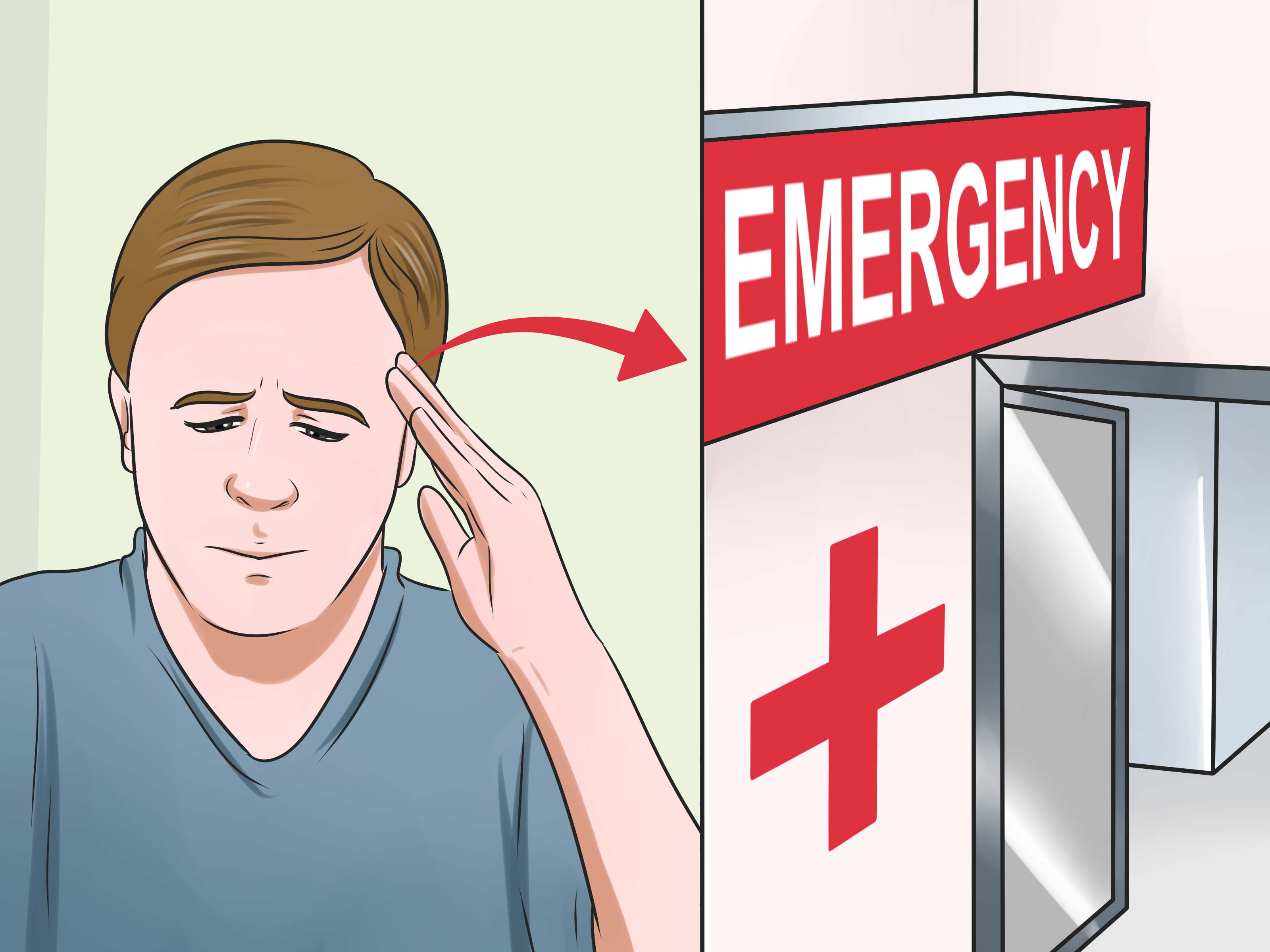
A mild episode of nausea at night after a heavy meal is one thing. Ongoing, severe, or unexplained nausea is another. One of the best ways to overcome nighttime nausea is to stop trying to white-knuckle it for weeks when your body is clearly asking for backup.
Call a healthcare professional if:
- You cannot keep food or fluids down.
- You are vomiting repeatedly.
- Nausea lasts more than 48 hours.
- You have dark urine, dizziness, weakness, or signs of dehydration.
- You have ongoing stomach pain, bloating, or early fullness.
- You are pregnant and symptoms are worsening or not improving.
- You are losing weight without trying.
- You need over-the-counter reflux medicine often.
Get urgent medical care right away if you have:
- Chest pain
- Severe abdominal pain
- Confusion
- High fever with stiff neck
- Vomiting blood or material that looks like coffee grounds
- Fainting or severe lightheadedness
- Signs of an allergic reaction after a medication
These warning signs can point to a more serious issue than ordinary indigestion. Persistent nausea may be related to reflux disease, ulcers, gastritis, gallbladder problems, migraines, cyclic vomiting syndrome, gastroparesis, pregnancy complications, or another medical condition that deserves a real diagnosis.
Common Nighttime Nausea Scenarios and What They Often Mean
“I feel sick after dinner and worse when I lie down.”
This often fits reflux or indigestion. Start with smaller dinners, earlier meals, and staying upright after eating.
“I feel queasy and full for hours, even after a normal meal.”
That may happen with indigestion, gastritis, or delayed stomach emptying. Repeated symptoms deserve medical attention.
“I feel nauseated at night during a stressful stretch.”
Anxiety can absolutely show up in the gut. A calming nighttime routine and trigger tracking may help, but ongoing symptoms should still be discussed with a clinician.
“I started a new medication and now evenings are rough.”
Medication side effects are common. Do not stop a prescription on your own, but do ask your prescriber whether timing, food intake, or a medication change could help.
“I’m pregnant, and the nausea laughs in the face of the clock.”
That is common. Pregnancy-related nausea is not limited to mornings. Small meals, ginger, and checking in with your OB-GYN can make a big difference.
Real-Life Experiences With Nighttime Nausea
For many people, nighttime nausea is less dramatic than a medical TV episode and more like an annoying repeat guest star. It often arrives in familiar ways. Someone eats a giant dinner after a busy day, lies down too soon, and then spends the next hour wondering why their stomach feels like it is auditioning for a disaster movie. Another person notices that every stressful week ends the same way: tight chest, churny stomach, and a strong desire to sleep sitting upright like a traveler on a delayed flight.
One common experience is reflux-related nausea that seems to hit almost on schedule. The person may be totally fine at dinner, but once they are in bed, the burning starts, followed by burping, throat irritation, and that miserable sour feeling in the back of the mouth. They may not even think of it as reflux at first. They just know nighttime makes everything worse. Often, the fix starts with practical changes: earlier dinners, smaller portions, and skipping the late-night snacks that seemed harmless in the moment and deeply suspicious by midnight.
Another experience involves “mystery nausea” that turns out not to be mysterious at all. A person starts a new supplement, iron tablet, antibiotic, pain reliever, or prescription medication. For a few nights, they feel off but blame dinner. Then they realize the timing is too perfect. The nausea shows up after the dose, especially if they took it on an empty stomach. Once they talk with their healthcare professional, they may learn to take it with food, switch the timing, or try another option. Suddenly, the nighttime queasiness is no longer running the household.
Pregnancy-related nausea also gets misunderstood all the time. Plenty of people expect “morning sickness” and then end up most nauseated in the evening. They may feel decent after waking, okay-ish through lunch, and then progressively worse as the day goes on. By bedtime, even brushing teeth can feel like an extreme sport. In those situations, people often say the most helpful strategies were not glamorous. They kept crackers nearby, ate before they got too hungry, used ginger, and paid close attention to hydration. The lesson is simple: the name of the symptom can be misleading, but the experience is very real.
Stress-related nausea can be especially frustrating because it feels physical, yet it may not come with an obvious stomach bug or food trigger. People describe a rolling, unsettled feeling that starts when the lights go off and the mind speeds up. The body is tired, but the nervous system refuses to clock out. In those cases, nausea may improve when bedtime becomes less chaotic. A calmer routine, less screen time, a cooler room, slow breathing, and a little self-awareness can go further than people expect.
Then there are the short-term stomach bug nights, which feel less subtle and more like your digestive system has filed an official complaint. Nausea comes with cramping, diarrhea, or vomiting, and hydration becomes the main goal. People often say the biggest mistake was trying to eat too much too soon. Small sips, simple foods, and patience usually work better than forcing a normal meal.
The shared thread in all these experiences is that nighttime nausea usually has patterns. It may be connected to food, body position, medication timing, pregnancy, illness, or stress. Once people start noticing those patterns, the symptom becomes less random and a lot more manageable. And that, honestly, is half the battle.
Conclusion
If you want to overcome nausea at night, start with the basics that actually work: sit upright, keep food light, sip fluids slowly, avoid lying down after eating, and watch for reflux triggers. Then zoom out and look at the bigger picture. Are medications involved? Are stress, pregnancy, migraines, or repeated digestive symptoms part of the story? Nighttime nausea is often manageable, but it should not be ignored if it keeps coming back or starts bringing friends like vomiting, dehydration, chest pain, or severe abdominal pain.
The goal is not just to survive another queasy night. It is to learn what your body is trying to tell you and respond early. With the right habits, a little pattern tracking, and medical help when needed, most people can reduce nighttime nausea and reclaim their evenings for better things, like actual sleep.