

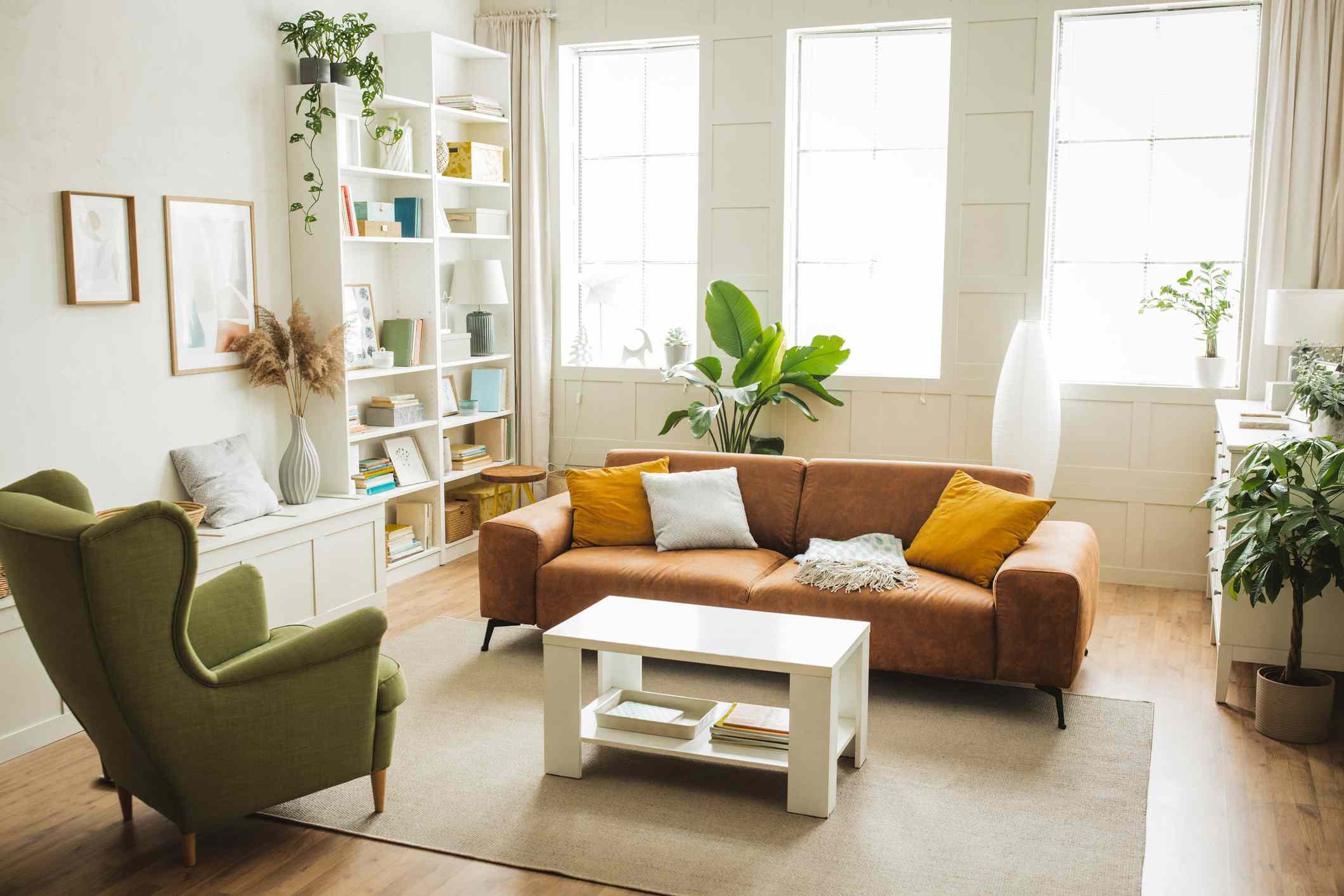
Your living room may have good bones, a decent sofa, and that one coffee table you swear you’ll stop bumping your shin on. And yet, the space still feels… squeezed. Before you blame the floor plan, look up. Your window treatments might be the real culprits.
Designers have been repeating the same message for years because, frankly, people keep committing the same curtain crimes. Rods are mounted too low, fabrics are too heavy, shades are too bulky, and valances are still out here trying to stage a dramatic comeback. The result is a living room that feels darker, shorter, busier, and more boxed in than it actually is.
The good news is that this is one of the easiest design problems to fix without knocking down a wall or selling your sectional. The right window treatments can make a living room feel taller, brighter, and more open. The wrong ones can do the opposite while looking very proud of themselves.
Below are five window treatments designers say can make a living room look cramped, plus what to choose instead if you want the space to breathe a little easier.
1. Too-Short Curtains Hung Right Above the Window
If your curtains stop awkwardly above the floor and your rod is perched just above the window trim, congratulations: your living room is getting visually squished from both directions.
This is one of the most common window treatment mistakes because it seems logical. Many people assume the rod should sit directly over the window frame, almost like a lid on a jar. But that placement visually chops the wall and makes both the window and ceiling look lower. Then, when the curtain panels are too short, the whole setup reads as undersized and slightly accidental.
Why it makes the room feel cramped
Short curtains create a broken vertical line. Instead of drawing the eye upward, they stop it cold. Low rod placement also shrinks the apparent size of the window, which means less visual openness and less architectural drama. In a living room, where every inch of perceived space matters, that’s a costly optical mistake.
What to do instead
Hang curtain rods higher and wider than the actual window. Ceiling height is often your friend here, or at least several inches above the frame. Choose panels that either just graze the floor or hover slightly above it for a polished look. The effect is subtle but powerful: the ceiling appears taller, the window looks larger, and the whole room feels less like it’s wearing pants that are too short.
For a typical living room, this simple adjustment can make builder-grade windows look far more generous. It is one of the rare design hacks that is affordable, high impact, and doesn’t require a three-day emotional recovery period.
2. Bulky Roman Shades That Add Visual Weight
Roman shades are not the enemy. But bulky Roman shades with thick folds, heavy lining, dark fabric, or too much stack at the top of the window? Those can absolutely make a living room feel tighter.
Roman shades are appealing because they look tailored and classic. In the right room, they’re beautiful. In the wrong living room, though, they can become the design equivalent of wearing a puffer coat indoors. They take up visual space, create a heavier top line, and can interrupt the clean openness that smaller or low-light rooms need.
Why it makes the room feel cramped
When Roman shades are raised, the fabric still stacks at the top of the window. If the shade is thick or heavily structured, that stack can eat into the visible glass area and block light. Less visible glass means less daylight and a more closed-in feeling. In a modest-size living room, even a small reduction in natural light can make the whole space feel denser.
What to do instead
Choose slimmer, more streamlined shades if you love the look. Flat Roman shades or light-filtering options tend to feel less bulky than heavily pleated versions. Another smart move is pairing a simple shade inside the window frame with airy drapery panels mounted high and wide outside the frame. That combination gives you privacy and softness without turning the window into a fabric casserole.
If your living room already has enough furniture texture, patterned pillows, and decorative objects, lean toward quieter window treatments. The room doesn’t need your shades to audition for Best Supporting Actress.
3. Heavy, Dark Drapes That Block Natural Light
There’s a time and place for moody velvet drapes. That time is not always “small-ish living room with average ceiling height and limited sunlight.”
Dark, dense drapery can look luxurious, but it also absorbs light and adds visual mass. In a room that already feels a bit snug, that extra weight can make the walls seem closer together. And if the drapes are usually kept partly closed for privacy, the effect is even stronger.
Why it makes the room feel cramped
Natural light is one of the biggest contributors to a spacious-feeling room. When window treatments block too much of it, the room immediately feels smaller, flatter, and less inviting. Dark fabrics also create strong contrast against the wall, making the boundaries of the room feel more pronounced instead of more fluid.
What to do instead
Try lighter, airier materials in soft neutrals or mid-tone colors that reflect light instead of swallowing it. Linen-look panels, cotton blends, and sheers can all keep a living room feeling open while still offering privacy. If you need more light control, layer in a discreet shade behind the drapery rather than relying on one super-heavy panel to do everything.
This does not mean your living room has to become a beige surrender flag. You can still have color and personality. The trick is to choose fabrics that feel breathable rather than dense, and colors that support brightness rather than fight it.
A cream, oatmeal, soft taupe, or muted green panel can still look rich and designer-approved without turning your window wall into a blackout bunker.
4. Oversized Valances and Swags That Crowd the Top of the Room
Valances are one of those design elements that can look charming in exactly the right setting and wildly fussy in most others. In a living room that’s already short on breathing room, oversized valances, swags, jabots, and other top-heavy treatments can make the ceiling feel lower almost instantly.
These treatments tend to add volume where a smaller room needs visual lift. Instead of emphasizing the full height of the wall and the clean outline of the window, they crowd the top portion and make everything feel more decorated than spacious.
Why it makes the room feel cramped
Anything bulky across the top of a window interrupts the upward sightline. Your eye reads that visual stop as a lower ceiling. It can also reduce the visible glass area and make the window feel more ornamental than functional. In plain English: too much fluff, not enough breathing room.
What to do instead
Go simpler. A clean curtain rod, tailored panels, or a sleek shade usually does more for a living room than a heavily dressed window. If you love a traditional look, choose structured drapery with a refined header rather than a decorative topper that hangs like a fabric eyebrow over the room.
This is especially important in homes with standard ceiling heights. In a grand historic house, a dramatic valance may have somewhere to go. In a regular living room, it can read less “elegant salon” and more “the window is wearing a hat too big for its head.”
5. Shutters or Overbuilt Blinds That Visually Chopup the Window
Interior shutters and chunky blinds can be gorgeous in the right architecture, but they can also introduce a lot of lines, divisions, and visual stop signs. In a living room that needs softness and openness, that extra structure can feel surprisingly cluttered.
Plantation shutters are often praised for their timelessness, and fair enough. But in some spaces, especially smaller living rooms or rooms without abundant natural light, they can block portions of the window even when open and create a more segmented appearance than lighter treatments.
Why it makes the room feel cramped
The more lines, slats, frames, and visual interruptions you add to a window, the less expansive it feels. Blinds that are too narrow, too dark, or too prominent can make the glass area feel busy instead of open. And because the living room is where people visually “rest,” anything that adds unnecessary hardness can make the whole room seem tighter.
What to do instead
If you prefer blinds or shades, choose streamlined, low-profile versions that disappear visually when not in use. Recessed shades, light-filtering roller shades, and simple woven treatments often feel cleaner than heavier shutter-style options. If you want architectural character, let the room’s trim, molding, and furniture do some of that work instead of forcing the windows to carry the entire design personality on their backs.
In many living rooms, the best solution is a balance of softness and function: a subtle shade for privacy paired with drapery that frames the window without crowding it.
How to Make Your Living Room Feel Bigger With Smarter Window Treatments
If your goal is a more spacious-looking living room, designers usually come back to the same core principles.
Prioritize height
Mount rods high, keep sightlines vertical, and let the window treatment draw the eye upward.
Protect natural light
Use materials and styles that allow daylight to do its job. Light is free square footage, visually speaking.
Reduce visual bulk
Skip anything overly puffy, heavily layered, or top-heavy unless the room truly has the scale to handle it.
Get the scale right
Panels should look generous, not skimpy. Hardware should feel proportional. The treatment should support the architecture, not fight it.
Keep the look cohesive
Your curtains do not need to scream for attention. In many living rooms, the most effective window treatments are the ones that quietly make everything else look better.
Real-Life Experiences: What People Notice When They Finally Fix These Window Treatment Mistakes
One of the most interesting things about window treatment upgrades is how often people think they need a larger renovation when what they really need is a better curtain rod and a little restraint. Homeowners often describe the same experience after making even a modest change: the room suddenly feels calmer, brighter, and easier to use, even though the furniture has not moved and the square footage has not changed by a single inch.
A very common story goes like this. Someone lives for years with curtain rods mounted just above the window frame because that is where the builder, previous owner, or their own “good enough” energy put them. The curtains are a little short, maybe intentionally because they were afraid long panels would look fussy. Then one weekend they raise the rods closer to the ceiling, widen them a bit, and swap in fuller panels. The reaction is almost always the same: “Why does the room suddenly look finished?” The answer is that the eye now reads more height, more glass, and more openness.
Another familiar experience comes from people who chose dark blackout curtains for a living room because they wanted privacy or thought the darker fabric looked more expensive. On paper, that sounds reasonable. In practice, they begin to notice the room feels gloomy during the day, the corners seem heavier, and the entire seating area takes on the mood of a hotel conference room at 3 p.m. Once those panels are replaced with lighter drapery and a separate shade for privacy, the room often feels more cheerful almost immediately.
There is also a special category of regret reserved for bulky Roman shades and decorative valances. People install them because they look polished in a showroom or a single staged photo. But day to day, they begin to feel like the room is wearing too much jewelry. The top of the window looks crowded, less daylight comes through, and suddenly the ceiling seems lower than they remembered. When those treatments are replaced with something simpler, many people are surprised by how modern and restful the room becomes.
Even shutter lovers sometimes realize that what looked timeless in theory can feel rigid in a softer living room. They may appreciate the durability and privacy but still notice that the window looks visually chopped up. Switching to a cleaner shade or adding drapery panels to soften the frame can make the room feel less sharp-edged and more welcoming.
Perhaps the biggest takeaway from real living room makeovers is that spaciousness is not always about owning less. It is often about seeing more of the window, more of the wall height, and more natural light. People tend to think of window treatments as finishing touches, but in experience, they behave more like mood setters. When they are right, the room exhales. When they are wrong, even a beautiful living room can feel oddly cramped, like it is trying to host guests while holding its breath.
Conclusion
If your living room feels cramped, do not underestimate the power of what is hanging around your windows. Too-short curtains, bulky Roman shades, heavy dark drapes, oversized valances, and overbuilt shutters or blinds can all make the space feel smaller than it is. The fix is not necessarily expensive or dramatic. In many cases, it comes down to better scale, more light, and less visual heaviness.
Choose window treatments that lift the eye, frame the glass, and let your living room breathe. Your sofa may still be the star, but your windows should at least stop sabotaging the cast.