

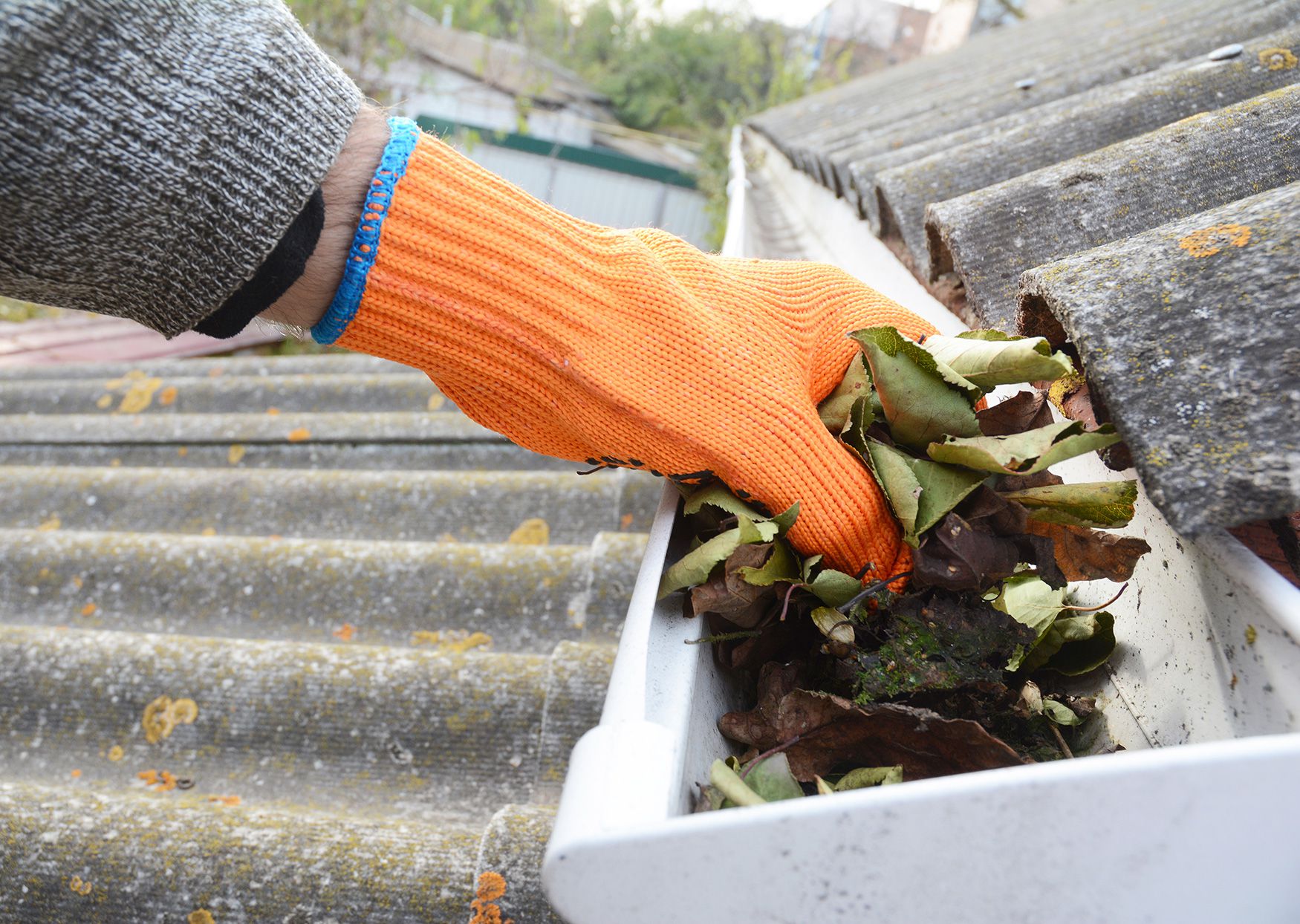
Gutters are the unsung heroes of your housequietly hauling gallons of water away from your roof, siding, and
foundation like they’re on a deadline (because they are). When they’re clean and flowing, you’ll never notice.
When they’re clogged, you’ll notice in the fun ways: mystery drips, soggy landscaping, stained siding, damp
basements, and that one corner of your foundation that suddenly looks like it’s auditioning for a documentary.
The problem is that gutter cleaning looks deceptively simple. It’s not rocket science… but it is “climb a ladder,
lean near the edge of your home, and handle wet sludge” science. Most “gutter disasters” don’t come from one
dramatic event. They come from small, common mistakes that stack upuntil your home (or your ankles) files a
complaint.
Let’s keep your gutters boring (the highest compliment in home maintenance). Below are six gutter-cleaning mistakes
that can lead to expensive damage, plus safer, smarter ways to handle the jobwith specific examples you can actually
use this weekend.
Quick Reality Check: What Gutters Actually Protect
Your gutter system isn’t just a “leaf collector” attached to your roofline. It’s a drainage system designed to:
- Move water away from the foundation so it doesn’t pool, seep, or erode soil.
- Prevent roof-edge water backup that can damage fascia, soffits, and roof decking.
- Reduce siding stains and rot caused by constant overflow or splashback.
- Protect landscaping by keeping runoff from carving trenches in your mulch beds.
If your gutters fail, the water doesn’t disappearit just starts freelancing. And water is an overachiever.
It will find the most inconvenient path possible.
Mistake #1: Cleaning “Whenever You Remember” Instead of on a Schedule
The most common gutter mistake is also the most innocent-sounding: “I’ll do it later.” Later turns into
“after the holidays,” then “after winter,” then suddenly you’re cleaning a gutter ecosystem with its own
zip code.
Why it’s risky
Debris doesn’t just sit there politely. Leaves compact, seeds sprout, and wet gunk turns into a heavy sludge
that can stress brackets and pull gutters away from the fascia. Clogs also force water to overflow right where
you don’t want itnear the foundation and exterior walls.
What “often enough” looks like in real life
- Baseline: clean at least twice a year (typically spring and fall).
- If you have trees nearby: increase frequency, especially after heavy leaf drop or storms.
- If you see roof “grit” in the gutters: that’s a sign to inspect more often, because water may not be draining cleanly.
Specific example
A home with two big oak trees can clog fast in late fall. If you wait until winter, you may be chipping out
a soggy leaf-brick while the downspouts are frozen and the ground below is slick. That’s not maintenance.
That’s a low-budget action movie.
Do this instead
Put gutter cleaning on your home calendar the same way you treat smoke detector batteries: boring, scheduled,
and non-negotiable. If you’re hiring it out, schedule earlypros book up in peak seasons.
Mistake #2: Cleaning at the Worst Possible Time (Weather, Season, and Timing)
Some gutter cleanings are productive. Others are just you fighting gravity in bad conditions.
Timing matters more than most homeowners think.
Why it’s risky
- Wet debris is heavier and harder to remove, increasing strain on gutters and your body.
- Windy days turn ladders into a terrible idea and leaf blowers into confetti cannons.
- Freezing temps can create ice hazards, and water trapped in gutters can freeze and block drainage.
Common “bad timing” scenarios
- Cleaning during or right after a storm because you noticed overflow (the ladder will be extra thrilled).
- Waiting until after the rainy season starts, when clogs have already pushed water where it shouldn’t go.
- Ignoring gutters in cold climates until snow and freeze-thaw cycles are activeprime time for backups.
Do this instead
Aim for a dry day with mild temps and little wind. If your area gets heavy fall storms, clean before the storm
season startsnot as an emergency response. In cold climates, a late-fall cleanout can reduce winter surprises.
Bonus: if your gutters overflow only in certain sections, the issue may be a downspout clog or a pitch
problemnot “more leaves.” Cleaning at the right time gives you clearer clues.
Mistake #3: Skipping Safety Gear (and Treating Gutter Gunk Like It’s Harmless)
Gutter debris isn’t just “leaves.” It’s leaves plus roof grit, twigs, pollen, insect remains, moldy sludge,
and whatever mystery material fell up there during that one windy night.
Why it’s risky
- Hands: sharp twigs, metal edges, and hidden screws/nails can cause cuts.
- Eyes: dry debris can blow back when scooping or flushing, especially near corners and outlets.
- Feet: slipping is a major hazardon the ladder and on the ground below.
Do this instead (simple, not overkill)
- Gloves: sturdy work gloves (not your “I wash dishes in these” gloves).
- Eye protection: basic safety glasses, especially if using a blower or hose spray.
- Non-slip footwear: solid grip matters more than style.
- Clothing you don’t love: because gutter sludge is clingy and emotionally unavailable.
Specific example
If you scoop without gloves and hit a hidden clump of pine needles mixed with roof granules, you can scrape
your knuckles on the gutter edge. Then you’ll finish the job with one hand while questioning every life choice
you’ve ever made. Gloves are cheaper.
Mistake #4: Unsafe Ladder Setup (The Fastest Way to Turn a Chore into a Hospital Visit)
The gutters are not the most dangerous part of gutter cleaning. The ladder is.
A “quick climb” becomes risky when the ladder is too short, poorly placed, or used like a leaning chair.
Why it’s risky
- Soft ground can let ladder feet sink or slide.
- Overreaching shifts your center of gravity and can tip the ladder.
- Leaning the ladder on the gutter can dent or loosen the system you’re trying to protect.
- Working alone raises the stakes if something goes wrong.
Safer ladder habits that actually work
- Choose stable footing: flat, dry ground whenever possible.
- Use a standoff/stabilizer: it helps keep the ladder off the gutter and improves stability.
- Move the ladder often: don’t “stretch” to reach more gutter than you should.
- Have a spotter: even if they’re just there to steady and hand you tools.
Specific example
If you try to clean a long run of gutter from one ladder position, you’ll lean farther with every scoop.
Your shoulders say “I can reach,” but physics says “please don’t.” Repositioning feels slower, but it’s faster
than dealing with a dented gutter and a bruised ego (or worse).
If you’re uncomfortable with heights, your roofline is steep, or your ground is uneven, this is a strong sign
to hire a pro. There’s no prize for “Most Determined DIY Ladder Moment.”
Mistake #5: Using the Wrong Tools (or Using the Right Tools in the Wrong Way)
The wrong tool won’t just slow you downit can damage your gutters, your roof edge, or your landscaping.
And yes, your gutters remember.
Classic tool mistakes
- Metal shovels, garden spades, or rakes that scratch, dent, or pry at seams.
- Pressure washers on “full send” that can blast water behind siding or loosen materials if used carelessly.
- Leaf blowers aimed randomly that pack debris into corners or shove it straight into the downspout outlet.
- “Whatever’s in my garage” when what you actually need is one simple scoop and a hose.
Tools that tend to be safer and more effective
- Plastic gutter scoop or a small plastic trowel/spatula-style tool.
- Bucket or debris bag (so you’re not creating a sludge runway below).
- Garden hose with a spray nozzle for flushing after you scoop.
- Plumber’s snake/auger for stubborn downspout clogs (when appropriate).
- Gutter-cleaning attachments for wet/dry vacs or blowers (useful, but only if you can control the mess).
Specific example
If you blast a pressure washer up under the roof edge to “get it extra clean,” you can force water where it
doesn’t belong. A better approach is to scoop first, then gently flush toward the downspout direction so debris
moves outnot deeper into the system.
Pro tip: start with the simple method (scoop + flush). Add gadgets only if they truly help your setup.
Sometimes “high-tech” just means “high-splash.”
Mistake #6: Stopping When It Looks Clean (Instead of Confirming It Actually Drains)
This is the sneaky one. The gutter can look spotless while the downspout is still clogged, the outlet is blocked,
or the slope is off. That’s like washing your car and forgetting the windshield. It’s clean, but not functional.
Why it’s risky
If water can’t exit through the downspout, it will overflow at the worst spotoften right next to the foundation,
or behind the gutter where you can’t see it until damage shows up.
What to check after cleaning (the “proof” step)
- Flush with water: run a hose and watch whether water moves smoothly to the downspout.
- Confirm downspout flow: water should exit quickly and clearly at the bottom.
- Inspect seams and corners: look for drips, separated joints, or corrosion spots.
- Check hangers and sagging sections: a sag can create a permanent puddle zone where debris collects again.
- Look at extensions/splash blocks: make sure water is directed away from the foundation.
Where gutter guards fit (and where they don’t)
Gutter guards can reduce debris buildup and make maintenance less frequent, but they’re not “install and forget.”
Fine debris can still accumulate, and some guards can create their own issues if installed poorly or never inspected.
Think of guards as a helpful assistantnot a magical forcefield.
10-Minute Post-Clean Inspection Checklist
If you do nothing else beyond scooping, do this. It’s the difference between “clean” and “working.”
- Walk the perimeter: scan for sagging, separated sections, rust, or peeling paint near gutters.
- Flush each run: hose water should travel steadily to the downspout.
- Verify downspout exit: confirm strong flow at the bottom (not a sad trickle).
- Check extensions: make sure they send water away from the house, not into your flowerbeds.
- Look at the ground after rain: puddles near the foundation suggest drainage still isn’t right.
When to Hire a Pro (And Why That’s Not “Cheating”)
DIY is greatuntil it’s not. Consider professional gutter cleaning if:
- Your home is two stories or more, or you’re dealing with steep rooflines.
- You have uneven ground that makes ladder placement tricky.
- You’ve noticed persistent overflow even after cleaning (possible pitch/downspout issues).
- There are signs of gutter separation, rot, or repeated clogs in the same location.
- You suspect nests, pests, or heavy buildup and don’t want to surprise yourself mid-scoop.
Pros can also spot problems you might misslike loose hangers, failing seals, or a downspout that’s technically
attached but functionally just decorative.
Experience-Based Add-On: Lessons People Learn the Hard Way (So You Don’t Have To)
To make this extra practical, here are experience-based patterns contractors and homeowners commonly describerealistic
scenarios that show how small gutter mistakes turn into expensive ones. Think of these as “field notes,” not a
scare tactic.
1) The “It’s Fine” Overflow That Was Actually a Downspout Plug
A homeowner cleans the visible gutter run until it looks perfectno leaves, no twigs, no drama. The next rainstorm,
the gutter still overflows in the same spot. The assumption is “more leaves must have blown in.” But the real problem
is a compacted clog inside the downspout elbow. Water hits the blockage, backs up, and spills over the front edge like
a miniature waterfall feature nobody asked for.
The lesson: cleaning is only half the job; confirming drainage is the other half. If you don’t flush and
verify exit flow, you can “clean” the same gutter three times and still have the same problem.
2) The Ladder That “Seemed Stable” Until It Wasn’t
Another common story starts with a ladder on slightly soft soil near a garden bed. Everything feels fineuntil the
homeowner reaches a little too far to avoid moving the ladder again. The ladder foot shifts just enough to trigger a
panic wobble. Sometimes it ends with a lucky catch; sometimes it ends with a fall. In the best-case scenario, the gutter
gets dented where the ladder pressed into it, creating a low spot that traps water and debris. Now that section clogs
faster forever. Congrats! You’ve invented a “maintenance subscription” for yourself.
The lesson: repositioning the ladder is faster than recovering from an accident. Also, using a standoff
helps avoid turning your gutter into a ladder bumper.
3) The Power-Washing “Shortcut” That Turned into Interior Stains
People love shortcuts. A pressure washer feels like the ultimate shortcut: aim, blast, done. But gutters are connected
to roof edges, fascia boards, and areas where water can sneak behind materials if you spray aggressively or at the wrong
angle. Homeowners sometimes report that everything looked great outsideuntil a few days later when a brown ceiling stain
appeared near an exterior wall. Was the gutter “clean”? Sure. Did the water go where it belonged? Not entirely.
The lesson: use controlled flushing, not brute force. Scoop first, then rinse gently toward the downspout.
Save the pressure washer for surfaces designed to take that kind of punishmentand even then, start cautiously.
4) The Surprise Garden Growing in the Gutter
This one is almost funny until it isn’t: seeds land in gutters, mix with compost-like debris, and sprout. The tiny green
growth looks harmlesslike your house is embracing nature. But roots and compacted soil hold moisture against metal and
seams. Over time, that can contribute to rust, separation, and leaks at joints. Meanwhile, the added weight stresses the
brackets and can pull gutters away from the fascia.
The lesson: if you see green up there, treat it like a warning light, not an aesthetic choice.
5) The “Guards Mean I’m Done Forever” Myth
Gutter guards can be great, but the most common disappointment happens when homeowners install guards and then ignore the
system for years. Fine debris can still collect, especially in valleys, corners, and near downspout outlets. Some guard
styles can even hide buildup until water suddenly overflows during a major storm. Then it feels like the guards “failed,”
when the real issue is that the gutters were never inspected again.
The lesson: guards reduce the workload; they don’t erase it. Plan quick checkups, especially after storms.
If there’s one theme across these experiences, it’s this: most gutter disasters start as small, fixable issues. A simple
schedule, safer ladder habits, the right tools, and a “prove it drains” rinse test will prevent the majority of expensive
surprises. Keep the system boring, and your house will thank you by not leaking.
Conclusion
Gutter cleaning shouldn’t be a heroic saga. It should be a routine that protects your roofline, foundation, and peace of
mind. Avoid the six mistakes aboveespecially unsafe ladder habits and skipping the drainage checkand you’ll prevent the
most common (and costly) outcomes: overflow, hidden leaks, erosion, and repeated clogs.
Remember: the goal isn’t “gutters that look clean.” The goal is “gutters that move water away from your house every time
it rains.” That’s the kind of boring success story your home deserves.