

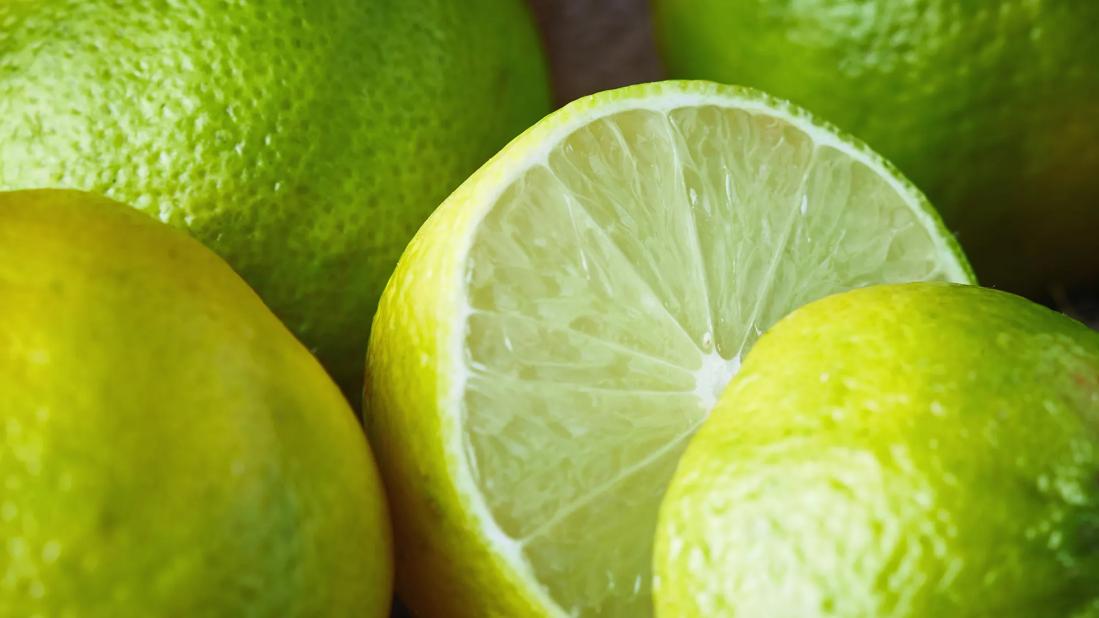
Limes are the overachievers of the produce drawer. They are small, cheap, easy to ignore, and somehow always end up doing the most. A squeeze wakes up boring water, rescues bland tacos, brightens grilled fish, and makes avocado taste like it suddenly got its life together. But beyond flavor, limes bring real nutritional value to the table.
If you have ever wondered whether that little green citrus fruit is actually doing anything useful besides making your drink look fancy, the answer is yes. Limes contain vitamin C, helpful plant compounds, and citric acid that may support several parts of your health. No, they are not magic. They will not turn a fast-food-heavy week into a wellness retreat. But used regularly as part of a balanced diet, limes can absolutely pull their weight.
Here are six smart, evidence-based reasons limes are good for you, plus practical ways to enjoy them without turning every meal into a sour dare.
Why limes deserve a little more respect
Before getting into the six reasons, it helps to understand what limes bring nutritionally. Limes are low in calories and supply vitamin C along with small amounts of other nutrients and naturally occurring plant compounds found in citrus fruits. They are not usually eaten in large amounts like oranges or apples, but that does not make them nutritionally irrelevant. In fact, limes often work best as a “booster food,” meaning they improve the flavor and nutritional value of other healthy foods you are already eating.
That matters more than people think. Healthy eating is rarely about one heroic superfood. It is usually about habits. And limes are excellent at making healthy habits taste less like punishment.
1. Limes are a handy source of vitamin C
The biggest nutritional headline for limes is vitamin C. This nutrient helps protect cells from oxidative stress and supports many normal functions in the body. It is especially well known for its role in immune support, tissue repair, and collagen production.
Vitamin C is one of those nutrients that sounds almost too familiar, which is probably why people underestimate it. But it matters every single day. Your body uses it to maintain skin, blood vessels, connective tissue, and other structures that would prefer not to fall apart, thank you very much.
Limes are not the most concentrated vitamin C food in the produce section, but they still contribute. When you add lime juice to water, beans, seafood, salad, fruit, or vegetables, you are not just adding flavor. You are also adding a nutrient that many people actively try to get more of through their diet.
Why this matters in real life
Vitamin C is water-soluble, which means your body does not store huge amounts of it for later. Regular intake matters more than occasional mega-doses. A lime squeezed over dinner is not dramatic, but it is consistent. And nutrition often rewards consistency more than theatrics.
2. Limes contain antioxidants that help protect your cells
Limes also provide antioxidants, including vitamin C and citrus plant compounds such as flavonoids. Antioxidants help neutralize unstable molecules called free radicals, which can contribute to cell damage over time. That does not mean one lime cancels out every late night, sunburn, or questionable drive-thru decision. It means limes contribute to the bigger picture of a diet rich in fruits and vegetables.
Citrus fruits have been studied for their beneficial plant compounds for years. Researchers are especially interested in flavonoids because they appear to support overall health through antioxidant and anti-inflammatory effects. This is one reason citrus fruits keep showing up in discussions about heart-friendly eating patterns and healthy aging.
In plain English, limes help your diet look a little more like the kind of diet health professionals keep recommending: one that leans heavily on colorful plant foods instead of heavily processed snacks that come with a paragraph-long ingredient list.
Whole fruit beats “lime-flavored” anything
There is a big difference between real lime and a neon “lime blast” beverage. Actual lime gives you naturally occurring compounds from fruit. A lime-flavored soda mainly gives you branding. Your body can tell the difference, even if the can is extremely confident.
3. Limes support collagen production and everyday tissue repair
Vitamin C is essential for making collagen, an important protein in skin, ligaments, blood vessels, cartilage, and other connective tissues. That is one reason nutrition experts connect vitamin C with wound healing and normal tissue maintenance.
This is where limes quietly become more useful than their size suggests. They are not just garnish. They support a process your body relies on all the time: repairing itself. Every scraped knee, healing cut, stressed tendon, and weather-beaten patch of skin depends in part on adequate nutrition, including vitamin C.
Of course, eating limes will not replace sunscreen, sleep, protein, or a generally nutritious diet. But they do fit nicely into a pattern that supports healthy skin and tissue. Add lime to a meal that already includes vegetables, lean protein, healthy fats, and whole grains, and now you are giving your body a more complete toolbox.
A beauty angle that is actually not silly
People often talk about citrus in terms of “glow,” which can sound suspiciously like something written on the back of an overpriced face serum. But the basic idea is not nonsense. Nutrients involved in collagen production and antioxidant defense do matter for skin health. The key is to think food first, miracle claims never.
4. Limes can help your body absorb iron from plant foods
This is one of the most underrated reasons limes are good for you. Vitamin C helps your body absorb non-heme iron, the type of iron found in plant foods like beans, lentils, spinach, tofu, and fortified grains. So when you squeeze lime over black beans, lentil soup, chickpea salad, or sautéed greens, you are not just improving the taste. You are helping your body use the iron in that meal more effectively.
That is especially helpful for people who eat mostly plant-based meals, for anyone trying to build more balanced plates, and for people who simply do not want their healthy lunch to be nutritionally outsmarted by poor pairing choices.
Think about how many classic foods already get this right by accident or tradition: beans with lime, tacos with lime, grain bowls with lime vinaigrette, hummus with lemon or lime, greens with citrus dressing. A lot of beloved dishes are basically delicious nutrition strategy.
Simple upgrade ideas
- Squeeze lime over black beans or pinto beans.
- Add fresh lime juice to spinach salad dressing.
- Finish lentil soup with lime before serving.
- Use lime in marinades for tofu, shrimp, or chicken paired with vegetables and grains.
It is one of the easiest nutrition wins available. No blender. No powder. No wellness influencer whispering about “biohacking.” Just a lime.
5. Lime juice may help lower the risk of some kidney stones
Limes contain citrate, and citrate matters when kidney stones enter the conversation. Health experts often note that lemon and lime juice can help increase citrate in urine, which may make it harder for certain stones to form. This does not mean limes are a cure-all, and it definitely does not mean everyone with kidney stones should self-treat based on citrus confidence alone. But as part of a broader prevention plan, lime juice can be useful.
This benefit is one reason lime water gets so much attention. Water is still the real hero for kidney stone prevention because good hydration helps dilute the substances that can form stones. But adding lime may provide an extra advantage, especially if it encourages you to drink more water in the first place.
There is one important catch: sugar. A low-sugar lime drink is very different from a giant sweetened limeade that tastes like summer but behaves like dessert. If your goal is health, go for water, sparkling water, or lightly sweetened drinks rather than turning lime into an excuse for a liquid candy situation.
Best way to think about this benefit
Lime is not a stand-alone treatment. It is a smart supporting player. If you have a history of kidney stones, talk with a healthcare professional about the type of stones involved and the best prevention plan for you.
6. Limes make healthy eating and hydration easier
Sometimes the best health benefit is not a nutrient chart. It is behavior. Limes make water, vegetables, seafood, beans, salsa, yogurt sauces, salads, and fruit taste brighter and more satisfying. That can help people eat more nutrient-dense foods and rely less on heavy sauces, excess salt, or sugary drinks.
This is a bigger deal than it sounds. A lot of healthy foods are not unpopular because they are bad. They are unpopular because they are boring. Lime fixes boring. It adds acidity, freshness, and aroma, which can make a simple meal feel much more complete.
Try a few common swaps:
- Use lime juice in sparkling water instead of soda.
- Use lime and herbs to flavor grilled chicken or fish instead of a sugary bottled glaze.
- Add lime to fruit salad instead of syrupy toppings.
- Mix lime juice with olive oil, garlic, and spices for a fast homemade dressing.
- Finish roasted vegetables with lime instead of adding more salt.
When a food makes healthy choices more appealing, that food is doing something valuable. Limes do not just offer nutrients. They help create better routines.
What is the best way to eat limes?
The easiest answer is: however you will actually use them. Fresh lime juice is the obvious choice, but zest is underrated and packed with citrus aroma. Add it to marinades, yogurt sauces, slaws, soups, rice, or grilled vegetables. Pair lime with avocado, fish, beans, cucumbers, watermelon, berries, and leafy greens for easy flavor combinations that feel fresh instead of forced.
If you enjoy lime water, great. Just remember that plain water is still excellent, and more lime is not always better. Very frequent exposure to acidic drinks can affect tooth enamel over time, so it is smart to enjoy citrus as part of meals, rinse with water afterward, and avoid slowly sipping acidic drinks all day long like your water bottle is moonlighting as a chemistry experiment.
Are there any downsides?
For most people, limes are a healthy addition to meals and drinks. But moderation still matters. Too much acidic citrus can irritate the mouth or stomach in some people, and frequent acidic beverages may not be great for sensitive teeth. Also, if all your lime is arriving in a heavily sweetened drink, the health halo starts to wobble a bit.
The goal is not to worship limes. The goal is to use them intelligently.
Everyday experiences with limes: what this looks like in real life
One reason limes are so easy to stick with is that they fit into ordinary routines without demanding a personality change. Nobody has to become “a citrus person” or start posting photos of infused water at sunrise. Limes work quietly, which may be their best quality.
For many people, the first noticeable change is hydration. Plain water can feel a little dull, especially for those who are used to soda, juice, or sweet coffee drinks. Add a wedge of lime to cold water or sparkling water, though, and it suddenly feels intentional. Not magical, not medicinal, just better. That small improvement can make it easier to drink more fluids across the day, especially in hot weather, after exercise, or during long afternoons when everything tastes like office air.
Then there is the cooking side. A squeeze of lime at the end of a meal often changes everything. Black bean bowls taste brighter. Grilled shrimp tastes fresher. Avocado toast stops feeling flat. Even a simple salad with olive oil and lime feels more lively than a heavy bottled dressing. People often describe this as food tasting “cleaner” or “fresher,” which is really just another way of saying acidity helps balance flavor. And when healthy food tastes balanced, it is a lot easier to keep eating it.
Limes are also useful in households where someone is trying to cut back on sodium or sugar. Instead of relying on extra salt to wake up vegetables or extra sweetness to make drinks interesting, lime adds punch with very few calories. That makes it feel like you are adding something, not subtracting joy from your life. This matters because sustainable eating habits usually come from meals that still feel satisfying.
Another common experience is rediscovering plant-based meals. Beans, lentils, grain bowls, fajita vegetables, and chopped salads often taste dramatically better with lime. That can make higher-fiber meals more appealing, which is good news for anyone trying to eat more fruits, vegetables, and legumes without feeling like every dinner is a nutrition lecture.
People also tend to use limes more during periods when they are paying closer attention to wellness, such as after holidays, during summer, or when trying to get back into cooking at home. They are inexpensive, easy to find, and instantly make simple meals feel less repetitive. That is not a trivial benefit. “Healthy eating fatigue” is real, and limes are one of those tiny ingredients that help prevent it.
In the end, the experience of using limes regularly is less about dramatic transformation and more about steady improvement. Water becomes easier to drink. Nutritious meals become more enjoyable. Fresh foods feel less boring. And a small, tart fruit starts quietly supporting better choices from breakfast to dinner. That is not flashy, but honestly, it is how most real health progress happens.
Conclusion
Limes may be small, but they bring a lot to the plate. They provide vitamin C, offer antioxidant compounds, support collagen production, help your body absorb iron from plant foods, may assist with kidney stone prevention in some cases, and make healthy foods and drinks far more enjoyable. That last point deserves extra respect because the healthiest diet in the world is useless if nobody wants to eat it.
So yes, limes are good for you. Not because they are trendy, not because they are secretly medicine, and not because wellness culture declared them photogenic. They are good for you because they add real nutritional value and make healthy habits easier to keep. That is the kind of health benefit that actually survives contact with real life.