

Labor is many things: powerful, exhausting, emotional, messy, and somehow both the longest workout of your life and the least convenient time to realize you are starving. After all the pushing, breathing, monitoring, ice chips, and dramatic declarations that you are “never doing this again,” your body deserves more than a lonely packet of crackers.
Postpartum food does not need to be bland, joyless, or served with a side of unsolicited advice. The best foods to eat after labor are simple, nourishing, easy to digest, and rich in the nutrients your body uses for recovery. Think protein for healing, iron after blood loss, fiber for the first postpartum bathroom trip nobody adequately warns you about, and plenty of fluids.
And yes, we will discuss the sushi situation. You spent months staring longingly at spicy tuna rolls from across the table. You deserve answers, not vague internet panic.
Why Your First Postpartum Meals Matter
The hours and days after childbirth are not about “bouncing back.” They are about recovering, resting, feeding a newborn, healing from vaginal delivery or surgery, and figuring out how someone so tiny can require seventeen diaper changes before breakfast.
A balanced postpartum diet can help support energy, wound healing, bowel regularity, hydration, and breastfeeding needs. If you are breastfeeding, your calorie needs may increase compared with before pregnancy, but the exact amount varies based on activity level, body size, feeding pattern, and whether you are exclusively breastfeeding.
The goal is not to eat perfectly. The goal is to eat regularly enough that you do not become a shaky, weepy, sleep-deprived person trying to make life decisions while holding a baby and half a granola bar.
What to Prioritize After Labor
Protein for recovery
Protein supports tissue repair and helps you stay full between feedings, pumping sessions, newborn cuddles, and those mysterious moments when the baby is asleep but you are somehow still too busy to eat.
Iron after delivery
Blood loss during childbirth is normal, but it can leave some people feeling depleted. Iron-rich foods can be especially useful after delivery, particularly if you had anemia during pregnancy or significant bleeding during birth. Your clinician may also recommend bloodwork or an iron supplement based on your individual recovery.
Fiber and fluids
Constipation after birth is extremely common. Hormonal changes, pain medicines, reduced movement, dehydration, fear of pushing, and pelvic-floor soreness can all turn a bathroom visit into an unwanted emotional subplot. Fiber-rich foods plus water can help keep things moving more comfortably.
Easy-to-eat energy
New parents need foods that work with reality. If a meal requires twelve pans, three specialty ingredients, and a culinary degree, it is probably not making an appearance during the newborn stage. Convenient foods are not “less healthy” when they help you actually eat.
7 Healthy Foods to Eat Right After Labor
1. Chicken, Turkey, or Lentil Soup
Soup is one of the most practical postpartum foods because it checks several boxes at once: fluid, protein, vegetables, carbohydrates, and comfort. It is also easier to eat when you are tired, sore, overwhelmed, or trying to balance a baby on one arm like a very adorable kettlebell.
A chicken-and-vegetable soup can provide protein, while lentil soup adds plant-based protein, iron, fiber, and folate. Add whole-grain bread, brown rice, or a baked potato on the side for extra energy.
For an iron-friendly bowl, include lentils, beans, turkey, beef, spinach, or fortified grains. Pair plant-based iron foods with vitamin C-rich ingredients such as tomatoes, bell peppers, citrus, or strawberries, which can help your body absorb non-heme iron more effectively.
Easy postpartum idea: Keep frozen homemade soup portions or store-bought low-sodium soup in the freezer. Add canned beans, rotisserie chicken, frozen spinach, or microwavable brown rice to make it more filling.
2. Eggs on Whole-Grain Toast With Avocado
Eggs are postpartum MVPs. They are fast, affordable, easy to chew, and full of high-quality protein. They also contain choline, a nutrient involved in brain and nervous-system function and especially important during pregnancy and breastfeeding.
Whole-grain toast adds carbohydrates and fiber, while avocado contributes healthy fats and a creamy texture that feels slightly more luxurious than it has any right to at 3:00 a.m.
You can make this meal as simple or as fancy as your energy allows. Scrambled eggs on toast count. A fried egg with avocado and tomato counts. A breakfast sandwich you eat while standing in the kitchen because the baby woke up again also counts.
Easy postpartum idea: Top the toast with eggs, avocado, sliced tomato, and a sprinkle of pumpkin seeds. The seeds add crunch, magnesium, zinc, and a little extra iron.
3. Greek Yogurt With Berries, Oats, and Nuts
Greek yogurt is one of the easiest high-protein snacks for the early postpartum period. It can provide protein and calcium, while berries bring fiber and vitamin C. Oats add satisfying carbohydrates, and nuts or nut butter offer healthy fats that help make the meal more filling.
This is a particularly useful option when you need food with one hand. You can prepare it in a jar before bed, stash it in the refrigerator, and grab it during a middle-of-the-night feeding session.
Choose plain or lightly sweetened yogurt when possible, then add fruit, cinnamon, honey, or peanut butter for flavor. Your postpartum body does not need a lecture about dessert, but it may appreciate something more substantial than a sugar crash.
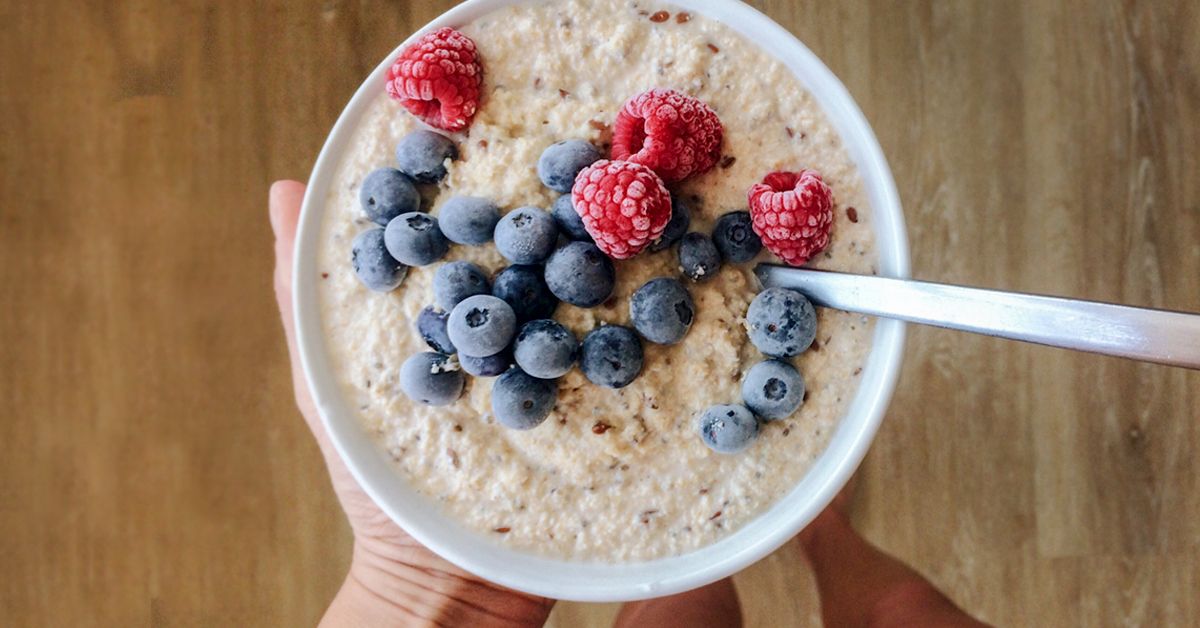
Easy postpartum idea: Combine Greek yogurt, blueberries, rolled oats, chia seeds, walnuts, and a drizzle of maple syrup. It is basically a snack, breakfast, and small act of self-respect in one bowl.
4. Oatmeal With Fruit and Nut Butter
Oatmeal is soft, warm, easy to digest, and endlessly customizable. It offers fiber, which may help support bowel regularity, and it can be made more substantial with milk, soy milk, nut butter, fruit, seeds, or yogurt.
Many new parents hear that oatmeal is a magical milk-supply food. The truth is less dramatic: no single food reliably guarantees a bigger milk supply. Regular feeding or pumping, effective milk removal, hydration, adequate nutrition, and support from a lactation professional matter far more.
Still, oatmeal remains a fantastic postpartum food because it is inexpensive, comforting, and easy to eat when sleep deprivation turns choosing breakfast into an advanced logic puzzle.
Easy postpartum idea: Make oatmeal with milk, stir in peanut or almond butter, and top it with banana, berries, and hemp seeds. Add cinnamon for flavor and pretend you are at a wellness retreat instead of wearing the same shirt for the third day in a row.
5. Salmon With Sweet Potato and Greens
Salmon is a strong choice for postpartum recovery because it provides protein and omega-3 fats, including DHA and EPA. Fish also contributes nutrients such as vitamin D, iodine, and selenium, depending on the type of fish.
Sweet potatoes add carbohydrates, potassium, and beta-carotene, while leafy greens provide fiber and micronutrients. Together, they make a balanced meal that feels satisfying without requiring a restaurant-level production schedule.
For breastfeeding parents, choosing lower-mercury seafood can be a smart way to enjoy fish while limiting mercury exposure. Salmon, sardines, trout, anchovies, shrimp, and canned light tuna are commonly considered lower-mercury options.
Easy postpartum idea: Bake salmon with olive oil, lemon, and salt. Serve it with microwaved sweet potato and bagged salad or sautéed spinach. It is fast, nutritious, and significantly more realistic than a seven-course “recovery feast.”
6. Beans, Greens, and Citrus
A bowl built around beans, greens, and citrus is a quiet postpartum powerhouse. Beans and lentils provide plant protein, fiber, iron, and folate. Dark leafy greens add fiber and nutrients, while citrus fruit or a squeeze of lemon can brighten the flavor and support iron absorption.
This meal can be as simple as black beans, rice, spinach, avocado, salsa, and lime. It can also become a lentil salad with roasted vegetables, feta, and orange slices. Either way, it gives your body a useful mix of carbohydrates, protein, healthy fats, and fiber.
Start gently if beans tend to make you gassy or uncomfortable. Postpartum digestion can be unpredictable, and nobody wants to add unnecessary drama to an already eventful week.
Easy postpartum idea: Layer brown rice, black beans, baby spinach, avocado, corn, salsa, and lime juice in a bowl. Add shredded chicken or cheese if you want extra protein.
7. Prunes, Pears, Kiwi, and Other Fiber-Friendly Fruit
This category may not sound glamorous, but it deserves a standing ovation. Fruits such as prunes, pears, kiwi, berries, oranges, and apples can provide fiber and fluid, which may be useful when constipation is making postpartum life more uncomfortable.
Prunes are famous for a reason. They are portable, naturally sweet, and often helpful when paired with regular meals, water, and gentle movement when your healthcare team says it is appropriate.
Try fruit with yogurt, oatmeal, cottage cheese, nut butter, or a handful of nuts to create a more balanced snack. Fruit alone is great, but fruit plus protein or fat may keep your energy steadier during long stretches between meals.
Easy postpartum idea: Blend pear, kiwi, Greek yogurt, spinach, oats, and milk into a smoothie. Drink it slowly, because your body may be recovering from labor, but your blender has not.
What About Sushi After Giving Birth?
Here is the good news: after delivery, the strict pregnancy-related rule against raw fish no longer applies in the same way. That does not mean every sushi buffet suddenly becomes a wellness destination, though.
Raw seafood can carry foodborne-illness risks for anyone. If you are newly postpartum, exhausted, healing, and caring for a newborn, a stomach bug is not exactly the kind of adventure you need. Choose a reputable restaurant with strong food-safety practices, avoid fish that smells off or looks questionable, and skip anything that has been sitting around too long.
If you are breastfeeding, food poisoning generally affects the parent more directly than the breast milk itself, but dehydration can make you feel awful and complicate recovery. If you become ill, contact your healthcare professional for guidance, especially if you have fever, vomiting, diarrhea, cannot keep fluids down, or feel unusually weak.
For a lower-risk sushi celebration, consider cooked shrimp, crab, eel, tofu, cucumber, avocado, tamago, cooked salmon, or vegetable rolls. You can also choose sushi with lower-mercury seafood, such as salmon, while limiting high-mercury fish choices.
In other words, you do not need to fear sushi forever. Just let your first postpartum sushi meal be from a place you trust, not a gas-station cooler making suspicious eye contact with you at midnight.
Postpartum Foods to Keep Within Reach
Postpartum nutrition works best when it is easy. Before delivery, set up a small snack station near the couch, bed, or nursing area. Ask friends and family to bring meals that can be frozen, reheated, or eaten with one hand.
- Trail mix with nuts, seeds, and dried fruit
- String cheese or mini cheese rounds
- Hard-boiled eggs
- Hummus and whole-grain crackers
- Apples, bananas, pears, and oranges
- Greek yogurt cups
- Nut butter packets
- Roasted chickpeas
- Protein-rich smoothies
- Frozen soup, chili, and casseroles
Keep a water bottle nearby too. Hydration matters, especially if you are breastfeeding, sweating at night, recovering from blood loss, or simply forgetting to drink because the baby just made a noise that may or may not have been a sneeze.
When Food Is Not Enough
Nutritious meals can support recovery, but they cannot treat serious postpartum complications. Contact a healthcare professional promptly if you feel persistently dizzy, faint, unusually short of breath, extremely weak, or concerned about anemia.
Seek urgent medical care for warning signs such as heavy bleeding, chest pain, trouble breathing, a severe headache that will not go away, vision changes, fever, severe abdominal pain, or thoughts of harming yourself or your baby. Your wellbeing matters just as much as your newborn’s.
Real-Life Postpartum Food Experiences: What Actually Helps in the First Weeks
The fantasy version of postpartum recovery involves a peaceful home, a sleeping baby, beautifully arranged meals, and a parent calmly sipping herbal tea while sunlight pours through the window. The real version often involves reheating the same cup of coffee three times, forgetting where you put your phone, and discovering that a granola bar can somehow become lunch, dinner, and emotional support.
That is why the most successful postpartum food strategies are usually not the most elaborate. They are the ones that remove decisions. A pot of soup in the freezer. A basket of snacks beside the nursing chair. Hard-boiled eggs in the refrigerator. A family member assigned to bring lunch, not ask whether you need lunch. These small systems matter because hunger does not become less important just because someone tiny has decided your schedule is now theoretical.
Many new parents find that warm, familiar foods feel best in the first few days. Soup, oatmeal, rice bowls, eggs, toast, fruit, yogurt, and simple sandwiches are easy on the appetite and easy on the brain. After a long labor, it is normal to feel ravenous, mildly nauseated, uninterested in food, or suddenly obsessed with one very specific meal. Your appetite may change from hour to hour, especially if you are tired, taking pain medication, breastfeeding, or recovering from surgery.
One useful trick is to build “postpartum plates” rather than chase perfect recipes. Start with a protein, add a carbohydrate, include a fruit or vegetable, then add a little fat or flavor. For example: rotisserie chicken, microwaved rice, frozen broccoli, and olive oil. Or yogurt, berries, oats, and peanut butter. Or beans, tortillas, cheese, avocado, and salsa. It does not need a food-blog photo shoot. It needs to keep you fed.
Another common experience is realizing that thirst shows up at inconvenient moments, especially during breastfeeding or pumping. Keeping water, a flavored sparkling water, electrolyte drink, or milk nearby can make a real difference. A simple rule many parents use is to drink something whenever they sit down to feed the baby. It is not a medical formula; it is just an easy reminder when time becomes a blur.
Bathroom anxiety is also real. Fiber-rich foods, water, prunes, pears, oatmeal, beans, and fruit can be helpful, but give yourself grace. Recovery is not a competition. If you are struggling with constipation, pain, hemorrhoids, or fear around bowel movements, speak with your healthcare team. There is no medal for suffering silently, and nobody is handing out prizes for pretending the postpartum bathroom experience is normal.
Finally, there is the sushi binge. For many people, sushi becomes a symbolic first-postpartum meal: a delicious little sign that pregnancy restrictions are over. Enjoy it thoughtfully. Pick a restaurant you trust, consider cooked or lower-mercury options, and pair the rolls with hydration and a more substantial meal if you are truly hungry. You can absolutely celebrate with sushi. Just do not make six spicy tuna rolls your only nutritional plan for the day.
The best postpartum foods are not about perfection, restriction, or earning your favorite meal. They are about supporting a body that has done something huge. Eat the soup. Keep the snacks close. Accept the casserole. Drink the water. And when the moment is right, order the sushi with confidence.