

Note: This article is for educational and self-reflection purposes. “Karmic relationship” is a spiritual or personal-growth term, not a clinical diagnosis. If a relationship includes fear, control, threats, isolation, or abuse, prioritize safety and reach out to a trusted person or professional support.
What Is a Karmic Relationship?
A karmic relationship is the kind of connection that makes you say, “I have known this person forever,” followed shortly by, “Why am I suddenly questioning every life choice I have ever made?” It often begins with instant chemistry, emotional intensity, and a strange feeling of destiny. But unlike a calm, healthy partnership that grows through trust, respect, and steady communication, a karmic relationship can feel like an emotional roller coaster with no seat belt and questionable maintenance records.
In spiritual language, karmic relationships are believed to arrive with lessons. In psychological language, they often reveal old attachment patterns, unresolved wounds, weak boundaries, people-pleasing habits, fear of abandonment, or the tendency to confuse intensity with intimacy. The relationship may not be “bad” in every moment, but it tends to be repetitive, dramatic, and hard to leave because the highs feel thrilling and the lows feel personal.
The goal is not to label every difficult relationship as karmic. All couples argue. All people bring baggage. The difference is that a karmic relationship repeatedly pulls you into the same painful lesson until you finally stop blaming fate and start asking better questions: What is this showing me? What boundary have I ignored? What pattern am I ready to end?
Common Signs of a Karmic Relationship
Before we walk through the seven karmic relationship stages, it helps to know the usual signs. You may feel an instant bond that seems bigger than logic. The relationship may move quickly, trigger strong emotions, and create a cycle of closeness, conflict, apology, and reunion. You may keep justifying behavior that hurts you because the connection feels “meant to be.” You may also notice that your friendships, routines, confidence, or peace slowly shrink around the relationship.
Healthy love usually gives you more room to be yourself. A karmic relationship often makes you feel like you are auditioning for emotional safety. And frankly, nobody should have to submit a résumé, cover letter, and three references just to be treated with basic respect.
Stage 1: The Magnetic Meeting
What it feels like
The first stage is the spark. It can feel electric, familiar, and oddly timed. You may think, “This person gets me,” even if you have only exchanged five messages and one suspiciously deep stare. The attraction may be romantic, emotional, intellectual, or spiritual. Everything feels meaningful: the song playing when you met, the way they laughed, the fact that you both dislike olives. Suddenly, olives become evidence of destiny.
What is really happening
Sometimes instant chemistry is simply chemistry. Other times, the person activates familiar emotional patterns. If you grew up chasing approval, unpredictability may feel exciting. If you learned to earn love, someone distant may feel like a challenge instead of a warning sign. This does not mean the connection is fake. It means the nervous system can mistake familiarity for safety.
How to navigate it
Enjoy the spark, but do not let fireworks make all your decisions. Move slowly. Keep your routines, friendships, sleep schedule, hobbies, and standards intact. Ask yourself: Do I feel peaceful around this person, or only obsessed? Do they respect my pace? Can I say no without drama? Chemistry is allowed to enter the room, but it should not be handed the steering wheel.
Stage 2: The Fast-Burning Honeymoon
What it feels like
In this phase, the relationship may feel intoxicating. You talk constantly, share secrets quickly, and imagine a future before you have learned how they handle traffic, disappointment, or being mildly inconvenienced. Compliments may be intense. Promises may arrive early. The connection can feel like a movie montage, except real life has bills, boundaries, and people who forget to text back.
What is really happening
Early idealization is common in many relationships, but karmic connections often exaggerate it. You may project what you want to see instead of observing what is actually there. If the other person overwhelms you with affection, pressure, gifts, constant messages, or big promises before trust has developed, slow down. Intensity is not the same as intimacy. Real intimacy grows through consistency over time.
How to navigate it
Keep asking practical questions. How do they treat service workers, friends, family, and themselves? Do their actions match their words? Are they curious about your boundaries or annoyed by them? A healthy person can handle a slower pace. Someone who needs instant commitment may be more attached to control than connection.
Stage 3: The Trigger Phase
What it feels like
The perfect glow starts to flicker. Small issues suddenly feel enormous. A delayed reply feels like rejection. A different opinion feels like betrayal. A request for space feels like abandonment. You may find yourself reacting more strongly than the situation seems to require, then wondering, “Who possessed me, and did they at least bring snacks?”
What is really happening
Karmic relationships often expose emotional triggers. These may involve attachment styles, old fears, jealousy, control, shame, or unhealed experiences from previous relationships. The other person becomes a mirror, reflecting parts of you that still need attention. That mirror may be useful, but it can also be rude, like bathroom lighting at 6 a.m.
How to navigate it
Pause before reacting. Name the feeling: fear, sadness, anger, insecurity, disappointment. Then separate the present situation from the old wound it may be touching. A helpful script is: “I am feeling triggered, and I need a little time to understand what is coming up for me.” This does not excuse harmful behavior from either partner. It simply gives you a chance to respond like your current self, not your wounded past self wearing a trench coat.
Stage 4: The Push-Pull Cycle
What it feels like
This is the classic karmic relationship loop: closeness, conflict, distance, panic, apology, reunion, repeat. One person may chase while the other withdraws. Then roles may switch. The relationship becomes less about building trust and more about surviving the next emotional weather event. You may break up, get back together, block, unblock, write a paragraph, delete it, rewrite it, and then pretend you are “totally fine.” Nobody believes you, including your houseplants.
What is really happening
Push-pull dynamics often come from insecure attachment patterns. Anxious attachment may fear abandonment and seek reassurance. Avoidant attachment may fear being overwhelmed and seek distance. When these patterns collide, both people can feel misunderstood. The anxious person thinks, “Come closer.” The avoidant person thinks, “Give me air.” Without awareness, the relationship turns into emotional ping-pong.
How to navigate it
Stop treating the cycle as proof of passion. Passion can exist without panic. Create clear communication agreements: no disappearing during conflict, no insulting, no threatening the relationship during every argument, and no using silence as punishment. If both people are willing to learn, therapy or couples counseling may help. If only one person is trying while the other keeps benefiting from the chaos, that is not a relationship project; that is unpaid emotional construction work.
Stage 5: The Boundary Test
What it feels like
At this stage, the relationship asks a very important question: Do you actually believe your own limits? You may say you need respect, honesty, space, or consistency. Then the relationship tests whether those words have legs. Your partner may push, dismiss, mock, or ignore your boundaries. Or you may notice that you abandon your own boundaries because you fear losing the connection.
What is really happening
Boundaries are not punishments. They are the operating instructions for being close to you without causing emotional damage. In healthy relationships, boundaries protect connection. In unhealthy ones, boundaries are treated like personal attacks. A karmic relationship often reveals where you confuse love with self-abandonment.
How to navigate it
Be specific. Instead of saying, “Respect me,” say, “I am willing to talk about conflict, but I will not stay in a conversation where I am insulted.” Instead of saying, “Give me space,” say, “I need tonight to myself, and I will check in tomorrow afternoon.” Then watch the response. A caring person may not love the boundary, but they will try to understand it. A controlling person will try to make you feel guilty for having one.
Stage 6: The Awakening
What it feels like
Eventually, something clicks. Maybe after the tenth version of the same argument. Maybe after a friend gently says, “You have not seemed like yourself lately.” Maybe after you realize you are more attached to the relationship’s potential than its reality. The awakening stage can feel painful, but it is also powerful. It is the moment you stop asking, “How do I make them choose me?” and start asking, “Why did I stop choosing myself?”
What is really happening
This is where the lesson becomes visible. You may realize you have been chasing unavailable love, tolerating inconsistency, confusing jealousy with devotion, or calling chaos “chemistry.” You may also see your own part in the pattern: avoiding honesty, overgiving, ignoring red flags, or trying to rescue someone who did not ask to be rescued.
How to navigate it
Write down the pattern in plain language. For example: “I keep accepting apologies without changed behavior,” or “I keep shrinking my needs to avoid conflict.” Clarity is not always comfortable, but it is useful. Once you can name the pattern, you can stop decorating it with spiritual glitter and start changing it.
Stage 7: The Release or Renewal
What it feels like
The final stage is a choice point. Some karmic relationships end because the lesson is complete. Others transform because both people take responsibility, seek support, and build healthier habits. The key phrase is “both people.” One person cannot heal a two-person dynamic alone. That is like trying to row a boat while the other person drills a hole in it and says you are being negative about water.
What is really happening
Release does not always mean anger. Sometimes it means accepting that love can be real and still not be healthy. Renewal does not mean pretending nothing happened. It means rebuilding trust through consistent behavior, emotional accountability, repair after conflict, and respect for boundaries. If the relationship has included abuse, intimidation, coercion, threats, or fear, the safest path is often not a dramatic final conversation but a careful safety plan with support.
How to navigate it
If you release the relationship, grieve it honestly. Missing someone does not mean you made the wrong decision. If you renew it, measure progress by behavior, not promises. Look for calmer communication, mutual accountability, emotional safety, and respect for independence. The relationship should become less like a thunderstorm and more like weather you can actually live in.
How to Break the Karmic Relationship Cycle
Breaking the cycle begins with self-honesty. Ask what the relationship has been teaching you, not just what it has been taking from you. Maybe it taught you that chemistry without consistency is expensive. Maybe it showed you that your intuition whispers before your life starts yelling. Maybe it proved that boundaries are not walls; they are doors with locks, hinges, and a very reasonable guest policy.
Next, rebuild your support system. Karmic relationships can become isolating because the drama consumes time and emotional energy. Reconnect with friends, family, mentors, hobbies, and routines. The more grounded your life becomes outside the relationship, the easier it is to evaluate the relationship clearly.
Finally, consider professional support. Therapy can help you understand attachment patterns, strengthen boundaries, process grief, and stop repeating old dynamics. You do not need to wait until things are “bad enough.” If a relationship keeps making you feel anxious, small, confused, or unsafe, that is enough reason to seek support.
Examples of Karmic Relationship Lessons
Every karmic relationship has a different lesson, but some themes appear often. One person may learn not to abandon themselves for approval. Another may learn that rescuing someone is not the same as loving them. Someone else may learn to stop mistaking emotional unpredictability for passion. A person who fears being alone may discover that loneliness inside a relationship can be far worse than solitude outside it.
For example, imagine someone named Maya who falls for a partner who is charming one day and distant the next. At first, she works harder to keep the connection alive. She becomes more available, more forgiving, and less honest about her needs. Over time, she realizes the relationship is repeating an old belief: “I have to earn love.” Her karmic lesson is not to become colder. It is to become clearer. She learns to choose consistency over intensity.
Or consider Jordan, who keeps dating people they can “fix.” Jordan feels useful when a partner is struggling, but eventually feels drained and resentful. The lesson is not that compassion is bad. The lesson is that love without reciprocity becomes a one-person rescue mission, and rescue missions are not a strong foundation for romance.
Personal Experiences and Real-Life Reflections on the 7 Karmic Relationship Stages
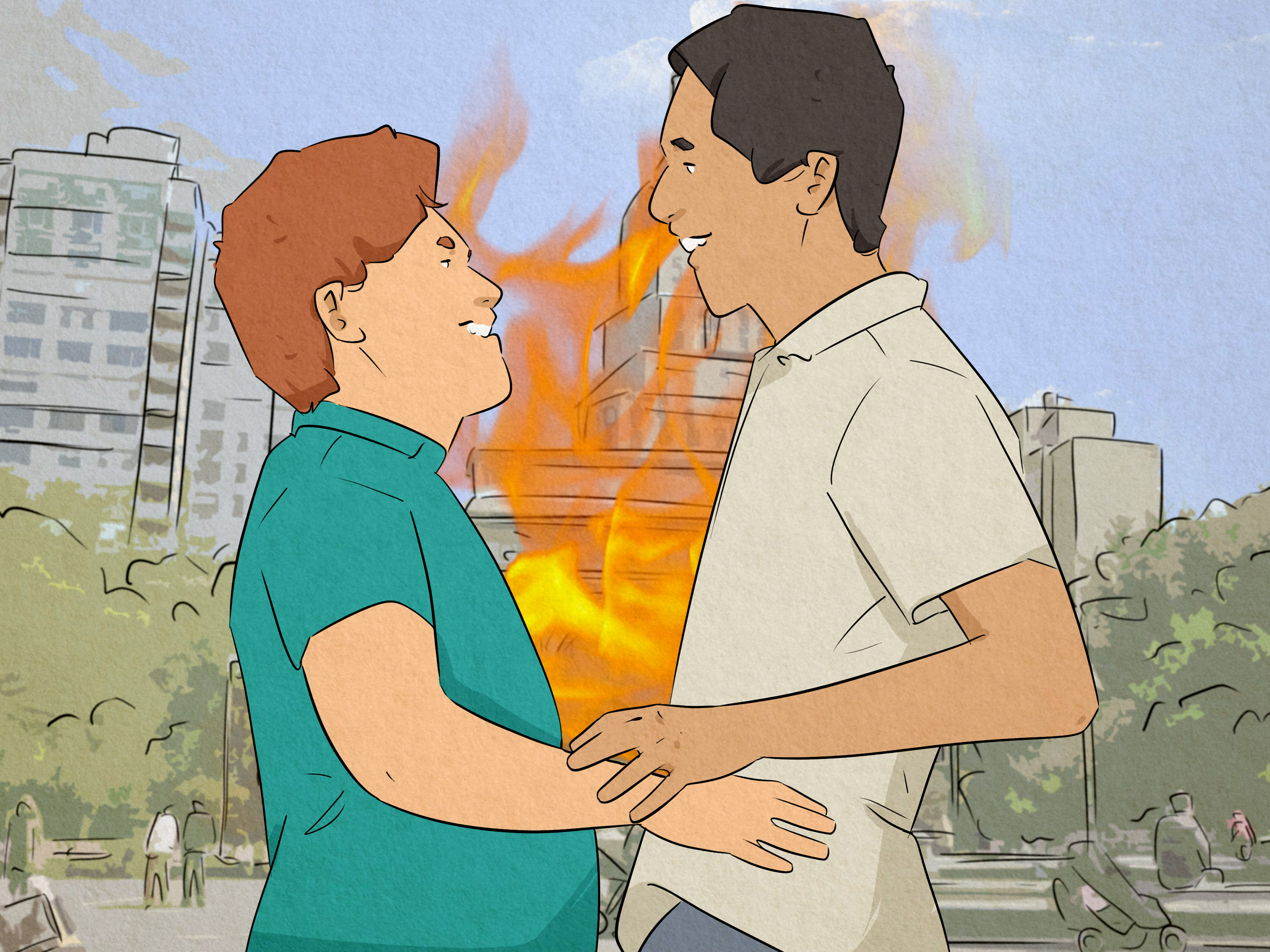
Many people do not recognize a karmic relationship while they are in it. That is part of what makes the experience so confusing. From the inside, the relationship may feel rare, dramatic, meaningful, and impossible to explain. Friends may say, “This seems unhealthy,” but the person inside the relationship may think, “They just do not understand our connection.” Sometimes they are right that outsiders do not understand every detail. But sometimes the outsiders can see the smoke because they are not standing in the fire.
A common experience is the feeling of losing yourself slowly. It may not happen in one obvious moment. Instead, it happens in tiny compromises. You stop bringing up certain topics because they always become arguments. You cancel plans because your partner suddenly needs reassurance. You check your phone constantly, waiting for the mood of the day. You become an emotional meteorologist, studying tone, timing, punctuation, and whether “okay” means okay or “prepare for a three-hour discussion.”
Another common experience is confusing relief with happiness. After a painful argument, the reunion can feel wonderful. The apology, the affection, the sudden warmthit can feel like love returning. But sometimes what you are feeling is not true peace; it is relief that the pain has paused. That relief can become addictive because the nervous system starts craving the high after the low. This is why the makeup stage can feel so powerful even when the overall relationship is draining.
People also describe a strange embarrassment around karmic relationships. They may be successful, intelligent, kind, and self-aware in every other area of life, yet feel completely tangled in this one connection. This does not mean they are weak. Emotional patterns are not solved by intelligence alone. You can understand a pattern intellectually and still need time, support, and practice to change it. The heart does not always read the memo the brain sent at 9:00 a.m.
One useful reflection exercise is to compare who you were before the relationship with who you are inside it. Are you more confident or more anxious? More connected to your friends or more isolated? More honest or more careful? More peaceful or more obsessed? A relationship does not need to be perfect to be healthy, but it should not require you to disappear in order to keep it alive.
Another experience many people share is the moment of clarity after leaving. At first, the silence can feel unbearable. Without the constant drama, life may seem too quiet. But over time, the quiet becomes information. Sleep improves. Appetite returns. Creativity comes back. Friends say, “You seem lighter.” The person begins to realize that peace can feel boring at first when the nervous system is used to chaos. But boring peace is often the beginning of real healing.
The most important lesson is that a karmic relationship does not have to be viewed as a failure. It can be a turning point. It can teach you what you will no longer ignore, excuse, chase, or shrink yourself to keep. It can help you understand your attachment patterns, strengthen your boundaries, and choose future relationships from self-respect instead of fear. The relationship may end, or it may change, but the real victory is that you change in a way that brings you closer to yourself.
Conclusion: The Lesson Is the Liberation
The seven karmic relationship stages can feel intense, confusing, and emotionally exhausting, but they can also become a map back to self-awareness. The magnetic meeting teaches you to slow down. The honeymoon teaches you to separate fantasy from reality. The trigger phase teaches emotional responsibility. The push-pull cycle teaches you to stop calling anxiety love. The boundary test teaches self-respect. The awakening teaches clarity. The final release or renewal teaches that love must include safety, consistency, and mutual care.
A karmic relationship may enter your life like a lightning bolt, but you do not have to live permanently in the storm. Whether the relationship ends or evolves, the deeper purpose is growth. The real “karma” is not punishment. It is pattern recognition. Once you see the pattern, you can choose differently. And choosing differently is where the next, healthier chapter begins.