

Note: This original article synthesizes practical oral-health guidance, habit psychology, and everyday-wellness insights from reputable U.S. health, dental, and research-based sources without inserting external source links.
The Tiny Bathroom Ceremony Nobody Talks About
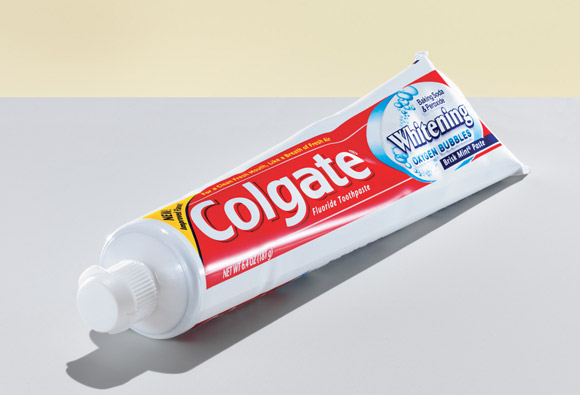
Some moments in life arrive with fireworks. Others arrive with mint. The first squeeze from a new tube of toothpaste belongs firmly in the second category, and somehow it feels just as triumphant. You stand at the sink, half-awake, hair behaving like it attended a tornado convention, and there it is: a fresh tube, plump, smooth, undefeated by human hands. No dents. No crusty cap. No desperate rolling from the bottom like you are trying to wring rent money out of a sock. Just pure, pressurized promise.
That first squeeze is a small masterpiece of everyday joy. It is clean. It is orderly. It is satisfyingly predictable in a world that often behaves like a shopping cart with one bad wheel. The paste rises in a perfect ribbon onto the bristles, maybe with a glamorous little curl at the end, and for three seconds you feel like a person who has their life completely together. You may not know where your tax documents are, but your toothpaste game is elite.
The title “#788 The first squeeze from a new tube of toothpaste – 1000 Awesome Things” celebrates exactly that kind of ordinary magic. It reminds us that happiness is not always hiding in vacations, promotions, or dramatic movie endings where everyone runs through an airport. Sometimes happiness is standing in your bathroom, holding a brand-new tube of fluoride toothpaste, and enjoying the soft little shloop of fresh minty optimism.
Why a New Tube of Toothpaste Feels So Good
On paper, toothpaste is a practical product. It helps clean teeth, freshen breath, and support oral hygiene. In real life, it is also a tiny daily reset button. A new tube represents a beginning. It has not yet been squeezed incorrectly by a family member who apparently believes toothpaste should be attacked from the middle. It has not been dropped behind the sink. It has not developed the mysterious dried paste barnacles that gather around the cap like tiny dental fossils.
Fresh toothpaste feels good because it combines several satisfying experiences at once: visual neatness, tactile control, pleasant fragrance, and the promise of cleanliness. Humans love fresh starts. We like new notebooks, clean towels, unopened jars, freshly vacuumed carpets, and the first spoon mark in a smooth jar of peanut butter. A new toothpaste tube lives in that same emotional neighborhood. It says, “Today can begin again. Also, your breath does not have to smell like last night’s garlic negotiations.”
The Power of Small Pleasures
Small pleasures matter because daily life is mostly made of small things. Most mornings are not cinematic. Nobody hands us a golden trophy for remembering to buy toilet paper. Yet these modest, repeatable moments can shape our mood. Savoring a tiny joy, like the first squeeze of toothpaste, turns an automatic routine into a brief experience of attention. Instead of brushing while mentally reading tomorrow’s problems in advance, you notice the cool mint smell, the smooth stripe, the clean bristles, and the beginning of a new day.
That is the spirit behind “1000 Awesome Things”: the world becomes funnier, softer, and more generous when we notice the good stuff hiding in plain sight. The first squeeze from a new tube of toothpaste is not life-changing in the dramatic sense. It will not write your emails, fix your Wi-Fi, or explain why socks vanish in the dryer. But it can make an ordinary morning feel a little more polished.
Toothpaste: The Unsung Hero of the Morning Routine
Toothpaste earns its place in the bathroom cabinet because it does real work. Fluoride toothpaste helps strengthen enamel, supports cavity prevention, and makes brushing more effective. Modern toothpaste may also include ingredients designed to reduce sensitivity, fight tartar, freshen breath, support gum health, or whiten surface stains. In short, that glossy ribbon on your toothbrush is not just mint-flavored decoration. It is a compact little chemistry team wearing a refreshing peppermint uniform.
Most dental-health guidance recommends brushing twice a day with fluoride toothpaste for about two minutes. Dentists also commonly recommend using a soft-bristled toothbrush, brushing gently, cleaning the gumline, brushing the tongue, and cleaning between teeth daily with floss or another interdental tool. The routine is simple, but simple does not mean unimportant. Oral health affects comfort, confidence, eating, speaking, and overall quality of life.
Why Fluoride Matters
Fluoride is one of the main reasons toothpaste became a dental-care staple. It helps protect enamel, the hard outer layer of the teeth, and can support remineralization in the early stages of tooth decay. Think of enamel as the castle wall and fluoride as the maintenance crew that shows up before the dragons get too comfortable.
For adults, a pea-sized amount of toothpaste is usually enough. More foam does not equal more virtue. Loading half the tube onto your toothbrush may feel dramatic, but your teeth are not auditioning for a bubble party. For children, the amount should be smaller and supervised, especially because young kids may swallow toothpaste instead of spitting it out. The goal is effective brushing, not turning the sink into a mint volcano.
The First Squeeze Is a Perfect Design Moment
Part of the pleasure comes from the design of the tube itself. A new tube has structure. It responds evenly to pressure. It gives you the sense that the universe, at least in this one tiny area, is cooperating. The first squeeze is smooth because the contents are evenly distributed, the cap is clean, and the tube has not yet been folded, flattened, bullied, or mangled by domestic civilization.
There is also a strangely satisfying geometry to it. The paste emerges in a neat line, sometimes striped, sometimes bright white, sometimes gel-like and glossy. It lands exactly where it should. For a moment, the bathroom counter becomes a laboratory of order. No fighting with the tube. No pressing from the wrong end. No muttering, “There has to be more in here,” while rolling the tube with the determination of someone mining for toothpaste treasure.
New Tube vs. Old Tube: A Bathroom Drama
The old tube has character, sure. It has survived weeks of service. It has been bent, twisted, squeezed, and possibly stepped on. But the old tube also requires strategy. You fold from the bottom. You press with two hands. You flatten it against the counter. You consider buying one of those little tube-squeezer gadgets and briefly wonder whether this is the moment adulthood has finally claimed you.
The new tube needs no such engineering. It is cooperative from the start. You press, and it delivers. No negotiations. No tragic wheezing sounds. No paste appearing from a tiny crack near the cap like a betrayal. The first squeeze is the honeymoon phase of oral hygiene.
Morning Routines Need Small Rewards
Habits often stick when they are easy, repeatable, and rewarding. Brushing your teeth is already linked to powerful cues: waking up, finishing breakfast, preparing for bed, or noticing that your mouth tastes like a haunted pantry. The reward is immediate: fresher breath, cleaner teeth, and that cool-mouth feeling that makes you briefly believe you could star in a toothpaste commercial if only the bathroom lighting were kinder.
The first squeeze from a new tube makes the reward even stronger. It adds novelty to a familiar routine. Novelty wakes up attention. Suddenly brushing is not just another item on autopilot; it is a small event. You open the box, remove the cap, maybe peel the seal, and experience the satisfying first press. It is not complicated, but it is enough to make the routine feel refreshed.
The Bathroom Version of a Fresh Start
Fresh starts are psychologically powerful because they create a clean boundary between “before” and “now.” A new year, a new month, a Monday morning, a haircut, a clean kitchen, a new toothbrush, or a new tube of toothpaste can make us feel more ready to try again. The first squeeze says, “Let’s be civilized today.” It is a tiny invitation to stand up straighter, brush for the full two minutes, and maybe even floss without acting like it is a personal attack.
That is why the experience feels bigger than toothpaste. It is about the pleasure of beginning again with something clean, useful, and pleasantly minty. No grand speech required. Just squeeze, brush, rinse lightly if you choose, and walk into the day with breath that does not frighten houseplants.
How to Make the Most of That Fresh Tube Feeling
Because this is an article about celebrating a small joy, it would be rude not to also make the joy useful. A new tube of toothpaste is a good reminder to refresh the whole oral-care routine. If your toothbrush bristles are frayed, flattened, or pointing in different directions like they are trying to escape, it is time to replace it. Many dental professionals suggest changing a toothbrush every three to four months, or sooner if the bristles are worn.
Use a soft-bristled brush, angle it toward the gumline, and brush gently. Scrubbing hard does not make you a dental hero. It can irritate gums and wear enamel. Think “massage the teeth,” not “sand the porch.” Brush all surfaces: fronts, backs, chewing surfaces, and the often-neglected back molars that are basically the storage units of snack history.
Do Not Forget the Quiet MVPs: Floss and Timing
Toothpaste gets the spotlight, but floss deserves a standing ovation from between the teeth. Brushing cleans the surfaces your toothbrush can reach. Floss or interdental cleaners help remove plaque and food particles from the narrow spaces where toothbrush bristles cannot fully go. If flossing every night sounds too ambitious, start small. Floss a few teeth. Build the routine. Your gums may complain at first, but they are dramatic and will usually calm down with consistency.
Timing matters, too. Many dental experts recommend waiting before brushing after acidic foods or drinks, such as citrus juice, soda, or vinegar-heavy foods, because acid can temporarily soften enamel. Rinsing with water after acidic foods can help freshen the mouth while you wait. And when brushing, two minutes is the standard target. Two minutes may feel long at first, but it is only one short song, one tiny podcast segment, or one dramatic internal monologue about whether you remembered to lock the door.
The Comedy of Toothpaste Etiquette
Every household has toothpaste politics. Some people squeeze from the bottom with noble discipline. Some squeeze from the middle like chaos has a dental plan. Some leave the cap off, which should at minimum require a sincere written apology. Others wipe the cap, align the label, and place the tube neatly in the cabinet as if preparing it for inspection by a tiny bathroom general.
The first squeeze avoids all of that. Nobody has ruined it yet. No one has pressed a thumb crater into the center. No dried paste ring has formed around the opening. No mystery hair has attached itself to the cap, an event that instantly turns a wholesome hygiene product into a crime scene. A fresh tube is socially neutral territory. It belongs to hope.
Why the Cap Matters More Than It Should
The cap is small, but emotionally powerful. A clean cap makes the tube feel new for longer. A messy cap announces that civilization is in decline. The first time you twist open a new cap, everything is crisp. The threads are clean. The opening is perfect. The seal, if present, adds ceremony. Peeling it off feels like opening a tiny dental treasure chest.
For maximum awesomeness, wipe the opening after use and close the cap properly. This is not just about neatness; it prevents dried paste buildup and keeps the tube pleasant to use. Also, it prevents the next person from discovering a minty stalagmite and silently questioning your upbringing.
A New Tube Is Also a Lesson in Enough
The first squeeze teaches restraint. You do not need a giant glob. You do not need to bury the bristles. A modest amount works. That is a surprisingly good metaphor for modern life, where more often pretends to be better. More tabs open. More notifications. More coffee. More streaming choices. More reasons to forget why you walked into the room.
Toothpaste keeps things simple. A small amount, used consistently, does the job. The same principle applies to many healthy routines. A short walk counts. A glass of water helps. Five minutes of cleaning can improve a room. A sincere thank-you can soften a day. Tiny actions, repeated often, have quiet power.
That is the deeper charm of “#788 The first squeeze from a new tube of toothpaste – 1000 Awesome Things.” It is not asking us to worship toothpaste. It is asking us to notice that daily life is packed with little upgrades. A smooth squeeze. A clean sink. Fresh breath. A new beginning before breakfast. Awesome does not always shout. Sometimes it whispers, “mint.”
How Brands Turn Toothpaste into a Sensory Experience
Toothpaste companies understand that brushing is both health behavior and sensory ritual. Flavor, texture, color, packaging, and foaming level all affect the experience. Mint remains the classic because it signals freshness so clearly, but toothpaste now comes in many variations: mild mint, strong mint, baking soda formulas, sensitivity formulas, whitening formulas, enamel-support options, and kid-friendly flavors that attempt to make brushing less like a chore and more like a tiny bedtime negotiation with bubbles.
The first squeeze reveals all of those choices at once. The texture tells you whether it is a paste or gel. The scent tells you whether the mint is polite or whether it plans to kick open the door wearing sunglasses. The look of it tells you whether you bought classic white, sparkling blue, striped, charcoal-colored, or something that appears to have been designed by a futuristic dentist with a flair for drama.
Choosing the Right Toothpaste Without Overthinking It
For most people, the main priority is choosing a fluoride toothpaste that fits their needs and preferences. Someone with sensitive teeth may look for a sensitivity formula. Someone prone to tartar may choose tartar-control toothpaste. Someone focused on breath may prefer a strong mint. Someone with specific gum concerns should ask a dentist for personalized advice. The best toothpaste is not always the fanciest one; it is the one you will use correctly and consistently.
Be cautious with extreme whitening promises, harsh abrasives, or trends that sound more like kitchen experiments than dental care. Teeth are not bathroom tiles. They do not need to be scoured into submission. Gentle, consistent brushing with an appropriate toothpaste wins the long game.
Five Ways to Turn Toothbrushing into a Happier Habit
1. Treat the First Squeeze Like a Mini Celebration
When you open a new tube, pause for one second. Notice the clean cap, the full shape, the satisfying pressure. This tiny act of attention turns routine into ritual. You are not just brushing. You are beginning again with minty confidence.
2. Replace Your Toothbrush on Purpose
Pair a new tube with a fresh toothbrush when the timing makes sense. A new brush and a new tube together create the bathroom equivalent of clean sheets. Suddenly you are a person with standards. Possibly even a person who owns matching food storage lids.
3. Brush for the Full Two Minutes
Use a timer, an electric toothbrush timer, or a favorite short song. Two minutes gives you time to clean all tooth surfaces instead of doing the frantic ten-second “I technically brushed” routine known to tired humans everywhere.
4. Keep the Tube Neat
Squeeze from the bottom, close the cap, and wipe away extra paste. Future you deserves a clean tube. So does anyone sharing the sink, unless your household is currently conducting research on passive-aggressive bathroom sighing.
5. Attach Brushing to Another Cue
Make brushing automatic by linking it to an existing routine: after morning coffee, before skincare, after putting on pajamas, or right before plugging in your phone. The easier the cue, the more likely the habit will stick.
Experiences Related to the First Squeeze from a New Tube of Toothpaste
The first squeeze from a new tube of toothpaste often feels like a small personal victory because it usually arrives after a period of toothpaste hardship. Everyone knows the final days of the old tube. You start out optimistic. You roll the bottom carefully. You press it flat with your thumb. Then, by day three, you are using the edge of the sink like industrial machinery, dragging the tube across the counter with the seriousness of a person trying to survive winter.
Then comes the glorious replacement. You open the cabinet and see the new box waiting there, crisp and rectangular, as if it has been patiently judging the old tube’s collapse. You tear open the cardboard, pull out the smooth tube, and suddenly the bathroom has new energy. The old tube was a battle. The new tube is cooperation.
One common experience is the “foil seal moment.” Some people peel it gently, trying to preserve the dignity of the opening. Others stab it with the cap spike like tiny toothpaste pirates. Either way, once the seal breaks, the scent escapes. That first burst of mint is oddly refreshing, especially in the morning when your brain is still buffering. It smells like cleanliness, plans, and the possibility that maybe today you will answer emails before lunch.
Another familiar experience is the perfect ribbon. The first squeeze often comes out with a smoothness that later squeezes rarely match. It sits on the toothbrush in a neat line, balanced and photogenic. You almost want someone to witness it. “Come look,” you might say, except no one wants to be summoned into the bathroom to admire toothpaste architecture. Still, you know. The toothbrush knows. History knows.
There is also the family version of this moment. In shared bathrooms, the new tube becomes a test of household values. Will everyone squeeze from the bottom? Will someone leave the cap off within twenty-four hours? Will a child apply enough toothpaste to frost a cupcake? The first squeeze may be peaceful, but it carries suspense. It is the opening scene of a domestic drama titled Who Did This to the Tube?
For travelers, a new small tube of toothpaste has a different charm. It feels practical and adorable, like a regular tube’s ambitious younger cousin. The first squeeze in a hotel bathroom, airport restroom, or guest room can make an unfamiliar place feel manageable. You may be far from home, living out of a suitcase, and unsure how the shower works, but at least your toothbrush has fresh paste. In that moment, routine travels with you.
There is even nostalgia in it. Many people remember childhood toothpaste differently: bright colors, bubblegum flavors, cartoon characters on the tube, or the thrilling responsibility of being allowed to squeeze it yourself. The first squeeze was not just hygiene; it was independence. Of course, childhood squeezing often produced a giant blob, a sink smear, and a parent saying, “That is enough!” But the excitement was real.
As adults, the experience becomes quieter but still satisfying. A new tube can mark the start of a better routine after a dental cleaning, a move into a new apartment, the beginning of a trip, or just a normal Tuesday that needed a win. It is affordable luxury, practical optimism, and sensory satisfaction in one small package. Not every awesome thing needs to be rare. Some of the best ones sit beside the sink, waiting to make the morning feel cleaner.
And perhaps that is why this tiny moment belongs on a list of awesome things. The first squeeze from a new tube of toothpaste is not about toothpaste alone. It is about freshness after mess, ease after effort, and the deep human relief of something working exactly the way it should. Press the tube. Watch the ribbon rise. Brush. Smile. That is not a bad way to start the day.
Conclusion: Minty Proof That Small Joys Count
The first squeeze from a new tube of toothpaste is a tiny pleasure, but tiny pleasures are the confetti of daily life. They make routine feel less robotic. They remind us that freshness, order, and comfort can appear in ordinary places. A full tube of toothpaste is not a luxury yacht, but it does offer a clean start, better breath, and a brief moment when everything in the bathroom makes sense.
So the next time you open a new tube, do not rush past the moment. Enjoy the smooth shape. Appreciate the clean cap. Admire the perfect ribbon of paste on your toothbrush. Then brush gently, take your time, and step into the day with minty confidence. Life may still be complicated, but for two minutes, you and your toothpaste have a plan.