

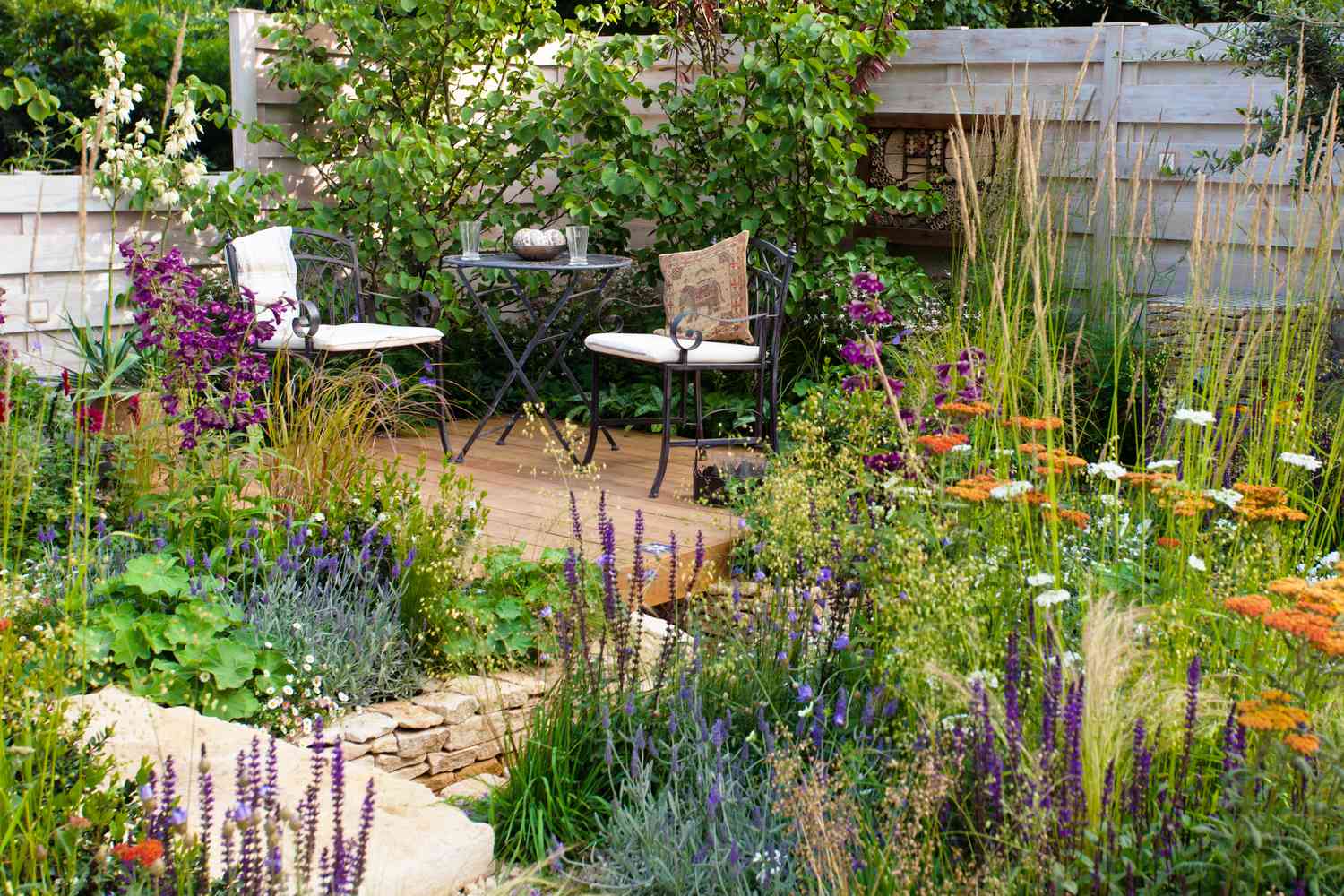
Summer has a way of exposing every backyard’s personality. Some yards are ready for barefoot dinners, firefly watching, and lemonade that sweats faster than you do. Others look like they were designed by a committee of squirrels and forgotten patio cushions. The good news? A summer-ready backyard does not require a total renovation, a lottery win, or a landscape crew arriving with dramatic music and 14 wheelbarrows.
According to landscape designers, the best backyard upgrades for summer are the ones that combine comfort, beauty, and practical function. A yard should feel like an extension of the home, but it also needs to survive heat, foot traffic, watering challenges, pests, and the occasional barbecue guest who thinks “medium rare” means “small campfire.”
This guide breaks down the eight things your backyard needs this summer, from shade and smart lighting to native plants, flexible seating, and water-wise design. Whether you have a sprawling lawn, a compact patio, or a narrow side yard with big ambitions, these backyard ideas can help you create an outdoor space that feels polished, livable, and genuinely useful.
1. A Comfortable Shade Strategy
If there is one thing every backyard needs in summer, it is shade. Not “stand awkwardly behind the one skinny tree” shade, but intentional, usable shade that makes the space comfortable during the hottest hours of the day.
Landscape designers often treat shade as the foundation of outdoor living because it affects where people sit, dine, garden, and relax. Without it, even the prettiest patio can become a decorative frying pan by mid-afternoon.
Smart shade options for summer
For quick improvement, consider a large patio umbrella, shade sail, retractable awning, or pergola with climbing vines. For a longer-term investment, plant deciduous trees that cool the yard in summer and allow sunlight through in winter. In hot regions, designers often recommend layering shade: a pergola over the dining area, tall shrubs near seating, and tree canopy around the edges.
Good shade does more than protect skin. It helps reduce heat around hard surfaces, makes outdoor furniture last longer, and creates visual structure. A shaded seating zone instantly tells guests, “This is where you linger,” instead of “This is where you roast politely.”
2. Flexible Outdoor Seating That Invites People to Stay
Backyards should not feel like museum displays. They should feel like places where people can flop into a chair, put down a drink, and say, “I’ll only stay for ten minutes,” before accidentally staying for three hours.
Landscape designers recommend choosing outdoor seating based on how you actually use the yard. A family that loves dinner outside needs a dining set. A couple that reads in the evening may need two deep lounge chairs and a small table. Frequent entertainers might prefer modular seating that can be rearranged for parties, games, or quiet coffee mornings.
How to choose better backyard furniture
Look for weather-resistant materials such as powder-coated aluminum, teak, recycled plastic lumber, resin wicker, or treated steel. Cushions should be made with outdoor-rated fabric that resists moisture and fading. Neutral bases are easy to update with seasonal pillows, throws, or outdoor rugs.
Designers also suggest creating more than one seating moment. A main lounge area near the patio is useful, but a small bench under a tree or two chairs near a garden bed can make the entire backyard feel more intentional. Think of these as “conversation pockets”small spaces that turn empty corners into destinations.
3. Native and Climate-Appropriate Plants
A beautiful summer backyard should not need constant begging, watering, and emotional support. That is why landscape designers increasingly recommend native and climate-appropriate plants. These plants are better adapted to local rainfall, temperature swings, soil conditions, and wildlife.
Native plants can also support pollinators such as bees, butterflies, and hummingbirds. That means your backyard becomes more than a pretty outdoor room; it becomes part of the local ecosystem. Bonus: pollinators do not critique your patio layout.
Plant for beauty, resilience, and biodiversity
Instead of filling every bed with thirsty annuals, use a mix of perennials, ornamental grasses, shrubs, and groundcovers suited to your region. In many U.S. landscapes, options such as coneflower, black-eyed Susan, bee balm, milkweed, salvia, switchgrass, serviceberry, and oakleaf hydrangea can create seasonal color and habitat value. The exact best choices depend on your climate zone, sun exposure, and soil.
Designers often use the “right plant, right place” rule. Sun-loving plants belong in sunny beds. Moisture-loving plants should not be stranded in dry corners. Shade plants should not be forced to audition for a desert survival show. Matching plants to conditions reduces maintenance and helps the backyard look better through summer heat.
4. A Water-Wise Irrigation Plan
Summer backyards need water, but they do not need waste. A smart irrigation plan keeps plants healthy while reducing runoff, overwatering, and sky-high utility bills. Landscape designers and horticulture experts often recommend watering deeply and less frequently rather than sprinkling lightly every day.
Drip irrigation is one of the most efficient choices for garden beds because it delivers water directly to the root zone. Soaker hoses can work well for smaller areas. For lawns, smart irrigation controllers and properly adjusted sprinkler heads can help avoid watering sidewalks, driveways, fences, and that one suspicious patch of air.
Summer watering tips that actually help
Water early in the morning when evaporation is lower and plants have time to absorb moisture before peak heat. Check soil moisture before watering; many plants suffer more from inconsistent watering than from short dry periods. Grouping plants with similar water needs, a technique often called hydrozoning, makes irrigation easier and more efficient.
Also inspect your system at the beginning of summer. Broken sprinkler heads, clogged emitters, and misdirected spray patterns can quietly waste water for weeks. A five-minute check can save money, protect plants, and prevent your driveway from becoming the most hydrated feature on the property.
5. Mulch That Works Hard and Looks Good
Mulch is not glamorous, but neither is weeding in 92-degree heat while mosquitoes treat you like a buffet. Designers use mulch because it gives garden beds a finished look while helping regulate soil temperature, retain moisture, reduce erosion, and suppress weeds.
Organic mulches such as shredded bark, wood chips, pine straw, composted leaves, and arborist chips gradually break down and improve soil structure. In modern landscapes, gravel or stone mulch may be used in dry gardens, but it should be chosen carefully because stone can increase heat around plants in hot climates.
How to mulch like a pro
Apply mulch in an even layer, usually around two to three inches deep for most planting beds. Keep mulch away from tree trunks and plant crowns. The dreaded “mulch volcano” may look tidy for five minutes, but it can trap moisture against bark and invite disease or pests. Trees prefer mulch shaped like a doughnut, not a mountain.
Freshening mulch before summer is one of the fastest ways to make a backyard look maintained. It defines edges, highlights plantings, and gives the whole space that “someone responsible lives here” energy, even if your garage says otherwise.
6. Layered Outdoor Lighting
Backyard lighting is one of the most powerful summer upgrades because it extends the use of the space after sunset. Designers do not rely on one blinding floodlight over the back door. Instead, they layer lighting to create safety, atmosphere, and visual depth.
Path lights guide movement. Step lights prevent dramatic ankle-related plot twists. String lights add charm over dining areas. Uplights can highlight trees, textured walls, or architectural plants. Lanterns and rechargeable table lamps create a soft glow for conversation areas.
Where backyard lighting matters most
Focus first on safety: stairs, pathways, changes in grade, cooking zones, and entrances. Then add accent lighting to define outdoor rooms. Warm white light usually feels more inviting than harsh blue-toned light. The goal is not to make the backyard look like a stadium; it is to make it feel comfortable, calm, and easy to navigate.
Solar lights can be useful in sunny areas, while low-voltage lighting is often more reliable for permanent designs. Smart lighting systems can also allow you to adjust brightness or set schedules, which is especially helpful for entertaining or evening routines.
7. A Defined Outdoor Dining or Cooking Zone
Summer and outdoor eating belong together. Even a simple meal tastes better outside, possibly because fresh air makes everything feel fancier. Landscape designers often recommend creating a dedicated dining or cooking zone so the backyard functions like a true living space.
This does not always mean installing a full outdoor kitchen. A grill station, prep table, small dining set, and nearby storage can be enough. The key is convenience. If you have to sprint back into the kitchen 14 times for tongs, plates, napkins, ice, and the sauce you definitely forgot, outdoor dining loses its sparkle quickly.
Design details that improve outdoor dining
Place dining areas on stable, level surfaces such as patios, decks, pavers, or compacted gravel. Add shade if the space is used during the day. Use an outdoor rug to visually define the area and soften hard surfaces. A nearby herb planter with basil, mint, rosemary, or thyme can be both useful and beautiful.
For cooking zones, think about airflow, safety clearances, lighting, and access to the kitchen. Designers also suggest including a landing surface near the grill. A small counter or rolling cart can make a big difference when juggling trays, tools, and the heroic responsibility of not dropping the burgers.
8. A Low-Maintenance Focal Point
Every memorable backyard has at least one focal point. It gives the eye somewhere to land and makes the space feel designed instead of simply occupied. The focal point does not need to be expensive; it just needs to be intentional.
Popular summer backyard focal points include a fire pit, water feature, sculptural planter, specimen tree, colorful container garden, pergola, garden bench, or outdoor art. Designers often choose focal points based on the mood of the yard. A bubbling fountain creates calm. A fire pit encourages conversation. A large planter near the patio adds seasonal color without requiring a full garden overhaul.
Choose a focal point that fits your lifestyle
If you entertain often, a fire pit or conversation area may be the best investment. If you want a peaceful retreat, a small water feature, hammock, or shaded reading nook may be more useful. If you love gardening but want less maintenance, large containers filled with heat-tolerant plants can provide instant impact.
The trick is to avoid too many competing focal points. A backyard with a fountain, fire pit, neon sign, giant statue, and seven patterned rugs may begin to feel like a theme park designed by an enthusiastic committee. Let one or two features lead the design, then keep supporting elements simple.
How Landscape Designers Pull These Backyard Ideas Together
The best summer backyards are not just collections of trendy items. They are organized around how people move, rest, cook, gather, and garden. Landscape designers typically begin by dividing the yard into zones: dining, lounging, planting, play, storage, and circulation. Once the zones are clear, design decisions become easier.
For example, a sunny patio may become the dining area if it gets evening shade. A narrow side yard may work as an herb garden or storage path. A back corner that currently collects random pots and guilt may become a fire pit lounge or pollinator bed. The goal is to give every part of the yard a purpose.
Designers also balance hardscape and softscape. Hardscape includes patios, paths, decks, walls, and structures. Softscape includes plants, lawn, mulch, and soil. Too much hardscape can feel hot and sterile; too much planting without structure can feel messy. A well-designed backyard uses both: durable surfaces for living and lush planting for shade, texture, movement, and seasonal interest.
Budget-Friendly Backyard Upgrades for Summer
You do not have to complete all eight upgrades at once. In fact, many designers recommend improving the backyard in phases. Start with comfort and function, then layer in beauty. Shade, seating, lighting, and irrigation often create the biggest immediate improvement. Plants, mulch, and focal points can be added over time.
For a small budget, refresh mulch, prune overgrown shrubs, add solar path lights, arrange container plants near the patio, and create a seating nook with two chairs and a side table. For a medium budget, add a pergola, replace worn furniture, install drip irrigation, or build a gravel dining area. For a larger investment, consider a paver patio, outdoor kitchen, professional lighting system, or comprehensive planting plan.
The smartest backyard upgrades are the ones you will actually use. A luxurious outdoor kitchen is wonderful if you cook outside often. If you mostly drink coffee and read, a shaded lounge chair and fragrant plants may bring more daily joy. Design for real life, not for imaginary magazine people who somehow own 19 matching serving trays.
Extra Experience: What Actually Makes a Summer Backyard Feel Finished
After spending time in many different backyard setups, one lesson becomes clear: the best outdoor spaces are not always the biggest or most expensive. They are the ones that feel easy to use. A backyard feels finished when you can step outside and immediately know where to sit, where to place a drink, where the shade is, and how the space will feel after sunset.
One practical experience is that seating layout matters more than people expect. A single bench pushed against a fence can look nice in a photo, but it may not invite conversation. Two chairs angled toward each other with a small table between them feel more natural. Add a planter nearby, a soft outdoor pillow, and a little shade, and suddenly that forgotten corner becomes the favorite spot in the yard.
Another important detail is maintenance honesty. Many homeowners fall in love with lush inspiration photos without considering the weekly care behind them. A summer backyard should match your schedule. If you travel often or dislike watering, choose drought-tolerant plants, larger containers that dry out more slowly, and irrigation timers. If you enjoy gardening, create beds that give you room to experiment with seasonal color, vegetables, or pollinator plants.
Lighting is also one of those upgrades that feels almost magical once it is installed. During the day, a backyard may look complete, but at night it can disappear into darkness. A few well-placed lights along paths, around seating, and under trees can make the yard feel like an outdoor room. It also makes guests more comfortable because nobody wants to walk across a dark lawn holding a plate of ribs and hoping for the best.
Containers deserve special praise. They are the summer backyard’s secret weapon. Large pots near doors, patios, and seating areas can deliver color, fragrance, herbs, and structure without digging up the entire yard. Designers often use containers to repeat colors or textures from the main landscape. For example, a pot with purple salvia, silver foliage, and trailing sweet potato vine can connect beautifully with nearby garden beds. Containers also allow renters or beginner gardeners to participate without committing to a full landscape redesign.
One more experience worth noting: clutter quietly ruins outdoor spaces. Even a beautiful patio can feel chaotic if it is crowded with mismatched pots, broken tools, faded toys, and cushions that have clearly seen things. Storage benches, deck boxes, wall hooks, and simple shelves can make the backyard feel calmer. Designers often hide practical storage within the layout so the yard supports real life without looking like a yard sale in progress.
Finally, the best summer backyard has a little personality. Maybe it is a bright umbrella, a vintage metal chair, a birdbath, a handmade planter, or a funny outdoor sign. Professional design principles help create structure, but personal touches make the space feel loved. Summer is short. Your backyard should not be a place you admire only while mowing it. It should be a place where you eat messy peaches, listen to cicadas, laugh with friends, and enjoy the kind of ordinary moments that become favorite memories.
Conclusion
Your backyard does not need to become a luxury resort to work beautifully this summer. It needs shade, comfort, smart planting, efficient watering, mulch, lighting, a place to eat, and one strong focal point that gives the space character. These eight backyard essentials reflect what landscape designers prioritize most: livability, resilience, beauty, and ease.
Start with the upgrade that solves your biggest problem. Too hot? Add shade. Too dull? Add lighting and containers. Too thirsty? Improve irrigation and plant selection. Too unused? Create a comfortable seating or dining zone. With a few thoughtful choices, your backyard can become the summer space you actually want to usenot just the place where the hose lives.
Note: This article synthesizes practical recommendations from landscape designers, horticulture extension guidance, water-wise landscaping principles, and current outdoor living trends for clean web publication without source links in the body.