

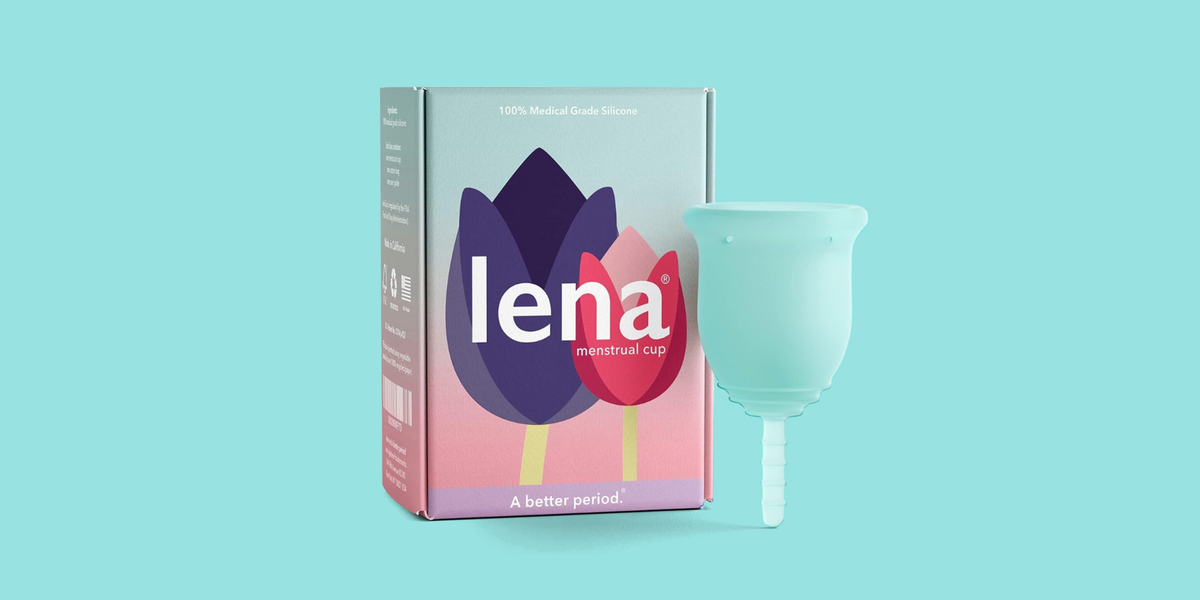
If tampons have ever felt like a tiny monthly subscription service you never signed up for, menstrual cups are the reusable upgrade many people swear by. The best menstrual cups of 2024 are comfortable, reliable, long-lasting, and surprisingly practical once you get past the learning curve. Yes, there is a learning curve. No, you do not need a degree in engineering, yoga, or plumbing to figure it out.
A menstrual cup is a small, flexible cup worn inside the vagina to collect menstrual fluid rather than absorb it. Most reusable cups are made from medical-grade silicone, though some are made from thermoplastic elastomer. When inserted correctly, the cup opens, forms a gentle seal, and can usually be worn for up to 8 to 12 hours depending on flow and brand instructions. That means fewer bathroom trips, less waste, and fewer “Do I have a tampon in my bag?” panic checks.
This guide compares nine standout menstrual cups based on comfort, firmness, capacity, ease of insertion, removal design, cervix height, beginner-friendliness, and real-world practicality. The “best” cup is deeply personal because bodies are not manufactured with universal cup ports. A cup that feels invisible to one person may feel like a tiny silicone goblin to someone else. The goal is to help you choose smarter on the first try.
How We Chose the Best Menstrual Cups of 2024
To build this list, we considered medical guidance, independent product testing, menstrual cup comparison resources, brand specifications, and common user concerns such as leaking, bladder pressure, removal anxiety, and heavy-flow needs. We prioritized cups that are widely available, made with body-safe materials, and designed for specific use cases rather than vague promises of “perfect for everyone.” Spoiler: nothing is perfect for everyone, except maybe clean sheets after laundry day.
Key factors included:
- Material: Medical-grade silicone or safe TPE materials were preferred.
- Capacity: Higher-capacity cups are useful for heavy flow, overnight wear, or long days.
- Firmness: Firmer cups often open more easily; softer cups may feel better for sensitive bladders.
- Removal: Grip rings, stems, loops, and pull-tabs can make a major difference.
- Cervix height: Low, average, and high cervix users often need different cup shapes.
- Beginner experience: A good starter cup should fold well, open predictably, and not require a pep talk every time.
Quick Comparison: 9 Best Menstrual Cups of 2024
| Rank | Menstrual Cup | Best For | Standout Feature |
|---|---|---|---|
| 1 | Lena Cup | Best overall | Balanced firmness and beginner-friendly design |
| 2 | Saalt Soft Cup | Sensitive bladder users | Soft silicone and comfortable wear |
| 3 | DivaCup | High cervix users | Longer classic shape and trusted reputation |
| 4 | Flex Cup | Easy removal | Patented pull-tab design |
| 5 | Cora Cup | Easy insertion | Finger indent and textured base |
| 6 | Super Jennie Cup | Heavy flow | High capacity and soft body |
| 7 | Lunette Cup | Active lifestyles | Reliable pop-open shape |
| 8 | AllMatters Cup | Eco-conscious shoppers | Minimal design and medical-grade silicone |
| 9 | MeLuna Shorty | Low cervix users | Shorter body and multiple handle options |
1. Lena Cup Best Menstrual Cup Overall
The Lena Cup earns the top spot because it hits the sweet spot between structure, comfort, price, and reliability. It is firm enough to open more easily than many ultra-soft cups but not so rigid that it feels like it has moved in and started paying rent. For many users, especially beginners with average cervix height, that balance matters.
Lena offers different sizes and versions, including the Original and Sensitive options. The Original is a strong pick for people who want a dependable seal and plan to wear a cup while sleeping, exercising, commuting, or doing the glamorous daily activities no period product commercial ever shows accurately. The Sensitive version is softer and may suit people who feel bladder pressure from firmer cups.
Why it stands out
It is beginner-friendly without being flimsy. The tulip-like shape folds well, the grip is easy enough to manage, and the design works for a broad range of flows. If you do not know where to start, Lena is one of the safest “first serious cup” recommendations.
Best for
First-time cup users, average cervix height, active users, and anyone who wants one cup that can handle everyday life without drama.
2. Saalt Soft Cup Best for Sensitive Bladders
The Saalt Soft Cup is the friend who enters quietly, brings snacks, and does not make everything about itself. It is designed with softer silicone, which can be helpful for people who experience pressure, urgency, or discomfort with firmer cups. If a regular cup makes you feel like you suddenly need to pee every seven minutes, a softer option may be worth trying.
Saalt cups are available in multiple sizes, and the Soft version is especially popular among people with sensitivity, cramping, or bladder pressure. A softer cup may take slightly more practice to open fully because it has less spring than firmer designs, but the comfort payoff can be excellent.
Why it stands out
The Saalt Soft balances flexibility with dependable wear. It is not the stiffest cup in the drawer, but it still has enough structure for many users to get a secure seal.
Best for
Sensitive bladder users, people who dislike firm cups, and anyone who wants a softer reusable menstrual cup for daily wear.
3. DivaCup Best Classic Cup for High Cervix Users
DivaCup is one of the most recognizable menstrual cup names in the United States, and for good reason. It helped bring cups into mainstream period care long before every bathroom shelf looked like a sustainability starter pack. Its longer body can be a good match for people with a higher cervix who struggle to reach shorter cups.
DivaCup offers different models based on age, flow, and childbirth history. The cup is designed for up to 12 hours of protection and has a straightforward bell shape with a stem that can help guide removal. It may be too long for low cervix users, but for those with more vaginal canal length, the design can make retrieval less stressful.
Why it stands out
It is widely available, well-known, and especially useful for people who need a cup that sits a bit lower and is easier to locate during removal.
Best for
High cervix users, experienced cup users, and shoppers who prefer a classic, established menstrual cup brand.
4. Flex Cup Best Menstrual Cup for Easy Removal
The Flex Cup is designed for people whose biggest fear is not insertion but removal. Its patented pull-tab helps break the seal when pulled correctly, making it feel more familiar to tampon users. This is a clever feature because many cup beginners are less worried about putting the cup in and more worried about needing a search-and-rescue team to get it out.
Unlike traditional stems that mainly help you locate the cup, the Flex pull-tab is part of the release system. That can reduce the intimidation factor for new users. It still requires proper insertion, folding, and positioning, but the removal design is one of the most beginner-friendly on the market.
Why it stands out
The pull-tab is genuinely different from standard cup stems. For people with hand mobility concerns, removal anxiety, or a strong emotional attachment to tampon-style simplicity, Flex Cup may be the easiest transition.
Best for
Beginners, tampon users switching to cups, and anyone nervous about breaking the cup seal manually.
5. Cora Cup Best for Easy Insertion
The Cora Cup focuses on making insertion less awkward. Its finger indent helps guide folding, while the textured base can make removal easier. This is a smart design because inserting a cup for the first time can feel like trying to fold a tiny silicone taco under pressure.
Cora’s cup is made from soft medical-grade silicone and is designed for up to 12 hours of wear. It may not be the highest-capacity option for very heavy days, but it is a strong pick for light to moderate flow and users who want a cup that feels intuitive.
Why it stands out
The finger indent gives the cup a more user-friendly feel, especially for beginners who want a clear place to hold and fold.
Best for
New cup users, people with light to moderate flow, and anyone who wants a soft cup with a guided insertion design.
6. Super Jennie Cup Best for Heavy Flow
If your period occasionally behaves like it is auditioning for a disaster movie, capacity matters. The Super Jennie Cup is known for its high-capacity design, with the large size holding significantly more than many standard cups. It is made from medical-grade silicone and has a softer body with a thicker rim, aiming to combine comfort with a secure seal.
Heavy-flow users often need to empty smaller cups more frequently, especially during the first one or two days of a period. A larger-capacity cup can reduce bathroom trips and make overnight wear more realistic. Still, capacity is not everything. If a cup is too wide, too long, or too firm for your body, it may leak or cause pressure even if it holds a heroic amount on paper.
Why it stands out
Super Jennie offers generous capacity without being extremely rigid. That makes it appealing for people who want heavy-flow protection but dislike very firm cups.
Best for
Heavy periods, overnight wear, long workdays, travel days, and users who already know they prefer softer cups.
7. Lunette Cup Best for Active Lifestyles
The Lunette Cup is a reliable, well-designed cup with enough firmness to open confidently. That makes it a solid option for people who move a lot: runners, swimmers, gym-goers, hikers, dancers, and people who simply walk fast through Target like they are late for a meeting with destiny.
Lunette comes in two sizes and multiple colors, with a smooth bell shape and ridged stem for grip. Because it is not extremely soft, it tends to pop open more easily than some softer cups. That can reduce leaks caused by incomplete opening, one of the most common beginner issues.
Why it stands out
It offers a reliable seal and practical grip, making it a dependable cup for users who need confidence during movement.
Best for
Active users, average to heavy flow, and people who want a cup that opens predictably.
8. AllMatters Cup Best Eco-Conscious Choice
Formerly known as OrganiCup, the AllMatters Cup is a minimalist, eco-minded option made from medical-grade silicone. It is designed for up to 12 hours of wear and comes with simple, low-waste packaging. If you want a menstrual cup that feels practical rather than flashy, this one belongs on your shortlist.
AllMatters is especially appealing to people who want to reduce disposable period product waste. One reusable cup can replace years of tampons and pads, which is good for your wallet, your bathroom storage, and the planet. Also, fewer emergency tampon runs means fewer accidental purchases of lip balm, chocolate, and random seasonal candles. Financial wellness begins somewhere.
Why it stands out
It is straightforward, comfortable for many users, and designed around sustainability without unnecessary gimmicks.
Best for
Eco-conscious shoppers, minimalists, and users looking for a simple reusable menstrual cup.
9. MeLuna Shorty Best Menstrual Cup for Low Cervix
Low cervix users often discover that standard cups are too long, uncomfortable, or eager to make their presence known. The MeLuna Shorty is designed specifically for shorter vaginal canals and low cervix placement. It is shorter than traditional cups and comes in several sizes and handle styles, including stem, ball, and ring options.
Unlike most cups on this list, MeLuna is made from TPE rather than silicone. That can be useful for people who prefer or need a non-silicone option. The tradeoff is that sizing matters even more because lower-capacity short cups may need more frequent emptying.
Why it stands out
The Shorty line addresses a real fit issue that many mainstream cups ignore. For low cervix users, a shorter design can be the difference between “I love cups” and “absolutely not, goodbye forever.”
Best for
Low cervix users, shorter vaginal canals, and people who need a compact cup design.
How to Choose the Right Menstrual Cup
Measure Your Cervix Height
Your cervix height can change during your cycle, so measure during your period if possible. If you can reach your cervix easily with your first knuckle, you may have a low cervix and need a shorter cup. If you barely reach it or cannot reach it, a longer cup like DivaCup may be easier to remove.
Match Capacity to Your Flow
Light-flow users may prefer smaller cups because they are easier to insert and remove. Heavy-flow users may want Super Jennie, Lena Large, Lunette Model 2, or another higher-capacity option. Remember that real-life capacity can be lower than listed capacity because the cup compresses inside the body and the cervix may take up space.
Consider Firmness
Firmer cups usually open more easily and may work well for active users, but they can cause bladder pressure for some people. Softer cups feel gentler but may require more patience to open. If you have a sensitive bladder, pelvic floor tension, or discomfort with firmer products, start softer.
Think About Removal
If removal makes you nervous, look for a cup with strong grip rings, a textured base, a loop, or a pull-tab. Never yank a cup out by the stem without breaking the seal first, unless your hobbies include unnecessary chaos.
Safety Tips for Menstrual Cup Users
Menstrual cups are considered safe for many users when used correctly, but hygiene matters. Wash your hands before insertion and removal. Empty and rinse the cup according to the brand’s instructions, usually no longer than 12 hours of wear. Sterilize the cup between cycles by boiling it if the manufacturer recommends that method.
Do not use a cup that causes pain, persistent pressure, urinary problems, or unusual irritation. People with an IUD, a history of toxic shock syndrome, recurrent vaginal infections, pelvic pain disorders, postpartum concerns, or recent gynecologic surgery should talk with a healthcare professional before using a cup. Menstrual cups are practical, but they are still internal products, not magical silicone permission slips to ignore discomfort.
Common Menstrual Cup Mistakes
Choosing Based Only on Age
Many brands suggest size based on age or childbirth history, but cervix height, pelvic floor strength, flow, and comfort matter too. A 28-year-old and a 38-year-old can need the same cup. Bodies love ignoring packaging charts.
Wearing the Cup Too High
A menstrual cup usually sits lower than a tampon. If it is too high, removal may be difficult. If it presses in the wrong place, it may cause discomfort or urinary pressure.
Not Checking the Seal
After insertion, rotate the cup gently or run a finger around the base to make sure it has opened. If it remains folded, leaks are likely.
Giving Up After One Try
Many people need two or three cycles to feel fully confident. The first attempt may be awkward. That does not mean the cup failed; it means your body and the cup are still in negotiations.
Real-Life Experience: What Using a Menstrual Cup Actually Feels Like
The first menstrual cup experience is rarely the elegant wellness montage shown in ads. In real life, it is usually you, a bathroom, a folded cup, and the sudden realization that “relax your pelvic floor” is much easier to say than do. The first insertion may take a few tries. You might fold it one way, then another, then wonder why a product smaller than a shot glass has become your entire afternoon.
The most common beginner feeling is uncertainty. Is it open? Is it too high? Is it too low? Did it seal? Should I walk around? Should I do a squat? Why does every tutorial act like this is as simple as putting a lid on a jar? This is normal. Most cup users develop a routine over time. Many start by wearing a backup liner or period underwear until they trust the seal. That backup is not defeat; it is emotional support fabric.
Removal is often the second big hurdle. The key is to stay calm, wash your hands, gently bear down if needed, pinch the base to break the seal, and slowly wiggle the cup out. Pulling only on the stem can feel uncomfortable because the seal is still active. Once you understand that the stem is more like a locator than an elevator button, removal becomes much easier.
Public bathrooms require strategy. Some users bring a water bottle to rinse the cup over the toilet. Others wipe it with unscented cup-safe wipes and rinse properly later. Some simply empty, reinsert, and wash thoroughly at the next private sink opportunity, following product guidance. The best routine is the one that keeps your hands clean, your cup safe, and your dignity mostly intact.
Heavy-flow days teach you timing. A cup may be approved for up to 12 hours, but that does not mean every person can wear it for 12 hours on day two of a heavy period. If you leak after four hours, your cup may be full, not faulty. Higher-capacity cups like Super Jennie can help, but fit still matters more than brag-worthy milliliters.
Sleep is where menstrual cups can feel life-changing. Once you find the right fit, overnight protection can be more comfortable than pads and less drying than tampons. Many users love waking up without that “please let the sheets be okay” suspense. Still, empty the cup before bed and again when you wake up.
Exercise can also be surprisingly easy with the right cup. A secure seal means running, swimming, lifting, or stretching without the bunching of pads or the dryness of tampons. If you leak during workouts, the cup may be too soft for your pelvic floor, not fully open, or the wrong size for your cervix height.
The biggest lesson is patience. Menstrual cups are not one-size-fits-all, and the first cup you buy may not be your forever cup. That is frustrating, but it is also true of jeans, bras, running shoes, and every “universal” phone charger that somehow disappears when needed. Once you find the right cup, the payoff can be excellent: fewer disposables, fewer changes, more freedom, and a period routine that feels less like monthly damage control.
Final Verdict: Which Menstrual Cup Should You Buy?
For most beginners, the Lena Cup is the best overall menstrual cup of 2024 because it offers a practical balance of comfort, firmness, and usability. If you have bladder sensitivity, choose Saalt Soft. If you have a high cervix, consider DivaCup. If removal makes you nervous, Flex Cup is the friendliest option. For heavy flow, Super Jennie is the capacity champion. For low cervix users, MeLuna Shorty may finally make cups feel possible.
The best menstrual cup is not necessarily the most famous or the one with the cutest color. It is the one that fits your cervix height, flow, comfort level, and removal confidence. Choose thoughtfully, practice patiently, and give yourself permission to laugh during the learning phase. Period care is serious, but the process does not have to be joyless.