

Note: The first-person scenes in this article are a composite illustration based on common OCD experiences. They are intended for education and reflection, not as a diagt the third lock check may be excessive?” Frankly, he would have been too busy trying to eat the clipboard.
But he did help me see something I had been missing: the difference between being responsible and being trapped in a loop.
For years, I thought my rituals made me careful. Checking the stove again, rereading a message before sending it, washing my hands until they felt “right,” mentally replaying conversations, and asking for reassurance all seemed like sensible efforts to prevent disaster. In reality, they were tiny negotiations with fear. My dog, with his muddy paws and complete lack of interest in perfection, became an unexpectedly honest teacher.
Living with obsessive-compulsive disorder can make ordinary moments feel like high-stakes missions. A closed door becomes a possible emergency. A stray thought becomes evidence. A little uncertainty becomes a five-alarm fire in the brain. My dog helped me understand that OCD was not really asking me to be safe. It was asking me to become certain, and certainty is a very expensive hobby.
My Dog Did Not “Fix” My OCD, but He Made the Pattern Easier to See
OCD is more than liking a tidy kitchen or having strong opinions about matching socks. It involves intrusive, unwanted thoughts, images, urges, or doubts that create distress. Compulsions are the actions or mental rituals people may feel driven to perform to reduce that distress. The relief can feel real for a moment, which is exactly why the cycle is so persuasive.
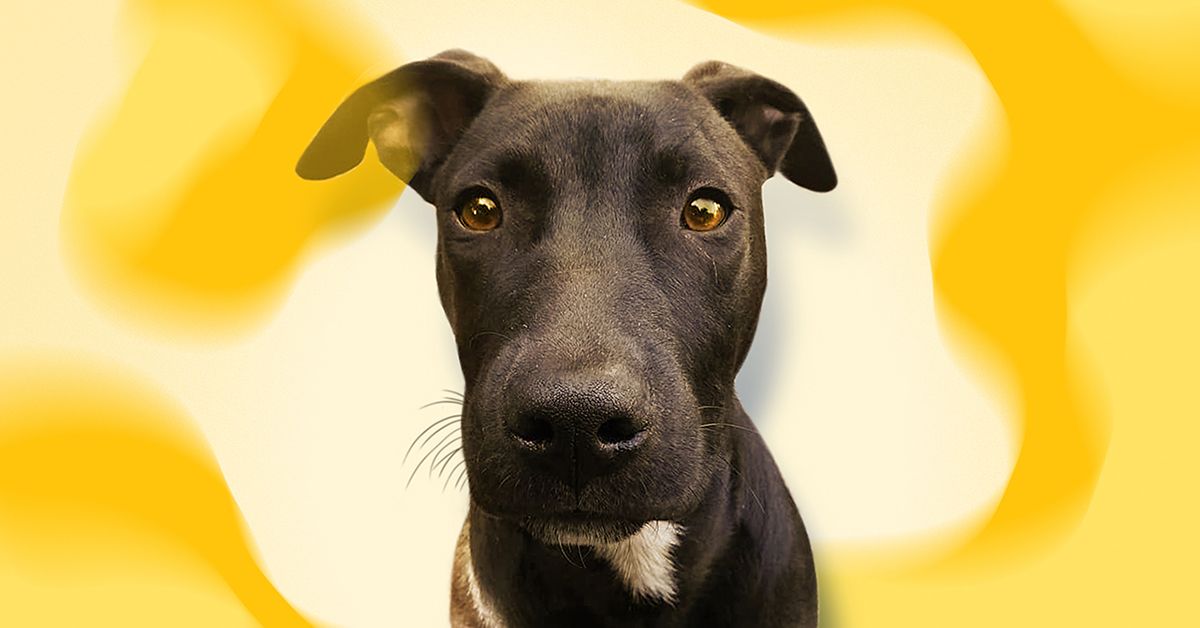
My dog, a cheerful mixed-breed creature with the emotional range of a lawnmower, made this cycle obvious because he lived almost entirely in the present. He did not care whether I had checked the door lock once or seven times. He cared that it was time for breakfast. He did not need proof that the floor was perfectly clean before resting on it. He simply flopped down, sighed dramatically, and treated the rug like a five-star resort.
Meanwhile, I was standing in the hallway, staring at the deadbolt as if it might suddenly reveal a secret second career in betrayal.
The Morning I Realized “One More Check” Was Never One More Check
One morning, I was late for work because I kept returning to the front door. I locked it, stepped away, felt anxious, came back, checked it again, and repeated the process until my dog sat beside the leash rack and stared at me with what looked suspiciously like judgment.
He needed a walk. I needed certainty.
That was the moment I understood the real cost of the ritual. The lock was not the issue. The issue was that OCD had convinced me that I could not leave until I felt completely sure. But my dog did not need me to feel certain. He needed me to move. He needed the sidewalk, the air, the ridiculous neighborhood squirrel who seemed personally committed to provoking him.
So I left after one check.
I did not feel calm. I did not feel brave. I felt like a person who had forgotten to attach her own head to her shoulders. But I walked anyway. My dog sniffed every mailbox with the concentration of a detective solving a cold case, and little by little, the anxiety rose, hovered, and eventually softened.
That walk did not cure anything. It did show me something important: discomfort can come along for the ride without getting to drive the car.
What My Dog Taught Me About OCD and Uncertainty
1. Being Careful Is Not the Same as Doing a Compulsion
Healthy responsibility has an endpoint. You wash your hands after handling raw chicken. You lock the door when you leave. You take your dog to the veterinarian when something seems wrong. Then you continue with your day.
OCD tends to move the finish line. It whispers that maybe you did not wash correctly, lock hard enough, inspect thoroughly enough, or worry sincerely enough. It turns ordinary caution into a ritual that must be repeated until anxiety disappears.
My dog helped me notice the difference because his needs were practical and clear. He needed clean water, regular meals, exercise, affection, and veterinary care. He did not need me to sanitize his leash twelve times because it brushed against a bench. He did not need me to Google every sneeze until the internet convinced me he had either seasonal allergies or an extremely rare disease last documented in a goat.
Taking good care of him meant doing what was reasonable, not chasing perfect reassurance.
2. Love Can Include Uncertainty
One of the most painful parts of OCD is that it often latches onto what matters most. If you love your family, OCD may create fears about harm. If you value morality, it may attack your character. If you love your dog, it may invent endless questions about whether you are doing enough to protect him.
I used to think worrying was proof of love. If I worried enough, maybe I could prevent every possible bad thing from happening. But loving my dog did not require me to predict every illness, control every accident, or interpret every sleepy sigh as a veterinary mystery.
Love required showing up. Filling the food bowl. Booking the appointment when there was a real concern. Taking the walk. Giving the ear scratch. Letting him be a dog instead of turning him into the manager of my fear department.
That distinction was huge. OCD says, “If you truly care, you must eliminate all risk.” Real life says, “If you truly care, you act with compassion even though risk exists.”
3. Reassurance Feels Good, but It Can Keep the Cycle Going
Dogs are excellent at comfort. Mine could sense the moment I sat on the couch with my shoulders up around my ears, and he would press his warm, clumsy body against my leg. That comfort mattered. It still matters.
But I also learned not to turn him, or anyone else, into a reassurance machine. There is a difference between receiving comfort and repeatedly demanding proof that everything is okay. OCD loves the second option because every answer provides temporary relief, followed by a fresh question five minutes later.
“Are you sure the stove is off?” can become “But are you really sure?” Then “What if you missed something?” Then “Could you check again?” The ritual wears a tiny fake mustache and calls itself responsibility, but it is still a ritual.
My dog could not verbally reassure me, which turned out to be strangely helpful. He simply sat beside me. He reminded me that I could feel anxious without launching a full investigation.
4. A Routine Can Support Recovery Without Becoming Another Rulebook
Dogs thrive on routine. Breakfast happens. Walks happen. The mail carrier arrives and is treated as a suspicious international incident. This structure helped me because OCD often made my days feel chaotic and mentally exhausting.
Morning walks gave me a reason to get outside even when my thoughts were loud. Feeding my dog reminded me to eat something other than coffee and vague panic. Evening walks created a natural break between work stress and bedtime rumination.
However, I had to be careful. OCD can turn even healthy habits into rigid rules. A walk is helpful. Believing that something terrible will happen if the walk starts exactly seven minutes late is not. The goal was flexibility, not building a canine-sponsored perfection system.
The Messy Lesson: My Dog Was Not a Therapy Tool
It is tempting to make a dog sound magical. Dogs can offer companionship, encourage activity, create social connection, and provide comforting routines. Those things can be meaningful for people managing anxiety, loneliness, stress, or mental health symptoms.
But my dog was not my therapist, my exposure and response prevention coach, or a furry replacement for professional support. He was a dog. He had needs, moods, and a breathtaking ability to find the one muddy patch in a clean park.
That mattered because I did not want to make him responsible for my recovery. Sometimes I had hard days. Sometimes he was sick, tired, overstimulated, or simply more interested in staring at a leaf than helping me process existential dread. He deserved to be cared for as an animal, not assigned a full-time job as my emotional rescue department.
The real work of understanding OCD came from learning about the obsession-compulsion cycle, speaking honestly with a qualified mental health professional, and practicing strategies designed for OCD. For many people, treatment can include cognitive behavioral therapy, especially exposure and response prevention, medication, or a combination based on individual needs.
My dog supported that work by keeping me connected to everyday life. He made it harder to disappear into my head for hours because eventually he would need to go outside, preferably immediately, preferably while carrying a toy the size of a canoe.
How a Dog Can Support Someone Living With OCD
A dog cannot diagnose or treat obsessive-compulsive disorder, but the relationship can support healthy coping when it stays balanced. Here are a few ways that support may show up in daily life.
They Pull You Back Into the Present
Dogs notice what is happening now: a sound at the door, a bird in a tree, a treat bag being opened from three rooms away. Their attention can interrupt a spiral long enough to create a pause. That pause may be small, but it can be enough to choose a values-based action instead of a compulsion.
They Encourage Movement and Daily Structure
A walk does not erase intrusive thoughts, but it can help break the pattern of sitting still with them all day. Caring for a dog also adds practical structure: meals, exercise, grooming, and play. For some people, that routine supports sleep, activity, and a sense of purpose.
They Model a More Forgiving Relationship With Imperfection
My dog has never once apologized for shedding on a freshly vacuumed floor. He has never questioned whether he was worthy because he barked at a recycling bin. He makes mistakes, recovers immediately, and moves on to more important things, such as locating cheese.
Watching him helped me challenge my own perfectionism. A little mess did not mean failure. A scary thought did not mean danger. An uncomfortable feeling did not mean I had to perform a ritual to earn peace.
When It Is Time to Ask for More Support
A dog can be part of a supportive life, but persistent obsessions, compulsions, avoidance, reassurance-seeking, or distress deserve real attention. It may be time to speak with a mental health professional if symptoms are consuming significant time, interfering with work or relationships, affecting sleep, or making daily life feel smaller and smaller.
A qualified clinician can help identify whether OCD may be involved and discuss evidence-based treatment options. It is especially important to seek prompt support when anxiety feels overwhelming, when compulsions are escalating, or when thoughts of self-harm or harming others feel urgent or difficult to manage.
Asking for help is not failure. It is more like finally admitting that the smoke detector has been chirping for months and perhaps the battery deserves professional attention.
Conclusion: My Dog Helped Me Practice Living, Not Controlling
My dog did not make OCD disappear. He did something quieter and, in some ways, more useful. He helped me notice when fear was pretending to be responsibility. He reminded me that uncertainty is uncomfortable but survivable. He gave me a reason to leave the house, touch the grass, laugh at ridiculous things, and return to the world beyond my thoughts.
Most importantly, he taught me that a meaningful life is not built by eliminating every possible risk. It is built by choosing what matters, even when certainty is unavailable.
Some days, that choice looks like leaving the house after checking the lock once. Some days, it looks like resisting the urge to search symptoms online at midnight. Some days, it looks like taking a slow walk with a dog who has no idea what OCD is but has very strong feelings about squirrels.
That is not a cure. It is a practice. And sometimes, practice begins with a leash in one hand, a worried thought in the other, and the decision to keep walking anyway.
Additional Reflections: The 500-Word Experience of Learning From a Dog
The first time I noticed my dog helping me understand OCD, it was not during a profound sunrise hike or a tearful movie montage with soft piano music. It was in the kitchen, while he was trying to steal a piece of toast.
I had dropped a crumb on the floor. A normal person might sweep it up, shrug, and continue making breakfast. My brain immediately began producing a disaster documentary. What if the crumb attracted bugs? What if the bugs carried something? What if my dog ate the crumb, got sick, and I somehow failed him because I had not cleaned the floor correctly enough?
My dog, meanwhile, was thrilled. He had discovered toast. This was the best day of his life.
I stood there holding a paper towel, frozen between the urge to scrub the entire kitchen and the realization that my reaction was wildly out of proportion to one crumb. Then my dog looked up at me, tail wagging, completely unaware that he had become the accidental star of my personal breakthrough.
I cleaned the crumb. Once. Then I stopped.
The anxiety did not politely disappear because I had made a healthy choice. It complained. It suggested that I should wipe the floor again, disinfect the counter, wash my hands, wash the dog’s paws for good measure, and perhaps relocate to another state. OCD is not known for subtlety.
But my dog needed breakfast. So I fed him.
That small moment became a pattern I started noticing everywhere. OCD wanted me to delay life until I felt safe enough, clean enough, certain enough, moral enough, prepared enough, and calm enough. My dog had no patience for that arrangement. He did not care that my brain was drafting a 47-page report on potential catastrophes. He wanted to go outside.
At first, I resented that interruption. I wanted to finish the mental investigation. I wanted to arrive at the magical conclusion that nothing bad could ever happen. But walks taught me something therapy later helped me name: anxiety can rise and fall without a ritual.
Sometimes I would leave the apartment after checking the door lock once, then spend half the block convinced I had made a terrible mistake. My chest would tighten. My thoughts would race. I would feel the urge to turn around.
Then my dog would stop to investigate a fire hydrant with the seriousness of a scientist examining an archaeological artifact. I would stand there, breathing, waiting, watching him be completely absorbed in his dog business. The anxiety might still be present, but it was no longer the only thing in the world.
That became my quiet practice: allow the thought, resist the ritual, return to the next meaningful thing.
My dog also changed how I spoke to myself. OCD can make a person feel ashamed for having intrusive thoughts or needing reassurance. I used to judge myself for every fearful idea that crossed my mind. But I never judged my dog for being afraid of the vacuum cleaner. I did not tell him he was ridiculous, weak, or secretly a bad dog because he barked at a cardboard box.
I comforted him. I gave him space. I helped him learn that the vacuum was annoying but survivable.
Eventually, I began offering myself some of that same patience.
My dog did not teach me how to defeat OCD in one dramatic leap. He taught me how to make smaller choices: one check instead of five, one reasonable action instead of a ritual, one walk instead of another hour trapped in my head. He reminded me that recovery is not about becoming perfectly fearless. It is about making room for fear without allowing it to decide the entire day.
And whenever I forget that lesson, he is usually nearby, shedding on the rug, demanding a snack, and proving that life can be wonderfully imperfect.