

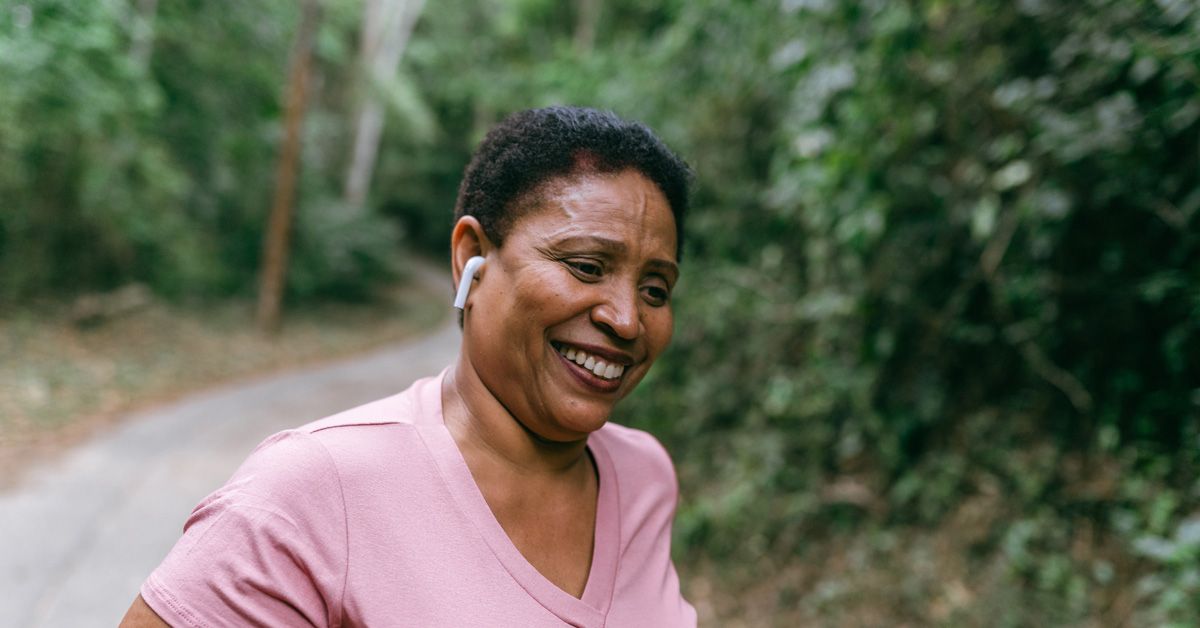
Walking may be the closest thing the fitness world has to a reliable old friend. It does not demand a membership, complicated equipment, or the ability to fold yourself into a pretzel. You simply need a safe place to move, supportive footwear, and a pace that works for your body.
For older adults, a regular walking routine can support heart health, mobility, balance, mood, sleep, and independence. It can also make everyday tasksclimbing stairs, shopping for groceries, visiting friends, or keeping up with energetic grandchildrenfeel less demanding. Better yet, walking is flexible. A person can stroll for five minutes after breakfast, take a brisk lap around a mall, or gradually build toward longer outdoor walks.
The goal is not to chase an arbitrary number on a fitness tracker or compete with the speedy neighbor who treats the sidewalk like an Olympic event. The goal is to move consistently, safely, and enjoyably.
Why Walking Is an Excellent Exercise for Older Adults
Walking is a weight-bearing aerobic activity, meaning it engages the heart and lungs while asking the bones and muscles to support the body. Compared with running and many court sports, it generally places less stress on the joints and has a relatively low risk of injury.
It is also easy to modify. Older adults can change their speed, distance, route, walking surface, and number of rest breaks. People who use a cane, walker, or other mobility aid may also be able to participate with guidance from a healthcare professional or physical therapist.
Current U.S. physical activity guidelines recommend that adults age 65 and older work toward at least 150 minutes of moderate-intensity aerobic activity per week, along with muscle-strengthening activities on two or more days and exercises that improve balance. Brisk walking can count toward the aerobic portion. However, people who cannot yet reach that target should be as active as their abilities and health conditions allow. Even short periods of movement can contribute to better health.
Health Benefits of Walking for Seniors
1. Supports Heart and Circulatory Health
Walking increases the heart rate, improves circulation, and trains the cardiovascular system to work more efficiently. When practiced regularly, moderate physical activity may help manage blood pressure, improve cholesterol levels, and reduce the risk of heart disease and stroke.
A brisk pace is not the same for everyone. For one person, it may mean striding quickly around the neighborhood. For another, it may mean walking steadily down a hallway. A useful guide is the talk test: during moderate-intensity walking, you should be able to speak in sentences but probably not perform an enthusiastic solo from a Broadway musical.
2. Helps Maintain Mobility and Independence
Strong walking ability supports many parts of independent living. Regular walks engage the hips, legs, ankles, and core while reinforcing coordination between the muscles and nervous system.
Over time, consistent activity can make it easier to rise from a chair, walk through a parking lot, navigate a store, and complete household tasks. These improvements may sound modest, but they are the building blocks of independence. Fitness is not only about looking athletic; sometimes it is about carrying the laundry without needing a recovery meeting afterward.
3. Strengthens Muscles and Weight-Bearing Bones
Walking activates the calves, thighs, glutes, and muscles that stabilize the trunk. Because it is weight-bearing, it also provides a useful stimulus to the bones of the legs and hips.
Walking alone does not strengthen every major muscle group, so it should ideally be combined with exercises such as chair stands, wall push-ups, resistance-band movements, or appropriately supervised weight training. Together, aerobic and strength activities can support posture, joint stability, and physical function.
4. May Improve Balance and Reduce Fall Risk
Walking helps older adults practice shifting weight, coordinating steps, and responding to changes in terrain. Better endurance can also reduce the fatigue that sometimes contributes to unsteady movement.
However, walking should not be the only fall-prevention exercise. Balance training and strength work provide additional protection. Heel-to-toe standing, supported single-leg stands, tai chi, and sit-to-stand exercises may be useful when appropriate. Anyone with a history of falls, frequent dizziness, or serious balance problems should seek individualized guidance before beginning a walking program.
5. Supports Blood Sugar Management
Active muscles use glucose for energy, and physical activity can increase insulin sensitivity. This makes walking particularly useful for many people with type 2 diabetes or prediabetes.
A short walk after a meal may help some people manage post-meal blood sugar. Those who use insulin or medications that can cause hypoglycemia should ask their healthcare team how to coordinate exercise, meals, medication, and glucose monitoring. They may need to carry a fast-acting carbohydrate source during longer walks.
6. Encourages Healthy Weight Management
Walking burns energy and can contribute to weight maintenance when paired with balanced eating habits. Increasing the distance, pace, or frequency of walks can gradually increase energy expenditure.
Weight loss, however, is not the only measure of success. Regular walking can improve cardiovascular fitness, blood pressure, insulin sensitivity, stamina, and mood even when the scale barely moves. The bathroom scale is only one data point, not the chairperson of your personal health committee.
7. Benefits Mood, Memory, and Sleep
Physical activity can reduce stress, ease symptoms of anxiety and depression, and promote better sleep. Walking outdoors may provide an additional emotional lift through sunlight, fresh air, greenery, and social contact.
A walk can also give structure to the day. Meeting a friend every morning or walking after dinner turns exercise into a routine rather than a chore. Research has linked regular physical activity with benefits for cognition, including attention, processing speed, and memory, although no single activity can guarantee that cognitive decline will be prevented.
8. Can Be Friendly to Arthritic Joints
People with arthritis sometimes avoid activity because they fear making joint pain worse. Yet prolonged inactivity can contribute to stiffness, weakness, and reduced function. Gentle walking may improve circulation around the joints and strengthen the muscles that support them.
Start on a flat, even surface and increase activity gradually. Mild stiffness at the beginning of a walk may improve as the body warms up. Sharp pain, rapidly increasing swelling, or pain that changes your walking pattern is a reason to stop and seek medical advice.
How Much Walking Should Older Adults Do?
The widely recommended long-term target is 150 minutes of moderate-intensity aerobic activity each week. That could mean 30 minutes on five days, about 22 minutes every day, or several shorter sessions spread throughout the week.
New walkers do not need to begin there. Someone who has been inactive might start with five minutes once or twice a day. After a week or two, the person could add another two to five minutes, provided there is no concerning pain or unusual fatigue.
Short walks count. Three 10-minute walks can be more manageable than one 30-minute session and still create a meaningful amount of activity. Even walking around the house during television commercials is more useful than conducting a scientific study of the couch cushions.
Do Older Adults Need 10,000 Steps a Day?
No universal rule says every older adult must reach 10,000 daily steps. That popular number can motivate some people, but it may be unrealistic for others.
Observational research has found health benefits at substantially lower step counts. In one study of older women, approximately 4,400 daily steps were associated with lower mortality than about 2,700 steps, with benefits continuing to increase before leveling near 7,500 steps. These findings show associations rather than proving that a specific number guarantees longer life. Still, they reinforce an encouraging message: adding achievable steps to your current routine matters.
A practical approach is to track your usual activity for several days and set a modest personal goal. Increasing from 2,000 to 2,500 steps may be more useful than repeatedly failing at a 10,000-step target and feeling defeated.
How to Start a Safe Walking Program
Talk With a Healthcare Professional When Necessary
Most people can benefit from walking, but medical guidance is important if you have recently had surgery, experience chest discomfort, become severely short of breath with light activity, have uncontrolled blood pressure, or live with a condition that affects balance or circulation.
A healthcare professional may recommend a supervised rehabilitation program, physical therapy assessment, mobility aid, or modified walking plan. People with heart disease, lung disease, diabetes, severe arthritis, neuropathy, or osteoporosis may need specific precautions.
Choose Supportive Walking Shoes
Walking shoes should fit comfortably, grip the ground, and provide stable support around the heel. The toe box should allow the toes to move without sliding excessively. Shoes that are worn smooth, stretched out, or tilted to one side can make walking less comfortable and potentially less stable.
People with diabetes, bunions, foot deformities, or reduced sensation should inspect their feet regularly for redness, blisters, cuts, or pressure areas. A podiatrist can help when standard shoes do not fit safely.
Warm Up and Cool Down
Begin with three to five minutes of slow walking. This allows the heart rate and breathing to increase gradually. After the main walk, slow down again instead of stopping abruptly.
Gentle calf, thigh, and hip stretches may feel comfortable after the body is warm. Stretching should create mild tension, not pain. Bouncing aggressively is unnecessary; the sidewalk has already seen enough drama.
Use Comfortable Walking Form
- Keep the head upright and look several feet ahead rather than staring continuously at the ground.
- Relax the shoulders and allow the arms to swing naturally.
- Use comfortable steps rather than forcing an unusually long stride.
- Land softly and roll through the foot when possible.
- Maintain a pace that feels controlled and sustainable.
Select a Safe Route
Choose a well-lit route with even pavement, safe crossings, and places to rest. Avoid broken sidewalks, loose gravel, wet leaves, ice, and heavily trafficked roads. Daylight walking is generally safer, particularly for people with reduced vision.
Indoor options include shopping malls, community centers, indoor tracks, and hallways. Indoor walking is not a lesser form of exercise. Your heart does not demand scenic mountain views before agreeing to participate.
Account for Weather
During hot weather, walk early in the morning or in an air-conditioned location. Wear lightweight clothing and drink fluids according to your medical needs. People who have been advised to restrict fluid intake should follow their clinician’s recommendations.
In cold conditions, wear layers, gloves, and shoes with dependable traction. Move the walk indoors when sidewalks are icy. Skipping one outdoor session is considerably better than attempting an unscheduled figure-skating routine in the driveway.
Carry Essential Items
Depending on the route and medical needs, consider carrying identification, a phone, emergency contact information, water, prescribed rescue medication, and a fast-acting glucose source. A walking partner should know about relevant health conditions and what to do in an emergency.
A Four-Week Beginner Walking Plan
| Week | Walking Goal | Suggested Schedule |
|---|---|---|
| Week 1 | Build the habit | 5 to 10 minutes at an easy pace, 4 days |
| Week 2 | Add a little time | 10 to 15 minutes, 4 or 5 days |
| Week 3 | Practice moderate effort | 15 to 20 minutes, including several brisk minutes, 5 days |
| Week 4 | Develop consistency | 20 to 30 minutes, or two shorter walks, 5 days |
This schedule is only an example. Repeat a week when needed, reduce the duration during illness or pain, and progress according to your abilities. A steady program you can maintain is more valuable than an ambitious plan abandoned after three heroic days.
Ways to Make Walking More Enjoyable
- Walk with another person: Conversation can make time pass quickly and provides an extra layer of safety.
- Join a walking group: Senior centers, recreation departments, malls, and community organizations may offer organized programs.
- Listen wisely: Music, podcasts, and audiobooks can add entertainment, but keep the volume low enough to hear traffic and other hazards.
- Change the scenery: Alternate between parks, neighborhoods, indoor tracks, botanical gardens, and shopping centers.
- Track meaningful progress: Record minutes, distance, mood, or how easily you complete everyday tasks.
- Create a destination: Walk to a friend’s home, a nearby café, the library, or a park bench.
When to Stop Walking and Seek Medical Help
Stop exercising and seek prompt medical guidance if walking causes chest pain or pressure, severe shortness of breath, fainting, sudden weakness, unusual heart palpitations, severe dizziness, or pain spreading to the arm, jaw, back, or shoulder.
Also stop if you develop sudden joint pain, a new inability to bear weight, or symptoms suggesting dangerously low blood sugar, such as confusion, shaking, heavy sweating, or loss of coordination. Muscle tiredness is normal; alarming symptoms are not a fitness milestone.
Walking Experiences: Lessons From Everyday Older Walkers
The most successful walking routines are rarely the most impressive on paper. They are the ones that fit naturally into daily life.
Consider an older adult returning to activity after several sedentary years. On the first day, a 30-minute workout may feel overwhelming. A five-minute walk to the corner and back, however, feels possible. During the first week, the legs may feel heavy and the pace may be slow. By the third week, that same route often feels shorter. The person is not imagining things; the body is learning to perform the task more efficiently.
Another common experience involves morning stiffness. Someone with osteoarthritis may feel creaky during the first few minutesrather like a door hinge requesting oil. Beginning slowly can allow the joints and muscles to warm up. The walker may discover that a flat mall route is more comfortable than a sloped neighborhood street. This is not “cheating.” It is intelligent adaptation.
Social walking can be especially powerful. Two friends who meet three mornings a week receive more than exercise. They exchange news, notice changes in each other’s health, and create a reason to leave the house. On days when motivation is low, the expectation that someone else will be waiting can make the difference between walking and remaining indoors.
Many older adults also learn that progress is not perfectly linear. One week may bring longer walks and more energy. The next may include poor sleep, bad weather, arthritis symptoms, or a family obligation. A flexible walker does not interpret every interruption as failure. A shorter indoor session, a few hallway laps, or an extra rest day can preserve the habit without ignoring the body’s signals.
Fitness trackers can create both motivation and mischief. Some walkers enjoy watching their daily steps increase. Others become discouraged when the number is lower than expected. The most helpful approach is to treat step counts as information rather than grades. A day with 3,500 steps is not morally inferior to a day with 6,000. Context matters: energy level, terrain, illness, caregiving duties, and mobility limitations all affect activity.
People who walk consistently often notice practical improvements before dramatic physical changes. They may pause less often while shopping, recover more quickly after climbing stairs, or feel steadier when stepping off a curb. A person may realize that a familiar park bench is no longer required as an emergency rest stop. These small victories are easy to overlook, but they show that endurance and confidence are growing.
Weather also teaches creativity. In summer, an early indoor mall walk may replace an overheated afternoon outing. During rain, a walker may circle the living room, march beside a sturdy counter, or follow an indoor walking video designed for older adults. The scenery may not be thrilling, but consistency does not require cinematic landscapes.
Perhaps the most important lesson is that walking works best when it becomes part of a person’s identity. Instead of thinking, “I must complete a workout,” the older adult begins thinking, “I am someone who takes a walk after breakfast.” That subtle change makes activity feel less like a temporary project and more like an ordinary part of life.
Real progress comes from listening to the body, adjusting the plan, and returning after imperfect days. The finish line is not 10,000 steps, a particular speed, or a perfectly straight fitness graph. The goal is to keep moving in ways that support health, confidence, connection, and independence.
Conclusion
Walking for older adults is simple, adaptable, and surprisingly powerful. It can support cardiovascular health, blood sugar management, joint function, mood, sleep, balance, and the ability to complete everyday activities independently.
Begin with an amount that feels manageable, choose safe surfaces, wear supportive shoes, and increase time gradually. Combine walking with strength and balance exercises for a more complete fitness routine. Most importantly, measure progress against your own starting pointnot against a friend, an advertisement, or an impatient watch buzzing on your wrist.
Note: This article provides general educational information and is not a substitute for individualized medical advice. Older adults with significant health conditions, recent surgery, repeated falls, chest symptoms, or severe mobility limitations should consult a qualified healthcare professional before changing their activity routine.