

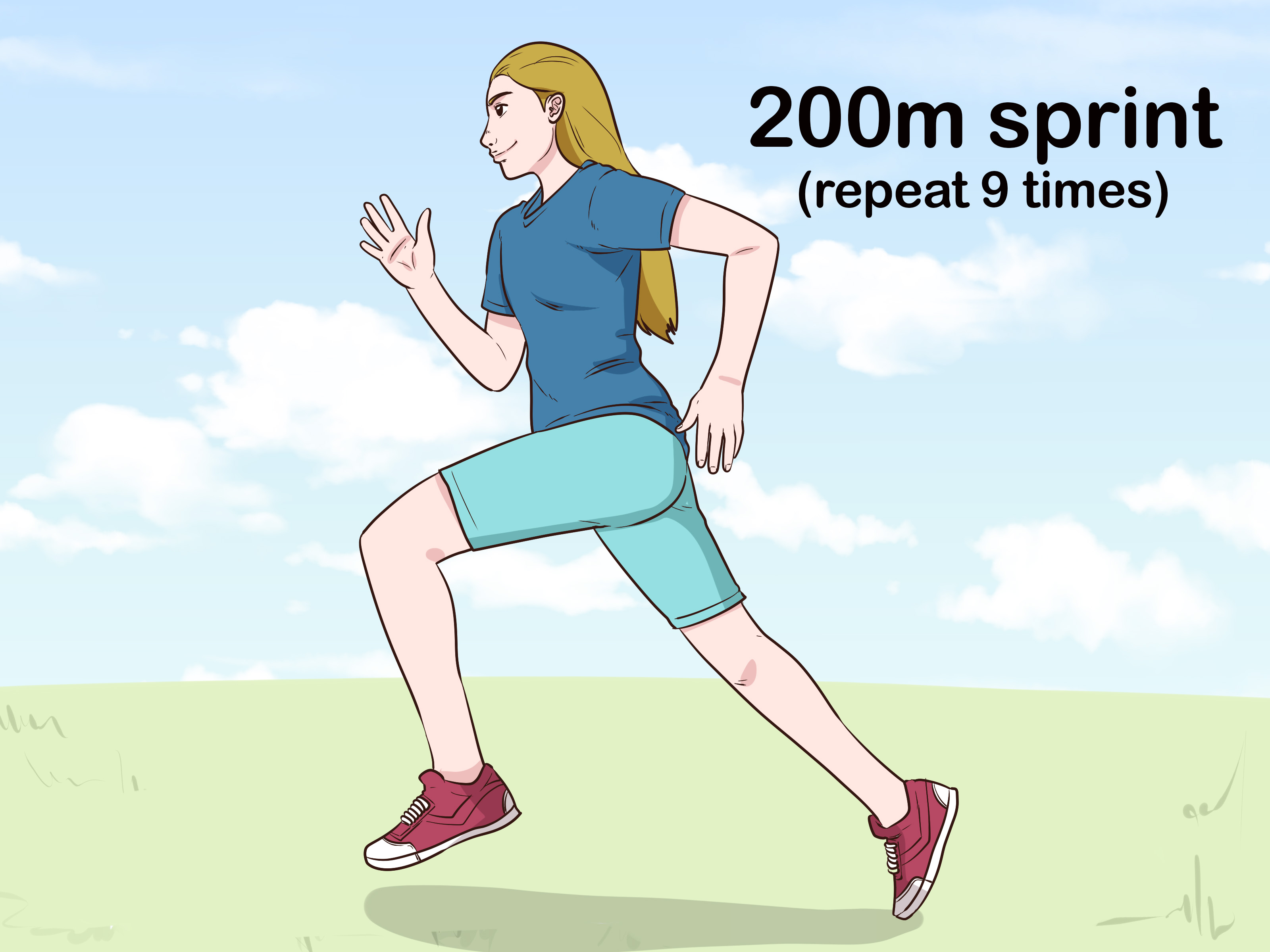
The PACER test has a special talent: it can turn an ordinary gym into a suspense movie starring you, a pair of sneakers, and a beep that seems far too cheerful about your suffering. The Progressive Aerobic Cardiovascular Endurance Run is a shuttle test in which you travel between two lines, usually 20 meters apart, while the audio pace gradually speeds up. Your goal is to reach the line before each beep for as many laps as possible.
Because the opening laps feel easy, many students sprint, celebrate internally, and then discover that the test has several more chapters. Surviving the PACER test is less about heroic speed than smart preparation, efficient movement, and calm pacing. The following three methods can help you run longer without turning lap three into a personal emergency.
What the PACER Test Measures
The PACER assesses aerobic capacity, also called cardiorespiratory fitness. The time between beeps becomes shorter as the test progresses, forcing runners to increase speed. Under standard FitnessGram procedures, a missed line is a warning and the test generally ends after a second total miss, although students should always follow their teacher’s directions.
Your score is the number of completed laps, not how dramatically you fall onto the gym floor afterward. It is intended to show fitness and personal progressnot determine who is “athletic,” popular, or entitled to the last slice of pizza.
Way 1: Train for the Exact Demands of the PACER
General fitness helps, but PACER-specific practice is better because the test combines aerobic endurance, repeated acceleration, braking, turning, and pacing. A steady jog develops endurance, while shuttle intervals teach your body to handle constant changes of direction.
Build Your Aerobic Base
Two or three times a week, do an activity that keeps you moving for 15 to 30 minutes at a manageable effort. Jogging, brisk walking, swimming, cycling, dancing, and active sports all count. You should breathe faster but still be able to say a short sentence. Increase gradually; trying to become an Olympic runner in one weekend mainly trains your legs to file a complaint.
U.S. guidance recommends that school-age children and teens get at least 60 minutes of moderate-to-vigorous activity daily, including vigorous aerobic activity on at least three days each week. PE, sports, walking, active games, and shorter sessions can all contribute.
Add Shuttle Intervals
Once or twice a week, mark two lines 15 to 20 meters apart. After warming up, run controlled shuttles for 20 to 40 seconds, then walk for 40 to 60 seconds. Repeat four to eight times. Add only a small amount when the workout becomes easier.
You may also practice with a teacher-approved PACER recording. Do not perform an all-out test every day. Rehearsal should teach rhythm and turning without creating unnecessary fatigue. Gradual endurance and interval training can improve aerobic capacity while allowing the body enough time to recover.
Make Every Turn Efficient
As you approach the line, shorten your final steps, plant one foot near or on the line according to the rules, lower your body slightly, and push back smoothly. Alternate turning legs when possible. Avoid jumping across the line, spinning, or stopping with both feet before restarting. Think “touch, turn, push,” not “film an action sequence.”
Support Running With Simple Strength Work
Squats, reverse lunges, calf raises, glute bridges, and planks can strengthen the legs and core used during shuttles. Two short, age-appropriate sessions per week are enough for a beginner. Leave recovery time between hard running days.
A Simple Weekly Plan
- Monday: 20 minutes of easy aerobic activity.
- Wednesday: Six rounds of 30-second shuttles and 60-second walks.
- Friday: A short strength circuit.
- Weekend: A fun activity such as basketball, swimming, hiking, or dancing.
Way 2: Pace, Breathe, and Turn Smarter During the Test
Training gets you to the starting line; strategy keeps you there. The early pace is deliberately manageable. Treat those laps as controlled running, not an invitation to race the fastest student in class. The beeps set the speed. Your job is to arrive just before each one, not several seconds early.
Match the Beep Instead of Beating It
Run at the slowest pace that gets you safely to the line on time. Arriving early forces you to wait, stop, or bounce, and every unnecessary acceleration uses energy. As the intervals shorten, increase speed in small steps. Heavier breathing does not automatically mean failure; it means the test has reached the part that actually tests endurance.
Stay Tall and Relaxed
Keep your eyes forward, shoulders loose, elbows bent, and arms moving mostly front to back. Use quick, light steps instead of reaching far ahead with your feet. Clenched fists and raised shoulders do not create bonus oxygen.
When fatigue appears, use one cue: “relax,” “quick feet,” or “reach the line.” One useful thought is easier to follow than a full motivational speech while your lungs are busy.
Find a Breathing Rhythm
During easy stages, try breathing in for two or three steps and out for two or three. As the pace rises, let breathing become faster and use both your nose and mouth if needed. Do not hold your breath through turns. If anxiety makes breathing jumpy before the start, take several slow breaths with a longer exhale.
Use Small Goals
Do not spend lap 12 worrying about lap 60. Focus on the next line or the next five laps. Set a personal target based on your previous score or practice. Adding a few controlled laps is real progress, even if someone else keeps running.
Recover After the First Miss
If you miss a beep, reverse direction immediately and regain the rhythm. Do not stop to mourn. Many students can continue after one miss if they remain calm. A controlled adjustment is more useful than a desperate sprint.
Way 3: Prepare Your Body and Brain on Test Day
A good strategy cannot fully rescue a body that is underslept, dehydrated, or digesting a breakfast large enough for a family reunion. Keep test-day preparation ordinary. Avoid new foods, new shoes, mystery supplements, or any plan that begins with “I saw this challenge online.”
Sleep Enough
Children ages 6 to 12 generally need 9 to 12 hours of sleep, while teens generally need 8 to 10 hours. A regular schedule supports attention, mood, and physical readiness. Pack your clothes and shoes earlier so bedtime does not become a scavenger hunt.
Eat Familiar Food
Several hours beforehand, choose a normal meal with carbohydrates and some protein, such as oatmeal with fruit and yogurt, toast with eggs, or rice with lean protein. If you need a small snack later, a banana, crackers, or applesauce may work. Avoid an unusually greasy or heavy meal.
Energy drinks and highly caffeinated pre-workout products are unnecessary for a school fitness assessment and may cause jitters, stomach trouble, or an uncomfortable racing heartbeat.
Hydrate Normally
Drink water regularly during the day instead of chugging a large amount immediately before class. Water is generally enough for a short school fitness test. Needs vary with age, body size, temperature, and sweat rate, so follow normal routines and any guidance from a parent, coach, nurse, or clinician.
Wear Suitable Shoes and Warm Up
Use comfortable athletic shoes with secure laces and good grip. Spend five to ten minutes walking or jogging easily, then add leg swings, marching, high knees, butt kicks, calf raises, and a few relaxed turns. A dynamic warm-up gradually raises heart rate and prepares muscles and joints for faster movement.
Know When to Stop
Hard effort can cause heavy breathing, sweating, and tired muscles. Sharp pain, chest pain, faintness, severe dizziness, or extreme shortness of breath are different. Stop and tell the teacher or another responsible adult immediately. Students with asthma, heart conditions, recent illness, injuries, or other medical concerns should follow their healthcare plan and make sure the school knows what support is needed.
Common Mistakes That Make the Test Harder
- Sprinting early: Reaching the line far ahead of the beep earns no extra laps.
- Stopping at every line: Smooth turns preserve momentum.
- Copying another student: Their correct pace may be wrong for you.
- Practicing all-out every day: Fitness also requires recovery.
- Ignoring warning symptoms: A score is never more important than safety.
Experience Notes: What Surviving the PACER Often Feels Like
Many students remember their first PACER as a strange combination of confidence, confusion, and public beeping. The opening laps may feel almost too easy. That is where the biggest mistake happens. A student charges across the gym, reaches the line early, waits, and repeats the sprint. By the time the audio becomes challenging, the legs have already spent energy that could have supported later laps.
A better experience often looks unimpressive at first. Imagine a student named Jordan whose previous score was 24. During practice, Jordan learns to arrive close to the beep, shorten the last steps, and push off without jumping. On test day, faster classmates race ahead. Jordan resists following. At lap 15, the effort remains controlled. At lap 24, Jordan is tired but not shocked. Reaching lap 29 becomes possible because energy was conserved, not because a superhero appeared.
The middle of the test creates another challenge. Breathing gets loud, turns arrive quickly, and the mind offers unhelpful announcements: “This is terrible,” “Everyone is watching,” and “Perhaps I could transfer schools.” A small cue such as “line, turn, breathe” gives the brain a specific job. It does not remove discomfort, but it can keep discomfort from becoming panic.
Another common experience is recovering from a first miss. Suppose Maya reaches the line a fraction late. Her immediate reaction is embarrassment, and she nearly stops. Instead, she turns, shortens her next few steps, and listens carefully. She completes several more laps before the second miss. One imperfect moment did not erase the whole effort.
The PACER can also feel different from one day to another. Sleep, stress, temperature, hydration, recent illness, and the running surface can influence performance. A lower score on one attempt does not prove that fitness disappeared. It is one measurement under one set of conditions; trends across several attempts are more useful than a single number.
Some students enjoy competition, while others dread running in front of classmates. Defining success in advance can reduce pressure. Success might mean using controlled pacing, improving turns, staying calm after a miss, or adding two laps. Those goals remain valuable even when another student runs longer.
After finishing, walking slowly for a few minutes is usually more comfortable than dropping immediately to the floor. As breathing settles, ask what worked. When did the pace become difficult? Which turning side felt smoother? The answers create a practical plan for the next attempt.
The main lesson from repeated PACER experiences is ordinary but useful: progress comes from patience. Students who train consistently, respect the early pace, and remain composed often improve without a dramatic transformation. The beep may stay annoyingit has built a successful career on that personalitybut it becomes predictable. Once the test feels predictable, it loses much of its power to intimidate.
Final Takeaway
To survive the PACER test, train for endurance and shuttle turns, follow the beep with an efficient pace, and arrive rested, fueled, hydrated, and warmed up. Start conservatively, stay relaxed, and focus on one lap at a time. Your best score will come from controlled effort, not from treating the first ten seconds like an emergency evacuation.
Use the result as feedback. A PACER score is a snapshot of aerobic performance on one day. It can help you set a goal and track improvement, but it cannot measure your character, intelligence, creativity, or ability to make excellent post-PE snack choices.