

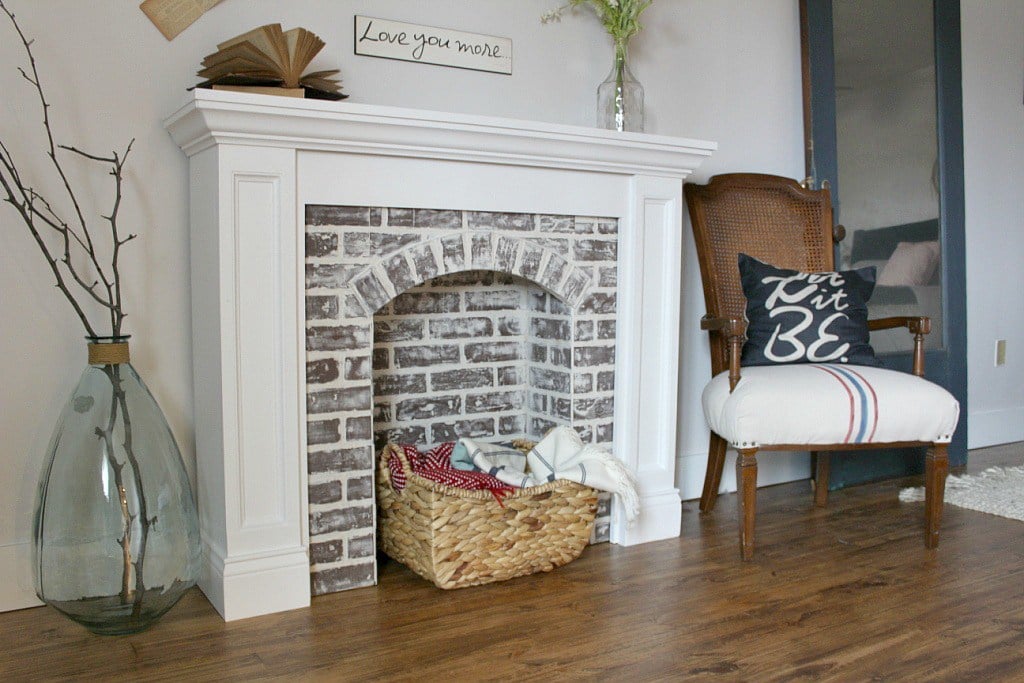
A room without a fireplace can still have all the architectural charm, seasonal decorating space, and cozy atmosphere of oneminus the chimney inspection, drifting smoke, and mysterious squirrel noises. A DIY faux fireplace creates a natural focal point using materials such as lumber, plywood, MDF, molding, tile, brick veneer, paint, and peel-and-stick finishes.
Unlike a working fireplace, a decorative fireplace mantel can fit almost anywhere. It can anchor a blank living room wall, give a bedroom vintage character, frame an electric insert, or finally provide a proper place for stockings instead of hanging them from a bookcase and pretending that was the plan.
The best designs succeed because they look intentional. Proportion, depth, texture, secure installation, and thoughtful firebox styling matter more than expensive materials. Professional home-improvement guides commonly recommend planning the dimensions first, building a stable frame, securing the structure to appropriate wall supports, and using layered trim to create believable architectural depth.
Before Building a DIY Faux Fireplace
Choose the Right Location
Select a wall that needs a focal point but does not block a doorway, walkway, vent, outlet, or important piece of furniture. Living rooms are the obvious choice, but faux fireplaces also work beautifully in dining rooms, bedrooms, home offices, and spacious entryways.
Use painter’s tape to outline the proposed fireplace directly on the wall. Step across the room and study it from several angles. A design that looks perfectly reasonable from six inches away can resemble a tiny puppet theater once you sit on the sofa.
Get the Proportions Right
A typical faux fireplace includes two side columns, a horizontal header, a mantel shelf, and a recessed or darkened firebox area. The mantel should generally extend beyond the side columns so that the structure feels balanced. In a small room, keep the profile relatively shallow. In a large room with tall ceilings, a wider surround or an overmantel treatment can provide more visual weight.
A cardboard mock-up is useful when testing height, width, and shelf depth. This simple step can prevent expensive recutting later and helps determine whether artwork, a mirror, or a television will fit comfortably above the mantel.
Remember That Decorative Does Not Mean Freestanding
A faux fireplace should be anchored securely, particularly in homes with children or pets. Use hardware suited to the wall material and fasten the frame into studs whenever possible. Heavy mantels, stone pieces, mirrors, and electric inserts require additional support.
Note: The projects below are primarily decorative. Never burn wood, charcoal, gel fuel, ethanol, or candles inside a wooden or MDF firebox. Use only products specifically approved for indoor use, follow their installation instructions, and maintain all required clearances. LED candles provide atmosphere without open flames.
20 Gorgeous DIY Faux Fireplaces and Mantels
1. Classic White Fireplace With Layered Molding
For a traditional look, build a rectangular surround from plywood or MDF and dress it with several profiles of decorative molding. Flat boards create the main structure, while base cap, panel molding, crown molding, and small trim pieces add shadow lines.
Fill the nail holes, caulk the joints, sand the surface, and paint everything warm white. A satin or semigloss finish makes the architectural details easier to clean and subtly reflects light. This design pairs beautifully with a dark firebox, antique mirror, brass candlesticks, and slightly smug confidence.
2. Rustic Reclaimed-Wood Mantel
A reclaimed-wood faux fireplace brings warmth to farmhouse, cabin, industrial, and cottage interiors. Build a simple surround from new lumber, then wrap the visible surfaces with salvaged planks or boards distressed to resemble old wood.
Leave knots, saw marks, and small imperfections visible, but remove splinters and unstable material. A thick hollow-box mantel can imitate a massive timber without placing excessive weight on the wall. Reclaimed wood and floating mantel forms are frequently recommended for adding texture and character without constructing an entirely solid beam.
3. Modern Black Faux Fireplace
Paint the entire surround, mantel, firebox, and wall above it the same deep black or charcoal color. The monochromatic treatment turns an inexpensive DIY structure into a bold architectural statement.
Keep the lines simple: broad side panels, a slim shelf, and minimal trim. Add pale artwork, light ceramics, or natural wood accessories for contrast. Matte paint creates a soft contemporary effect, while satin paint gives the edges slightly more definition.
4. Faux Brick Fireplace With a Wood Beam
Brick texture instantly makes a decorative fireplace feel established. Use thin brick veneer, lightweight brick panels, a convincing stencil, or removable brick-pattern wallpaper, depending on your budget and whether you own or rent.
Finish the design with a chunky stained-wood mantel. For an aged look, soften bright red brick with a light limewash-style finish. For an urban loft effect, choose deeper brick tones and a dark firebox. Brick, painted brick, and wood-and-masonry combinations remain popular because they add texture without requiring elaborate ornament.
5. Renter-Friendly Removable Fireplace
Build a shallow freestanding facade that can be secured with anti-tip hardware and removed when you move. Lightweight plywood, foam trim, removable wallpaper, and peel-and-stick tile keep the structure manageable.
Design it in sections so the base, columns, header, and shelf can be unscrewed for transportation. A faux fireplace is especially effective in a rental because it introduces architectural character without permanently changing the room.
6. Arched Plaster-Style Fireplace
An arched firebox creates the romantic appearance of an old European fireplace. Cut the arch from plywood using a jigsaw, attach it to a framed surround, and soften the seams with joint compound or a specialty plaster finish.
Choose warm white, sand, limestone, or muted clay paint. Slight irregularities can enhance the handcrafted effect, so this is one project where absolute perfection may actually make the fireplace look less authentic. Finish the opening with stacked logs, a ceramic vessel, or substantial LED candles.
7. Fluted Wood Fireplace Surround
Vertical fluting adds rhythm and a custom-built appearance. Apply half-round molding, narrow wood strips, pole-wrap material, or tambour panels to the front of a simple fireplace frame.
Paint the fluting for a refined contemporary look, or leave it in natural wood for a warmer Scandinavian-inspired design. Keep the mantel shelf streamlined so it does not compete with the texture. Fluted treatments are particularly effective on small fireplaces because the vertical lines visually increase height.
8. Marble-Look Faux Fireplace
You do not need a quarry, a forklift, or a dramatic inheritance to enjoy the look of marble. Cover a smooth plywood surround with marble-pattern porcelain tile, peel-and-stick panels, laminate, or carefully applied decorative film.
Align the veining across adjoining surfaces whenever possible. A simple white mantel allows dramatic veining to remain the star, while black trim creates a more graphic finish. Use a real stone remnant for the shelf if your wall framing can support it safely.
9. Cottage Fireplace With Scalloped Trim
Add personality to a basic painted surround with scalloped edging beneath the mantel or around the firebox opening. Cut the pattern from plywood using a template, or install premade decorative trim.
Soft cream, dusty blue, blush, sage, or muted yellow works well with this playful style. Decorate the mantel with small landscapes, handmade pottery, and flowers. The finished fireplace should feel charming and collected, not as though a craft store sneezed on it.
10. Minimalist Floating Mantel and Painted Firebox
For a simple faux fireplace, paint a tall black or charcoal rectangle on the wall and mount a substantial floating shelf above it. The painted shape suggests a firebox without taking up floor space.
Add a low hearth board, stacked logs, or a compact decorative screen to strengthen the illusion. This solution works well in apartments, narrow rooms, and minimalist interiors where a full surround would feel too bulky.
11. Built-In Bookshelf Fireplace Wall
Frame the faux fireplace with matching bookcases to create a complete feature wall. Stock cabinets or inexpensive shelving units can serve as the starting point. Add face frames, baseboards, crown molding, and filler strips so the separate pieces appear built in.
Paint the entire installation one color for cohesion. The fireplace provides symmetry and focus, while the shelves deliver practical storage. Leave some breathing room among books and objects; built-ins look more expensive when every square inch is not battling for survival.
12. Electric Insert Faux Fireplace
An electric insert can add moving flame effects and, in some models, supplemental heat. Build the surrounding frame to the exact dimensions and ventilation requirements specified by the manufacturer. Ensure that the electrical outlet remains accessible and that cords are not pinched behind the structure.
Recessed electric inserts produce the most integrated appearance, while freestanding units simplify installation. Electric fireplaces vary widely in output, controls, realism, and safety features, so the insert should be selected before construction begins.
13. Faux Stone Fireplace
Lightweight manufactured stone veneer can make a plywood or cement-board surround resemble a substantial masonry feature. Choose stacked stone for a rustic appearance or larger, evenly shaped pieces for a cleaner contemporary style.
Plan the stone layout before installation and mix pieces from different boxes to avoid obvious color clusters. Because veneer materials and adhesives have specific substrate requirements, follow the manufacturer’s system instead of improvising with whatever tube of glue happens to be nearest.
14. Vintage Salvaged-Mantel Fireplace
A salvaged mantel can bring instant history to a newer home. Search architectural salvage stores, estate sales, flea markets, and online marketplaces for old wooden surrounds.
Repair loose joints, remove failing paint safely, and preserve interesting wear when possible. If the opening is too large, create a fitted insert panel painted black or covered with tile. If it is too small, use side fillers that resemble original trim. The goal is adaptation, not forcing an antique to perform architectural gymnastics.
15. Color-Drenched Faux Fireplace Wall
Paint the mantel, surround, firebox, baseboards, and surrounding wall one saturated color. Deep green, wine red, navy, terracotta, and rich blue can make simple materials look dramatically more sophisticated.
Color drenching reduces visible transitions and gives the fireplace greater visual authority. Proper surface preparation remains important: sand glossy finishes, prime MDF edges and slick materials, and apply enough coats for consistent coverage.
16. Tile-Framed Faux Fireplace
Tile the area around the faux firebox to introduce pattern and color. Small mosaics create vintage charm, geometric cement-look tiles add energy, and elongated subway tiles offer a cleaner appearance.
Dry-lay the design first so narrow cuts do not end up in highly visible locations. Center the pattern around the opening and use trim pieces or wood molding to create finished edges. Even a narrow tile border can make a simple mantel look thoughtfully designed.
17. Bedroom Faux Fireplace With Candles
A shallow fireplace surround can give a bedroom the atmosphere of a boutique hotel. Use a soft neutral paint and fill the firebox with battery-operated pillar candles in several heights.
Add a mirror above the mantel to reflect the gentle light, or lean a large piece of artwork for a relaxed look. LED candles are preferable in wooden decorative structures, especially near bedding, curtains, rugs, and other combustible materials. Decorative fireplaces are often styled with grouped candles, logs, art, plants, or ceramics rather than simulated flames.
18. Faux Fireplace With Hidden Storage
Make the side columns or hearth base hollow and add discreet cabinet doors. The compartments can store games, electronics, seasonal decorations, or the collection of charging cables nobody understands but nobody is brave enough to discard.
Use touch latches or concealed hinges to maintain a clean facade. Reinforce the frame around all openings, and avoid placing heavy objects on unsupported panels. This design is especially valuable in small homes where purely decorative furniture must work a second job.
19. Holiday-Ready Faux Mantel
Create a mantel specifically designed for seasonal decorating. Include enough shelf depth for garlands, framed art, candleholders, and lightweight ornaments. Add small hooks beneath the shelf for stockings, but ensure that the mantel and structure are properly anchored.
Keep the permanent fireplace neutral so decorations can change throughout the year. A mirror or central artwork provides an anchor, while greenery, meaningful objects, and accessories of varied heights create a layered arrangement.
20. Floor-to-Ceiling Statement Fireplace
Extend vertical paneling, plaster texture, brick veneer, or painted trim from the mantel to the ceiling. The extra height transforms a modest faux fireplace into a major architectural feature and can make the ceiling appear taller.
Center one oversized artwork, a mirror, or a carefully integrated television above the mantel. Plan cable routing and viewing height before construction. A large screen should not overpower a narrow mantel, and the final layout should remain comfortable from the primary seating area.
How to Make a Faux Fireplace Look Real
Create Genuine Depth
A flat rectangle attached to a wall often looks like scenery from a school play. Even a few inches of projection helps the columns cast shadows and makes the fireplace feel structural. Recess the firebox, extend the mantel beyond the columns, and add a hearth panel at floor level.
Repeat Materials From the Room
Match the mantel stain to nearby wood furniture, repeat a cabinet color, or select tile that echoes the kitchen backsplash. When the fireplace shares materials with the surrounding room, it feels like part of the home rather than a decorative visitor who arrived unexpectedly.
Style the Firebox With Substantial Objects
Use objects that fill the opening appropriately. A natural stack of logs, large ceramic vessel, decorative screen, basket, or group of broad LED candles will usually look more convincing than many tiny accessories. The interior should be dark enough to create visual depth but not so cluttered that it resembles a storage cubby.
Finish Every Visible Edge
Caulk gaps, fill fastener holes, sand rough areas, prime exposed MDF edges, and paint the interior returns. These small finishing steps separate a polished DIY mantel from a project that looks as though the builder became bored during the final 12 percent.
Practical Experience: Lessons DIYers Learn While Building Faux Fireplaces
The first lesson many DIYers learn is that the design stage matters more than the cutting stage. It is tempting to buy several boards, start sawing, and trust that inspiration will eventually appear. In practice, a taped wall outline and a simple scale drawing prevent most proportion problems. A mantel that is too narrow looks timid, while one that is too deep can dominate a small room and become an efficient collector of dust.
The second lesson is that walls are rarely as straight as they appear. Baseboards may project farther than expected, floors may slope slightly, and corners that look square can have other plans. Before cutting finished trim, measure the wall in several places. Scribe side pieces when necessary, use caulk only for small gaps, and resist the urge to fill a canyon-sized mistake with half a tube of sealant.
Material selection also changes the building experience. MDF produces smooth painted surfaces and crisp routed details, but it is heavy, creates fine dust, and requires careful priming along cut edges. Plywood is stronger and often lighter, although exposed edges need banding or trim. Construction lumber is easy to obtain and ideal for rustic designs, but boards should be checked for twists and bows before they enter the cart. The board shaped like a banana will not become more cooperative at home.
Dry fitting is another habit worth developing. Assemble the main frame temporarily before applying glue or driving final fasteners. Place the mantel on top, test the trim, and check the structure from across the room. Small misalignments become surprisingly obvious once everything is painted a single color.
Painting usually takes longer than construction. Nail holes need filling, joints need caulking, and porous edges may require additional primer. Dark colors expose dust, uneven seams, and roller marks, while glossy finishes highlight nearly every surface defect. A patient sanding and priming process produces a result that looks custom rather than hurried.
Installation is the stage where attractive design must meet basic responsibility. Even a lightweight fireplace facade can tip if someone pulls on the mantel or climbs onto the hearth. DIYers should identify wall studs, choose fasteners for the actual wall material, and use anti-tip hardware where appropriate. Heavy mirrors and shelves need their own secure mounting systems rather than relying on the decorative surround.
Finally, styling should happen gradually. Start with one large anchor, such as a mirror or artwork, and add a few objects of different heights. Step back before adding more. A mantel needs enough visual interest to feel intentional, but it does not need to display every candle, vase, photograph, pumpkin, ceramic bird, and sentimental rock owned by the household.
The most satisfying faux fireplaces are rarely the most complicated. They succeed because their proportions suit the room, the materials connect with the surrounding decor, and the craftsmanship is tidy. A straightforward painted surround with a well-built mantel can change the entire atmosphere of a roomand no chimney sweep has to be invited.
Conclusion
A DIY faux fireplace and mantel can give an ordinary wall architectural depth, personality, and a welcoming focal point. Whether your style leans toward traditional molding, rustic wood, colorful tile, minimalist black paint, vintage salvage, or a sleek electric insert, the project can be adapted to your space and skill level.
Measure carefully, test the proportions, anchor the structure securely, and spend time on finishing details. Then decorate the mantel with pieces that are meaningful rather than merely plentiful. Done well, your faux fireplace will look so natural that guests may wonder where the chimney is. You are under no obligation to tell them.
Research Note
This original article synthesizes construction, safety, material, installation, and styling guidance from This Old House, Bob Vila, The Home Depot, Lowe’s, HGTV, Better Homes & Gardens, The Spruce, Apartment Therapy, House Beautiful, Southern Living, Real Simple, and Architectural Digest.