

Quick heads-up: This article is for general education, not a substitute for medical advice. If you have ongoing constipation, severe pain, bleeding, vomiting, fever, or unexplained weight loss, talk with a healthcare professional.
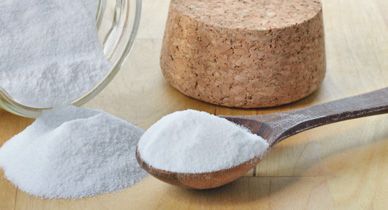
Constipation has a special talent: it can make a normal day feel like an awkward negotiation with your own body. And when you’re uncomfortable, it’s tempting to try whatever the internet (or a well-meaning relative) swears “works instantly.” One remedy that pops up a lot is baking sodathat humble white powder you keep around for cookies, fridge odors, and science-fair volcanoes.
But can baking soda actually help you poop? Or is it more like inviting a marching band into a libraryloud, chaotic, and not solving the original problem?
Let’s break down what baking soda is, why people try it for constipation, what risks come with swallowing it, and what evidence-based options are more likely to helpwithout turning your bathroom into a suspense thriller.
What Counts as Constipation, Really?
Constipation isn’t just “I didn’t go today.” It usually means a mix of things like:
- Fewer bowel movements than normal for you (often fewer than three per week)
- Hard, dry, or lumpy stools
- Straining or feeling like you can’t completely empty
- Bloating or abdominal discomfort
Sometimes constipation is short-termtravel, stress, a schedule change, or not drinking enough water. Other times it sticks around due to diet, medications, low activity, or an underlying medical issue.
What Is Baking Soda?
Baking soda is sodium bicarbonate. In cooking, it helps baked goods rise. In medicine, sodium bicarbonate is used in specific clinical situations to help correct certain acid-base problems. Over the counter, it’s also marketed as an antacid for heartburn or acid indigestion.
That antacid reputation is part of why it gets dragged into the constipation conversationbecause once a household product has “health” vibes, it tends to get recruited for every symptom like it’s the Swiss Army knife of pantry items.
Why People Try Baking Soda for Constipation
Most “baking soda for constipation” advice is based on folklore, not strong clinical evidence. People try it because:
- It’s cheap and already in the kitchen.
- They’ve used it for heartburn and assume it’s generally “safe.”
- They confuse stomach discomfort/bloating with constipation and hope it will “settle things down.”
- Online posts claim it “cleans you out” or “alkalizes your gut.” (That’s not how constipation works.)
Here’s the key point: baking soda is not a standard, recommended treatment for constipation. And the reasons have more to do with safety than with gatekeeping your grandma’s home remedies.
Does Baking Soda Help Constipation? What Science Suggests
Constipation relief generally requires one (or more) of these mechanisms:
- More water in the stool (so it’s softer and easier to pass)
- More bulk/fiber (so stool moves more efficiently)
- More intestinal movement (motility)
- Better pelvic floor coordination (the “mechanics” of going)
Sodium bicarbonate doesn’t reliably address those causes. It mainly neutralizes acid in the stomach and can produce carbon dioxide gas. That might lead to burping or bloatingneither of which is the same as treating constipation. If anything, extra gas and pressure can make you feel worse.
So if baking soda “seems” to help some people, it may be coincidence (constipation resolving on its own), a placebo effect, or a misread of symptoms (relief from indigestion, not true constipation). That’s not the kind of reliability you want when you’re already uncomfortable and cranky.
Why Swallowing Baking Soda Can Be Risky
Baking soda is powerful enough to shift your body chemistry if taken in large amounts or too often. The biggest issues involve sodium load and acid-base imbalance.
1) Electrolyte and Acid-Base Problems
Too much sodium bicarbonate can push the body toward metabolic alkalosis (blood becomes too alkaline). That may sound like a fancy chemistry flex, but it can be dangerous. It can also disrupt electrolytes like potassium and sodium. In severe cases, it can affect the heart and nervous system.
2) Too Much Sodium (Especially If You’re Sodium-Sensitive)
Because baking soda contains sodium, swallowing it can be a problem for people who need to limit saltlike those with high blood pressure, heart failure, kidney disease, or certain other conditions. Even if you’re young and generally healthy, high sodium intake isn’t a “freebie.”
3) Gas and Stomach Pressure
When baking soda reacts with stomach acid, it can generate carbon dioxide gas. That can cause uncomfortable bloating and pressure. Rarely, extreme pressure can lead to serious complicationsespecially if someone takes a lot at once or has a full stomach.
4) Medication Interactions
Changing stomach acidity can affect how certain medications are absorbed. Plus, sodium bicarbonate itself may interact with some prescription drugs. If you’re on any medications, it’s another reason not to treat constipation with a kitchen ingredient that doubles as a chemistry experiment.
Bottom line
Using baking soda as a constipation remedy isn’t recommended because it’s not a proven fix and it carries meaningful risksespecially if someone repeats the practice, takes too much, or has underlying health issues.
Safer, Evidence-Based Ways to Relieve Constipation
If your goal is actual constipation relief (not just “I saw this on social media and now I’m hopeful”), here are approaches supported by major medical organizations and clinical guidance.
Start with lifestyle moves that actually change the outcome
1) Hydration: make stool less “brick-like”
Water helps stool stay softer and easier to pass. If you’re dehydrated, your colon pulls more water from stoolturning it into the dry, stubborn kind that refuses to cooperate.
Practical example: If your pee is consistently dark yellow and you’re constipated, hydration is a strong first suspect.
2) Fiber: the underrated MVP
Fiber adds bulk and helps stool hold onto water. Many people don’t get enough daily fiber. Gradually increasing fiber can improve regularity, but going from “almost none” to “all the beans” overnight can cause gas and crampsso ramp up slowly.
Fiber-rich foods: berries, pears, apples (with skin), oats, chia, lentils, beans, broccoli, whole grains.
3) Movement: your gut likes a little motion too
Physical activity can help stimulate intestinal movement. You don’t need to run a marathonwalking after meals can help some people.
4) Toilet timing and posture: yes, it matters
Ignoring the urge to go can train your body to “hold it” until it’s harder to pass. Also, a small footstool (or knees higher than hips) can straighten the angle and make bowel movements easier for some people.
Over-the-Counter Options That Are Typically Safer Than Baking Soda
OTC constipation products exist for a reason: they’re designed for the job. That doesn’t mean “take everything forever,” but they’re generally a more predictable approach than experimenting with sodium bicarbonate.
Fiber supplements
Psyllium and similar products can help, especially if your diet is low in fiber. Increase slowly and drink enough water.
Osmotic laxatives
These draw water into the colon to soften stool. Polyethylene glycol (PEG) is a commonly recommended option for many adults with occasional constipation. (If you’re under 18, check with a parent/guardian and a clinician before using any laxative.)
Stimulant laxatives (short-term/rescue)
Products like senna or bisacodyl can help when you need short-term relief, but they’re generally not a “daily forever” plan unless a clinician specifically recommends it.
Important: If constipation is frequent, severe, or long-lasting, the goal is to find the cause and a sustainable plannot just to chase symptom relief.
When Constipation Needs Medical Attention
Constipation is common, but certain symptoms raise concern. Contact a healthcare professional urgently if constipation comes with:
- Blood in stool or rectal bleeding
- Severe or constant abdominal pain
- Vomiting
- Fever
- Inability to pass gas
- Unexplained weight loss
- Symptoms lasting weeks or getting worse
These can signal something beyond simple constipation and deserve prompt evaluation.
So… Should You Use Baking Soda for Constipation?
If you want the most honest, evidence-based answer: it’s not a recommended constipation remedy. It doesn’t reliably solve the core problems (dry stool, slow transit, low fiber, dehydration, pelvic floor issues), and it can cause side effectssome of them seriousespecially when used repeatedly or in large amounts.
For most people, constipation improves more safely with hydration, fiber, movement, routine, and (when appropriate) targeted OTC options designed for constipation. If constipation keeps coming back, that’s not a personal failureit’s a sign to check your habits, medications, and overall health with a professional.
Real-World Experiences Related to Baking Soda and Constipation (About )
Even though baking soda isn’t a go-to constipation treatment, people still try itoften because constipation feels urgent, uncomfortable, and oddly embarrassing. And when you’re uncomfortable, your brain becomes a talented negotiator: “It’s in my kitchen. It’s natural-ish. It helps with heartburn. Surely it can help with this too?”
One common experience is the mistaken-identity problem: someone feels bloated, heavy, and backed up after a big meal. They assume it’s constipation, but it may be indigestion, reflux, or gas. They reach for baking soda, and the stomach discomfort shifts a littlemaybe there’s burping or reduced burningso it feels like a “win.” But the constipation itself doesn’t reliably change, because the original issue (dry stool and slow movement through the colon) is still there. The result is a confusing timeline: “It helped… but I still can’t go.”
Another frequent experience is the too-fast escalation. Constipation can make people impatient, and impatience plus internet advice is a chaotic duo. Someone tries a “quick fix,” doesn’t get an instant result, and then doubles down. That’s where trouble can start. Baking soda can cause more gas and pressure in the stomach. People sometimes describe feeling extra bloated, uncomfortable, or “puffed up,” which is the opposite of what they wanted. Instead of relief, they get a new symptom to babysit.
Then there’s the social media effect. A video makes it look simple: “Do this one thing and you’ll be fine.” In real life, constipation often has boring causeslike not enough fiber, not enough water, or too much sittingso the boring solutions (drink water, eat fiber, walk, keep a routine) don’t go viral. But they work. People who shift from “random hacks” to “repeatable habits” often describe a turning point: breakfast with oats or fruit most days, a water bottle they actually finish, and a short walk after dinner. Not glamorous, but surprisingly effective.
A very relatable story pattern goes like this: school or work gets stressful, meals become snacky and irregular, water intake drops, and bathroom time gets rushed. Constipation shows up. People feel annoyed at their body, like it’s being dramatic. But once they treat constipation as a systems problem instead of a single-moment problem, things improve. They add fiber slowly (so they’re not suddenly living inside a balloon), they hydrate, and they stop ignoring the urge to go. If they need an OTC product, they use one that’s meant for constipationnot one that’s meant for muffins.
The most consistent “success” experiences aren’t about a magic ingredient. They’re about a calm plan: small daily changes, smart short-term tools, and knowing when symptoms are a sign to get checked. And honestly, that’s the best kind of reliefthe kind that doesn’t come with a side of chemistry-class complications.
Conclusion
Baking soda may be famous for baking and heartburn relief, but it’s not a reliable or recommended remedy for constipationand it can cause side effects that range from uncomfortable to dangerous. If constipation is occasional, start with hydration, fiber, and movement, and consider OTC options designed specifically for constipation when appropriate. If symptoms are persistent or come with red flags like bleeding, vomiting, fever, or weight loss, don’t tough it outget medical guidance.