

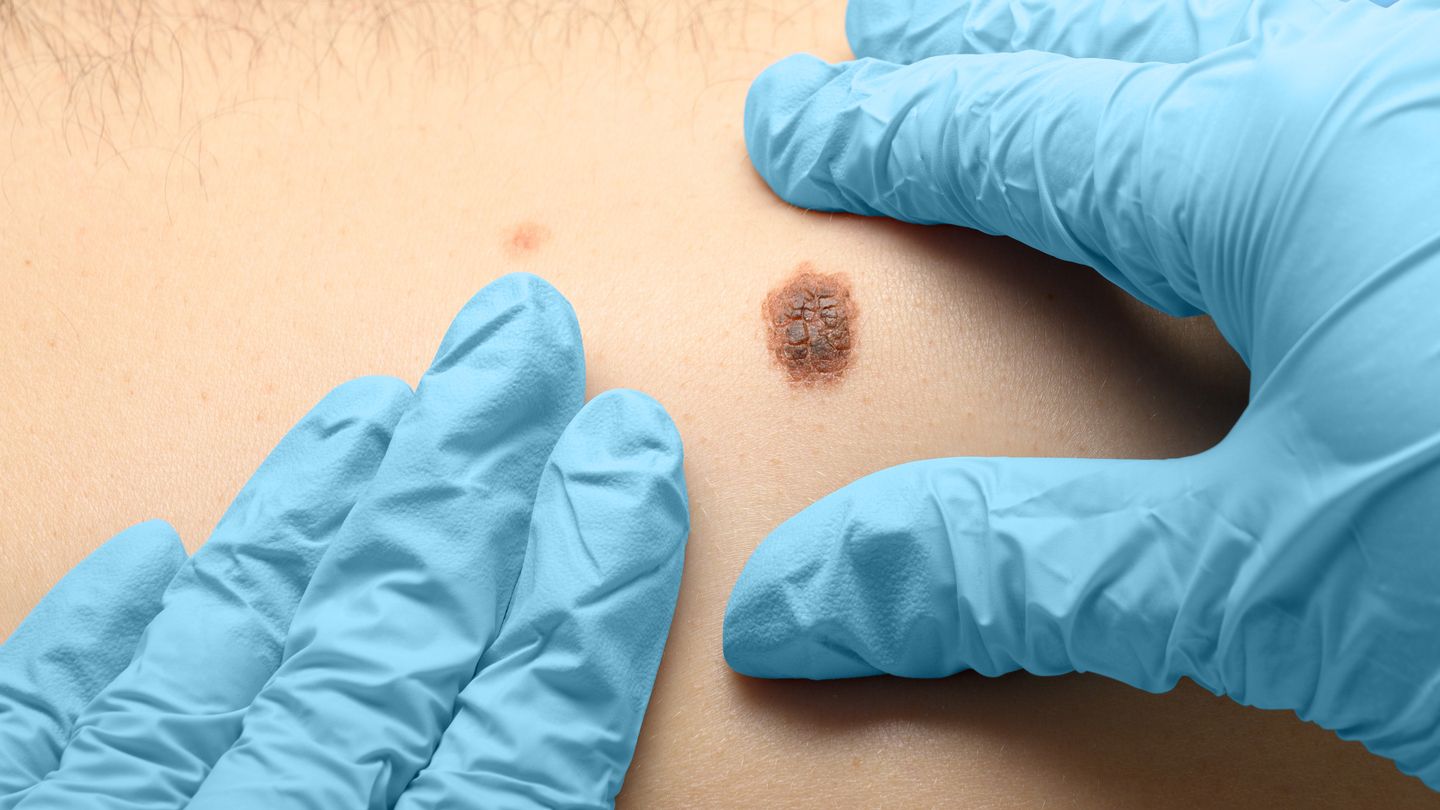
Melanoma Monday is not meant to ruin your relationship with sunshine, beach days, backyard barbecues, or that one patio chair you have emotionally claimed as your kingdom. It is a reminder that your skin has a memory, and it is unfortunately better at keeping receipts than most of us are.
Observed on the first Monday in May during Skin Cancer Awareness Month, Melanoma Monday encourages people to take skin cancer seriously before it becomes a frightening diagnosis. Melanoma is less common than basal cell carcinoma and squamous cell carcinoma, but it is more likely to spread to other parts of the body if it is not found early. The encouraging news is that early detection can make an enormous difference.
That is why the truth about skin cancer is not “panic over every freckle.” The truth is simpler: know your skin, protect it from ultraviolet radiation, and get suspicious changes checked instead of hoping they will disappear after a long weekend and a motivational smoothie.
What Is Melanoma Monday?
Melanoma Monday is an annual awareness event created to put skin cancer prevention and early detection on the public calendar. It is a useful nudge because skin cancer can be easy to ignore. A tiny mole does not usually interrupt your workday, complain about your inbox, or send you a calendar invite labeled “URGENT.”
But melanoma can begin in pigment-producing cells called melanocytes. These are the cells that help determine skin color. When melanocytes become cancerous, melanoma can develop on the skin and, more rarely, in other areas of the body.
The main purpose of Melanoma Monday is to help people understand three important ideas:
- Anyone can develop skin cancer, regardless of age, gender, or skin tone.
- Too much ultraviolet, or UV, exposure is a major preventable risk factor.
- A new, changing, bleeding, itchy, unusual, or “just plain weird-looking” spot deserves medical attention.
Think of the day as a yearly maintenance reminder. You change your smoke detector batteries. You check your car’s tire pressure. Your skin deserves at least the same level of respect.
The Truth About Skin Cancer: Melanoma Is Serious, but Early Detection Matters
Skin cancer is an umbrella term, not one single disease. The most common forms are basal cell carcinoma, squamous cell carcinoma, and melanoma. Basal cell and squamous cell cancers are often highly treatable, especially when found early. Melanoma is generally considered the most dangerous common type because it is more likely to grow deeper and spread.
Still, “dangerous” does not mean “hopeless.” When melanoma is detected before it has spread, the five-year relative survival rate is extremely high. The problem is that melanoma becomes much more difficult to treat after it moves into nearby lymph nodes or distant organs.
That is why checking your skin is not vanity. It is preventive health care. A suspicious mole is not something to diagnose with internet zoom, bathroom lighting, and wishful thinking. A dermatologist or other qualified clinician can examine it properly and decide whether a biopsy is needed.
Who Is at Risk for Melanoma?
Everyone has some level of skin cancer risk. Yes, everyone. Darker skin contains more melanin, which can provide some natural protection against UV damage, but it does not create an invisible force field. Melanoma can occur in people of every skin tone.
Your risk may be higher if you have:
- Fair skin that burns easily, freckles, light eyes, or light hair.
- A personal history of melanoma or another type of skin cancer.
- A close family member with melanoma.
- Many moles, large moles, or atypical moles.
- A history of intense sun exposure or repeated sunburns.
- A history of indoor tanning bed use.
- A weakened immune system, including from certain medical conditions or medications.
- Frequent outdoor work, outdoor sports, high-altitude travel, or tropical sun exposure.
One common mistake is assuming that only people who spend every day at the beach are at risk. In reality, occasional intense exposure can matter too. The person who works indoors all week and then gets blistered during one Saturday fishing trip is not getting a free pass from the UV universe.
How to Spot Melanoma: The ABCDE Rule
The ABCDE rule is one of the most useful tools for recognizing possible melanoma. It is not a diagnosis, but it is a practical way to notice changes that should be checked by a health professional.
A Is for Asymmetry
One half of the spot does not resemble the other half. Imagine folding the mole in half. Would the two sides match reasonably well? If not, it may deserve attention.
B Is for Border
Healthy moles often have smoother, more defined edges. A suspicious mole may have irregular, scalloped, blurred, jagged, or notched borders.
C Is for Color
Look for uneven color or several colors in one spot. Shades of tan, brown, black, red, pink, white, gray, or blue can be warning signs. Not all melanomas are dark, so a pink or reddish lesion that changes should not be ignored.
D Is for Diameter
A spot larger than about 6 millimeters, roughly the width of a pencil eraser, can be concerning. However, melanoma can be smaller than that, so size alone should never be your entire screening plan.
E Is for Evolving
This may be the most important letter of all. A mole that changes in size, shape, color, texture, or sensation should be evaluated. Pay attention to spots that itch, bleed, crust, become painful, or look noticeably different from the rest of your moles.
Do Not Forget the “Ugly Duckling” Sign
Your moles may have a family resemblance. Perhaps most are small, round, and medium brown. Then one arrives looking like it missed the group photo entirely. That is the “ugly duckling” sign: a spot that looks distinctly different from the others.
It does not automatically mean cancer, but it is worth discussing with a clinician. Skin cancer does not always read the ABCDE instruction manual. Some melanomas are raised. Some are pale. Some appear as stubborn sores, new bumps, or unusual dark streaks under nails.
Check places that are easy to overlook, including:
- Your scalp, ears, neck, and lips.
- Your back, shoulders, and underarms.
- Your palms, soles, and between your toes.
- Your fingernails and toenails.
- Your buttocks and genital area.
In other words, your skin check should not stop at the areas visible in a quick mirror selfie.
How to Do a Skin Self-Exam
A monthly skin self-exam can help you learn what is normal for your body. You do not need fancy equipment. A full-length mirror, a hand mirror, decent lighting, and a few uninterrupted minutes will do the job.
- Examine your face, ears, neck, chest, and stomach.
- Check your arms, underarms, hands, palms, and nails.
- Use a hand mirror to inspect your back, shoulders, and the backs of your arms.
- Look over your legs, including the backs of your thighs and calves.
- Check your feet, soles, toes, and spaces between your toes.
- Ask a partner, family member, or trusted friend to inspect your scalp and other hard-to-see areas.
Take note of anything new or changing. Some people find it helpful to take periodic photos of moles, especially if they have many. This should not replace medical care, but it can help you notice whether a spot is evolving over time.
Sun Protection Is More Than Sunscreen
Sunscreen matters, but it is not a magic invisibility cloak. The most effective sun protection strategy uses several layers. Think of it as building a small security team for your skin.
Use Broad-Spectrum Sunscreen
Choose a broad-spectrum sunscreen with an SPF of at least 30 for daily outdoor exposure. Broad-spectrum means it helps protect against both UVA and UVB rays. Apply it generously to exposed skin and reapply at least every two hours when outdoors, or sooner after swimming, sweating, or towel drying.
Wear Protective Clothing
Wide-brimmed hats, sunglasses, lightweight long sleeves, and UV-protective clothing can provide reliable protection. A baseball cap is better than nothing, but your ears and neck may file a complaint.
Seek Shade
UV rays are often strongest from late morning through early afternoon. Shade can reduce exposure, especially during long outdoor activities. Bring an umbrella, use a canopy, or claim the shaded side of the patio with confidence.
Avoid Indoor Tanning
Indoor tanning devices expose skin to UV radiation and increase skin cancer risk. A tan may feel like a vacation souvenir, but biologically speaking, it is your skin signaling that it has been injured.
Common Myths About Melanoma and Skin Cancer
Myth: “I Do Not Burn, So I Do Not Need Sunscreen.”
False. Skin damage can happen without an obvious sunburn. UV exposure can still contribute to premature skin aging and skin cancer risk.
Myth: “Only Older Adults Get Melanoma.”
False. Risk rises with age, but melanoma can occur in younger adults and even in younger people. Sun protection is not something to postpone until your retirement plan becomes interesting.
Myth: “A Mole Cannot Be Melanoma Unless It Is Black.”
False. Melanoma can be brown, black, red, pink, white, blue, gray, or skin-colored. Any changing spot should be evaluated.
Myth: “People With Darker Skin Cannot Get Skin Cancer.”
False. Skin cancer can affect every skin tone. Delayed diagnosis can occur when people assume they are not at risk or when unusual lesions are dismissed too quickly.
Myth: “I Had a Skin Check Once, So I Am Covered Forever.”
Unfortunately, no. Your skin can change. Follow the schedule recommended by your clinician, especially if you have personal risk factors, and keep watching for new or evolving lesions between appointments.
What Happens if a Spot Looks Suspicious?
First, resist the urge to spiral. Many unusual moles are benign. The goal is not to predict the diagnosis from your bathroom mirror; the goal is to get a proper evaluation.
A clinician may inspect the area closely, sometimes using a handheld tool called a dermatoscope. If the spot appears concerning, a biopsy may be performed. During a biopsy, part or all of the suspicious skin area is removed and examined under a microscope.
If melanoma is confirmed, treatment depends on the stage, location, depth, and whether it has spread. Early melanoma is often treated with surgery to remove the cancerous tissue. More advanced melanoma may require additional treatments such as immunotherapy, targeted therapy, radiation therapy, surgery, or combinations of these approaches.
The key takeaway is this: getting a suspicious spot checked is not overreacting. It is giving yourself the best chance to address a problem while it is still small and manageable.
Real-Life Experiences: What Melanoma Monday Can Teach Us
The following examples are composite educational scenarios, not individual patient records. They reflect common experiences and practical lessons connected to skin cancer awareness.
The Weekend Gardener Who Thought It Was Just a Scab
Imagine someone who spends every Saturday tending tomatoes, pulling weeds, and arguing with squirrels about property rights. A small spot on the shoulder keeps crusting, healing, and returning. It does not hurt much, so it becomes easy to ignore. Months pass because life is busy and the spot is “probably nothing.”
This is one of the most common skin cancer lessons: a persistent sore, rough patch, bump, or spot that bleeds or refuses to heal deserves a professional check. Not every suspicious lesion is melanoma. Some can be basal cell or squamous cell carcinoma. But skin cancer does not always appear as a dramatic black mole with ominous background music. Sometimes it simply looks like a stubborn little annoyance that keeps coming back.
The Runner Who Noticed a Mole Changing in Photos
Another person takes progress photos while training for a half marathon. In one photo, a mole on the upper arm looks ordinary. A few months later, it appears darker and slightly larger. The person does not have pain, itching, or any major symptoms. Still, the change is noticeable.
This is where the “E” in ABCDE becomes powerful. Evolving matters. A mole does not have to be huge or painful to deserve attention. Comparing occasional photos can help people spot changes they might not notice day to day. Skin changes are often gradual, which makes them easy to explain away. “Maybe it was always like that” is a very human sentence, but it is not a medical assessment.
The Parent Who Added Sunscreen to the Family Routine
Many adults remember childhood summers as a parade of sunburns, peeling shoulders, and the belief that aloe vera was a personality trait. A parent today may decide to do things differently: sunscreen by the door, hats in the car, shade breaks at the park, and no indoor tanning.
This is not about raising children in a bubble wrap suit. It is about teaching sun-safe habits early. Kids copy what adults do. When parents apply sunscreen, wear hats, and take shade breaks without making it a punishment, children learn that skin protection is normal. It becomes as ordinary as buckling a seat belt or bringing water to soccer practice.
The Person With Darker Skin Who Checked a Nail Streak
Someone notices a new dark line under a toenail and assumes it is bruising from tight shoes. That can certainly happen. But when the line does not grow out normally, becomes wider, or changes over time, it should be evaluated. Melanoma can develop in places that receive little sun, including under nails, on palms, and on soles.
The lesson is not that every nail streak is dangerous. The lesson is that skin cancer awareness must include every skin tone and every body area. A person should never avoid an appointment because they believe melanoma “only happens to other people.”
The Friend Who Finally Made the Dermatology Appointment
Sometimes the most important experience is simply making the appointment. A friend notices an odd mole on someone’s back during a pool day. The person feels embarrassed, worries about being dramatic, and keeps postponing the call. Eventually, they schedule a visit, get the spot examined, and walk away with either reassurance or a clear treatment plan.
That is the real spirit of Melanoma Monday: notice, act, and encourage other people to do the same. You do not need to diagnose your spouse, roommate, parent, or best friend. You only need to say, “That spot looks new. Have you had it checked?” Sometimes a small conversation is the thing that gets someone through the clinic door.
Conclusion: Make Skin Awareness a Habit, Not a Once-a-Year Event
Melanoma Monday is a valuable reminder, but your skin does not operate on an awareness-month schedule. UV exposure happens year-round. New or changing spots can appear at any time. A monthly skin self-exam, consistent sun protection, and prompt medical evaluation of suspicious changes can help turn awareness into action.
Do not let fear keep you from looking. Most moles are harmless, and many skin cancers are highly treatable when caught early. The goal is not to inspect your body with panic. The goal is to know what is normal for you, notice what is not, and let qualified medical professionals do the diagnosing.
Wear sunscreen. Find shade. Skip the tanning bed. Check your skin. And remember: your future self will be very grateful that you treated that “weird little spot” like it mattered.
Note: This article is for educational purposes and does not replace advice from a dermatologist or other qualified health professional. Seek medical evaluation for any new, changing, bleeding, painful, itching, or nonhealing skin lesion.