

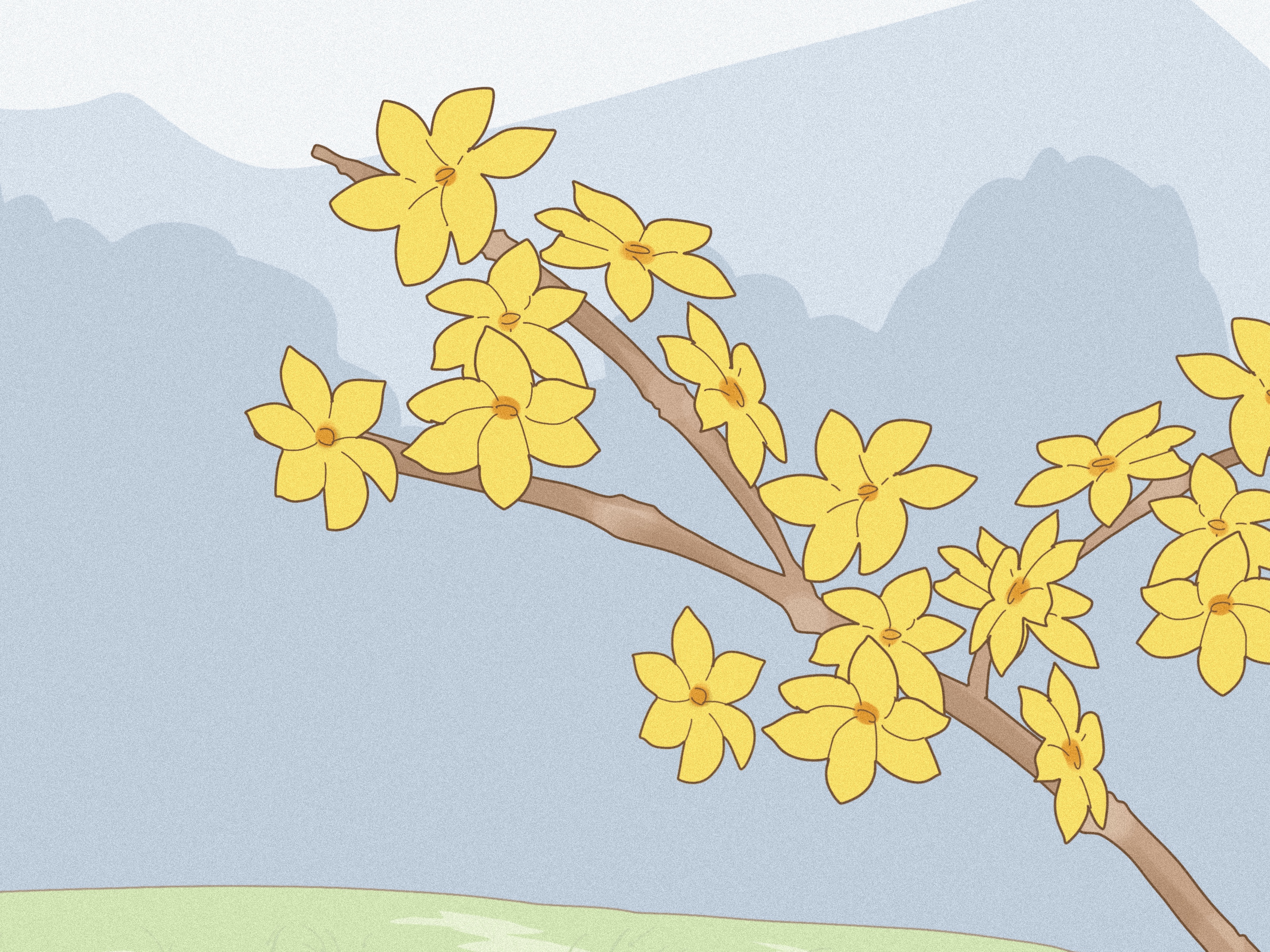
Growing jasmine from cuttings is one of those gardening projects that feels suspiciously generous. You take a small piece from an established plant, give it moisture, warmth, and a little patience, and it may turn into an entirely new jasmine plant. No seeds, no complicated equipment, and no solemn ceremony under a full moon required.
Stem propagation also allows the new plant to retain the characteristics of its parent. If the original jasmine produces intensely fragrant flowers, compact growth, or an especially attractive leaf color, the rooted cutting should develop the same traits. That makes propagation useful for expanding your own collection, preserving a favorite plant, or creating inexpensive gifts for gardening friends.
This guide explains how to grow jasmine from cuttings in potting medium or water, when to take the cuttings, how to prevent rot, and what to do after roots appear.
Note: The name “jasmine” is used for several different plants. True jasmines belong to the Jasminum genus, including common jasmine and Arabian jasmine. Star jasmine, or Trachelospermum jasminoides, is not a true jasmine, although it has similarly fragrant flowers. Fortunately, both true jasmine and star jasmine can usually be propagated from stem cuttings.
Can Jasmine Be Grown From Cuttings?
Yes. Stem cuttings are among the most practical ways to propagate jasmine. A section of healthy stem is removed from the parent plant and placed in conditions that encourage it to form adventitious roots, meaning roots that develop from stem tissue instead of an existing root system.
Cuttings are especially useful because jasmine seeds can be slow, unpredictable, or unavailable. Seed-grown plants may also differ from the parent, particularly when the parent is a hybrid or named cultivar. A cutting is essentially a botanical copy machine, although it works more slowly and has significantly fewer buttons.
Common jasmine, Arabian jasmine, pink jasmine, winter jasmine, and star jasmine can all be propagated through cuttings. The ideal stem maturity may vary by species. Softwood and semi-hardwood stems are commonly used, while Arabian jasmine may also root successfully from more mature wood.
When Is the Best Time to Take Jasmine Cuttings?
Spring through midsummer is generally the easiest period for propagating jasmine at home. During active growth, stems contain enough energy to produce roots, and warm temperatures support faster development.
Softwood cuttings
Softwood cuttings are taken from fresh spring growth. The stems should be green, flexible, and mature enough not to collapse when handled. These cuttings often root quickly but lose water easily, so humidity control is important.
Semi-hardwood cuttings
Semi-hardwood cuttings are taken later in the growing season after the lower part of the stem has begun to firm up. The tip remains somewhat flexible, but the base feels stronger and slightly woody. This type is often a dependable choice for jasmine because it balances moisture retention with durability.
More mature cuttings
Some Arabian jasmine varieties can be propagated from mature stems. These may take longer to root but can tolerate handling better than very tender shoots. When working with a particular cultivar, observing the parent plant is useful: choose healthy, vigorous growth rather than extremely old, thick, or damaged wood.
What You Will Need
- A healthy jasmine parent plant
- Sharp pruning shears, scissors, or a clean knife
- Rubbing alcohol or another tool disinfectant
- A small container with drainage holes
- Perlite, vermiculite, or a sterile soilless propagation mix
- Peat moss or coconut coir, if preparing your own mixture
- Rooting hormone, optional but helpful
- A pencil, chopstick, or plant label
- A clear plastic bag or propagation dome
- Water and a spray bottle
A practical homemade rooting medium is equal parts perlite and peat moss or coconut coir. The organic component retains moisture, while perlite creates air pockets around the developing roots. Regular garden soil is usually a poor choice because it may compact, drain slowly, and contain disease organisms.
How to Grow Jasmine From Cuttings in Soil
Step 1: Water the parent plant
Water the jasmine plant several hours before taking cuttings, particularly if the weather is warm. Hydrated stems are less likely to wilt during preparation. Avoid taking material from a severely dry, recently transplanted, diseased, or pest-infested plant.
Step 2: Select a healthy non-flowering stem
Choose a vigorous stem without yellow leaves, black spots, insects, or physical damage. A non-flowering shoot is preferable because flowering stems are already spending energy on buds and blooms. Root production should be the cutting’s only major assignment.
Look for a stem approximately 4 to 6 inches long with at least three leaf nodes. Nodes are the slightly raised points where leaves or side shoots emerge. They are important because new roots commonly develop around these areas.
Step 3: Make a clean cut below a node
Disinfect your cutting tool, then make the lower cut just beneath a node. A clean cut damages less tissue than a crushed or ragged one. Once the cutting has been removed, keep track of which end was originally pointing downward. Planting a stem upside down is an impressively efficient way to grow nothing.
If you are taking several jasmine cuttings, place them in a clean container with a damp paper towel while you work. Do not leave fresh cuttings exposed to direct sun or drying wind.
Step 4: Remove the lower leaves
Strip the leaves from the lower half of the stem, leaving two or three healthy leaves near the tip. Any leaf buried in the rooting medium can decay and encourage fungal problems.
If the remaining leaves are unusually large, trim each leaf blade by approximately one-third to one-half. This reduces water loss while preserving enough green tissue for photosynthesis. Do not remove every leaf unless the propagation method for your particular jasmine requires it.
Step 5: Apply rooting hormone
Rooting hormone is optional, but it may speed root initiation, increase the number of roots, and make results more consistent. Pour a small amount into a separate disposable container. Never dip the cutting directly into the original bottle because moisture or plant pathogens could contaminate the entire supply.
Lightly coat the bottom inch of the cutting, including the lowest node. Tap away excess powder. More hormone is not necessarily better; the cutting needs encouragement, not a powdered winter coat.
Step 6: Prepare the rooting container
Fill a small pot with premoistened propagation mix. The medium should feel evenly damp but should not release streams of water when squeezed. Make a planting hole with a pencil or chopstick. This prevents the rooting hormone from being scraped off as the stem enters the mix.
Step 7: Insert the jasmine cutting
Place the lower 1 to 2 inches of the stem into the hole, making sure at least one bare node is below the surface. Firm the medium gently around the stem so the cutting stands upright. Avoid packing it tightly because developing roots need oxygen as well as moisture.
Several cuttings can share a wider container, but their leaves should not touch. Crowded foliage reduces air circulation and can allow disease to spread quickly.
Step 8: Create a humid environment
Cover the pot loosely with a clear plastic bag or transparent propagation dome. The cover slows moisture loss before the cutting has roots capable of replacing water absorbed by its leaves.
Use stakes or chopsticks to prevent plastic from resting against the foliage. Open the cover briefly every day or two to release excess condensation and bring in fresh air. The goal is high humidity, not a miniature swamp with its own weather system.
Step 9: Provide warmth and indirect light
Place the cutting in bright, indirect light. Direct afternoon sunlight can overheat a covered container and scorch the leaves. A bright window with filtered light or a grow light positioned at a safe distance works well.
A warm rooting medium around 75 to 80 degrees Fahrenheit can encourage faster root formation. Normal warm household conditions are often adequate, although a seedling heat mat may help in a cool room.
Step 10: Maintain even moisture
Check the rooting mix regularly. Add water when the surface begins to feel slightly dry, but never keep the container constantly saturated. Excess water fills the air spaces in the medium and can cause the base of the stem to rot.
If condensation is dripping heavily from the cover or the mix smells sour, increase ventilation and allow it to dry slightly. If the leaves wilt and the medium is dry, add water and restore humidity.
How Long Do Jasmine Cuttings Take to Root?
Jasmine cuttings commonly need several weeks to produce a usable root system. Under warm, humid propagation conditions, some Arabian jasmine cuttings may root in as little as two to three weeks. Cuttings growing in ordinary household conditions may require three to six weeks or longer.
Do not pull the cutting out repeatedly to inspect it. After a few weeks, tug the stem very gently. Resistance usually indicates that roots are anchoring it. New leaf growth is encouraging, but it does not always prove that roots have formed because a cutting can temporarily use stored energy to open a bud.
Transplanting a Rooted Jasmine Cutting
Once the cutting has several roots and resists a gentle tug, begin removing the humidity cover for longer periods. Start with an hour or two, then increase the exposure over several days. This hardening process helps the young plant adjust to normal indoor or outdoor humidity.
Transfer it into a small pot filled with a well-draining potting mixture. Avoid moving a newly rooted cutting directly into an enormous container. A small root system surrounded by a large volume of wet soil is vulnerable to rot.
Keep the transplant in bright, indirect light for approximately one week. After it resumes active growth, gradually introduce more sunlight according to the requirements of the jasmine variety. Most jasmines flower best with abundant light, although tender indoor plants may need protection from intense midday sun.
Wait until the plant is clearly established before applying regular fertilizer. Fresh roots are delicate, and a strong dose of fertilizer can damage them. A diluted balanced fertilizer can be introduced once new leaves and stems begin expanding steadily.
Can You Root Jasmine Cuttings in Water?
Jasmine can sometimes be rooted in water, making this method useful for gardeners who enjoy watching roots develop. Prepare the cutting in the same way, removing the lower leaves and keeping one or two nodes submerged.
- Place the cutting in a clean glass or jar.
- Keep all remaining leaves above the waterline.
- Set the container in bright, indirect light.
- Replace the water whenever it becomes cloudy.
- Pot the cutting when several roots are approximately 1 to 2 inches long.
Water propagation is visually satisfying, but roots formed in water differ from roots formed in an airy potting medium. The transition to soil may temporarily stress the plant. Keep the new pot evenly moist during the first week or two, then gradually adopt a normal watering schedule.
Common Jasmine Propagation Problems
The cutting turns black at the base
A dark, soft, or foul-smelling stem base usually indicates rot. Common causes include saturated medium, contaminated tools, buried leaves, poor ventilation, or an unhealthy original stem. Discard the affected cutting and sanitize the container before trying again.
The leaves wilt immediately
Rapid wilting suggests excessive moisture loss. Increase humidity, move the cutting away from direct sun, and check whether the rooting medium is dry. Large leaves can also be trimmed to reduce their surface area.
The leaves turn yellow
One older leaf turning yellow is not always a disaster. Widespread yellowing, however, may signal excessive moisture, poor drainage, insufficient light, or early stem decay. Check the stem base before adding more water.
The cutting grows leaves but has no roots
New foliage can emerge using carbohydrates stored in the stem. Continue providing warmth and humidity, but avoid fertilizing. If the cutting remains firm and green, it may still form roots.
No roots appear after several weeks
The stem may have been too old, too young, or taken during a period of slow growth. Cool conditions can also delay rooting. Try again using several healthy stems of slightly different maturity rather than placing all your hopes on one heroic twig.
Tips for Improving Your Success Rate
- Take four to six cuttings instead of relying on a single stem.
- Collect cuttings during the cool part of the morning.
- Choose non-flowering shoots with short spaces between nodes.
- Use sterile, airy propagation medium rather than garden soil.
- Keep the medium moist but never waterlogged.
- Provide bright, indirect light while roots develop.
- Maintain warmth around the pot without overheating the leaves.
- Label different jasmine varieties and record the cutting date.
- Inspect the parent plant for aphids, mites, scale, and disease before propagation.
- Be patient; unnecessary digging and tugging can break newly formed roots.
Practical Experience: Lessons From Propagating Jasmine Cuttings
One of the most useful lessons in jasmine propagation is that the cutting with the prettiest flower is rarely the best cutting to take. Flowering stems look appealing, but they are busy directing resources toward blooms. Non-flowering side shoots usually remain firmer, wilt less dramatically, and devote more energy to making roots. When several possible stems are available, medium-thick growth that bends without feeling floppy tends to be easier to manage than either a tender green tip or a thick, bark-covered branch.
Preparing several cuttings at once also changes the project from a stressful test into a useful experiment. Instead of wondering whether one stem will survive, take five or six. Place some in a peat-and-perlite mixture and try one or two in water. Label everything with the date. After a month, the differences become obvious. The soil-grown cuttings may show less visible activity above the surface, yet they often develop sturdier roots. Water-rooted stems reveal their progress clearly, although they may need more careful handling when transferred into potting mix.
Moisture management is usually the hardest part. New gardeners often see a wilted leaf and immediately add water, but wilting can result from a lack of roots rather than dry soil. If the potting mix is already wet, additional water may turn a temporary problem into rot. A clear humidity cover is more helpful in that situation because it slows water loss through the leaves. The most successful containers feel lightly damp, smell fresh, and contain plenty of air. They do not resemble chocolate pudding.
Daily inspection matters, but daily interference does not. Check for dry medium, fallen leaves, mold, or excessive condensation, then leave the stems alone. Pulling a cutting out to search for roots can remove the tiny new root initials just as they begin forming. A gentle resistance test after several weeks is safer. Better still, watch for a combination of signs: the stem remains green, the leaves stop wilting, and a small new shoot begins extending after the cutting has been in place for some time.
Transplanting is another stage where restraint pays off. A newly rooted cutting does not need a decorative gallon-sized planter, rich fertilizer, and eight hours of blazing sun on the same afternoon. Move it into a modest container, retain some humidity for the first few days, and introduce brighter light gradually. Once the roots occupy the new pot and fresh stems are growing, normal jasmine care can begin. The process may seem slow, but the reward is substantial: a stem that once looked like garden trimmings becomes a vigorous plant capable of producing fragrant flowers for years.
Keeping simple records improves future attempts. Note the jasmine variety, stem type, rooting medium, hormone use, and approximate rooting time. You may discover that Arabian jasmine responds best to firmer cuttings while a vigorous star jasmine roots readily from softer summer growth. Gardening advice provides a starting point, but your own plants, climate, and indoor conditions eventually become the most useful propagation manual.
Conclusion
Learning how to grow jasmine from cuttings is inexpensive, practical, and surprisingly forgiving when the basic conditions are correct. Begin with a healthy non-flowering stem, cut just below a node, remove the lower leaves, and place the stem in a clean, well-draining rooting medium. Maintain high humidity, bright indirect light, warm conditions, and consistentbut not excessivemoisture.
Rooting hormone can improve speed and consistency, but careful stem selection and moisture control matter just as much. Give the cutting several weeks to develop roots, acclimate it gradually after removing the humidity cover, and transplant it into a small container. With a little patience, one established jasmine can become an entire collection of fragrant vines and shrubs. Your garden gets more flowers, your wallet remains mostly unbothered, and the original plant probably will not even notice the missing branch.