

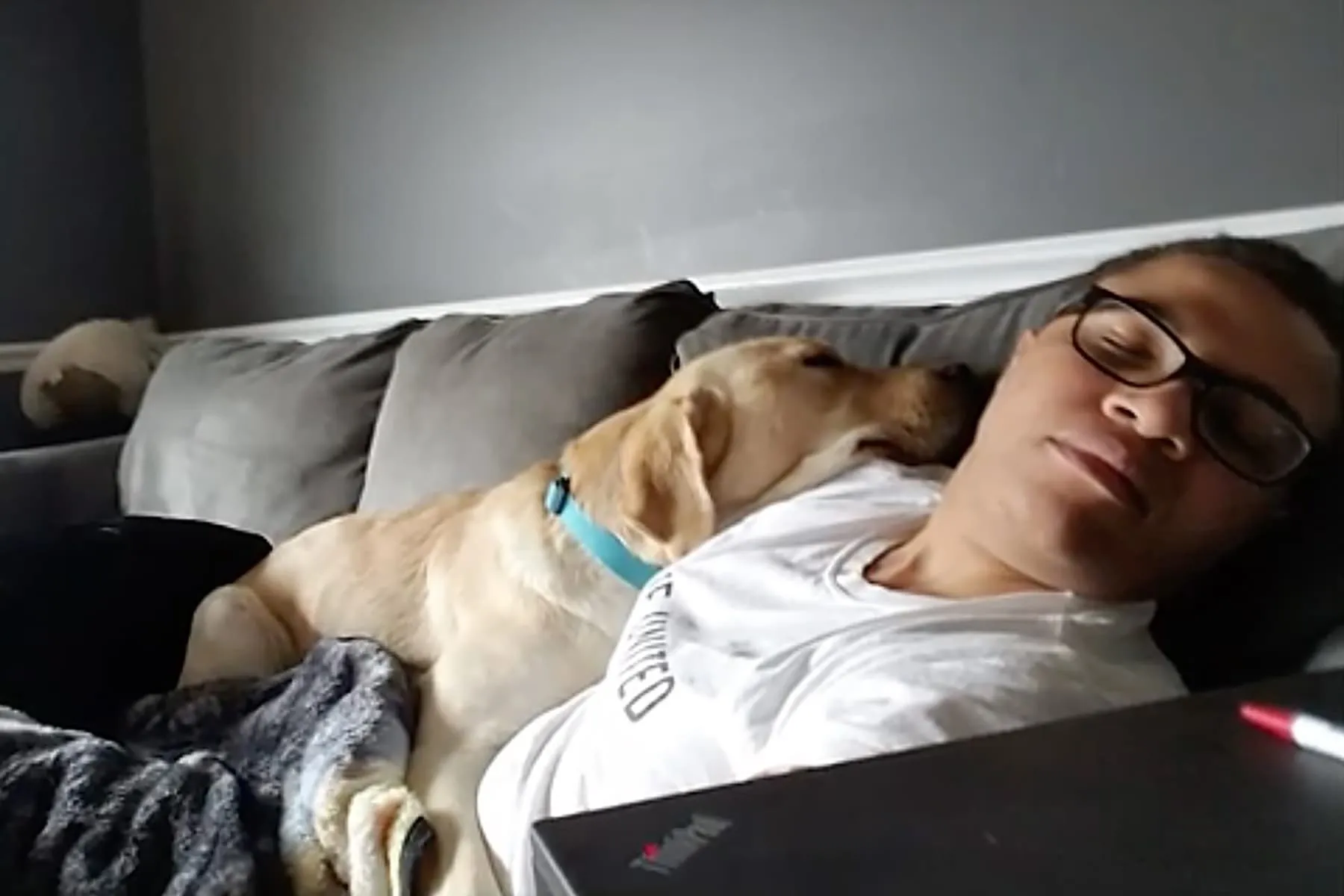
Narcolepsy is one of those sleep disorders that people think they understand because they have seen a dramatic movie scene where someone suddenly falls asleep into a bowl of soup. Helpful? Not exactly. Memorable? Unfortunately, yes. In real life, narcolepsy is far more complicated, more frustrating, and much less comedic than the stereotype. It is a chronic neurological sleep disorder that affects the brain’s ability to regulate sleep and wakefulness. In plain American English: the brain’s “stay awake” switch and “go to sleep” switch do not always cooperate.
The title “Narcolepsy Video: A Sleep Disorder With Naps and Night Terrors” points to something important: narcolepsy is not just about daytime naps. It can also involve vivid dream-like experiences, frightening hallucinations, sleep paralysis, fragmented nighttime sleep, and episodes that feel like the body has misplaced the instruction manual. A good narcolepsy video can help viewers understand what symptoms look like, why they happen, and why telling someone to “just get more sleep” is about as useful as handing an umbrella to a fish.
This article explains narcolepsy symptoms, causes, diagnosis, treatment options, and real-life experiences in a friendly but medically grounded way. It is written for readers who want clarity, not a lecture that sounds like it escaped from a hospital filing cabinet.
What Is Narcolepsy?
Narcolepsy is a long-term disorder of sleep-wake control. People with narcolepsy often experience excessive daytime sleepiness, meaning they may feel overwhelmingly sleepy even after what looks like enough nighttime sleep. This sleepiness can appear during class, meetings, conversations, meals, or quiet activities. In some cases, it may come on so strongly that the person falls asleep suddenly.
Unlike ordinary tiredness, narcolepsy is not solved by one heroic weekend of sleeping until noon. The issue is neurological. The brain has trouble keeping sleep and wakefulness in their proper lanes. In many cases of narcolepsy type 1, the body has low levels of hypocretin, also called orexin, a brain chemical that helps regulate wakefulness and rapid eye movement sleep, better known as REM sleep.
REM sleep is the dream-heavy stage of sleep. Normally, it arrives after a person has passed through earlier sleep stages. In narcolepsy, REM-related features can appear unusually quickly or at the wrong time. That is why symptoms may include vivid hallucinations while falling asleep or waking up, sleep paralysis, and dream-like experiences that feel intensely real.
Why Narcolepsy Is More Than “Random Napping”
The phrase “sleep attack” is often used to describe narcolepsy, but it can be misleading. Some people do fall asleep suddenly, but others experience waves of irresistible sleepiness that build like a storm cloud over the brain. They may fight it, blink rapidly, lose focus, reread the same sentence five times, or continue doing simple activities without fully remembering them later.
This is where a narcolepsy video can be powerful. Text can explain symptoms, but video can show the human side: the student trying to stay awake during a lecture, the worker planning a short nap to survive the afternoon, or the person describing sleep paralysis with the seriousness of someone who has met a monster in their bedroom and would prefer not to schedule a reunion.
Main Symptoms of Narcolepsy
1. Excessive Daytime Sleepiness
Excessive daytime sleepiness is the central symptom of narcolepsy. It can affect attention, memory, mood, work performance, school performance, and safety. A person may feel alert for a while and then suddenly become overwhelmingly sleepy. Short naps may be refreshing, but the sleepiness often returns later.
This symptom can be deeply misunderstood. From the outside, someone may look lazy, bored, rude, or uninterested. On the inside, they may be fighting a biological pull toward sleep that is stronger than willpower. It is not a character flaw. It is a medical symptom.
2. Cataplexy
Cataplexy is sudden muscle weakness triggered by strong emotions such as laughter, surprise, excitement, anger, or embarrassment. It is most often associated with narcolepsy type 1. Cataplexy can be subtle, such as drooping eyelids, a slack jaw, a weak grip, or slurred speech. It can also be dramatic, causing the knees to buckle or the body to collapse.
One key detail: during cataplexy, the person is usually awake and aware. That makes it very different from fainting or a seizure. Imagine laughing at a joke and having your muscles respond by saying, “Great joke, we quit.” That is cataplexy in its most inconvenient form.
3. Sleep Paralysis
Sleep paralysis is a temporary inability to move or speak while falling asleep or waking up. It can last seconds to minutes, though it may feel longer. The mind is partly awake, but the body remains in a REM-like state of muscle paralysis. This can be terrifying, especially when paired with hallucinations or a sense that someone or something is in the room.
Sleep paralysis can happen to people without narcolepsy, but when it occurs with excessive daytime sleepiness and other symptoms, it becomes an important clue for medical evaluation.
4. Vivid Hallucinations and Night Terrors
People with narcolepsy may experience vivid hallucinations as they fall asleep or wake up. These are called hypnagogic hallucinations when they occur at sleep onset and hypnopompic hallucinations when they occur upon waking. They may be visual, auditory, or tactile. A person may see shapes, hear voices, feel a presence, or experience a dream-like scene that seems completely real.
Although “night terrors” is not the most precise medical label for every narcolepsy-related nighttime experience, the phrase captures the fear many people feel. Vivid dreams, sleep paralysis, and hallucinations can turn bedtime into a suspense movie nobody bought tickets for.
5. Fragmented Nighttime Sleep
Here is the plot twist: people with narcolepsy are very sleepy during the day, but they may not sleep smoothly at night. Many experience frequent awakenings, restless sleep, vivid dreams, or difficulty staying asleep. This can confuse friends and family. “How can you be sleepy all day and still wake up all night?” Because narcolepsy is not simply too much sleep. It is unstable sleep-wake regulation.
6. Automatic Behaviors
Some people continue simple activities while partly asleep, such as writing, typing, eating, or walking a familiar route. Later, they may have little memory of what happened. The results can be mildly funny, like a sentence that turns into alphabet soup, or risky, depending on the activity. This is one reason diagnosis and management matter.
Narcolepsy Type 1 vs. Narcolepsy Type 2
Narcolepsy is commonly divided into two major types.
Narcolepsy Type 1
Narcolepsy type 1 involves excessive daytime sleepiness plus cataplexy or low hypocretin levels. This type is strongly linked to a loss of hypocretin-producing cells in the brain. Researchers believe an autoimmune process may play a role in many cases, meaning the immune system may mistakenly target cells involved in wakefulness.
Narcolepsy Type 2
Narcolepsy type 2 also causes excessive daytime sleepiness, but without cataplexy. Hypocretin levels are often normal or not clearly low. Diagnosis can be more challenging because symptoms may overlap with other sleep disorders, insufficient sleep, depression, medication effects, or idiopathic hypersomnia.
What Causes Narcolepsy?
The exact cause of narcolepsy can vary. In narcolepsy type 1, low hypocretin is a major finding. Genetics may influence risk, but narcolepsy is not usually inherited in a simple one-gene way. Environmental triggers, infections, immune system changes, hormone shifts, or brain injury may contribute in some cases.
Secondary narcolepsy is rare but can occur after injury or disease affecting brain areas that regulate sleep and wakefulness. For most people, however, narcolepsy develops without one obvious trigger. That can be frustrating. Humans love a neat cause-and-effect story. Narcolepsy often replies, “Best I can do is complicated biology.”
How Narcolepsy Is Diagnosed
Narcolepsy should be diagnosed by a qualified healthcare professional, often a sleep medicine specialist or neurologist. Diagnosis usually starts with a detailed sleep history. The clinician may ask about daytime sleepiness, cataplexy, sleep paralysis, hallucinations, nighttime sleep, medications, work schedule, school schedule, and family history.
Testing often includes an overnight sleep study called polysomnography. This checks for other sleep problems, such as obstructive sleep apnea, and records brain waves, breathing, movements, heart rhythm, and sleep stages. The next day, a multiple sleep latency test may be performed. This test measures how quickly a person falls asleep during scheduled naps and whether REM sleep appears unusually quickly.
A sleep diary or actigraphy device may also be used before testing to confirm sleep patterns. This matters because chronic sleep deprivation can mimic some narcolepsy symptoms. In other words, a sleep specialist wants to know whether the brain has narcolepsy or whether the patient has been surviving on caffeine, deadlines, and questionable life choices.
Treatment Options for Narcolepsy
There is currently no cure for narcolepsy, but symptoms can often be managed with a combination of medication, scheduled naps, safety planning, and lifestyle adjustments. Treatment should be individualized because symptoms vary widely from person to person.
Wake-Promoting Medications
Doctors may prescribe wake-promoting medications to reduce excessive daytime sleepiness. Examples include modafinil, armodafinil, solriamfetol, and pitolisant. These medications do not “cure” narcolepsy, but they may help improve alertness and daily functioning. Each medication has possible side effects and interactions, so medical supervision is essential.
Medications for Cataplexy and REM-Related Symptoms
Cataplexy, sleep paralysis, and hallucinations may be treated with specific medications depending on the patient’s needs. Oxybate medications may help with cataplexy and daytime sleepiness for some people. Certain antidepressants may also be used to reduce cataplexy and REM-related symptoms. Treatment choices depend on age, other medical conditions, pregnancy considerations, mental health, side effects, and access.
Scheduled Naps
Short planned naps can be surprisingly effective. Many people with narcolepsy find that a 15- to 20-minute nap improves alertness for a period of time. The goal is not to nap randomly all day like a cat with a calendar problem. The goal is strategic rest: a planned reset before sleepiness becomes overwhelming.
Sleep Routine and Lifestyle Habits
A regular sleep schedule can help stabilize symptoms. Helpful habits may include going to bed and waking up at consistent times, avoiding heavy meals before important activities, limiting alcohol, being careful with caffeine late in the day, exercising regularly, and creating a calm bedtime routine.
These habits are not magic. They will not replace medical treatment for many people. But they can support better symptom control and make daily life more predictable.
Safety: Driving, Work, School, and Daily Life
Narcolepsy can affect safety, especially when driving, operating machinery, cooking, swimming, or doing anything where sudden sleepiness or cataplexy could cause harm. People with narcolepsy should talk with their healthcare provider about driving safety and local requirements. Some people drive safely when symptoms are well controlled; others need restrictions or extra planning.
At school or work, accommodations may help. These can include scheduled nap breaks, flexible timing, permission to stand or move during long meetings, recorded lectures, adjusted deadlines, or workspace changes. Narcolepsy may qualify as a disability when symptoms substantially limit major life activities, but accommodations depend on the situation and documentation.
Why Narcolepsy Is Often Misunderstood
Narcolepsy can be invisible until symptoms become obvious. A person may look fine one minute and exhausted the next. Because sleepiness is common in modern life, people may dismiss the problem. “Everyone is tired” is true in the same way “everyone gets headaches” is true. That does not mean migraine is just a dramatic headache. Likewise, narcolepsy is not ordinary tiredness wearing sunglasses.
Misunderstanding can delay diagnosis. Children may be labeled lazy, moody, inattentive, or hyperactive. Adults may be told they are burned out, depressed, unmotivated, or simply not sleeping enough. Sometimes those issues can coexist with narcolepsy, which makes evaluation even more important.
How a Narcolepsy Video Can Help Viewers
A well-made narcolepsy video can do three useful things. First, it can show the symptoms in everyday settings rather than medical textbook language. Second, it can reduce shame by helping people recognize that symptoms are real and treatable. Third, it can encourage viewers to seek medical evaluation instead of blaming themselves.
For example, a video might show a person explaining how a short nap before a meeting helps them function. It might show how cataplexy can be triggered by laughter. It might recreate the frightening feeling of sleep paralysis without turning it into a horror gimmick. The best educational videos balance empathy and accuracy. They do not exaggerate symptoms for clicks, and they do not minimize the condition with jokes that punch down.
When to Talk to a Doctor
Consider talking to a healthcare professional if daytime sleepiness is persistent, hard to control, or interfering with school, work, driving, relationships, or daily responsibilities. Medical evaluation is especially important if sleepiness comes with sudden muscle weakness, sleep paralysis, vivid hallucinations while falling asleep or waking, or repeated episodes of falling asleep unintentionally.
It is also important to rule out other causes. Sleep apnea, insufficient sleep, shift work disorder, depression, medication side effects, substance use, thyroid problems, and other medical conditions can contribute to daytime sleepiness. A correct diagnosis is the foundation of correct treatment.
Experience-Based Insights: Living With Narcolepsy in Real Life
Living with narcolepsy often means becoming an expert in planning. People learn which parts of the day are most dangerous for sleepiness, which meetings need a pre-nap, which meals make them foggy, and which friends understand that a 20-minute nap is not antisocial behavior. In real life, narcolepsy management is less about one big solution and more about dozens of small adjustments that keep the day from falling apart.
One common experience is the emotional weight of being misunderstood. A person with narcolepsy may hear comments like “You sleep so much” or “I wish I could nap whenever I wanted.” Those comments may sound harmless, but they can sting. Narcolepsy naps are not luxury spa naps with cucumber water and peaceful flute music. They are often survival tools. The person is not choosing sleep over life; they are trying to stay functional enough to participate in life.
Another experience involves fear around nighttime symptoms. Sleep paralysis and vivid hallucinations can be deeply unsettling. Someone may wake unable to move, feel pressure on the chest, or sense a presence in the room. Even when they understand the science, the experience can still feel frightening in the moment. Practical coping strategies may include focusing on slow breathing, reminding oneself that the episode is temporary, improving sleep routines, and discussing frequent episodes with a clinician.
People also describe the strange social challenge of cataplexy. Laughter is supposed to be joyful, but for some people with narcolepsy type 1, laughter can trigger weakness. That creates a bizarre dilemma: enjoy the joke and risk wobbling like a folding chair, or suppress the reaction and look like the least fun person at the party. Supportive friends and family can make a huge difference by staying calm, not panicking, and not turning symptoms into entertainment.
School and work experiences vary. Some people do well with accommodations, medication, planned naps, and honest communication. Others struggle for years before diagnosis. A student may be bright but unable to stay awake through lectures. An employee may perform well in short bursts but fade during long afternoon meetings. When teachers, managers, and colleagues understand narcolepsy, the conversation can shift from blame to problem-solving.
Daily routines often become carefully engineered. A person may schedule demanding tasks during their most alert hours, avoid driving when sleepy, keep naps short and intentional, use alarms, prepare meals safely, and build in recovery time after poor nights. These habits may sound small, but they can protect independence.
The biggest lesson from real-life narcolepsy experiences is that people are not defined by the disorder. Narcolepsy can be disruptive, inconvenient, and sometimes frightening, but with diagnosis, treatment, support, and practical planning, many people build full, active lives. They work, study, raise families, travel, create art, tell terrible jokes, and occasionally nap with professional-level efficiency.
Conclusion
Narcolepsy is a serious neurological sleep disorder that affects the brain’s ability to regulate wakefulness and REM sleep. It can cause excessive daytime sleepiness, sudden sleep episodes, cataplexy, sleep paralysis, vivid hallucinations, fragmented nighttime sleep, and automatic behaviors. The “naps and night terrors” phrase captures the contrast well: narcolepsy can make daytime feel like a battle against sleep and nighttime feel unpredictable.
The good news is that narcolepsy can be managed. Diagnosis from a sleep specialist, appropriate testing, medication when needed, scheduled naps, consistent routines, and safety planning can all improve quality of life. A thoughtful narcolepsy video can help people see beyond stereotypes and understand the real experience: not laziness, not drama, not a quirky habit, but a medical condition deserving care, respect, and practical support.
Note: This article is for educational purposes only and does not replace medical advice. Anyone with persistent daytime sleepiness, sleep paralysis, cataplexy, or frightening sleep-related experiences should consult a qualified healthcare professional or sleep medicine specialist.