

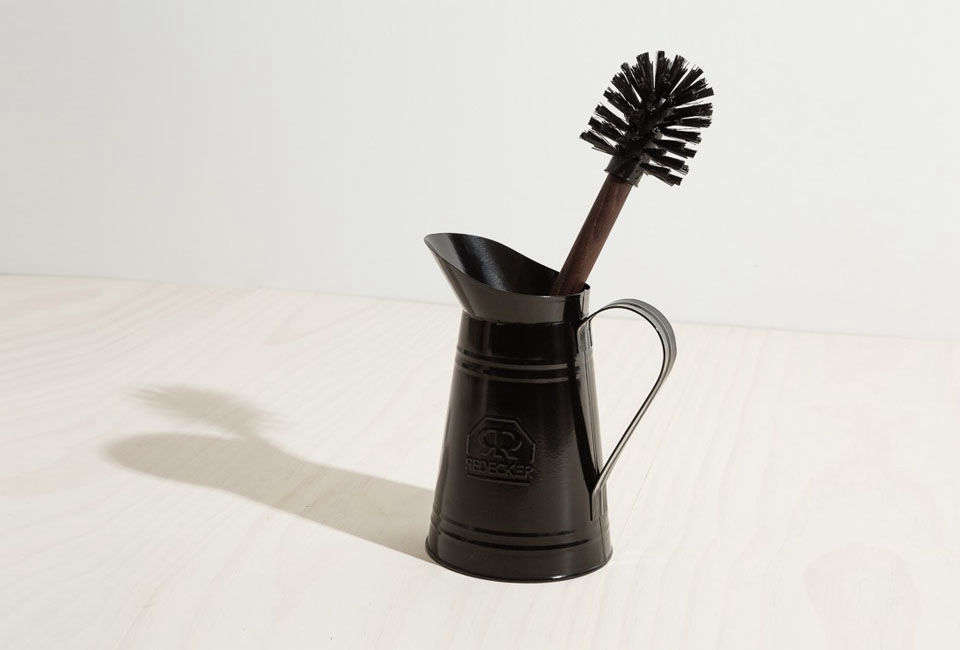
Note: “Old-world” does not mean turning your home into a museum, banning electricity, or churning butter before breakfast. It means choosing durable, useful objects with simple designs that have survived generations for a reason.
There is something deeply satisfying about a household item that does one job beautifully, asks very little in return, and does not require an app, firmware update, or a customer-service chatbot named Trevor. Old-world household essentials fit that description perfectly. They are practical tools built around durable materials, repeatable routines, and the radical idea that a useful object should keep working long after the packaging has been recycled.
Modern homes are full of clever products, but clever is not always the same as helpful. A drawer stuffed with single-use gadgets can make cooking, cleaning, and organizing feel more complicated than necessary. A few well-chosen traditional household essentials can simplify daily life while bringing texture, warmth, and a little old-fashioned competence into the mix.
From a cast-iron skillet that can handle breakfast, dinner, and an accidental drop on the floor, to linen towels that somehow look better after being used for years, these are the household staples worth making room for. The goal is not to recreate a 19th-century kitchen. The goal is to own things that work hard, age gracefully, and do not give up at the first sign of tomato sauce.
What Makes an Item an Old-World Household Essential?
The best old-world household essentials usually share a few traits: they are made from straightforward materials, easy to understand, repairable or maintainable, and useful in more than one situation. They tend to rely on human skill rather than complicated mechanisms. That does not make them primitive. It makes them refreshingly dependable.
A good traditional household item also earns its storage space. It should be strong enough for frequent use, attractive enough to leave out, and versatile enough that you do not need three backup products beside it. Think of these tools as the household equivalent of a dependable friend: not flashy, perhaps a little heavy, but always there when dinner needs saving.
10 Best Old-World Household Essentials for a More Useful Home
1. A Cast-Iron Skillet
A cast-iron skillet is the unofficial mayor of the old-world kitchen. It can sear chicken, crisp potatoes, bake cornbread, fry eggs, warm tortillas, and make you feel oddly heroic while cooking onions. Unlike many trendy pans, cast iron does not need to be replaced every few years because its coating got moody.
Choose a 10- or 12-inch skillet with a comfortable handle and a smooth cooking surface. A pre-seasoned pan is especially friendly for beginners. The secret is simple: use it, clean it gently, dry it thoroughly, and apply a very light layer of oil before storing. Cast iron rewards routine, not panic.
It is not the best choice for every task. Long-simmered acidic sauces can be easier in enameled cookware, especially when your skillet’s seasoning is still developing. Still, for daily cooking, this is one of the most useful traditional kitchen tools you can own.
2. An Enameled Dutch Oven
If the cast-iron skillet is the mayor, the Dutch oven is the quiet, capable town librarian who also knows how to make extraordinary stew. A heavy enameled Dutch oven can braise meat, simmer soup, bake bread, cook beans, make chili, and handle an ambitious Sunday dinner without acting overwhelmed.
Its greatest strength is versatility. One pot can move from stovetop to oven and then land directly on the dining table looking respectable enough for company. Enameled cast iron also works well for foods with tomatoes, wine, citrus, and other acidic ingredients.
Look for a medium-size Dutch oven if you cook for one to four people, or a larger model if your household regularly hosts family dinners, game nights, or friends who mysteriously appear whenever soup is involved. Treat the enamel kindly: avoid dramatic temperature changes, metal utensils, and using it as a percussion instrument.
3. A Solid Wooden Cutting Board
A sturdy wooden cutting board is more than a place to chop vegetables. It is a daily work surface, serving board, bread station, and occasional emergency trivet. A thick hardwood board feels better under a knife than thin plastic and brings warmth to a kitchen full of stainless steel and screens.
Choose a board large enough to prep an actual meal, not one that forces you to play vegetable Tetris. Maple, walnut, and cherry are popular choices because they are dense, durable, and handsome. Keep one board for produce and ready-to-eat foods, and reserve another washable board for raw meat if you prepare it often.
Wash a wooden board promptly with warm, soapy water, dry it upright, and condition it periodically with a food-safe mineral oil. Do not soak it in the sink overnight unless you are hoping to discover modern sculpture by morning.
4. A Mortar and Pestle
A mortar and pestle turns ordinary ingredients into something more aromatic, textured, and personal. Garlic becomes a paste instead of little angry cubes. Whole spices become fragrant. Fresh herbs become pesto. Salt, citrus zest, and pepper become a seasoning blend that tastes far more impressive than the effort required.
A heavy granite mortar and pestle is a good all-purpose choice for crushing spices, making curry pastes, and muddling herbs. A wooden version can be better for delicate ingredients, while ceramic works nicely for smaller tasks. The important thing is weight and stability. You want a tool that stays put instead of skating across the counter like it heard a fire alarm.
This essential brings back an important kitchen habit: slowing down long enough to notice ingredients. The aroma released by freshly crushed cumin, coriander, garlic, and herbs can turn a normal weeknight meal into something worth lingering over.
5. Glass Mason Jars and Pantry Canisters
Glass jars are humble little overachievers. They can store dry beans, rice, flour, oats, spices, tea bags, leftovers, homemade salad dressing, nuts, and the collection of mystery screws everyone eventually inherits. They are see-through, reusable, easy to label, and strangely motivating when arranged on an open shelf.
For pantry storage, choose jars with reliable lids and use them for dry goods you rotate regularly. For home canning, use proper mason-style canning jars and follow current tested preservation methods rather than trusting a dusty recipe card that begins with “Grandma always did it this way.” Food preservation deserves respect, not improvisation.
The real beauty of pantry jars is visual calm. When ingredients are easy to see, you buy fewer duplicates, waste less food, and stop discovering three half-empty bags of lentils behind a box of cereal.
6. A Stoneware Fermentation Crock
A fermentation crock may seem like a niche purchase until you realize how easily it can turn cabbage, cucumbers, carrots, and radishes into flavorful projects. Fermentation is one of the oldest food-preservation traditions, and a crock gives the process a practical home instead of making your kitchen counter look like a science experiment conducted by a particularly hungry wizard.
Traditional open crocks and water-sealed crocks are both useful. A water-sealed version helps create a controlled environment for fermenting vegetables, while an open crock offers a more classic approach. Either way, cleanliness, proper salt ratios, safe recipes, and the right temperature matter more than aesthetics.
Start small with sauerkraut or refrigerator pickles. A crock should encourage curiosity, not force you to produce enough fermented cabbage to supply a medieval village.
7. Linen Kitchen Towels
Linen kitchen towels are one of those deceptively simple upgrades that make a home feel more settled. They dry dishes, cover rising dough, line bread baskets, wrap warm baked goods, wipe counters, and look charming hanging from an oven handle. Unlike flimsy paper towels, they improve with use instead of immediately becoming trash with opinions.
Choose tightly woven linen or linen-cotton blends in neutral colors, stripes, or simple patterns. Keep a small rotation so one towel can be drying while another is in the wash. Use separate cloths for hands, dishes, and messy countertop jobs. This is not fussy; it is just a good way to avoid drying a wine glass with the same towel that recently met raw chicken juice.
Linen does wrinkle, but that is part of its personality. A perfectly smooth linen towel is possible, but it may also suggest that no one in the house has ever cooked.
8. A Wool Blanket
A quality wool blanket is an old-world household essential that earns its keep in every season. Layer it over a bed in winter, drape it over a sofa for movie nights, keep it in a guest room, or bring it outside for cool evenings. Wool has been trusted for generations because it is durable, warm, and capable of making a room look instantly more inviting.
Look for a dense weave, finished edges, and a size that works for your space. A throw is perfect for a chair or couch, while a larger blanket can replace or supplement a lightweight comforter. Vintage wool blankets can be beautiful, but inspect them for moth damage, stains, and odors before bringing them home.
Care is straightforward: air it out occasionally, spot-clean when possible, and follow the manufacturer’s care label. Wool does not demand constant washing, which is good news for anyone whose laundry pile has developed its own weather system.
9. Beeswax Candles
Beeswax candles bring a softer kind of light into a home. They are especially useful at dinner, during a power outage, or when you want the room to feel cozy without turning every lamp into an interrogation spotlight. Taper candles, pillar candles, and small votives all create warmth in a way that electric lighting sometimes cannot manage.
Choose sturdy candleholders that will not tip, trim wicks when needed, and keep candles away from curtains, papers, pets, and anything else that might become unexpectedly enthusiastic about fire. Candles are lovely. House fires are not. Never leave a burning candle unattended.
Even when unlit, a few beeswax candles can make a table, shelf, or mantel feel less staged and more lived in. Their value is not just decorative; they remind a busy household to slow down, dim the lights, and let dinner be dinner.
10. A Natural-Fiber Broom, Dustpan, and Reusable Cleaning Rags
There is no need to choose between a modern vacuum and an old-fashioned broom. They are teammates, not enemies. A natural-fiber broom handles quick kitchen crumbs, muddy entryways, porch dust, and the mysterious debris that appears around houseplants. It is quiet, simple, and always ready without needing to be charged.
Pair it with a metal dustpan and a basket of reusable cotton or linen rags. Old towels, worn T-shirts, and fabric napkins can become excellent cleaning cloths. Keep them folded in a small bin so you are not grabbing paper towels for every spill, fingerprint, or minor disaster involving coffee.
The old-world cleaning approach is not about making chores romantic. It is about making them less wasteful and less complicated. A broom, a rag, warm water, and a sensible cleaner can handle an astonishing number of household problems.
How to Start Building an Old-World Home Without Buying Everything at Once
The fastest way to ruin the charm of traditional household essentials is to buy fifteen of them in a weekend and create a new storage problem. Start with the items that solve everyday frustrations. Cook often? Begin with a cast-iron skillet and a Dutch oven. Hate pantry clutter? Add a few glass jars. Want a cozier living room? Choose a wool throw and a pair of candleholders.
Buy quality where it matters, but do not assume every item has to be expensive. Estate sales, thrift stores, antique markets, restaurant-supply shops, and local makers can be excellent places to find practical pieces. A scratched wooden board can often be sanded and oiled. A vintage crock may only need careful cleaning. A wool blanket with good bones can outlast several trendy throw pillows.
Most importantly, use what you buy. The point is not to create a shelf of photogenic objects. A truly useful home looks a little worn in because life has been happening there.
Living With Old-World Household Essentials: What the Experience Really Feels Like
Living with old-world household essentials changes the rhythm of a home in small, almost sneaky ways. At first, you may simply notice that you reach for the same tools again and again. The cast-iron skillet becomes the pan you use for breakfast potatoes, grilled sandwiches, and late-night quesadillas. The wooden cutting board becomes the surface where you chop vegetables, slice bread, and set out cheese when friends arrive unexpectedly.
Then the habits start changing. Instead of opening a drawer and choosing from ten gadgets, you learn what a few good tools can do. You begin to notice that a Dutch oven handles more meals than a cabinet full of specialty cookware. You stop treating a kitchen towel as disposable. You keep dried beans, oats, and rice in jars where you can see them, so dinner becomes easier to plan. The house feels less like a place where products are stored and more like a place where useful things belong.
There is also a sensory difference. A wool blanket feels different from synthetic fleece. A wooden spoon has a warmer grip than a plastic utensil. Fresh herbs crushed in a mortar smell brighter than herbs that were chopped hastily with a dull knife. Linen towels feel textured and substantial. Even sweeping with a broom has a strange little satisfaction because you can see the progress immediately. It is difficult to feel emotionally attached to a disposable cleaning wipe, but a handwoven broom somehow earns your respect.
These objects also become part of household memory. The skillet gets darker with use. The cutting board gains a few harmless marks. The crock comes out every harvest season or whenever you decide that this is finally the month you will become a person who ferments vegetables. The jar collection slowly expands because no one can resist saving a particularly good one. The home starts collecting evidence of routines rather than clutter from impulse purchases.
Old-world essentials can also make ordinary tasks feel less rushed. Brewing coffee, kneading dough, folding towels, seasoning a pan, or setting a table with candles creates small pauses in the day. None of these rituals need to become performative. You do not have to wear an apron embroidered with chickens or announce that supper will be served at dusk. But slowing down for a few minutes can make home life feel more intentional.
The best part is that these essentials are not fragile lifestyle props. They are meant to be used, cleaned, repaired, and used again. They can coexist with a dishwasher, a robot vacuum, an induction stove, and a phone full of takeout apps. The old-world approach is not about rejecting modern convenience. It is about keeping a few dependable tools nearby for the moments when convenience is not enough.
Eventually, the experience becomes less about aesthetics and more about confidence. You know how to make soup without a recipe, clean a wooden board correctly, store pantry staples, light a dinner table safely, and solve small household problems without buying another plastic gadget. That is the quiet appeal of these essentials: they make a home feel not merely decorated, but capable.
Conclusion
The best old-world household essentials are not relics. They are practical reminders that good design can be simple, durable, and deeply satisfying to use. A cast-iron skillet, Dutch oven, wooden cutting board, mortar and pestle, pantry jars, fermentation crock, linen towels, wool blanket, beeswax candles, and a reliable broom can make everyday routines easier and more enjoyable.
Start with one or two pieces that fit your life now. Use them often, care for them well, and let them earn their place. The goal is not to live in the past. It is to build a home that works beautifully in the present.