

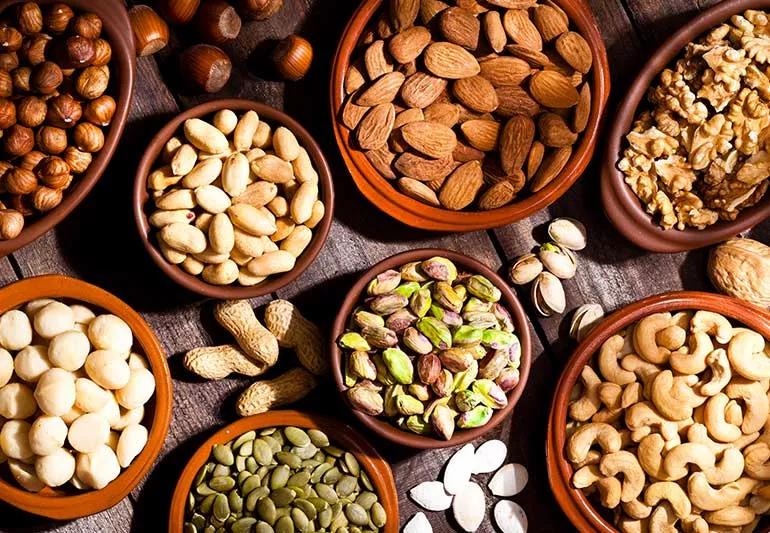
Nuts are tiny, crunchy proof that good things really do come in small packages. They do not look dramatic. They do not sparkle. They rarely appear in motivational posters. Yet a small handful of almonds, walnuts, pistachios, cashews, pecans, hazelnuts, Brazil nuts, or peanuts can bring serious nutrition to your day without asking you to cook, peel, marinate, or argue with a blender.
If your current snack routine involves chips, candy, or whatever mysterious cookie crumbs live at the bottom of your desk drawer, nuts may be the upgrade your body has been quietly requesting. They are rich in healthy unsaturated fats, plant-based protein, fiber, vitamins, minerals, and protective plant compounds. In plain English: nuts are not just “bird food for people who own yoga mats.” They are one of the most practical foods you can add to a balanced diet.
The main keyword here is simple: nuts in your diet. But the real story is bigger. Nuts support heart health, help with fullness, add texture to meals, and make healthy eating feel less like homework. The best part? You do not need a complicated plan. A sensible portion, usually about one ounce, can fit into breakfast, lunch, dinner, or snack time without turning your kitchen into a nutrition laboratory.
What Makes Nuts So Nutritious?
Nuts are nutrient-dense, which means they provide a lot of nutrition in a small serving. That is both their superpower and the reason you should not eat them by the cereal bowl. A small handful can deliver healthy fats, protein, fiber, magnesium, vitamin E, potassium, copper, zinc, and antioxidant compounds. Different nuts have different strengths, so variety is your friend.
Almonds are known for vitamin E and fiber. Walnuts stand out because they contain alpha-linolenic acid, a plant-based omega-3 fat. Pistachios offer protein, fiber, potassium, and a satisfying shell-opening ritual that naturally slows down speed-snacking. Cashews provide magnesium and copper. Brazil nuts are famous for selenium, though they should be eaten in small amounts because they are extremely concentrated. Pecans and hazelnuts bring rich flavor along with beneficial fats and antioxidants.
Peanuts deserve a quick mention too. Technically, peanuts are legumes, not tree nuts. Nutritionally, however, they behave like honorary members of the nut club. Peanut butter can also count, as long as you choose versions without loads of added sugar, hydrogenated oils, or enough salt to preserve a small boat.
Nuts Support Heart Health
One of the biggest reasons to include nuts in your diet is their connection with heart health. Nuts are naturally low in cholesterol and rich in unsaturated fats, the type of fat generally considered heart-friendly when it replaces saturated fat. They also contain fiber, plant sterols, magnesium, and L-arginine, a compound involved in blood vessel function.
Why does that matter? Your heart is not impressed by snack drama. It likes steady habits. Replacing highly processed snacks with a handful of unsalted nuts can improve the overall quality of your eating pattern. Instead of getting mostly refined starch, added sugar, and sodium, you get fats and nutrients that support healthier cholesterol levels and better vascular function.
Walnuts, almonds, pistachios, pecans, and macadamia nuts are often discussed in heart-health research, but the bigger lesson is not that one nut is magical. The better strategy is to eat a variety of nuts as part of a diet that also includes vegetables, fruits, whole grains, legumes, fish or other lean proteins, and healthy oils. In other words, nuts are powerful players, but they are not expected to win the nutrition championship alone.
Nuts May Help You Feel Full Longer
Many people avoid nuts because they are calorie-dense. That concern is understandable. A handful is helpful; a mountain is a different story. But calorie-dense does not automatically mean “bad.” Nuts contain protein, fiber, and fat, a combination that helps slow digestion and promotes satiety. Satiety is the fancy nutrition word for “I am not hungry enough to eat the office stapler.”
Because nuts are satisfying, they can help reduce the urge to graze on less nourishing snacks. A small serving of almonds with an apple, pistachios with Greek yogurt, or peanut butter on whole-grain toast can keep hunger more stable than a sugary snack that gives you five minutes of joy followed by a dramatic energy crash.
Research on nuts and body weight is more interesting than many people expect. Although nuts contain fat and calories, studies often find that nut consumption does not automatically lead to weight gain when portions are sensible and nuts replace less nutritious foods. One reason may be that nuts increase fullness. Another is that the body may not absorb every calorie from whole nuts because some fat remains trapped within their fibrous structure. Translation: your body is not a perfect vending machine calculator.
Nuts Are a Smart Plant-Based Protein Option
Nuts are part of the broader protein foods group in healthy eating guidance. They are especially useful for people trying to add more plant-based foods without giving up flavor or satisfaction. While nuts are not as protein-heavy as beans, lentils, tofu, fish, poultry, or eggs, they contribute meaningful protein along with healthy fats and minerals.
This makes nuts valuable in everyday meals. Sprinkle chopped walnuts on oatmeal. Add slivered almonds to a salad. Stir cashews into a vegetable stir-fry. Blend peanuts into a sauce for noodles or grilled chicken. Use pistachios as a crust for fish. These small additions can make meals more filling and more interesting. A sad salad becomes less sad when it has crunch. This is science-adjacent, but emotionally accurate.
Nuts Bring Fiber to the Table
Fiber is one of the most underappreciated nutrients in the American diet. It supports digestion, helps feed beneficial gut bacteria, and contributes to fullness. Nuts are not the highest-fiber foods on earth, but they help. Almonds, pistachios, hazelnuts, and pecans all offer fiber, especially when eaten in whole or minimally processed form.
Fiber also helps explain why nuts can be a better snack than refined crackers, candy, or pastries. When you combine fiber with fat and protein, digestion slows down. That means steadier energy and fewer snack emergencies. Nobody wants to be the person opening a vending machine bag at 3:07 p.m. with the intensity of a raccoon breaking into a campsite.
Nuts Provide Important Vitamins and Minerals
Nuts are small but mineral-rich. Magnesium, for example, is found in almonds, cashews, Brazil nuts, and other nuts. Magnesium supports muscle and nerve function, energy production, bone health, and normal heart rhythm. Vitamin E, especially abundant in almonds and hazelnuts, acts as an antioxidant and supports cell protection.
Walnuts provide polyunsaturated fats, including plant omega-3 ALA. Cashews contain copper, which plays a role in energy metabolism and connective tissue formation. Pistachios contain potassium and vitamin B6. Brazil nuts contain selenium, a mineral involved in thyroid function and antioxidant defense. However, Brazil nuts are so high in selenium that one or two nuts may be enough for a day. This is not the snack to eat by the fistful while watching a three-hour movie.
Nuts Can Improve the Quality of Your Snacks
One of the easiest ways to improve your diet is to upgrade your snacks. Snacks are where many good intentions go to disappear. Breakfast may be oatmeal, lunch may be a salad, dinner may be grilled salmon, and then suddenly at 9 p.m. a person is eating cookies over the sink like a raccoon with Wi-Fi.
Nuts help because they are portable, shelf-stable, and satisfying. Keep a small container of unsalted mixed nuts in your bag, desk drawer, or pantry. Pair them with fruit for natural sweetness, with yogurt for creaminess, or with whole-grain toast for a more filling mini-meal. The goal is not to snack constantly. The goal is to make better choices when you actually need one.
How Much Should You Eat?
A common serving size for nuts is about one ounce. That usually equals a small handful, though the exact number depends on the nut. It may be about 23 almonds, 14 walnut halves, 49 pistachios, 18 cashews, or 19 pecan halves. You do not need to count like a nervous accountant every time, but it helps to learn what a reasonable portion looks like.
If weight management is a goal, portioning matters. Nuts are healthy, but they are not calorie-free. Eating directly from a giant bag is dangerous because the bag has no moral boundaries. Pour a serving into a bowl, close the bag, and walk away like the responsible adult you are pretending to be.
Best Types of Nuts to Add to Your Diet
Almonds
Almonds are crunchy, versatile, and rich in vitamin E. They work well in oatmeal, yogurt, salads, trail mix, and homemade energy bites. Almond butter can also be a smart spread when it contains simple ingredients.
Walnuts
Walnuts have a bold flavor and are especially known for plant-based omega-3 fat. They pair well with oatmeal, roasted vegetables, whole-grain bread, apples, pears, and leafy salads.
Pistachios
Pistachios are fun because the shells slow you down. That little pause can help with portion control. They also bring color, flavor, protein, fiber, and minerals to snacks and meals.
Cashews
Cashews are creamy and mild. They are excellent in stir-fries, sauces, curries, and dairy-free recipes. Because they blend smoothly, they are often used to make plant-based creamy sauces.
Pecans
Pecans taste rich and buttery without needing much added fat. They are great in salads, roasted vegetables, oatmeal, and baked dishes. Choose plain pecans most often, not the sugar-glazed kind that basically arrives wearing a dessert costume.
Brazil Nuts
Brazil nuts are nutrient-dense and very high in selenium. Eat them in small amounts. A couple can be useful; a large bowl is unnecessary and may provide too much selenium over time.
Raw, Roasted, Salted, or Sweetened: What Is Best?
Raw and dry-roasted nuts are excellent choices. Lightly roasted nuts can be just as practical and may taste better to many people. The main thing to watch is what gets added. Salted nuts can contribute extra sodium, and honey-roasted or candy-coated nuts can add sugar quickly. They are still delicious, but they are more treat than everyday health food.
For daily use, choose unsalted or lightly salted nuts most often. If plain nuts taste boring, season them at home with cinnamon, smoked paprika, chili powder, garlic powder, rosemary, or a tiny pinch of sea salt. This keeps flavor high without turning your snack into a sodium festival.
Easy Ways to Eat More Nuts
Adding nuts to your diet does not require a lifestyle makeover. Try walnuts in oatmeal, almonds on yogurt, pistachios in salads, cashews in stir-fries, pecans on roasted sweet potatoes, or peanut butter with apple slices. You can also add chopped nuts to whole-grain pancakes, homemade granola, rice bowls, vegetable dishes, or lean protein recipes.
For breakfast, mix almonds or walnuts into oatmeal with berries. For lunch, add pistachios to a salad with grilled chicken or chickpeas. For dinner, use crushed nuts as a coating for fish or chicken. For snacks, pair nuts with fruit. For dessert, sprinkle chopped pecans over baked apples. Notice the theme: small amounts, big improvement.
Who Should Be Careful With Nuts?
Nuts are healthy for many people, but they are not right for everyone. People with tree nut or peanut allergies must avoid the nuts that trigger their allergy and follow medical guidance. Nut allergies can be serious and sometimes life-threatening.
People who need to limit calories should measure portions. People watching sodium should choose unsalted nuts. Those with digestive sensitivity may need to introduce nuts slowly. And anyone with a medical condition requiring a specialized diet should ask a qualified healthcare professional how nuts fit into their plan.
Common Mistakes People Make With Nuts
The first mistake is assuming “healthy” means unlimited. Olive oil is healthy too, but nobody recommends drinking it from a travel mug. Nuts are best in modest servings.
The second mistake is choosing dessert nuts and pretending they are the same as plain nuts. Chocolate-covered almonds, praline pecans, and sugar-coated cashews may contain nuts, but they also contain enough sugar to make your pancreas raise an eyebrow.
The third mistake is forgetting variety. Eating only one type of nut is fine, but mixing different nuts gives you a broader range of nutrients and flavors. It also keeps snack boredom from knocking on the pantry door.
Conclusion: A Small Habit With Big Benefits
So, why should you have nuts in your diet? Because they are convenient, nutrient-dense, satisfying, and genuinely useful in a healthy eating pattern. They support heart health, provide plant-based protein, offer fiber, deliver vitamins and minerals, and make meals more enjoyable. That is a strong resume for something that fits in your palm.
The key is moderation. Choose mostly plain, raw, or dry-roasted nuts. Keep portions sensible. Use nuts to replace less nutritious snacks rather than simply adding them on top of everything else. Think of nuts as a smart supporting character in your daily diet: not the whole movie, but definitely the scene-stealer.
Personal Experiences and Practical Lessons From Adding Nuts to the Diet
One of the most relatable things about nuts is how easy they are to underestimate. Many people start eating healthier with grand plans: complicated meal prep, color-coded containers, motivational water bottles, and a grocery list that looks like it was written by a wellness influencer trapped in a farmers market. Then real life arrives. Meetings run late. Kids need rides. Dinner becomes “whatever is fastest.” This is where nuts quietly become useful.
In everyday experience, nuts work because they reduce friction. You do not need to cook almonds. You do not need to explain pistachios to a recipe app. You do not need to defrost walnuts. A small container of mixed nuts can sit in a desk drawer and rescue you from the vending machine. That may sound simple, but simple habits are often the ones that survive.
For example, a person who usually gets hungry between breakfast and lunch might add a tablespoon of peanut butter to whole-grain toast or sprinkle chopped walnuts over oatmeal. The meal suddenly lasts longer. Not because it became huge, but because it became more balanced. The combination of fiber, fat, and protein slows things down. Hunger becomes less bossy.
Another practical experience is using nuts to make healthy meals taste less “dutiful.” A bowl of greens can feel like punishment if it is just lettuce and a lonely cucumber. Add toasted almonds, sliced strawberries, grilled chicken, and a simple vinaigrette, and suddenly lunch has texture, flavor, and personality. Roasted vegetables with chopped pecans feel richer. Yogurt with pistachios feels more complete. A stir-fry with cashews feels like takeout’s responsible cousin.
Nuts can also help people who are trying to reduce ultra-processed snacks. The transition is easier when the replacement food is actually enjoyable. A handful of salted chips may be crunchy, but so are roasted almonds. A candy bar may be sweet, but apple slices with peanut butter offer sweetness plus staying power. The point is not to remove pleasure from eating. The point is to choose foods that give pleasure and nutrition at the same time.
There is also a useful lesson in portion awareness. Many people learn quickly that eating nuts straight from the bag is risky. The serving begins as a handful and somehow becomes an archaeological dig. Pre-portioning helps. Put a small amount into a bowl or container, then put the bag away. This tiny action can be the difference between a smart snack and accidentally eating enough cashews to qualify as dinner.
People also discover that different nuts fit different moods and meals. Almonds are dependable and crisp. Walnuts are earthy and slightly bitter in a good way. Pistachios are playful. Cashews are creamy. Pecans feel cozy. Brazil nuts feel like something you eat thoughtfully, not absentmindedly. Creating a small rotation keeps the habit interesting.
The biggest experience-based takeaway is this: nuts are not a miracle food, but they are a remarkably helpful food. They do not cancel out poor sleep, lack of movement, or a diet built entirely on drive-thru fries. However, they make better eating easier, and that matters. Healthy diets are not built only from perfect choices. They are built from repeatable choices. A handful of nuts is repeatable.
If you want to begin, start small. Add nuts to one meal or snack each day for a week. Notice your hunger, energy, and satisfaction. Try different types. Keep the ones you like. Skip the ones you only pretend to like because someone on the internet called them “life-changing.” Your diet should support your health, but it should also fit your real life. Nuts do that beautifully: no drama, no complicated instructions, just crunch, flavor, and a lot of nutrition packed into a small bite.