

Note: This article is an original, research-based editorial draft written in standard American English for web publication.
Introduction: When the Floor Decides to Dress Lightly
Some rooms announce themselves with a chandelier. Others whisper through linen curtains, quietly excellent paint, and a floor covering that looks as if it has traveled through history without once needing to brag about it. That is the particular charm of the Luke Irwin Dhurrie Collection: it treats the floor not as the poor, trampled cousin of the wall, but as the room’s most relaxed storyteller.
Luke Irwin, the British rug designer known for handmade, historically inspired floor coverings, has long approached rugs with a rare mix of scholarship, playfulness, and practical good sense. His work often draws from textiles, architecture, ancient motifs, and craft traditions, yet the results rarely feel museum-bound. They are meant to be lived with, walked on, and occasionally threatened by a dropped espresso. In other words, they are serious rugs with a sense of humor.
The dhurrie collection sits beautifully inside that philosophy. Dhurries are traditionally flat-woven textiles associated with Indian craftsmanship. Unlike thick pile carpets, they are lighter, lower, and often more casual in spirit. They can brighten a summer room, define a seating area, soften wood floors, or bring pattern into a minimalist interior without making the room feel like it has put on a winter coat.
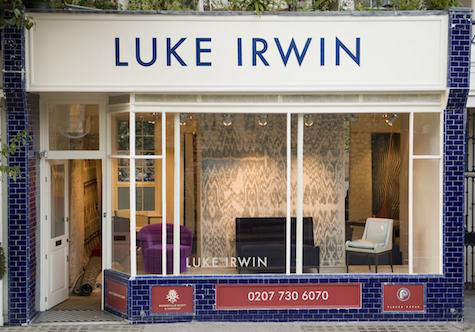
First shown in Luke Irwin’s Chelsea showroom and later connected to international design events, the collection included designs such as Pomme D’Amour Dhurrie, Geometric Dhurrie, Fire Flower Dhurrie, Ikat 2, and Ikat 4. These names alone sound like a tiny design dinner party: one guest romantic, one precise, one dramatic, and two wearing excellent woven jackets.
What Makes a Dhurrie Different?
A Flatweave With History Underfoot
A dhurrie is a flat-woven rug or thin carpet, commonly made from cotton, wool, jute, or blended natural fibers. Because it is woven without a deep pile, it tends to be lighter and more breathable than a heavy carpet. That difference matters. A dhurrie does not sink beneath furniture like a plush rug might; it sits close to the floor, creating visual order without adding bulk.
Traditional dhurries are valued for utility as much as beauty. Their patterns often include stripes, diamonds, checks, lattices, and geometric abstractions. In modern interiors, that heritage translates into a design advantage: dhurries can look crisp in a city apartment, casual in a beach house, and surprisingly elegant beneath a dining table. They do not ask the room to become formal. They simply make it look more considered.
Why Designers Love Lightweight Rugs
The appeal of a lightweight dhurrie is partly seasonal. In warmer months, many homeowners want rooms to feel cooler, airier, and easier to maintain. Swapping a dense wool carpet for a flatweave is like replacing a wool overcoat with a linen shirt. The room can breathe again. The furniture looks less weighed down. Even the coffee table seems relieved.
But dhurries are not only summer accessories. Their low profile makes them useful in high-traffic spaces, narrow rooms, layered rug schemes, children’s rooms, sunrooms, and dining areas where chair legs need to slide without staging a small rebellion. A good dhurrie can also be rolled, moved, and repositioned more easily than a large pile rug, which is excellent news for anyone who rearranges furniture after drinking one strong cup of coffee.
Luke Irwin’s Design Language: Craft, Culture, and Controlled Mischief
Luke Irwin established his rug company in 2003, specializing in handmade and custom-made rugs. His broader work is associated with hand-knotting, bespoke production, historical patterns, organic materials, and highly individualized color and scale. What distinguishes him is not simply luxury, though the rugs certainly live in that neighborhood. It is the way he treats design as a conversation between past and present.
Irwin’s later collections have famously drawn from ancient mosaics, ikat traditions, crop circles, architecture, old textiles, and unexpected historical fragments. His celebrated Mosaic Collection, for example, was inspired by a Roman mosaic discovered beneath his property in Wiltshire. That story sounds suspiciously like something invented by a publicist after a long lunch, except it actually happened. A designer of floors discovered an ancient decorated floor under his own land. The design gods were clearly showing off.
The dhurrie collection reflects the same instinct, but in a lighter key. Instead of monumental hand-knotted drama, the dhurries offer a breezier expression of pattern, color, and craft. They are not trying to dominate a room. They are trying to give it rhythm.
The Collection: Pattern That Knows How to Behave
Pomme D’Amour Dhurrie
The Pomme D’Amour Dhurrie suggests a design with warmth and appetite. The name translates loosely to “love apple,” an old-fashioned phrase for tomato, though in interiors it evokes something more romantic: a flash of red, a note of fruit, a little theatrical flourish. In a neutral room, a design like this can act like lipstick on a white shirt. It does not need much company.
Used beneath a small dining table, in an entry, or at the foot of a bed, a lively dhurrie can energize the space without making it visually loud. The trick is balance. Pair it with pale plaster walls, simple wood furniture, and quiet upholstery, and the floor becomes the room’s confident accent.
Geometric Dhurrie
The Geometric Dhurrie speaks to one of Irwin’s strongest design instincts: structure. Geometric rugs are useful because they organize space. In open-plan interiors, a patterned flatweave can create a room within a room. Place one under a sofa and chairs, and suddenly the seating arrangement looks intentional rather than like furniture that wandered in and got comfortable.
Geometric dhurries also suit modern interiors because they add pattern without fuss. Where floral rugs can feel decorative and antique rugs can feel formal, geometry feels architectural. It works with steel windows, plaster walls, midcentury chairs, rustic benches, and contemporary sofas. It is the Switzerland of pattern: diplomatic, efficient, and better dressed than expected.
Fire Flower Dhurrie
The Fire Flower Dhurrie sounds more expressive, and that is part of its appeal. A motif with floral energy and fiery movement can soften minimal furniture while still giving the floor a graphic presence. It is a good reminder that a flatweave does not have to be timid. Thin does not mean shy.
In design terms, a rug like this can bridge two moods: natural and dramatic. It may work especially well in rooms with warm woods, terracotta, aged brass, clay-colored textiles, or simple white walls. The pattern brings life, while the flatwoven construction keeps the effect grounded.
Ikat 2 and Ikat 4
Ikat-inspired designs are a natural fit for Luke Irwin. Ikat patterns have a blurred, feathered quality created through resist-dyeing techniques before weaving. In rug design, that softness can keep pattern from looking too rigid. Instead of sharp digital repetition, ikat has movement. It appears handmade because it is connected to hand processes, variation, and the slight irregularities that make textiles feel alive.
The Ikat 2 and Ikat 4 dhurries likely appeal to decorators who want pattern with looseness. They can complement linen upholstery, vintage wood, rattan, ceramic lamps, and relaxed rooms where perfection would be suspicious. A little blur in a pattern is good for the soul. It also hides crumbs, which is design wisdom of the highest order.
How the Dhurrie Collection Works With Walls, Windows, and Floors
Walls: Let the Rug Talk to the Paint
The title “Walls, Windows & Floors” is useful because it reminds us that a rug never works alone. A floor covering is part of a larger composition. With a Luke Irwin dhurrie, wall color becomes a key partner. Pale walls can make pattern feel crisp and gallery-like. Darker walls can make the same rug feel richer and more intimate. Limewash, plaster, and matte paint finishes are particularly friendly to flatweaves because they share a sense of texture without competing for attention.
If the dhurrie is bold, keep the walls restrained. If the rug is subtle, the walls can carry more personality. The goal is not matching. Matching is what happens when a room gets nervous. The goal is conversation.
Windows: Natural Light Changes Everything
Flatwoven rugs respond beautifully to natural light. Because they have little pile, their surface reads clearly in daylight, allowing pattern and color to shift gently from morning to evening. In a room with large windows, a dhurrie can look graphic at noon and softer by dusk. This makes it especially effective in sunrooms, breakfast rooms, studios, and informal living spaces.
Window treatments matter, too. Linen curtains, bamboo shades, or simple Roman blinds can reinforce the relaxed elegance of a dhurrie. Heavy drapes can work, but they should be chosen carefully so the room does not feel seasonally confused, like wearing snow boots to a picnic.
Floors: Wood, Stone, Concrete, and Layering
Dhurries are natural companions to wood floors. Their low profile lets the grain remain part of the visual story, while the textile adds warmth and definition. On stone or concrete, a dhurrie introduces softness without hiding the character of the surface. In older homes, it can make uneven floors feel charming rather than mildly alarming.
Layering is another smart use. A dhurrie can sit over a larger natural fiber rug, creating dimension and pattern while keeping the room casual. This approach works in living rooms and bedrooms, especially where a single rug might feel too flat or too small. Just use a proper rug pad when needed; beauty is important, but so is not skating across the room while carrying soup.
Styling Ideas for Modern American Homes
In the Living Room
Use a Luke Irwin dhurrie to define the seating area. Choose a size large enough for at least the front legs of the sofa and chairs to sit on the rug. A geometric or ikat-inspired dhurrie can bring order to an eclectic room, while a warmer floral or expressive design can give a neutral room a pulse.
In the Dining Room
Flatweaves are practical beneath dining tables because chairs move more easily over them than over thick pile. Choose a rug that extends well beyond the table so chair legs do not catch at the edge. Pattern is your friend here. It adds atmosphere and forgives evidence of real life, including the occasional breadcrumb confetti parade.
In the Bedroom
A dhurrie in the bedroom can feel clean, relaxed, and quietly tailored. Place a large one under the bed, or use smaller dhurries on either side. This is especially useful in warm climates or in rooms where a plush rug would feel too heavy. Pair with cotton bedding, linen throws, and wood or painted furniture for a collected look.
In an Entry or Hallway
Because dhurries are low-profile, they can work well in transitional spaces. A patterned runner can make a hallway feel designed instead of merely tolerated. Make sure the rug is properly secured, especially in busy households. A sliding rug in an entry is not a design feature; it is a slapstick routine waiting to happen.
Care, Longevity, and the Beauty of Use
The best rugs are not the ones preserved in fear. They are the ones that become part of daily life. A dhurrie’s practicality is one of its great strengths, but it still deserves thoughtful care. Regular vacuuming without aggressive beater bars helps remove dust and grit. Rotating the rug can reduce uneven wear and sun exposure. For spills, quick blotting is better than heroic scrubbing, which usually makes things worse and makes the rug wonder what it did to deserve such violence.
Natural fibers may shift, soften, or fade slightly over time. That is not necessarily a flaw. With handmade or hand-finished textiles, gentle variation is part of the appeal. A rug with a little history often looks better than one that appears terrified of human contact.
Why the Luke Irwin Dhurrie Collection Still Feels Relevant
Although the collection was introduced years ago, its design logic feels remarkably current. Today’s interiors favor warmth, texture, craft, and flexibility. People want rooms that feel layered but not cluttered, refined but not stiff, personal but not chaotic. Dhurries answer that need beautifully.
They also align with a broader return to flatwoven rugs in contemporary design. As homeowners move away from overly plush, difficult-to-maintain floor coverings, flatweaves offer pattern, practicality, and a lighter visual footprint. They work with modern furniture, antique pieces, Scandinavian restraint, English country comfort, and American casual living. That versatility is exactly why a Luke Irwin dhurrie can feel both rooted and fresh.
The collection is also a useful lesson in scale. Rugs are often chosen too late, after the sofa, tables, lamps, paint, and art have already formed an alliance. But a rug can be the starting point. It can establish palette, rhythm, and mood. In Irwin’s world, the floor is not an afterthought. It is the room’s opening paragraph.
Design Analysis: The Quiet Power of Pattern Underfoot
The most successful interiors usually contain tension: old and new, plain and patterned, warm and cool, refined and rough. Luke Irwin’s dhurries work because they understand this tension. A geometric dhurrie can discipline a relaxed room. An ikat-inspired one can loosen a formal space. A fiery or floral motif can wake up minimal architecture without requiring anyone to paint the ceiling orange, although someone somewhere is already considering it.
What makes the collection especially appealing is its refusal to separate beauty from use. These are not rugs that demand velvet ropes. They belong in rooms where people read, eat, argue about paint samples, chase pets, spill tea, and rearrange chairs before guests arrive. The dhurrie format supports that life. It is elegant, but not precious.
In SEO terms, the phrase Luke Irwin Dhurrie Collection attracts readers interested in designer rugs, flatweave rugs, handmade dhurries, summer rugs, and luxury interior design. But beyond search visibility, the topic has enduring editorial value because it connects product design with lifestyle. It answers a real design question: how do you add pattern, comfort, and craftsmanship to a room without making it feel heavy?
Experience Section: Living With a Dhurrie-Inspired Room
Imagine walking into a sunlit room in late May. The windows are cracked open, the curtains are doing that soft billowing thing decorators love and pets immediately attack, and the floor has been stripped of its winter heaviness. In place of the thick rug that made February survivable, there is a dhurrie: flat, patterned, easygoing, and quietly confident. The whole room exhales.
That is the experience a Luke Irwin dhurrie-style interior can create. It is not just about owning a beautiful rug. It is about changing the temperature of a room visually and emotionally. A flatweave has a way of making furniture look more intentional. Chairs seem lighter. Tables appear sharper. Even a slightly tired sofa can look newly edited when grounded by the right pattern.
One of the most enjoyable things about decorating with dhurries is how quickly they change a space. Paint requires ladders. Wallpaper requires bravery. New flooring requires a budget meeting and possibly a minor identity crisis. A dhurrie, by contrast, can be rolled out in minutes. Suddenly the room has color, structure, and a point of view. It is interior design with fewer apologies.
In a living room, the experience is social. A patterned dhurrie pulls furniture together and suggests where conversation should happen. It says, “Sit here, not randomly over there by the lonely floor lamp.” In a dining room, it adds charm while staying practical. The low weave lets chairs move easily, and the pattern helps disguise the normal evidence of meals. If a dinner party does not produce at least one crumb, was it even a dinner party?
In a bedroom, the experience is softer. A dhurrie underfoot in the morning feels clean and grounded rather than plush and sleepy. It is especially pleasing in warm climates, where thick rugs can feel excessive. Pair it with white bedding, a woven shade, a ceramic lamp, and a wooden chair, and the room begins to feel like a boutique inn where somebody else definitely makes the bed.
There is also a psychological benefit to flatwoven rugs. Because they are less bulky, they encourage movement and experimentation. You may rotate one seasonally, layer it over jute, move it from bedroom to sitting room, or use it to rescue a hallway from boredom. Dhurries are adaptable, and adaptable objects tend to stay in our homes longer. They earn their keep.
The Luke Irwin connection adds another layer to the experience: narrative. His broader body of work is known for drawing from history, craft, and cultural memory. Even when a dhurrie is simple, that attitude matters. It encourages homeowners to see rugs not merely as things that cover floors, but as textiles with lineage. A rug can echo architecture, travel, ancient design, or a weaving tradition without turning the room into a lecture hall. The best interiors teach quietly.
Of course, living with a dhurrie also teaches practical lessons. Use a rug pad. Rotate it. Do not drag furniture aggressively across it while pretending physics is optional. Vacuum gently. Blot spills quickly. Accept that natural fibers and handmade surfaces may change with time. Those changes are part of the pleasure. A home should not look shrink-wrapped. It should look cared for, used, and loved.
Ultimately, the experience of the Walls, Windows & Floors: Luke Irwin Dhurrie Collection is about lightness with substance. It gives a room pattern without bulk, heritage without stiffness, and elegance without the faint terror of touching anything. That may be the ideal modern luxury: a beautiful object that improves daily life and does not glare at you when you walk across it barefoot.
Conclusion: A Rug Collection With Summer in Its Step
The Luke Irwin Dhurrie Collection remains compelling because it understands what many interiors need: not more decoration, but better rhythm. These flatwoven rugs bring color, craft, history, and usability into the room in a way that feels relaxed yet intentional. They work with walls, windows, and floors rather than competing with them. They can sharpen a modern room, soften a formal one, and make a seasonal refresh feel sophisticated instead of impulsive.
Whether through the lively character of Pomme D’Amour, the order of a geometric pattern, the expressive energy of Fire Flower, or the global softness of ikat-inspired designs, Irwin’s dhurries show why the floor deserves more imagination. After all, every room has a floor. The clever ones let it say something.