

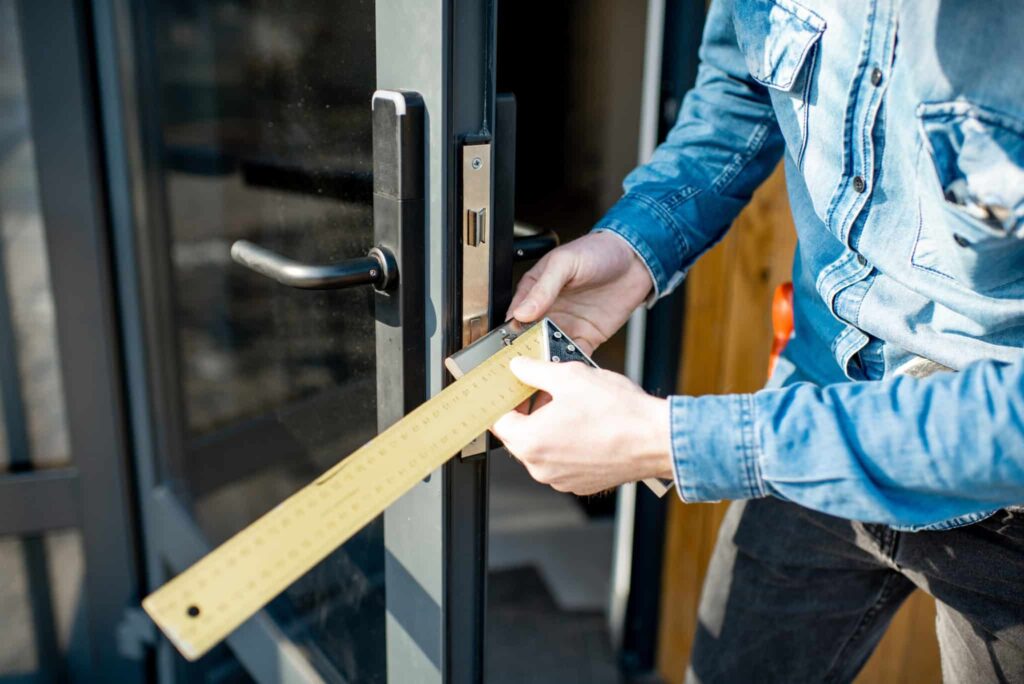
Locksmith services typically cost between $75 and $250 for a standard residential or automotive job. A simple key copy may cost less than lunch, while an emergency smart-lock replacement at 2:00 a.m. can cost several hundred dollars. In other words, locksmith pricing has a wider range than the collection of mystery keys in your kitchen drawer.
Recent national cost data shows that many homeowners spend approximately $107 to $242, although total bills can range from about $50 to $400 or more. The final price depends on the service, lock type, travel distance, location, time of day, and whether the locksmith must replace damaged hardware.
This guide explains average locksmith costs, common fees, ways to reduce your bill, and how to recognize suspicious pricing before someone turns a five-minute lockout into a financial hostage situation.
Pricing overview researched from current national U.S. cost guides.
Average Locksmith Cost at a Glance
For most routine calls during normal business hours, a realistic budget is $100 to $200. Complicated locks, multiple doors, commercial systems, modern vehicle keys, and emergency service can increase the price substantially.
| Locksmith Service | Typical Cost |
|---|---|
| Service call or trip fee | $50–$150 |
| House lockout | $75–$200+ |
| Car lockout | $75–$200 |
| Rekeying a lock | $15–$50 per cylinder, plus service fee |
| Rekeying several home locks | $95–$270 |
| Replacing a standard lock | $80–$225 per door |
| Installing a deadbolt | $100–$350+ |
| Broken key extraction | $50–$200 |
| Smart-lock installation | $150–$400+ |
| Car key or fob replacement | $50–$450+ |
| Safe opening | $150–$500+ |
These figures are broad U.S. estimates rather than guaranteed quotes. A locksmith in rural Kansas may have different labor and travel costs than one navigating rush-hour traffic in Los Angeles, New York City, or Miami.
Service ranges synthesized from Angi, HomeAdvisor, Forbes Home, This Old House, Fixr, Thumbtack, and HomeGuide.
What Determines How Much a Locksmith Charges?
Type of Locksmith Service
Opening an unlocked interior bedroom door is usually easier than rebuilding a damaged commercial mortise lock. Locksmiths price jobs according to the time, tools, materials, and technical skill required.
A basic lockout may require only a few minutes of non-destructive entry work. Replacing an electronic access-control system, programming a transponder key, or opening a high-security safe may require specialized equipment and significantly more labor.
Service Call and Travel Fees
Mobile locksmiths commonly charge a service call or trip fee for traveling to your location. This amount may be added to labor and materials rather than included in the advertised price.
Travel fees are usually higher when the locksmith must drive a long distance, pay tolls, enter a secured parking structure, or reach a remote property. Before booking, ask whether the quote includes dispatch, mileage, and the technician’s minimum charge.
Time of Day
Calling during weekday business hours is generally cheaper than requesting emergency locksmith service at night, on a weekend, or during a holiday. An ordinary $100 lockout can rise to $150, $250, or more after hours.
The surcharge pays for immediate availability and inconvenient scheduling. You are not paying only for the three minutes spent opening the door. You are also paying someone to leave dinner, drive across town, and rescue you while you explain for the fourth time that the keys are “definitely right there on the counter.”
Lock Complexity
Standard pin-tumbler locks are usually less expensive to service than high-security cylinders, antique mortise locks, electronic keypads, biometric locks, and interconnected smart-home devices.
Complex hardware may require proprietary parts, diagnostic equipment, additional installation time, or manufacturer-specific programming. If drilling becomes genuinely necessary, the bill may include opening the door, removing the damaged cylinder, supplying a replacement, and installing new hardware.
Your Location
Labor prices vary by city and state. Locksmith rates are often higher in major metropolitan areas with higher operating costs. Parking restrictions, traffic, building-access rules, and local licensing requirements may also influence the total.
How Much Does a House Locksmith Cost?
Home Lockout Cost
A residential lockout typically costs $75 to $200 during normal hours. A straightforward door may be opened near the lower end of the range. High-security locks, damaged cylinders, nighttime calls, and situations requiring replacement hardware cost more.
In many cases, an experienced locksmith can unlock a residential door without destroying the lock. Drilling should generally be treated as a later option, not the opening move in a one-tool magic show.
Cost to Rekey a House
Rekeying usually costs approximately $15 to $50 per lock cylinder, plus the locksmith’s service call. Rekeying three doors commonly totals around $95 to $270, depending on lock compatibility and local labor rates.
During rekeying, the locksmith changes the internal pins so the old key no longer operates the lock. The existing handles, deadbolts, and exterior hardware remain in place.
Rekeying is often the practical choice after moving into a house, losing a set of keys, changing tenants, ending a contractor’s access, or discovering that seventeen distant relatives somehow have copies of your front-door key.
Cost to Replace Door Locks
Replacing a basic residential lock generally costs $80 to $225 per door, including common hardware and labor. Premium deadbolts, decorative handlesets, Grade 1 security hardware, and modifications to the door can push the cost higher.
Replacement makes sense when the existing lock is damaged, corroded, outdated, poorly installed, or incompatible with your desired security features. It is also appropriate when you want a keypad, smart lock, restricted-key system, or matching new hardware.
Rekeying vs. Replacing Locks
Rekeying is normally cheaper because the locksmith reuses the existing lock body. Replacement costs more because you are buying new hardware and paying for installation.
Choose rekeying when the lock works properly and you simply want old keys disabled. Choose replacement when the lock is broken, unreliable, insecure, unattractive, or missing features you need.
Rekeying and replacement comparisons based on HomeAdvisor, Forbes Home, HomeGuide, Fixr, and This Old House.
How Much Does an Automotive Locksmith Cost?
Car Lockout Service
Unlocking a car commonly costs $75 to $150 during normal hours. After-hours automotive lockouts can reach $150 to $300, especially when the vehicle is in a remote location or the keys are locked in the trunk.
Before paying out of pocket, check your roadside-assistance plan, auto insurance policy, new-car warranty, or credit-card benefits. Some programs cover vehicle lockouts or reimburse a portion of locksmith expenses.
Car Key Replacement
A simple metal key may cost only a few dollars to duplicate when an original is available. However, modern automotive keys are tiny computers wearing key-shaped costumes.
Transponder keys, proximity keys, laser-cut keys, switchblade keys, and remote fobs may require specialized cutting and programming. Depending on the vehicle, a replacement can cost anywhere from $50 to more than $450. Luxury models and keys requiring dealership-only programming may cost even more.
Ignition and Car Lock Repairs
Repairing or rekeying an ignition may cost approximately $50 to $300. Replacing a damaged vehicle door lock can cost several hundred dollars, particularly when interior panels must be removed or manufacturer-specific parts are required.
Always provide the locksmith with the car’s year, make, model, key type, and exact problem. A precise description helps the technician bring the right equipment and provide a more reliable estimate.
Automotive cost information and roadside-assistance considerations researched from Forbes Home and AAA.
How Much Does Smart-Lock Installation Cost?
Professional smart-lock installation usually costs around $250 to $400 when the price includes the lock and labor. A simple retrofit model may cost closer to $150, while biometric hardware or a lock integrated with a larger security system can exceed $1,000.
Installation gets more expensive when the existing hole must be enlarged, the door is misaligned, wiring is necessary, a hub must be configured, or the lock must communicate with an alarm or home-automation platform.
Before buying a smart lock, verify that it fits the door’s thickness, backset, borehole, handing, and existing deadbolt layout. Otherwise, your futuristic fingerprint lock may become a very expensive paperweight with Bluetooth.
Smart-lock installation benchmarks based on Fixr and This Old House.
Why Emergency Locksmith Service Costs More
Emergency pricing may include an after-hours surcharge, priority dispatch fee, longer travel time, and a higher minimum labor charge. Holidays and severe weather can raise the cost further.
When calling, clearly describe the lock, door, location, and circumstances. Ask the company to separate the estimate into:
- Service call or dispatch fee
- Labor charge
- Emergency or after-hours surcharge
- Mileage or travel fee
- Parts and replacement hardware
- Taxes and payment-processing fees
Request the maximum likely price as well as the starting price. An advertisement saying “service from $29” may describe only the dispatch feenot the cost of opening anything.
How to Avoid Locksmith Scams and Surprise Charges
Locksmith scams often begin with an unrealistically low telephone quote. Once the technician arrives, the job suddenly becomes “extremely complicated,” the price multiplies, and drilling is presented as the only option.
Ask for a Complete Estimate
Request a written estimate before work begins. It should identify labor, service-call charges, mileage, parts, emergency fees, and the possible cost of replacement hardware.
Verify the Business
Look for a real local business name, address, marked vehicle, identification, and applicable state or local license. Licensing rules vary across the United States, so check the appropriate state agency rather than assuming every location follows the same requirements.
Be Cautious About Immediate Drilling
A reputable professional should evaluate non-destructive entry methods before drilling a standard lock. Drilling may occasionally be necessary, but it should come with a clear explanation and a replacement estimate.
Demand an Itemized Invoice
The final invoice should list the company, technician, parts, labor, mileage, service charges, and total payment. Paying by credit card may provide more dispute protection than handing over untraceable cash.
Refuse High-Pressure Tactics
If the technician’s price is dramatically different from the telephone quote, stop before work begins. You do not have to approve unexpected drilling, unnecessary replacements, or suspiciously expensive “high-security” hardware.
Consumer-protection guidance from the FTC, Connecticut DCP, California DCA, BBB, and ALOA.
Ways to Save Money on Locksmith Services
- Call during regular business hours: Schedule nonurgent rekeying and installations on weekdays.
- Bundle several locks into one visit: One service call is usually cheaper than multiple appointments.
- Rekey instead of replace: Keep functional hardware and change only the key configuration.
- Buy compatible hardware in advance: Ask the locksmith which models fit before purchasing anything.
- Check roadside assistance: Auto insurance, warranties, and membership plans may cover lockouts.
- Keep a secure spare key: Give one to a trusted person rather than hiding it under the world’s least-secret flowerpot.
- Research a locksmith before an emergency: Save a verified local company in your phone.
Real-World Experiences: What Locksmith Bills Often Look Like
The following examples illustrate how timing, preparation, and lock type can change the final cost. They are realistic scenarios based on common U.S. pricing patterns rather than guaranteed quotes.
Experience 1: The Ordinary Weekday Lockout
Imagine leaving for work on a Tuesday morning and pulling the front door shut before noticing your keys through the window. You call a local locksmith at 9:15 a.m., describe a standard deadbolt, and confirm a $65 service call plus $60 for non-destructive entry.
The technician arrives in a marked vehicle, verifies that you live at the property, opens the door without drilling, and provides an itemized $125 bill. The actual unlocking takes only a few minutes, but the charge also covers travel, tools, training, insurance, and availability. This is a normal example of a locksmith visit that goes exactly as it should: clear quote, no destroyed hardware, no theatrical sighing about an “impossible European security cylinder.”
Experience 2: Rekeying After Buying a Home
A couple moves into a three-bedroom house with three exterior doors. All locks function properly, but nobody knows how many old keys exist. Instead of replacing every handleset, they schedule a weekday rekeying appointment.
The locksmith charges a $75 trip fee, $30 for each of four cylinders, and $20 for several new keys. The total is $215. Replacing all four locksets might have cost considerably more, particularly if the homeowners selected decorative or high-security hardware.
The lesson is simple: when existing locks are in good condition, rekeying can restore key control without sending perfectly functional metal to the landfill.
Experience 3: The Midnight Car Lockout
A driver finishes a late shift and discovers that the car keys are locked in the trunk. The first locksmith quotes “starting at $39” but refuses to explain the total. The driver calls another company, receives a written estimate of $185 including emergency dispatch, and confirms that the technician can handle the vehicle model.
The final charge is $185, which is expensive compared with daytime service but reasonable for a late-night response. The driver later learns that roadside assistance might have reimbursed part of the cost. The painful takeaway is that membership benefits are most useful when remembered before the credit card begins quietly weeping.
Experience 4: When the Cheapest Advertisement Becomes Expensive
A homeowner clicks an advertisement promising a $29 lockout. The technician arrives in an unmarked car and says the lock cannot be picked. He proposes drilling it, installing a “premium” cylinder, and charging $480.
Because no work has started, the homeowner refuses and contacts a verified local locksmith. The second technician opens the same lock without drilling and charges $145. The $29 advertisement was merely a dispatch price designed to get someone to the property.
This experience demonstrates why the total written estimate matters more than the number displayed in giant type online. A legitimate locksmith may not always be the cheapest caller, but transparent pricing is usually less expensive than repairing unnecessary damage.
Experience 5: The Smart Lock That Wasn’t a Simple Swap
A homeowner purchases a $180 Wi-Fi deadbolt and expects a quick installation. Unfortunately, the old borehole is undersized, the door rubs against the frame, and the deadbolt does not align with the strike plate.
The locksmith spends additional time adjusting the door, enlarging the opening, reinforcing the strike, installing the device, and connecting it to the home network. Labor and materials add $220, bringing the project to $400.
The homeowner initially experiences sticker shock but ends up with a properly aligned door and a reliable smart lock. The practical lesson is that installation prices depend on the condition of the door, not merely the number of screws shown in the product manual.
Final Answer: How Much Should You Budget?
Most people should budget $100 to $200 for a standard locksmith visit during business hours. A simple service may cost less, while emergencies, smart locks, high-security systems, safe opening, and modern car-key programming may cost $250 to $500 or more.
The best way to control locksmith costs is to ask for a complete estimate, describe the problem accurately, verify the company, and approve no drilling or replacement work until the price is clear. Rekey working locks instead of automatically replacing them, check available insurance or roadside benefits, and keep the contact information of a trustworthy locksmith before your keys decide to begin an independent life inside a locked building.