

Note: This article is for educational purposes only. The safest way to remove a skin tag from your neck is to have a dermatologist or qualified healthcare professional confirm what it is and remove it in a clean medical setting. At-home “removal” should focus on safe care, irritation control, and knowing what not to do.
Introduction: That Tiny Neck Bump Has Entered the Chat
Skin tags are small, soft, harmless-looking growths that often show up on the neck, underarms, eyelids, chest, or other areas where skin rubs against skin or clothing. They are common, usually painless, and often more annoying than dangerous. Still, when one appears on your neck, it can feel like it has its own spotlight. It may catch on a necklace, snag on a shirt collar, or simply bother you every time you look in the mirror.
So, can you safely remove a skin tag from your neck at home? The honest answer is: not in the way most viral hacks suggest. Cutting it off, tying it with dental floss, burning it with acids, or attacking it with mystery creams from the internet is not safe. Your neck has sensitive skin, visible blood vessels, and constant movement, so mistakes can lead to bleeding, infection, scarring, or skin discoloration. Even more important, not every small growth is actually a skin tag.
This guide explains how to identify a likely skin tag, what at-home steps are actually safe, what methods to avoid, and when professional removal is the smartest move. Think of it as the calm, medically sensible friend who gently takes the scissors out of your hand.
What Is a Skin Tag?
A skin tag, also called an acrochordon, is a small, soft growth of extra skin. It may be flesh-colored, slightly darker than your natural skin tone, or light brown. Many skin tags hang from a tiny stalk, which gives them that “little flap” appearance. They are usually not painful unless they become irritated by friction.
Skin tags commonly appear on the neck because that area gets plenty of rubbing from collars, necklaces, hair, sweat, and movement. They may also develop in skin folds, around the armpits, under the breasts, near the groin, or on the eyelids. Although skin tags are benign, meaning noncancerous, it is still important to make sure the bump really is a skin tag before doing anything to it.
Why Do Skin Tags Grow on the Neck?
The exact cause of skin tags is not always clear, but friction plays a major role. When skin repeatedly rubs against skin, jewelry, or clothing, small growths can develop over time. Genetics may also be involved, so if your family members have skin tags, your neck may decide to join the club.
Skin tags are also more common with age, during pregnancy, and in people with insulin resistance, type 2 diabetes, or higher body weight. That does not mean a skin tag automatically signals a health problem, but if you suddenly develop many new skin tags, it may be worth discussing with a healthcare professional.
Can You Really Remove a Neck Skin Tag at Home?
The safest at-home approach is not DIY surgery. It is safe observation, irritation prevention, and professional follow-up when removal is desired. Many online tips promise quick skin tag removal at home, but “quick” and “safe” are not the same thing. A neck skin tag sits in a high-friction, visible area, so a bad removal attempt can leave a mark that lasts much longer than the original bump.
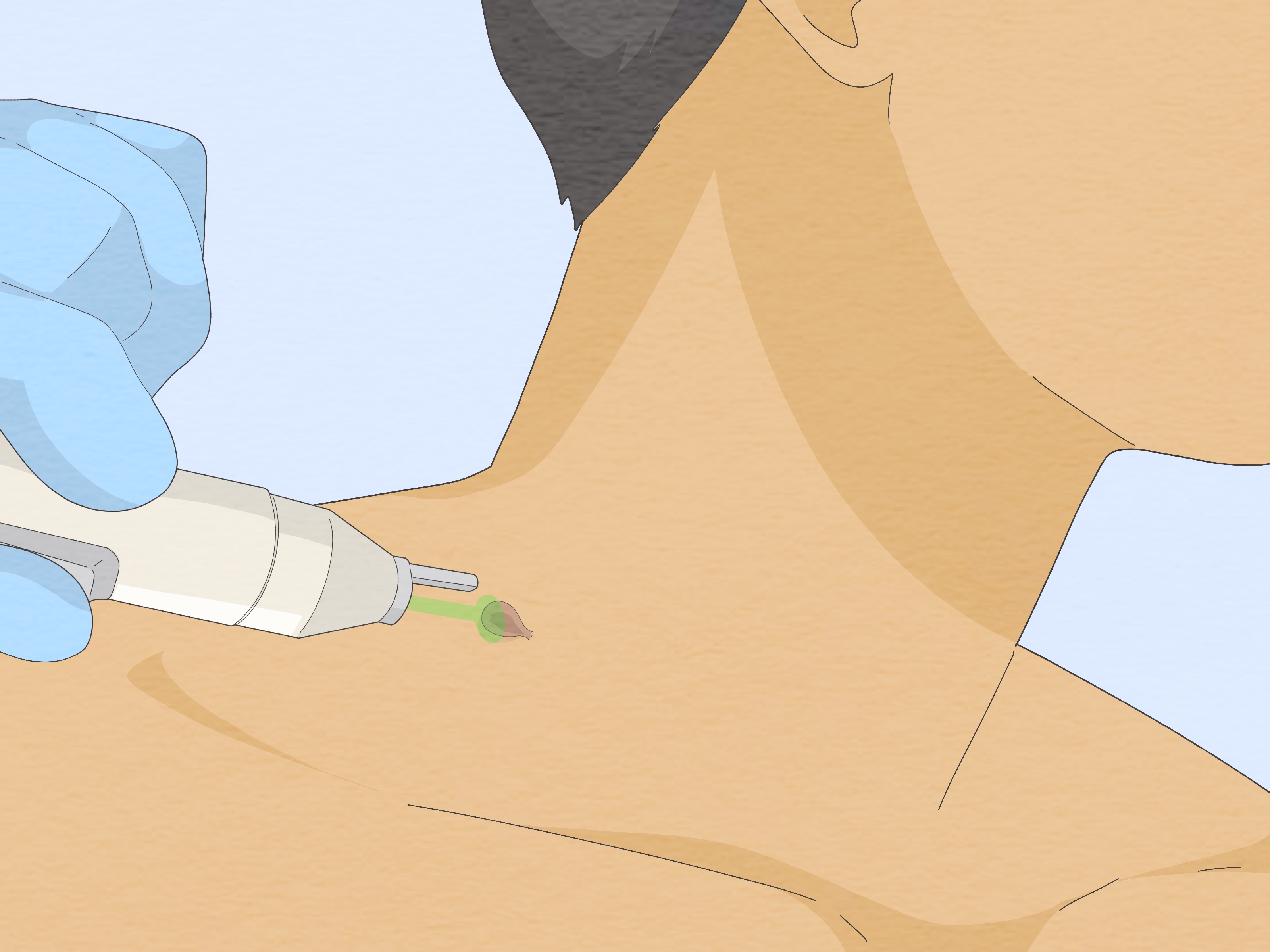
Medical professionals can remove skin tags using controlled methods such as freezing, cauterizing, or carefully removing the tag with sterile instruments. These procedures are quick in an office setting, but that does not make them safe to copy at home. The difference is training, sterile technique, proper diagnosis, bleeding control, and aftercare.
Before You Touch It: Make Sure It Is Probably a Skin Tag
A typical skin tag is soft, small, movable, and attached by a narrow base or stalk. It usually grows slowly and does not cause pain. However, some moles, warts, seborrheic keratoses, and even skin cancers can look like harmless bumps. That is why diagnosis matters.
Do Not Try At-Home Removal If the Growth Has Any Warning Signs
See a healthcare professional before attempting any treatment if the bump is changing quickly, bleeding without being rubbed, painful, very dark, irregularly shaped, crusted, firm, multicolored, larger than expected, or looks different from other spots on your skin. Also get it checked if it appeared suddenly, keeps growing, or does not have the soft, floppy look of a typical skin tag.
A good rule is simple: if the spot makes you pause, do not DIY it. Your skin is not a craft project, and your neck is not the place for experimental home improvement.
Safe At-Home Steps for a Skin Tag on Your Neck
If the growth looks like a typical skin tag and is not causing serious symptoms, the safest home plan is to protect the area and avoid irritating it until you can decide whether professional removal is needed.
Step 1: Keep the Area Clean and Dry
Wash your neck gently with mild soap and water. Avoid harsh scrubs, strong exfoliating acids, or alcohol-based products directly on the skin tag. Pat the area dry instead of rubbing it with a towel. Skin tags can become irritated when treated too aggressively, and irritated skin is more likely to sting, bleed, or become inflamed.
Step 2: Reduce Friction
Friction is one of the biggest reasons neck skin tags become annoying. Try wearing soft, loose collars and avoid necklaces that catch on the growth. If the tag rubs against clothing, a small breathable bandage can help protect it temporarily. Do not wrap it tightly or try to “choke it off.” The goal is comfort, not a tiny neck hostage situation.
Step 3: Avoid Picking, Pulling, or Twisting
It can be tempting to fiddle with a skin tag, especially when it feels like a tiny loose thread on your skin. Resist the urge. Pulling or twisting can cause bleeding, swelling, and irritation. It may also make the area more noticeable.
Step 4: Take a Clear Photo
If you are monitoring the skin tag, take a clear photo in good lighting. This helps you notice whether it changes over time. You do not need a dramatic photoshoot. A simple, focused image once every few weeks is enough. If it grows rapidly, changes color, or starts bleeding, get it checked.
Step 5: Use Gentle Skin Protection
If the skin around the tag feels irritated, a thin layer of plain petroleum jelly around the area may reduce rubbing. Avoid applying strong chemicals, essential oils, or “skin tag remover” liquids. Natural does not always mean gentle. Poison ivy is natural too, and nobody is inviting it to skincare night.
Step 6: Schedule Professional Removal If It Bothers You
If the skin tag catches on clothing, affects shaving, becomes repeatedly irritated, or bothers you cosmetically, professional removal is the safest choice. Dermatologists remove skin tags quickly and can confirm that the growth is harmless before treating it.
At-Home Skin Tag Removal Methods to Avoid
The internet is full of skin tag removal hacks, but many are risky, unproven, or both. Here are the biggest no-thank-you methods.
Do Not Cut It Off
Never cut a neck skin tag with scissors, nail clippers, razors, knives, or any household tool. This can cause bleeding, infection, scarring, and incomplete removal. The neck is a visible and sensitive area, so a small mistake can become a big regret.
Do Not Tie It With Dental Floss or String
Some people recommend tying a skin tag to cut off its blood supply. This can be painful and may cause swelling, infection, or partial removal. It is also easy to accidentally damage surrounding skin. Leave ligation-style procedures to trained professionals.
Do Not Use Apple Cider Vinegar or Strong Acids
Apple cider vinegar is popular online, but it can irritate or burn the skin. The neck is especially sensitive, and acid-based home remedies can leave discoloration or scarring. A skin tag is not a salad, so vinegar does not need to be involved.
Do Not Use Wart Freezing Kits Without Medical Guidance
Wart removers are designed for warts, not necessarily skin tags. At-home freezing products may damage nearby skin and are not as controlled as professional cryotherapy. Using them on the neck increases the chance of irritation, burns, or uneven pigmentation.
Do Not Trust Mystery Creams or Online “Miracle” Drops
Products marketed as mole or skin tag removers may contain harsh ingredients and can injure the skin. Some may also delay proper diagnosis of a growth that is not a skin tag. If a product promises painless overnight removal with zero risk, treat that claim like a spam email wearing a lab coat.
When Should You See a Dermatologist?
You should see a dermatologist or healthcare provider if the skin tag is painful, bleeding, changing, dark, irregular, or located in a sensitive spot. You should also seek care if you are unsure whether the growth is actually a skin tag. People with diabetes, bleeding disorders, a history of skin cancer, immune system problems, or those taking blood-thinning medication should be extra cautious and avoid at-home removal attempts.
Professional removal is also smart when the skin tag is on the neck and visible. A clinician can choose a method that reduces the risk of scarring and skin discoloration. This matters because the neck is not exactly a hidden storage closet. If something heals poorly there, you are more likely to notice it.
How Professionals Remove Skin Tags
Dermatologists commonly remove skin tags using one of several office-based methods. The best option depends on the size, location, number of tags, and your skin type.
Cryotherapy
Cryotherapy uses controlled freezing to treat the skin tag. It is often quick, but it can sometimes cause temporary lightening or darkening of the skin, especially in deeper skin tones.
Cauterization
Cauterization uses heat to remove or seal the tissue. It is performed in a controlled medical setting and can help reduce bleeding.
Snip Removal or Excision
A provider may remove a skin tag with sterile medical scissors or a blade. This sounds simple, but the safety comes from proper diagnosis, sterile technique, and bleeding control. It is not the same as using bathroom scissors and hoping for the best.
What If a Skin Tag Falls Off on Its Own?
Occasionally, a small skin tag may twist, lose blood supply, dry out, and fall off naturally. If that happens, keep the area clean, avoid picking, and protect it from rubbing while it heals. If you notice spreading redness, warmth, swelling, pus, increasing pain, or bleeding that does not stop, contact a healthcare professional.
How to Prevent Neck Skin Tags from Getting Irritated
You may not be able to prevent every skin tag, especially if genetics are involved, but you can reduce irritation. Choose soft collars, remove necklaces before exercise or sleep, keep the neck area clean and dry, and avoid harsh skincare products where the tag sits. If shaving near the neck, go slowly and use a mirror. Better yet, steer clear of the tag completely.
If multiple skin tags appear in areas of friction, consider whether clothing, jewelry, backpack straps, or sports gear may be rubbing the same spots repeatedly. Small changes can make the area less irritated even if they do not make existing tags disappear.
Common Myths About Removing Skin Tags at Home
Myth 1: “If It Is Small, It Is Safe to Cut.”
Size does not guarantee safety. Even a small skin tag can bleed, become infected, or leave a scar if removed incorrectly. Small does not mean simple when skin is involved.
Myth 2: “If It Does Not Hurt, It Cannot Be Serious.”
Many harmless skin tags do not hurt, but some concerning skin changes can also be painless. Pain is not the only warning sign. Changes in color, shape, size, texture, or bleeding matter too.
Myth 3: “Natural Remedies Are Always Safer.”
Natural ingredients can still irritate or burn skin. Essential oils, vinegar, garlic, and concentrated plant extracts may sound gentle, but your neck skin may strongly disagree.
What to Expect After Professional Removal
After a skin tag is removed by a professional, the area may be slightly tender, pink, or scabbed for a short time. You may be told to keep it clean, protect it from friction, and avoid picking at the healing spot. Healing time depends on the removal method and the size of the skin tag.
A removed skin tag usually does not grow back in the exact same spot, but new skin tags can appear elsewhere. That is normal. Skin tags are common, and getting one does not mean you did anything wrong.
Real-Life Experience Notes: What People Often Learn the Hard Way
Many people notice a neck skin tag because it gets caught on something at the worst possible moment. A necklace tugs it. A shirt collar rubs it. A towel catches it after a shower. Suddenly, the tiny bump that was peacefully minding its business becomes the most dramatic character in the bathroom mirror.
One common experience is the “I thought I could ignore it” phase. At first, the skin tag may be so small that it seems silly to care. Then it starts catching on a chain or becoming red after workouts. That is when people usually start searching for fast solutions. Unfortunately, fast solutions online often skip the important part: making sure the growth is truly a skin tag and not something else.
Another common lesson is that the neck heals in a very visible way. Someone may try an at-home liquid, band, or freezing product and expect a clean result. Instead, the surrounding skin becomes red, tender, or darker than before. Even when the tag eventually shrinks, the irritation mark may stick around longer than expected. That is frustrating because the original goal was usually to make the area less noticeable, not give it a neon sign.
People also underestimate how much movement affects healing. Your neck turns, bends, sweats, rubs against collars, and gets touched more than you realize. A spot that might heal quietly on another part of the body can become irritated on the neck simply because life keeps happening. That is why gentle protection and friction reduction matter so much.
A safer experience usually looks much less dramatic. The person notices the skin tag, checks whether it has warning signs, stops wearing the necklace that catches on it, keeps the area clean, and books a quick appointment if removal is desired. The dermatologist confirms it is a skin tag and removes it using the right method. The entire story becomes boring, which is exactly what you want when skin is involved.
The biggest takeaway from real-world experiences is this: a skin tag may be small, but the decision to remove it should not be careless. Home care can help you prevent irritation, but actual removal is safest when handled by someone trained to diagnose and treat skin growths. When in doubt, choose the boring, safe route. Your future neck selfies will thank you.
Conclusion: Safe Skin Tag Removal Starts With Smart Decisions
Learning how to safely remove a skin tag from your neck at home really means learning how to avoid unsafe removal attempts. Skin tags are usually harmless, but your neck is sensitive, visible, and prone to irritation. Cutting, tying, burning, freezing, or using unapproved removal products can lead to bleeding, infection, scarring, or delayed diagnosis of a more serious skin condition.
The safest at-home plan is simple: keep the area clean, reduce friction, avoid picking, monitor for changes, and see a dermatologist if the tag bothers you or looks unusual. Professional removal is quick, controlled, and much safer than bathroom-counter surgery. A skin tag may be tiny, but your skin deserves full-size common sense.