

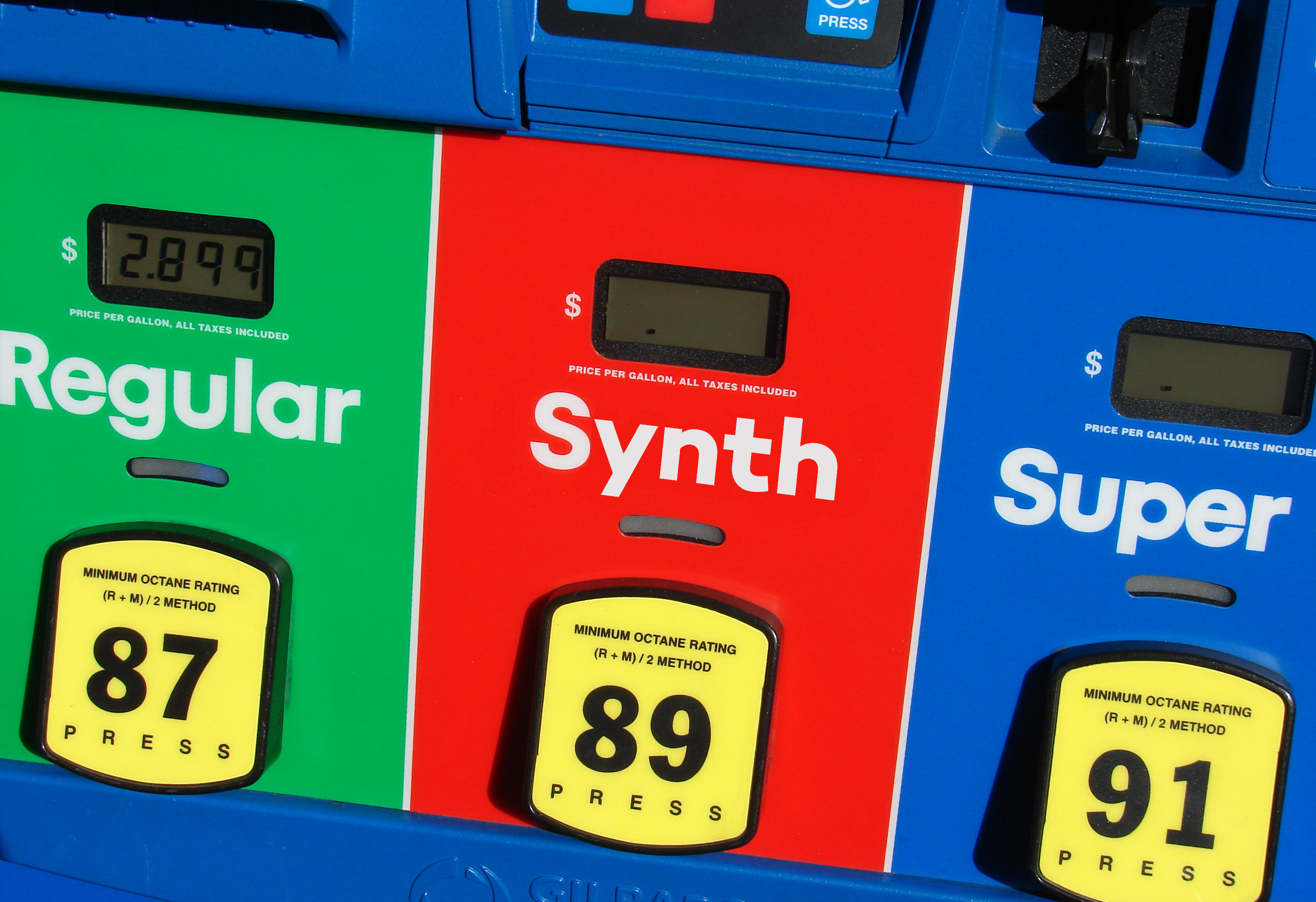
For more than a century, gasoline has been the go-to road-trip companion: easy to find, quick to refill, and powerful enough to move everything from compact cars to pickup trucks carrying enough mulch to start a small forest. But gasoline also comes with a very expensive receipt. It produces carbon emissions, contributes to smog-forming pollution, exposes drivers to unpredictable fuel prices, and keeps transportation tied to a global oil supply chain that can become dramatic faster than a reality-show reunion.
Electric vehicles have emerged as the most visible alternative. They promise quiet driving, no tailpipe exhaust, lower energy use, and the delightful experience of passing a gas station without checking the price sign like it is a stock-market ticker. Still, EVs are not a magical transportation wand. Charging access, grid capacity, battery materials, apartment living, cold weather, and long-distance travel all remain part of the conversation.
Then there is synthetic fuel, also known as e-fuel or power-to-liquid fuel. It sounds futuristic because it is: renewable electricity can be used to make hydrogen, combine it with captured carbon dioxide, and create a liquid fuel that can potentially work in many existing engines. Synthetic fuels may help clean up aviation, shipping, racing, specialty vehicles, and the enormous number of gasoline-powered cars already on the road.
The real transportation transition is not likely to be a battle between electric vehicles and synthetic fuels. It is more likely to be a toolbox. The important question is not, “Which technology wins?” It is, “Which technology makes the most sense for each job?”
The Gasoline Problem Is Bigger Than the Gas Pump
Gasoline is convenient because it packs a lot of energy into a small amount of liquid. A driver can refill a tank in minutes, travel hundreds of miles, and repeat the process almost anywhere. That convenience helped build modern suburbs, highways, delivery networks, tourism, and the sacred American tradition of buying snacks that cost more than the fuel.
However, gasoline creates problems at nearly every stage of its life cycle. Oil must be extracted, transported, refined, blended, shipped to fuel stations, and burned in millions of engines. Every stage requires infrastructure, energy, and investment. The final step is especially important: when gasoline burns in an internal combustion engine, carbon dioxide exits through the tailpipe along with pollutants that contribute to poor air quality.
Modern vehicles are much cleaner than older cars, thanks to catalytic converters, cleaner fuels, and tighter emissions rules. Still, gasoline-powered cars and trucks continue to release greenhouse gases and pollution-forming compounds. Nitrogen oxides, volatile organic compounds, and particulate matter can worsen smog and affect public health, particularly in communities close to busy roads, ports, and freight corridors.
There is also the price problem. Gasoline prices can rise because of crude-oil markets, refinery outages, storms, supply disruptions, international conflict, seasonal fuel requirements, or a combination of several things happening at once. Drivers may improve fuel economy by choosing a smaller vehicle or driving fewer miles, but they cannot personally control the price of a barrel of oil. The pump has a way of reminding everyone who is in charge.
From a climate perspective, transportation remains one of the hardest sectors to decarbonize because vehicles stay on the road for years. A gasoline car purchased today may still be commuting, hauling groceries, or taking children to soccer practice well into the 2030s. That means replacing new gasoline vehicles with cleaner options matters, but so does finding practical ways to reduce emissions from the existing fleet.
Why Electric Vehicles Are So Important
Battery electric vehicles solve one major problem immediately: they do not burn gasoline while driving. Instead of using an internal combustion engine, an EV uses electricity stored in a battery pack to power one or more electric motors. This removes tailpipe emissions and makes the drivetrain far more mechanically simple than a conventional gasoline vehicle.
An electric motor does not need spark plugs, oil changes, exhaust pipes, mufflers, or the mysterious engine light that appears exactly two days after the warranty expires. EVs still need maintenance, of course. Tires, brakes, suspension parts, windshield wipers, cabin filters, and occasional repair bills have not disappeared into the future. But the powertrain itself generally has fewer moving parts than a gasoline engine and transmission system.
Electric vehicles are also efficient. A gasoline engine wastes a large share of its energy as heat. That is why a traditional car has a radiator, exhaust system, and enough thermal management to make it feel like a small furnace on wheels. EVs still create heat, especially in batteries and motors, but they convert a larger share of delivered energy into movement.
That efficiency matters because electricity can come from many sources. It may be generated from natural gas, coal, nuclear power, hydropower, wind, solar energy, geothermal plants, or a regional mix of several sources. As electric grids become cleaner over time, the same EV can become lower-carbon without changing the vehicle itself. A gasoline vehicle does not get cleaner when the grid adds more wind turbines; it remains loyal to its tailpipe.
Electric Vehicles Are Not “Zero Impact” Vehicles
Calling EVs “zero-emission vehicles” is accurate at the tailpipe, but incomplete as a full environmental statement. Batteries require materials such as lithium, nickel, graphite, manganese, and sometimes cobalt. Mining, processing, manufacturing, and transporting those materials create environmental and social impacts that must be addressed responsibly.
Battery production can give an EV a larger manufacturing footprint than a similar gasoline vehicle at the beginning of its life. But the comparison cannot stop at the factory gate. Over years of driving, EVs usually make up for much of that difference because they avoid burning gasoline every day. The cleaner the electricity used for charging, the stronger the lifetime emissions advantage becomes.
The answer is not to pretend battery supply chains are perfect. The answer is to improve them. Better mining practices, stronger labor standards, domestic processing, battery recycling, second-life battery applications, and battery chemistries that use fewer constrained materials can all reduce the pressure on raw-material supply chains.
Charging Is the EV Experience, for Better and Worse
For homeowners with a driveway or garage, charging can be one of the best parts of owning an EV. Plugging in overnight means the vehicle starts most mornings with enough range for regular errands and commuting. It is less like visiting a fuel station and more like charging a phone, although nobody should try to carry an electric SUV around in a backpack.
For renters, apartment residents, urban drivers, and people without dedicated parking, charging can be much harder. Public charging stations are growing, but availability, reliability, payment systems, waiting times, and parking access vary widely. A driver who can charge at home may view an EV as effortless. A driver who must hunt for an open charger after work may have a much less romantic opinion.
Long-distance travel is improving as fast-charging networks expand, but it still requires planning. Road trips in an EV often involve selecting charging stops, considering weather, checking station status, and allowing extra time compared with filling a gasoline tank. For many people, that is a reasonable tradeoff. For others, especially frequent long-distance drivers, it may remain a genuine inconvenience.
What Are Synthetic Fuels?
Synthetic fuels are liquid or gaseous fuels created through chemical processes rather than refined directly from crude oil. In transportation discussions, the term often refers to e-fuels made with renewable electricity, water, and carbon dioxide.
The basic concept is straightforward, even if the industrial chemistry is not. Renewable electricity can split water into hydrogen and oxygen through electrolysis. The hydrogen can then be combined with carbon dioxide to produce hydrocarbons such as synthetic gasoline, diesel, methanol, methane, or jet fuel. These fuels can store renewable energy in chemical form and may be usable in engines, aircraft, ships, and fuel systems designed around liquid fuels.
This “drop-in” potential is synthetic fuel’s superpower. Much of the world already has pipelines, storage tanks, engines, refineries, fueling stations, ports, and maintenance systems built around liquid fuels. A cleaner liquid fuel can potentially use part of that existing infrastructure instead of requiring every vehicle and machine to be replaced at once.
The Carbon Source Matters
Synthetic fuel is not automatically climate-friendly just because it is made in a laboratory. Its environmental value depends on where the electricity and carbon dioxide come from. If the electricity is produced with fossil fuels, the process can simply move emissions from one place to another while adding energy losses along the way.
For synthetic fuel to deliver meaningful climate benefits, the electricity should come from low-carbon sources, and the carbon dioxide should come from sustainable sources such as direct air capture, biomass, waste-carbon streams, or industrial processes that are difficult to eliminate. Even then, careful life-cycle accounting matters. A fuel is not clean merely because the label has a leaf on it.
It is also important to distinguish synthetic fuels from other alternatives. Ethanol, renewable diesel, biodiesel, sustainable aviation fuel, hydrogen, and e-fuels are not identical products. They can use different feedstocks, production pathways, engines, infrastructure, and carbon-accounting methods. Lumping all of them into one bucket is like calling pizza, salad, and a smoothie “basically lunch.” Technically possible, but not especially useful.
The Efficiency Challenge of E-Fuels
Synthetic fuels offer flexibility, but they have a major drawback: producing them requires a lot of electricity. Energy is lost during electrolysis, carbon capture, fuel synthesis, transportation, and combustion in an engine. By the time renewable electricity becomes synthetic gasoline and then moves a car, a substantial portion of the original energy has disappeared as heat.
Using that same electricity directly in a battery electric vehicle is generally much more efficient. This is why EVs are usually the better option for everyday passenger cars, commuter vehicles, city delivery vans, and other applications that can realistically charge from the grid.
That does not make synthetic fuels useless. It means they should be used where their strengths matter most. Airplanes need lightweight, energy-dense fuel. Ocean-going ships travel far from charging infrastructure. Heavy equipment may operate in remote locations. Historic vehicles, specialty fleets, and existing cars may remain in service for decades. In these cases, a low-carbon liquid fuel may be more practical than a giant battery pack or a very long extension cord.
Electric Vehicles and Synthetic Fuels Are Better Together
The smartest transportation strategy is unlikely to involve one technology doing every job. Battery electric vehicles should play the leading role in light-duty transportation because they are efficient, increasingly practical, and well suited to daily driving. Charging infrastructure, grid upgrades, battery recycling, and cleaner electricity are essential to making that transition work at scale.
Synthetic fuels should be treated as a scarce and valuable resource, not as an excuse to delay electrification. If clean e-fuels are expensive and energy-intensive to produce, using them in a daily commuter car may not be the best use of limited supply. They may provide greater climate value in aviation, maritime shipping, long-haul operations, emergency services, legacy equipment, or sectors where direct electrification is technically difficult.
Gasoline will not disappear overnight. There are hundreds of millions of existing internal combustion vehicles worldwide, and many owners cannot replace them immediately. Cleaner fuels, hybrids, better public transit, smarter land use, improved fuel economy, and EV adoption can all reduce gasoline demand while the vehicle fleet gradually changes.
A Better Way to Think About the Transportation Transition
Instead of asking whether EVs or synthetic fuels are “the future,” it is more useful to ask where each option delivers the most benefit per unit of clean energy.
- For daily commuting: EVs are often the strongest fit, especially when home or workplace charging is available.
- For apartment dwellers: EV adoption depends heavily on convenient public, curbside, workplace, or shared charging.
- For long highway trips: EVs can work well when fast-charging corridors are reliable, but gasoline still has a convenience advantage in many places.
- For aviation and shipping: Sustainable fuels and synthetic fuels may be more practical than batteries for the foreseeable future.
- For older cars: Low-carbon liquid fuels may help reduce emissions without requiring every vehicle to be replaced immediately.
- For policymakers: The priority should be clean electricity, better charging access, efficient vehicles, responsible mineral supply chains, and honest life-cycle accounting.
Conclusion: The Road Ahead Is Not One Lane Wide
Electric vehicles are not perfect, but they offer one of the most efficient ways to reduce gasoline use for everyday transportation. Synthetic fuels are not magic gasoline either, but they may be vital for sectors that cannot easily run on batteries. The gasoline problem is too large for one silver bullet, one engine type, or one campaign slogan.
The likely answer is a layered transportation system: more electric cars and trucks where charging makes sense, cleaner grids to power them, more efficient vehicles of every kind, improved transit, responsible battery recycling, and synthetic fuels reserved for the hard-to-electrify work. That may sound less dramatic than a winner-take-all showdown, but it is usually how real progress happens: one practical solution at a time.
Practical Experiences: What the EV and Synthetic Fuel Transition Feels Like
The electric-vehicle transition feels very different depending on where someone lives and how they drive. For a suburban commuter with a garage, an EV can feel almost suspiciously easy. The driver comes home, plugs in, sleeps, and leaves the next morning with a charged vehicle. There is no weekly gas-station routine, no standing beside a pump in bad weather, and no moment of staring at the total cost while silently questioning every life decision that led to owning a large SUV.
For that driver, the biggest change is not the vehicle itself. It is the habit. Refueling becomes something that happens while the car is parked instead of an errand added to the day. Many EV owners describe the experience as convenient because charging occurs during downtime. The car is not waiting to be fueled; it is doing the fueling while everyone is busy watching television, making dinner, or pretending to organize the garage.
But the experience can be very different for someone who rents an apartment, shares parking, or lives in a dense city. If there is no reliable charger near home or work, driving an EV can require planning that gasoline-car owners rarely think about. Is the public charger available? Is it working? Is someone parked there after their charge is complete? Does the station require an app, a membership, a phone signal, or a degree in digital archaeology to start a session?
Road trips add another layer. An EV road trip can be pleasant when charging stations are placed along the route, operate reliably, and provide food, restrooms, or something more entertaining than a vending machine with a single dusty granola bar. Drivers can naturally take breaks every few hours, stretch their legs, and recharge both the vehicle and their patience. However, a broken charger, a long line, extreme weather, or towing a heavy trailer can turn a simple trip into a logistics exercise.
This is where gasoline still has an emotional advantage: it is familiar. Drivers know they can usually pull in, fill up, and leave in a few minutes. Synthetic fuels could preserve some of that convenience because they may work with existing fueling systems and many current engines. For owners of classic cars, remote work trucks, emergency equipment, or machines that cannot easily carry massive batteries, cleaner liquid fuels could be extremely useful.
Still, synthetic fuels are unlikely to feel inexpensive at first. Making them requires clean electricity, hydrogen production, carbon capture, industrial equipment, and careful supply-chain management. In other words, synthetic fuel is not likely to arrive as bargain-bin gasoline with a cheerful new label. It is more likely to begin in premium or hard-to-electrify sectors where its unique properties justify the cost.
The most realistic experience of the future may be mixed. A family might own an EV for commuting and local errands, use public transit when practical, rent a conventional or hybrid vehicle for certain long trips, and eventually fly on aircraft using sustainable fuel blends. A delivery company may electrify city vans while using renewable fuels for difficult routes. A classic-car owner may drive fewer miles but choose a lower-carbon fuel for weekend events.
That future is less about giving up mobility and more about using energy more carefully. The goal is not to make driving miserable, turn every road trip into a science project, or force every machine into the same technology. The goal is to reduce the waste, pollution, and oil dependence built into the gasoline era while keeping transportation useful, reliable, and human enough to include snacks along the way.