

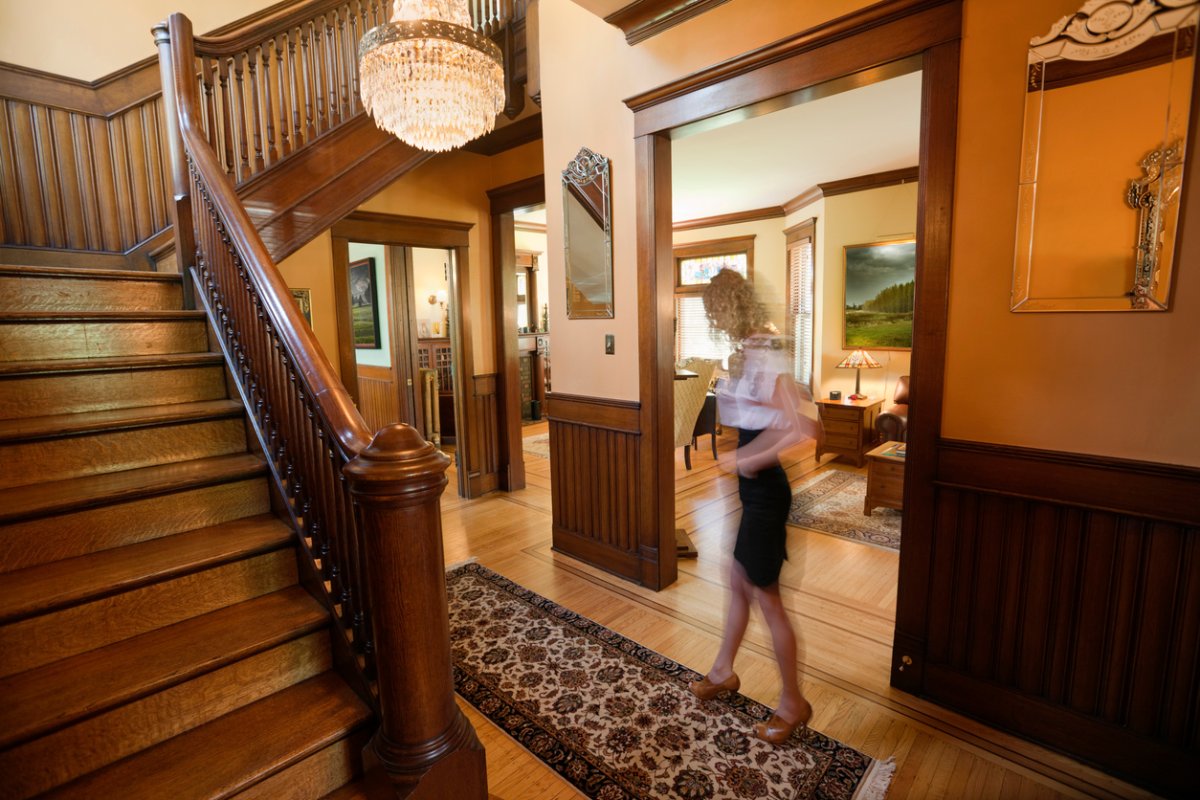
Painting antique woodwork sounds simple until the first brushstroke lands. Then suddenly your innocent weekend project feels like a courtroom drama starring crown molding, shellac, lead paint, and a very judgmental 1912 staircase. Original woodwork is one of the great treasures of an antique home. It can include baseboards, window casings, paneled doors, mantels, wainscoting, stair rails, built-ins, ceiling beams, and trim profiles that nobody at the big-box store can casually reproduce between lunch and aisle 17.
So, is it a good idea to paint an antique home’s original woodwork? The honest answer is: sometimes, but not casually. If the woodwork is high-quality, historically significant, intact, and originally finished with stain, shellac, varnish, wax, or oil, painting it may erase character that took a century to create. If the woodwork is already badly painted, mismatched, damaged, low-grade, or historically intended to be painted, a thoughtful paint job can be reasonable. The trick is knowing which situation you actually have before the roller gets ideas.
The Short Answer: Preserve First, Paint Last
For most antique homes, the safest starting point is preservation. Original woodwork is not just decoration; it is architectural evidence. It tells you how the home was built, what materials were valued, what style was fashionable, and how rooms were meant to feel. Old-growth pine, oak, mahogany, chestnut, walnut, and fir often have grain, density, and patina that modern stock trim struggles to imitate. Once paint fills the pores, softens the edges, and settles into carvings, reversing the decision becomes expensive, messy, and occasionally emotional enough to require snacks.
That does not mean paint is always wrong. Historic homes were not all built for the same budget, taste, or social class. Some early American interiors used painted trim. Some service areas, kitchens, bedrooms, and back halls were originally painted while formal rooms were finished in natural wood. Some Victorian exterior woodwork was painted while interior millwork received clear finishes. In other words, the question is not “Is paint evil?” The better question is: What was this woodwork meant to be, and what will painting do to the house?
Why Original Woodwork Matters So Much
Antique-home woodwork gives a house its bones. Wide baseboards, thick door casings, plinth blocks, rosettes, paneled pocket doors, curved stair rails, and built-in benches create depth and shadow. They make a room feel finished before a single sofa arrives. Paint can still look beautiful, but it changes how those details read. Natural wood emphasizes grain, age, and craftsmanship. Painted trim emphasizes shape, contrast, and color.
That difference matters most in homes where the woodwork is a defining feature. A Craftsman bungalow with quarter-sawn oak trim, a Queen Anne with elaborate stairwork, or a Colonial Revival with consistent stained millwork throughout the first floor may lose much of its identity if everything is coated in bright white. The room may look cleaner in a photo, but cleaner is not always better. A museum is clean. So is a refrigerator. Neither is automatically cozy.
Preserved wood also carries value because it is finite. Once original trim has been replaced or buried under layers of paint, the home loses a piece of its authenticity. Buyers who love old houses often look for intact original details the way birders look for rare warblers: quietly, intensely, and with strong feelings about improper behavior.
Why Homeowners Are Tempted to Paint Antique Woodwork
Let’s be fair to paint. Paint is popular because it solves real design problems quickly. Dark wood trim can make a narrow row house feel heavier. Orange-toned varnish can clash with modern furniture. Rooms with limited natural light may feel gloomy when the walls, floors, and woodwork are all deep brown. A fresh coat of creamy white, warm taupe, muted green, or soft charcoal can brighten a space and make mixed trim look cohesive.
Paint is also a great equalizer when the woodwork is not all the same. Many antique homes have lived several lives. One room may have original oak casing, another may have 1970s replacement trim, and the hallway may feature a mystery species best described as “builder-grade regret.” In those cases, painting secondary spaces can unify the interior without sacrificing the home’s best features.
There is also the lifestyle argument. Not every homeowner wants to live inside a sepia photograph. A historic house is still a home, not a time capsule with a mortgage. If you love color, modern art, patterned wallpaper, or light interiors, you can honor old woodwork without freezing the entire house in 1898. The goal is not to worship every splinter. The goal is to make informed changes.
Historic Accuracy: Was the Wood Originally Painted?
Before deciding, do a little detective work. Look behind switch plates, under hardware, inside closets, behind radiators, at the backs of baseboards, or in protected corners where old finishes may survive. These small clues can reveal whether the wood was stained, varnished, shellacked, grained, faux-finished, or painted from the beginning.
Many late-19th-century and early-20th-century formal interiors used clear finishes to show the beauty of wood. Shellac and varnish were common historic finishes, and both age in recognizable ways. Shellac may darken, craze, or alligator over time, but it can often be refreshed by a knowledgeable finisher. Varnish may become brittle, cloudy, or chipped. Waxed surfaces can look dull but revive with cleaning and careful maintenance.
Painted trim, however, can be historically appropriate in certain rooms and eras. Utilitarian spaces, modest homes, Colonial-era interiors, servants’ areas, and later remodels may legitimately include painted woodwork. The mistake is assuming all antique wood should be stained or all old trim should be white. History, like wallpaper removal, is rarely that tidy.
A Practical Decision Framework
1. Preserve if the woodwork is rare, intact, and central to the architecture
If the trim is original, consistent, high-quality, and visually important, preservation is usually the smarter choice. This includes staircases, mantels, paneled walls, pocket doors, built-in bookcases, beamed ceilings, and first-floor millwork in formal rooms. Instead of painting, consider cleaning, waxing, touching up worn areas, or applying a compatible finish.
2. Restore if the finish is tired but the wood is sound
Dull does not mean doomed. Old woodwork often looks lifeless because of grime, failing shellac, water rings, UV damage, or years of furniture polish build-up. Gentle cleaning, spot repairs, color matching, and refinishing may bring back warmth without stripping the room of character. Start with the least aggressive method. Antique wood is not a cutting board; it does not appreciate being sanded into submission.
3. Paint if the woodwork is already compromised
Painting becomes more defensible when the trim has already been painted many times, when replacement pieces are obvious, when wood quality is low, when surfaces are beyond reasonable restoration, or when a room has no strong historic finish left. Bedrooms, bathrooms, kitchens, mudrooms, and additions are often better candidates than main halls, parlors, dining rooms, and staircases.
4. Pause if lead paint may be involved
Homes built before 1978 may contain lead-based paint. Disturbing old paint through sanding, scraping, heat, or demolition can create hazardous dust. If paint is present, especially on windows, doors, friction surfaces, and trim, testing is essential. Contractors who disturb paint in pre-1978 homes generally need lead-safe certification. This is not the glamorous part of old-house ownership, but neither is poisoning your dust bunnies.
The Risks of Painting Original Woodwork
The biggest risk is permanence. Yes, paint can technically be removed. People also technically climb mountains. That does not mean you should schedule it for Tuesday afternoon. Stripping painted antique trim can require chemical removers, infrared tools, careful scraping, dental-pick-level patience, and extensive cleanup. Carved details, stair spindles, and decorative profiles are especially difficult.
Paint can also hide problems. Moisture damage, small cracks, rot, insect damage, and joint movement may disappear under a smooth surface until they become larger issues. If the wood is not cleaned, repaired, primed, and painted correctly, the finish may chip or peel. Painted woodwork requires maintenance, especially on doors, windows, sills, and high-touch areas.
Another risk is flattening the room. White trim became a default choice in many modern renovations because it photographs well and makes spaces appear brighter. But in antique homes, a white-out approach can erase depth. The better solution may be better lighting, lighter wall colors, reflective decor, restored windows, or a softer stain. Sometimes the trim is not too dark; the room simply has one sad ceiling fixture doing the work of a lighthouse.
Alternatives to Painting Antique Woodwork
If the goal is to lighten the room, try changing the walls first. Warm whites, pale sage, soft blue, dusty rose, muted ocher, or gentle cream can make dark wood feel intentional rather than heavy. Avoid stark white if it creates harsh contrast with amber or reddish wood. Historic interiors often look richer with complex, softened colors.
Improve lighting before blaming the trim. Add sconces, table lamps, picture lights, floor lamps, or brighter bulbs with a warm color temperature. Clean windows, remove heavy drapes, and use mirrors strategically. Many “dark wood problems” are actually “this room has the lighting plan of a root cellar” problems.
Try restoration products and professional touch-ups. A conservator, cabinetmaker, or restoration carpenter may be able to clean, blend, patch, or revive the existing finish. Tinted wax, shellac repair, stain blending, and small epoxy repairs can dramatically improve old trim without covering it.
You can also mix finishes thoughtfully. Preserve the best woodwork in public rooms and paint less significant trim in private rooms. Leave the staircase natural but paint bedroom casings. Keep built-ins stained but paint a later mantel. This approach respects the house while acknowledging that you live in the present, where people own air fryers and need charging stations.
When Painting Antique Woodwork Makes Sense
Painting can be a good idea when research shows the woodwork was originally painted. It can also make sense when the wood is plain, damaged, mismatched, or already buried under old paint. If previous owners installed replacement trim in several species and profiles, a unified paint color can make the room feel calmer.
Paint may also be appropriate in moisture-prone spaces if the wood is properly repaired and protected. Bathrooms, kitchens, laundry rooms, and enclosed porches need finishes that can handle humidity and cleaning. In those rooms, a high-quality enamel or durable trim paint may be practical.
Finally, paint can serve accessibility and livability. A homeowner with low vision may benefit from contrast between walls and trim. A family may need washable surfaces in a heavily used mudroom. Preservation should make a house better, not turn daily life into a velvet-rope tour.
If You Decide to Paint, Do It the Right Way
Start with documentation. Photograph the woodwork before painting, including details, profiles, old finish, hardware, and room context. Future owners may thank you. Your future self may also thank you after wondering, “Was this always painted?” while standing in the hallway with a scraper and existential dread.
Test for lead if the home predates 1978 or if old paint is present. Use lead-safe practices, and hire certified professionals when required. Avoid dry sanding, open-flame burning, uncontrolled power sanding, and aggressive stripping methods that damage historic wood or create hazardous dust.
Clean thoroughly, repair first, and choose compatible materials. Remove grease, wax, dust, loose paint, and failing finish. Fill holes and cracks with appropriate products. Lightly degloss glossy surfaces when safe to do so. Use a bonding primer suitable for previously finished wood, then apply a quality trim paint. Satin, semi-gloss, and enamel finishes are common because they resist wear and clean more easily than flat paint.
Choose color with the home’s era in mind. Antique white is not the only respectable citizen in the paint universe. Deep green, muted blue, warm gray, oxblood, cream, mushroom, soft black, and historic neutrals can look more intentional than refrigerator white. Test samples in daylight and evening light before committing.
Experience Notes from the Old-House Trenches
One common experience among antique-home owners is the “move-in panic.” You get the keys, walk through the front hall, and suddenly every dark baseboard seems to whisper, “I am making this room smaller.” The temptation to paint everything by Sunday is powerful. But after furniture, rugs, lamps, and wall colors arrive, the same woodwork often settles into the design beautifully. Many homeowners who wait three to six months discover that the trim was not the problem. The empty room was.
Another frequent scenario involves the half-painted house. The first floor has gorgeous natural oak, while the upstairs bedrooms have chipped white trim from several generations of weekend warriors. In this case, a mixed approach often works best. Preserve the showpiece wood downstairs and repaint the already-painted upstairs trim in a soft, durable color. The result feels intentional, not like the house lost an argument with a paint sprayer.
Owners of Craftsman homes often report the strongest regret after painting original woodwork. Craftsman interiors were designed around visible joinery, warm wood tones, built-ins, and a handmade feeling. When all of that trim turns white, the house may look brighter, but it can also lose the grounded quality that made it special. A better fix is often lighter walls, better lamps, cleaned windows, and refinished floors.
Victorian homes create a different challenge. Their woodwork can be ornate, dark, and dramatic. In a large house with tall ceilings and generous windows, stained trim can feel grand. In a narrow city row house, the same depth of color may feel heavy. In those spaces, homeowners often succeed by preserving major elements such as stair rails, mantels, and pocket doors while painting simpler secondary trim in a historically sensitive color.
Then there is the “previous owner special”: trim coated in glossy white paint, latex over oil, drips in every groove, and brush marks with the confidence of a raccoon holding a wand. Here, restoration may still be possible, but it may not be practical for every room. Many homeowners choose one hero project, such as stripping a mantel or front staircase, while repainting the rest properly. This balances budget, sanity, and respect for the house.
The most useful lesson from real old-house projects is simple: make reversible choices first. Change the wall color. Improve lighting. Clean the wood. Replace bad curtains. Add rugs. Live with the house through different seasons. Old homes reveal themselves slowly. They creak, shift, glow, and surprise you. Give the woodwork a chance to become part of your life before covering a century of patina with a color called “Cloud Whisper 3000.”
Conclusion: Should You Paint Original Antique Woodwork?
Painting an antique home’s original woodwork is not automatically a crime against architecture, but it is a decision that deserves more thought than a trendy paint reel. If the woodwork is original, rare, intact, and central to the home’s character, preserve or restore it whenever possible. If it is already painted, historically meant to be painted, badly damaged, or mismatched beyond practical repair, painting may be a smart and beautiful solution.
The best approach is to respect the house without becoming trapped by it. Research the original finish, assess the condition, test for lead when appropriate, and consider alternatives before painting. Antique homes are full of personality. The goal is not to erase that personality, but to help it show up to dinner looking its best.