

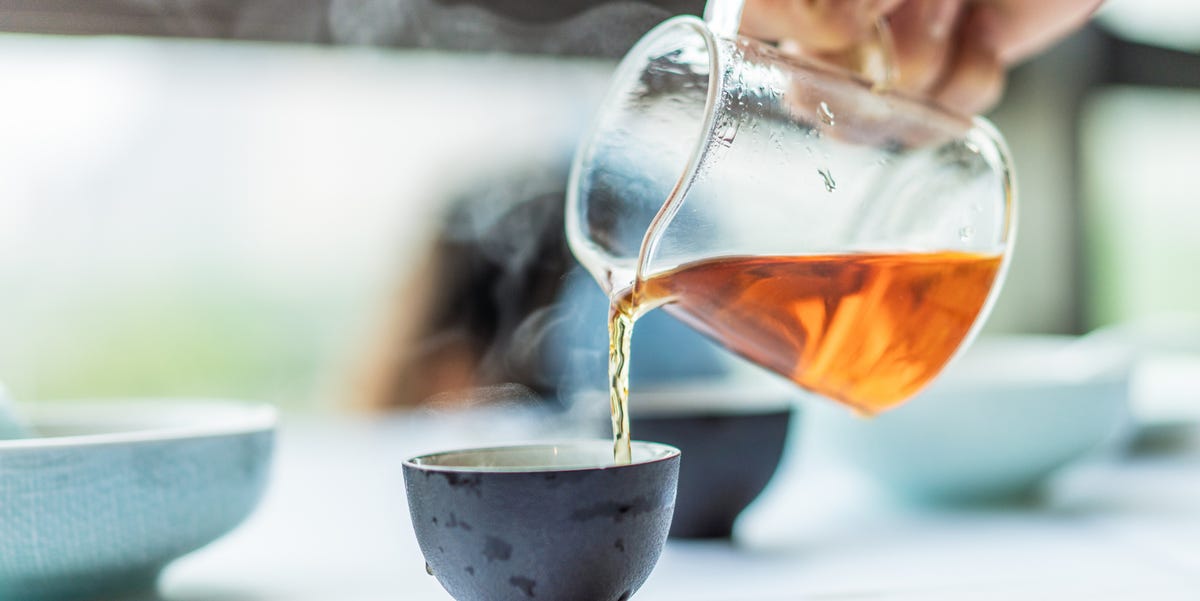
Tea has mastered an impressive trick: it can feel like a tiny luxury while requiring little more than leaves, hot water, and a mug you hopefully remembered to wash. Better yet, choosing unsweetened tea instead of soda, sugary coffee drinks, or other calorie-heavy beverages can be an easy upgrade for your daily routine.
Traditional teas such as green, black, oolong, and white tea all come from Camellia sinensis. What makes them different is largely how the leaves are processed and oxidized. Herbal teas, meanwhile, are technically infusions, or tisanes, made from flowers, roots, herbs, spices, or other plants. Both categories can fit beautifully into a healthy diet.
Traditional tea provides polyphenols, including catechins and flavonoids, compounds studied for antioxidant and cardiovascular effects. Observational research has associated moderate tea drinking with several favorable health outcomes, although drinking tea does not magically cancel out smoking, inactivity, poor sleep, or a nightly appointment with a family-size bag of chips.
So, which cup deserves space in your kitchen cabinet? Here are nine of the best healthy teas to drink, what researchers know about their potential benefits, and how to enjoy them without turning a healthy beverage into liquid dessert.
1. Green Tea: The Antioxidant All-Star
Green tea may be the most famous healthy tea on the planet, and its reputation is not entirely the work of excellent marketing.
Green tea leaves are heated relatively soon after harvesting, limiting oxidation. That process preserves a high concentration of catechins, including epigallocatechin gallate, better known as EGCG.
Potential benefits of green tea
Green tea polyphenols have been extensively studied for their antioxidant and anti-inflammatory properties. Clinical research suggests green tea products may produce small reductions in total and LDL cholesterol, although many trials have evaluated concentrated extracts rather than ordinary brewed tea. Research examining cancer prevention has produced inconsistent results, so green tea should be viewed as a nutritious beverage rather than a cancer treatment.
Green tea also contains caffeine and L-theanine, making it popular when you want a little mental lift without drinking another enormous coffee. Caffeine content varies by product and brewing method, but green tea generally contains less caffeine than black tea and substantially less than typical brewed coffee.
For smoother flavor, use water around 160°F to 180°F rather than vigorously boiling water. Overheated green tea can become impressively bitter, as though the leaves are personally offended.
2. Black Tea: A Heart-Friendly Classic
If green tea is the wellness celebrity, black tea is the hardworking veteran that has quietly been showing up for centuries.
Black tea comes from the same plant as green tea, but its leaves undergo much more oxidation. This creates its darker color, stronger flavor, and compounds known as theaflavins.
Why black tea deserves attention
Black tea provides flavonoids and other polyphenols. Studies of traditional tea consumption have found potentially favorable associations with cardiovascular health, while clinical studies suggest tea may modestly influence certain cardiovascular risk factors. Evidence is promising rather than definitive.
Black tea generally contains more caffeine than green tea. The FDA lists approximately 71 milligrams as a typical amount in 12 ounces of black tea, although actual levels vary greatly according to the tea and brewing method.
Enjoy it plain, with lemon, or with a modest splash of milk. The main nutritional trap is not the tea itself but transforming it into a sugar delivery vehicle. A glass of heavily sweetened iced tea and a cup of unsweetened black tea may share a family name, but nutritionally they are distant cousins.
3. Oolong Tea: The Delicious Middle Ground
Oolong sits between green and black tea in terms of oxidation. Depending on how it is produced, an oolong may taste floral and delicate, rich and roasted, or somewhere wonderfully confusing in the middle.
What makes oolong healthy?
Because oolong comes from Camellia sinensis, it naturally contains polyphenols and caffeine. Its polyphenol profile differs from both green and fully oxidized black tea. Research has explored tea consumption in relation to cardiovascular and metabolic health, although the evidence specifically supporting oolong is smaller than the research base for green and black tea.
That does not make oolong a second-rate choice. An unsweetened oolong is hydrating, extremely low in calories, and flavorful enough that many people find they do not need sweetener.
It is particularly good for people who find green tea too grassy and black tea too strong. Consider it the diplomatic negotiator of the tea cabinet.
4. White Tea: Light Flavor, Plenty of Plant Compounds
White tea is among the least intensely processed traditional teas. It is often produced from young leaves or buds and typically has a delicate, subtly sweet flavor.
Potential benefits of white tea
Like other teas made from Camellia sinensis, white tea contains polyphenols. The specific concentration varies according to the cultivar, growing conditions, processing, storage, and brewing technique. Human research focusing specifically on white tea remains limited, so dramatic claims that it is automatically healthier than every other tea are difficult to justify.
Its practical advantage is simple: people who dislike bitterness may find white tea easier to drink without sugar. And reducing added sugar may matter more to everyday health than obsessing over tiny differences in antioxidant numbers between two perfectly good teas.
5. Ginger Tea: A Warming Choice for Queasy Days
Ginger tea delivers spicy warmth without caffeine, making it a useful option in the morning, afternoon, or evening.
Ginger has a long history of culinary and traditional medicinal use. Modern research has paid particular attention to nausea and vomiting.
Can ginger tea settle your stomach?
Research suggests ginger may help with pregnancy-associated nausea and vomiting, although much of the clinical research has examined standardized ginger supplements rather than an ordinary mug of ginger tea. Evidence for motion sickness, chemotherapy-related nausea, and postoperative nausea is less certain.
That distinction matters. A pleasantly spicy homemade infusion is not automatically equivalent to a precisely measured research supplement.
To make ginger tea, slice fresh ginger and simmer it for roughly 5 to 10 minutes. Lemon can brighten the flavor. A small amount of honey is optional, but there is no medical requirement to pour half the honey bear into your cup.
Ginger can occasionally cause heartburn, abdominal discomfort, diarrhea, or mouth irritation. People taking medications should discuss frequent medicinal use of herbal products with a healthcare professional because interactions are possible.
6. Peppermint Tea: Fresh, Caffeine-Free, and Refreshing
Peppermint tea is the beverage equivalent of opening a window on a cool morning. Its menthol aroma delivers a naturally refreshing sensation, and it contains no caffeine when made purely from peppermint leaves.
What does the evidence show?
Peppermint has traditionally been used for digestive complaints. Clinical evidence is considerably stronger for enteric-coated peppermint oil capsules in people with irritable bowel syndrome than it is for peppermint tea itself. The National Center for Complementary and Integrative Health notes that very little research has examined peppermint leaf, so claims about peppermint tea directly treating digestive disease should be made cautiously.
Still, peppermint tea offers several practical benefits: it is typically caffeine-free, contains virtually no calories without added sweeteners, and can replace sugary evening drinks.
If you experience frequent heartburn or gastroesophageal reflux, pay attention to how peppermint affects you because concentrated peppermint products can worsen reflux symptoms in some people.
7. Chamomile Tea: A Calming Evening Ritual
Chamomile has practically become the official beverage of pajamas.
The flower has traditionally been used for relaxation, anxiety, indigestion, and sleep. Its reputation as a bedtime tea is partly associated with apigenin, a plant compound that interacts with certain receptors in the brain.
Does chamomile tea really improve sleep?
The science is less dramatic than the folklore. Some preliminary evidence suggests chamomile preparations may help anxiety, but reliable clinical evidence for treating insomnia remains limited. That does not mean your evening cup is useless. A warm, caffeine-free beverage can still become a relaxing component of a consistent bedtime routine.
Chamomile tea is considered safe for most people in ordinary food and tea amounts. However, individuals allergic to ragweed, chrysanthemums, marigolds, or daisies may be more likely to react to chamomile. Potential interactions with medications, including warfarin and sedatives, are another reason to mention regular herbal-product use to your healthcare provider.
8. Hibiscus Tea: Tart, Colorful, and Interesting for Blood Pressure
Hibiscus tea looks as if someone melted a ruby into your cup. Its naturally tart, cranberry-like flavor also makes it excellent iced.
Hibiscus and cardiovascular health
Among herbal teas, hibiscus has particularly interesting research involving blood pressure. In one randomized trial involving adults with prehypertension or mild hypertension, three daily servings of hibiscus tea for six weeks reduced systolic blood pressure more than a placebo beverage. A later meta-analysis of randomized trials also found reductions in systolic and diastolic blood pressure, although study designs and preparations varied.
That does not mean hibiscus tea should replace prescribed blood-pressure medication. Think of it as a potentially helpful beverage choice within an overall healthy lifestyle, not a cardiologist in a teacup.
Hibiscus also contains anthocyanins and other antioxidant compounds. Because it can potentially affect blood pressure and interact with medicines, people taking medication should discuss frequent or concentrated hibiscus use with a healthcare professional.
9. Rooibos Tea: The Naturally Caffeine-Free Alternative
Rooibos comes from Aspalathus linearis, a South African plant rather than Camellia sinensis. Its smooth, mildly sweet, slightly earthy flavor makes it a particularly good caffeine-free substitute for black tea.
What are the potential benefits of rooibos?
Rooibos contains plant compounds including flavonoids and the antioxidant aspalathin. A review of human research identified possible favorable effects on antioxidant status, blood lipids, and glucose metabolism, but the total evidence base remains small. Researchers have emphasized the need for larger and better-designed human studies before strong health claims can be made.
The more immediate advantage is that rooibos naturally contains no caffeine. If regular tea makes you stare at the ceiling contemplating every conversation you have had since 2008, rooibos is worth trying after dinner.
Which Tea Is the Healthiest?
There is no universally superior tea. Your best choice depends on what you want from your drink.
- For the most extensively studied tea: Choose green tea.
- For stronger flavor and more caffeine: Try black tea.
- For something between green and black: Pick oolong.
- For a delicate traditional tea: Try white tea.
- For a warming caffeine-free drink: Make ginger tea.
- For a fresh after-dinner beverage: Choose peppermint.
- For your bedtime ritual: Try chamomile.
- For a tart herbal tea with blood-pressure research: Consider hibiscus.
- For a naturally caffeine-free black-tea alternative: Try rooibos.
The healthiest strategy may simply be rotating several unsweetened varieties. Different teas contain different plant compounds, and variety keeps your daily beverage routine from becoming boring.
How to Make Your Tea Habit Healthier
Keep added sugar modest
Plain tea contains few or essentially no calories. Adding several spoonfuls of sugar, flavored syrup, whipped cream, or sweetened condensed milk can dramatically change the nutritional equation. Both Harvard nutrition guidance and the American Heart Association emphasize the advantages of unsweetened tea over heavily sweetened beverages.
Pay attention to caffeine
For most healthy adults, the FDA cites 400 milligrams of caffeine per day as an amount not generally associated with negative effects. Individual sensitivity varies, however. Too much caffeine can contribute to insomnia, anxiety, jitteriness, nausea, and a rapid heartbeat.
Pregnant or breastfeeding people and anyone with certain medical conditions or medications should ask a healthcare professional what caffeine limit is appropriate for them.
Do not drink tea scalding hot
Allow freshly brewed tea to cool before drinking it. Research summarized by Harvard has linked habitual consumption of very hot beverages with increased risk of esophageal injury and cancer, with temperature rather than tea itself appearing to be the concern.
Be careful with herbal interactions
“Natural” does not automatically mean pharmacologically inactive. Ginger, chamomile, hibiscus, green tea extracts, and other herbal products can interact with medications or may be inappropriate in particular medical situations. Tea used as a normal beverage is generally less concentrated than an extract or supplement, but people taking prescription medications should still ask their healthcare provider about significant herbal-product use.
Real-Life Experience: Building a Healthy Tea Routine That Actually Lasts
The biggest lesson when experimenting with healthy teas is that the “best” tea on paper is useless if you hate drinking it. Wellness routines have a funny habit of failing when they require daily suffering.
A practical approach is to match tea to different moments of the day instead of forcing one variety into every situation.
Morning: Start with green or black tea
Green tea works particularly well on mornings when you want moderate caffeine without the intensity of a large coffee. Its lighter flavor also pairs naturally with breakfast.
Black tea makes more sense when you need something stronger. A robust English breakfast-style tea can be satisfying enough that you do not feel tempted to visit a coffee shop and accidentally purchase a beverage containing coffee, caramel, whipped cream, cookies, three syrups, and possibly a small mortgage.
The easiest way to keep either option healthy is to begin drinking it with progressively less sugar. Taste buds adapt. If you normally use two teaspoons, try one and a half for a week, then one, then half. Eventually, good tea begins to taste interesting on its own.
Afternoon: Oolong and white tea keep things interesting
Afternoon is where variety becomes useful. Oolong provides enough character to feel different from the morning cup, especially if you explore roasted, floral, or lightly oxidized varieties.
White tea works when you want something gentler. Because its flavor can be subtle, brewing technique matters. Using slightly cooler water and resisting the temptation to steep it into oblivion usually creates a smoother drink.
This also demonstrates an important point about healthy eating in general: enjoyment matters. A sustainable habit beats an “optimal” habit you abandon after four heroic days.
After meals: Try ginger or peppermint
A fresh ginger infusion after a heavy meal can feel warming and refreshing. Thin slices produce a mild tea; grated ginger creates a drink with considerably more attitude. Lemon adds acidity and freshness without adding sugar.
Peppermint is another convenient after-meal option, especially if you want something that tastes clean and naturally caffeine-free. Just remember that evidence for peppermint tea itself is limited compared with research on standardized peppermint oil preparations.
Evening: Replace the dessert drink
Evening beverages are an underrated source of calories. Sweet cocoa, sugary milk tea, soda, and café-style drinks can quietly add hundreds of calories.
This is where chamomile and rooibos become useful. Neither requires caffeine to be enjoyable, and rooibos has enough natural sweetness that many people drink it plain. Add cinnamon or a strip of orange peel if you want a more dessert-like aroma without turning the mug into candy.
Chamomile works particularly well as a ritual. Brewing a cup at roughly the same time each evening can become a behavioral signal that the day is winding down. The ritual may be more valuable than expecting chamomile itself to function like a sleeping pill.
Summer: Hibiscus makes healthy iced tea easy
One of the easiest ways to replace sweetened bottled drinks is to brew hibiscus tea in a pitcher, cool it, and keep it in the refrigerator.
Its bright red color and naturally tart flavor give iced hibiscus more personality than plain water. Add lemon, orange slices, mint, or frozen berries. If you need sweetness, add only enough to soften the tartness rather than trying to make the drink taste like fruit punch.
Batch brewing also makes healthy choices automatic. When cold unsweetened tea is already waiting in the refrigerator, reaching for it requires no additional willpower.
The most useful lesson: tea is a replacement, not a miracle
Perhaps the most realistic benefit of developing a tea habit is not some exotic antioxidant effect. It is what tea can replace.
If two cups of unsweetened tea replace two cans of sugary soda every day, the nutritional impact can become meaningful over time. If chamomile replaces a caffeinated drink before bed, sleep may benefit indirectly. If iced hibiscus replaces a syrup-loaded café beverage, you reduce added sugar without feeling sentenced to a lifetime of plain water.
That is where tea earns its place in a healthy lifestyle: not as medicine disguised in a mug, but as an enjoyable beverage that makes healthier choices surprisingly easy.
Conclusion
The best healthy teas offer more than a cozy mug. Green, black, oolong, and white teas provide polyphenols and varying amounts of caffeine, while ginger, peppermint, chamomile, hibiscus, and rooibos offer flavorful caffeine-free alternatives with different areas of emerging research.
Green tea has one of the strongest research profiles, black tea is an excellent everyday option, and hibiscus has intriguing evidence related to blood pressure. Ginger may be useful for certain types of nausea, while peppermint, chamomile, and rooibos are particularly convenient when you want to avoid caffeine. Still, no tea should be treated as a substitute for prescribed medication or professional medical care.
The winning formula is wonderfully uncomplicated: choose a tea you genuinely enjoy, brew it properly, limit added sugar, pay attention to caffeine, and drink it at a comfortable temperature. Do that consistently, and your tea cabinet may become one of the easiest healthy upgrades in your kitchen.
Note: This article provides general nutrition information and is not a substitute for individualized medical advice. People who are pregnant, breastfeeding, managing a health condition, or taking medications should discuss significant herbal-tea or supplement use with a qualified healthcare professional.