

Air travel has a special talent for making perfectly reasonable people behave like they are competing in an obstacle course designed by a sleep-deprived raccoon. There are liquids to measure, chargers to relocate, seat assignments to decode, and that one person in the boarding area who somehow packed a full-size pillow, three tote bags, and the emotional weight of the entire terminal.
But flight attendants see the whole show every day. They know which passengers glide through the airport like calm travel wizards and which ones arrive at the gate sweating, arguing with a suitcase zipper, and wondering why their shampoo is now a security issue. The difference usually comes down to preparationnot expensive luggage, not elite status, and definitely not wearing sunglasses indoors.
These 16 travel hacks and flight attendant secrets are designed to make flying smoother, smarter, and far less dramatic. Whether you are taking a quick domestic trip, a long-haul international flight, or a family vacation that already feels like a group project, these practical tips can help you save time, protect your essentials, avoid common airport mistakes, and land feeling like a functioning human.
Why Flight Attendant Travel Hacks Actually Work
Flight attendants do not pack like casual travelers because they cannot afford to. They live out of bags, move through airports constantly, sleep in unfamiliar hotels, and deal with delays, turbulence, tight connections, and confused passengers as part of the job. Their best travel advice is not theoretical. It is built from thousands of flights, hundreds of hotel rooms, and a deep understanding of how quickly small mistakes can turn into big headaches.
The best part? Most of these travel tips cost little or nothing. They are about systems: what to keep within reach, how to pack your carry-on, when to ask for help, and how to move through the airport with fewer surprises. Think of this as your pre-flight briefing, minus the tiny demonstration seat belt.
16 Flight Attendant Travel Hacks And Secrets
1. Keep Your “Must-Survive” Items In Your Personal Bag
The number one flight attendant rule is simple: anything you truly need should not go in a checked bag. That includes medication, ID, passport, wallet, phone, charger, glasses, contact lenses, house keys, basic toiletries, and one change of clothes. Checked bags are usually fineuntil they are not. A delayed suitcase is annoying. A delayed suitcase containing your prescription, phone charger, and only pair of underwear is a personal weather event.
Pack a small “survival pouch” inside your personal item. Use it for essentials you would need if your checked bag took a spontaneous vacation without you. This is especially useful for long flights, layovers, cruises, weddings, business trips, and any journey where arriving empty-handed would be a problem.
2. Treat Your Under-Seat Bag Like A Mini Command Center
Your carry-on might go in the overhead bin, but your personal item stays close. Flight attendants recommend organizing it like a command center, not a mystery cave. Put your phone, headphones, snacks, sanitizer, lip balm, water bottle, travel documents, pen, and charging cable where you can grab them without unbuckling, climbing over strangers, or performing yoga in economy class.
Use small pouches by category: tech, health, documents, snacks, and comfort. When everything has a home, you will not have to dig through receipts, gum wrappers, and that one mysterious cable you have owned since 2018.
3. Pack Liquids Like Security Is WatchingBecause It Is
For U.S. airport security, carry-on liquids, gels, creams, aerosols, and pastes generally need to fit the familiar 3-1-1 format: travel-size containers in a quart-size bag. The mistake many travelers make is bringing a large container that is almost empty. Security usually cares about the container size, not your optimistic claim that “there’s barely anything left.”
Flight attendant trick: build a permanent toiletry kit with small refillable bottles, a toothbrush, deodorant, toothpaste, moisturizer, and any personal basics. After each trip, refill it before putting it away. Future-you will be grateful, especially at 5 a.m. when your brain is operating on airport coffee and vibes.
4. Never Check Spare Lithium Batteries Or Power Banks
Portable chargers are travel lifesavers, but they belong in your carry-on or personal itemnot in checked luggage. Spare lithium batteries and power banks should stay in the cabin where crew members can respond quickly if something overheats. If your carry-on gets gate-checked, remove power banks and spare batteries before handing it over.
A simple system helps: keep all battery-powered extras in one tech pouch. Include your power bank, charging cords, wall adapter, earbuds, and any spare camera batteries. Protect battery terminals and avoid loose batteries rolling around in your bag like tiny electrical marbles.
5. Wear Your Bulkiest Items Instead Of Packing Them
Flight attendants are masters of packing light because they know luggage space is precious. One of the easiest hacks is to wear your bulkiest shoes, jacket, sweater, or hoodie on travel day. Your suitcase should carry the smaller, softer, more flexible items. Your body can carry the puffer jacket. Congratulations, you are now a walking compression cube.
This tip is especially helpful for winter trips, city breaks, and budget airline flights with strict baggage limits. If you get warm, use the jacket as a pillow, lumbar support, or lap blanket. A bulky coat inside a suitcase is a space thief. A bulky coat on your body is strategy.
6. Use Packing Cubes, But Do Not Let Them Bully You
Packing cubes are popular for a reason: they organize clothes, compress soft items, and make hotel unpacking easier. But flight attendants know the secret is not buying twelve cubes and pretending you are opening a tiny fabric warehouse. The trick is assigning each cube a purpose.
Use one cube for tops, one for bottoms, one for underwear and socks, and one for sleepwear or workout clothes. For short trips, try packing by outfit instead of category. That way, you can pull out one cube and know exactly what you are wearing without turning your suitcase into a laundry avalanche.
7. Build A Travel Capsule Wardrobe
A capsule wardrobe means packing clothes that mix and match easily. Flight attendants often stick with neutral layers, comfortable basics, and pieces that can work in more than one setting. Instead of packing seven “maybe” outfits, pack items that all cooperate with each other like polite adults.
A smart formula is three tops, two bottoms, one dressier layer, one comfortable travel outfit, and shoes that match almost everything. Add accessories if you want variety without bulk. The goal is not to win a fashion reality show. It is to avoid paying baggage fees because you packed five outfits for imaginary events that never happened.
8. Put A Change Of Clothes In Your Carry-On
Even if you check luggage, pack one clean outfit in your carry-on. Choose something simple: underwear, socks, a lightweight shirt, and comfortable bottoms. If your checked bag is delayed, you can still shower, change, and face the next day with dignity.
This matters most when traveling for weddings, cruises, conferences, or international trips. For special events, keep the irreplaceable outfit with you if possible. A suitcase can be replaced. Showing up to a beach wedding in airplane jeans and panic is less ideal.
9. Choose The Aisle Seat If You Like Control
Window seats are great for views and naps. Aisle seats are better for movement, bathroom access, and quick exits after landing. Flight attendants often suggest aisle seats for travelers who get restless, drink lots of water, have tight connections, or want to move around on longer flights.
On flights longer than a few hours, standing, stretching, and moving your legs can help you feel better. Even small movements like ankle circles, heel raises, and calf flexes are better than sitting frozen for hours like a carry-on with a pulse.
10. Keep Your Seat Belt Buckled Even When The Sign Is Off
One of the most important flight attendant secrets is also one of the simplest: keep your seat belt fastened whenever you are seated. Turbulence can happen unexpectedly, even during a calm-looking flight. You do not need to cinch it like you are preparing for launch into space. Just keep it low, snug, and visible over your blanket.
Flight attendants appreciate this because they can quickly see you are safely buckled. You will appreciate it if the aircraft hits sudden bumps while you are half asleep and dreaming about airport pretzels.
11. Bring Your Own Water Bottle And Snacks
Flights are unpredictable. Delays happen. Catering changes. Airport restaurants close early. Your “quick connection” can become a three-hour gate campout with one vending machine and a suspicious tuna sandwich.
Bring an empty reusable water bottle and fill it after security. Pack snacks that do not crush easily or offend the entire row. Good options include protein bars, trail mix, crackers, dried fruit, pretzels, or sandwiches for longer travel days. Avoid anything aggressively aromatic unless your goal is to become the villain of row 23.
12. Download The Airline App Before You Leave Home
The airline app can be more useful than the airport screen, especially during delays or gate changes. It can show boarding passes, baggage tracking, seat maps, upgrade lists, rebooking options, and real-time alerts. Download it before heading to the airport, while your Wi-Fi is reliable and your stress level is still socially acceptable.
Also save screenshots of your boarding pass, confirmation number, hotel address, and important travel documents. Apps can glitch. Batteries can die. Airport Wi-Fi can behave like it has unresolved personal issues. Screenshots are boring until they save the day.
13. Know Your Passenger Rights Before Something Goes Wrong
Flight attendants cannot rewrite airline policy from the galley, but experienced travelers know that understanding basic passenger rights helps during delays, cancellations, lost bags, or service failures. In the United States, refund rules may apply when flights are canceled or significantly changed and you do not accept the alternative offered. Airlines also have their own policies for meals, hotels, and rebooking during controllable disruptions.
The practical hack is to document everything. Save boarding passes, receipts, delay notifications, baggage claim numbers, and screenshots from the airline app. If you need to request reimbursement or a refund, calm documentation beats angry typing every time.
14. Check Your ID Before Travel Day
For U.S. domestic flights, adult travelers need acceptable identification at the security checkpoint, such as a REAL ID-compliant license or another approved form of ID like a passport. Do not discover your ID problem while standing in the security line with one shoe untied and a latte cooling in your hand.
Before your trip, check that your name matches your reservation, your ID is not expired, and your passport has enough validity for your destination. International travelers should also check visa or entry requirements well ahead of time. “I thought my cousin said it was fine” is not a border-control strategy.
15. Make Your Hotel Room Safer In The First Five Minutes
Flight attendants spend plenty of nights in hotels, so they tend to develop quick room-check routines. When you enter, keep the door open or propped while you inspect the room. Check the bathroom, closet, behind curtains, and any connecting door. Make sure locks work, locate the nearest exit, and avoid announcing your room number out loud.
Bring a small doorstop alarm or portable door lock if it is allowed where you are staying. Even simple habits help: keep valuables out of sight, use the deadbolt, and trust your instincts if something feels off. The goal is not paranoia. It is arriving tired and still making smart choices.
16. Be Nice To The CrewIt Actually Helps
This may be the most underrated travel hack of all. Flight attendants are safety professionals first, but they are also human beings managing a metal tube full of needs, nerves, delays, and beverage preferences. A little kindness goes a long way.
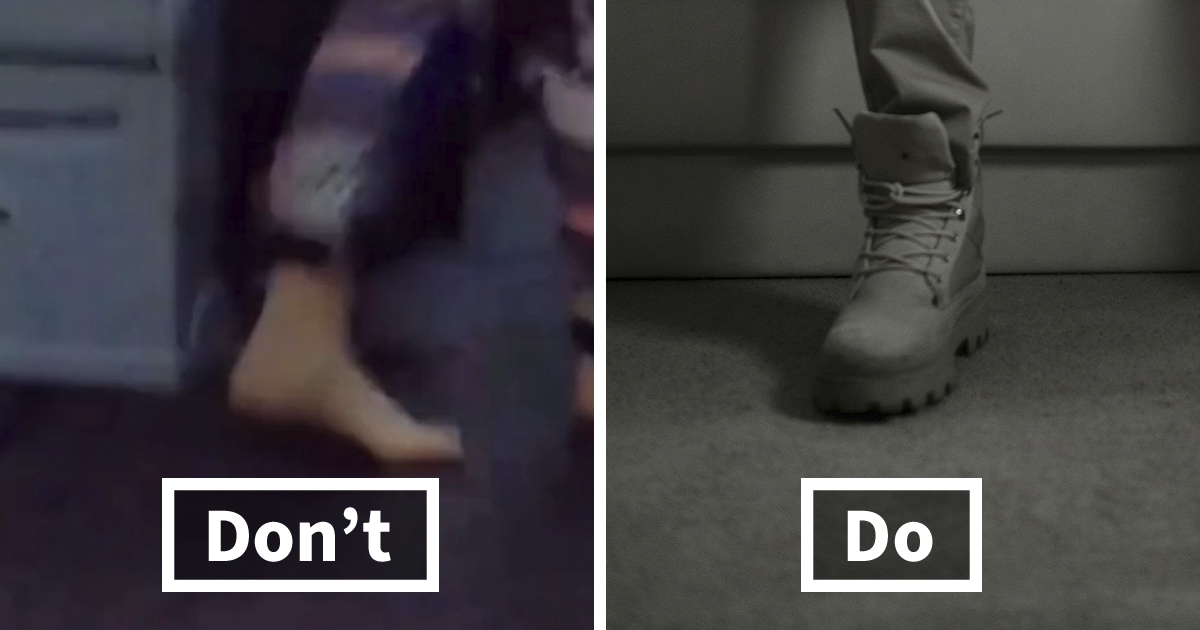
Say hello when boarding. Listen to instructions. Do not poke crew members to get attention. Use headphones. Keep shoes on when walking around. Hand trash over when they collect it instead of building a tiny landfill in your seat pocket. Being polite will not magically create an empty first-class seat, but it can make the whole flight smoother for everyoneincluding you.
Extra Travel Secrets Flight Attendants Wish More Passengers Knew
Boarding Early Is Not Always A Victory
Many travelers rush to board as soon as their group is called, but boarding early is mainly useful if you need overhead bin space. If you have only a personal item and an assigned seat, waiting a little can mean less time sitting on the plane before takeoff. Families, travelers with mobility needs, and passengers with tight carry-on storage concerns may benefit from early boarding. Everyone else can relax unless the gate area has turned into a competitive luggage parade.
The Seat Pocket Is Not A Safe Storage Drawer
Seat pockets are convenient, but they are also where phones, passports, earbuds, and wallets go to disappear. Use them carefully. If you put something important there, set a reminder before landing or attach it to something larger. Even better, keep valuables in a zippered pouch in your personal bag.
The Galley Is Not A Lounge
Stretching during long flights is smart, but standing in the galley for long periods can block crew workspace. If you need to move, walk the aisle when it is safe, stretch briefly, and return to your seat. Flight attendants are happy you are taking care of your circulation. They are less thrilled when someone turns their workspace into a social club with socks.
Common Travel Mistakes That Make Flying Harder
The biggest travel mistakes are usually small choices that stack up. Overpacking makes every airport feel longer. Forgetting snacks makes delays more miserable. Putting medication in checked luggage creates unnecessary risk. Not checking ID requirements can derail a trip before it starts. Ignoring seat belt guidance can turn turbulence into an injury. None of these mistakes are glamorous, but they are common.
A smoother trip starts with a simple question: “What would make this easier if something goes wrong?” If the flight is delayed, you want snacks, water, chargers, and patience. If the bag is lost, you want clothes and essentials. If the airport is crowded, you want documents ready. If turbulence hits, you want to already be buckled. Travel confidence is not about controlling everything. It is about preparing for the most predictable chaos.
Quick Pre-Flight Checklist
- Confirm your flight time, airport, terminal, and gate before leaving home.
- Check that your ID or passport is valid and matches your ticket name.
- Pack medications, chargers, valuables, and documents in your personal bag.
- Keep liquids in travel-size containers and easy to access for screening.
- Move power banks and spare lithium batteries into your carry-on.
- Download your airline app and save screenshots of key travel details.
- Bring an empty water bottle and practical snacks.
- Wear comfortable layers and your bulkiest shoes or jacket.
- Keep your seat belt buckled whenever seated.
- Stay calm, kind, and flexible when plans change.
Conclusion: Travel Smarter, Not Harder
Travel will probably never be completely hassle-free. Airports are busy, planes are full, weather changes, and someone will always try to board with a bag that looks like it contains a small refrigerator. But these flight attendant travel hacks can make the entire experience easier, from packing at home to landing at your destination.
The secret is preparation without overcomplication. Keep essentials close, pack lighter, understand the rules, move your body, stay hydrated, protect your documents, and treat airline crews with respect. You do not need to travel like a celebrity. You just need to travel like someone who knows where their charger is.
Bonus Experience Notes: What These Travel Hacks Feel Like In Real Life
The real magic of flight attendant travel advice shows up when the day does not go perfectly. Imagine arriving at the airport and seeing a long security line. Instead of panicking, you already have your ID ready, your liquids organized, and your laptop or electronics easy to reach if needed. You are not digging through your bag while the person behind you sighs dramatically enough to qualify for theater school.
Then your flight gets delayed. Annoying? Absolutely. Trip-ending? Not necessarily. You have a full water bottle, snacks, a charged phone, a power bank in your personal bag, and the airline app ready with updates. While other travelers crowd the gate desk asking the same question in six different tones of despair, you can calmly check your options and save screenshots. That is not luck. That is preparation wearing comfortable shoes.
On board, the same habits keep paying off. Your headphones are within reach. Your hoodie becomes a pillow. Your snacks prevent the kind of hunger that makes a $14 airport muffin seem like a reasonable life choice. Your seat belt stays buckled over your blanket, so when the aircraft hits a rough patch of turbulence, you are startled but safe. Your under-seat bag is organized, so you are not wrestling with the overhead bin every time you need lip balm.
The packing hacks also matter after landing. If your checked bag arrives with you, wonderful. If it does not, you still have a clean shirt, underwear, medication, chargers, and basic toiletries. You can go to the hotel, freshen up, and continue the trip without feeling like your suitcase has taken your personality hostage. This is why flight attendants are so serious about carry-on essentials. They have seen too many people learn the hard way.
At the hotel, a quick room check becomes second nature. You verify the locks, locate the exit, check the bathroom and closet, and keep your room number private. It takes minutes, but it gives you peace of mind. Then, instead of dumping your suitcase everywhere, packing cubes help you find what you need quickly. Your clothes still match because you packed a capsule wardrobe, not a suitcase full of unrelated fashion emergencies.
The biggest lesson is that good travel habits reduce decision fatigue. When your systems are simple, you do not have to rethink everything on every trip. Your toiletry kit is already stocked. Your tech pouch is ready. Your document checklist is familiar. Your airport outfit is comfortable. Your snacks are packed. The result is not just a lighter bag; it is a lighter mood.
That is why flight attendant secrets are so useful for everyday travelers. They are not about being fancy. They are about staying practical when travel gets messy. A smooth trip is often just a collection of small smart choices made before the chaos begins.