

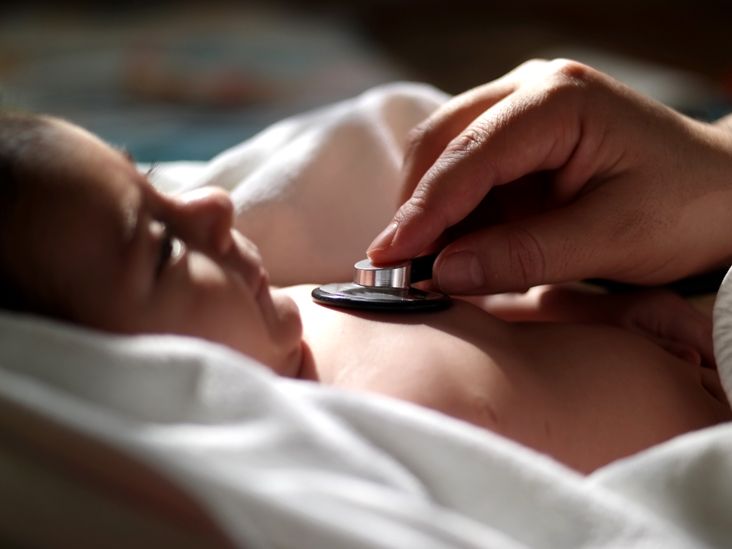
Pyridoxine-dependent epilepsy is a rare genetic disorder in which seizures are controlled by pharmacologic doses of pyridoxine, a form of vitamin B6. That description sounds wonderfully straightforwardgive the vitamin, stop the seizures, cue the happy endingbut the full story is more complicated. Early diagnosis, lifelong treatment, metabolic management, developmental support, and careful follow-up can all influence a person’s outcome.
Most confirmed cases are caused by changes in the ALDH7A1 gene. The preferred medical name is therefore pyridoxine-dependent epilepsy due to ALDH7A1 deficiency, or PDE-ALDH7A1. Understanding how the condition works helps explain why ordinary antiseizure medications may struggle and why a familiar vitamin can become essential medicine.
What is pyridoxine-dependent epilepsy?
Pyridoxine-dependent epilepsy is a rare inherited metabolic epilepsy. Seizures often begin before birth, during the newborn period, or in early infancy. They may be prolonged, frequent, or resistant to conventional antiseizure medications. When appropriate pyridoxine treatment is given, however, seizure activity may improve dramatically.
The word dependent matters. A person with PDE-ALDH7A1 is not simply short of vitamin B6 because of an inadequate diet. The underlying metabolic defect interferes with the availability of pyridoxal 5′-phosphate, or PLP, the active form of vitamin B6 used in neurotransmitter production and many other chemical reactions. Pharmacologic pyridoxine helps overcome that interference.
Treatment is generally lifelong. If pyridoxine is stopped, seizures can return, sometimes within days. In other words, this is not the sort of vitamin one can remember whenever the bottle happens to make eye contact from the kitchen counter.
What causes pyridoxine-dependent epilepsy?
Changes in the ALDH7A1 gene
Most classic cases result from disease-causing variants in both copies of the ALDH7A1 gene. This gene supplies instructions for making alpha-aminoadipic semialdehyde dehydrogenase, also called antiquitin. The enzyme participates in the breakdown of lysine, an amino acid found in dietary protein and normal body tissues.
When antiquitin does not function correctly, substances including alpha-aminoadipic semialdehyde (α-AASA) and piperideine-6-carboxylate (P6C) accumulate. P6C binds to and inactivates PLP. Because PLP is needed to make and regulate several neurotransmitters, losing too much of it can disrupt electrical stability in the brain and contribute to seizures.
This biochemical chain reaction explains why pyridoxine is effective: the body converts pyridoxine into active vitamin B6 compounds, helping replenish the PLP being inactivated. It also explains why pyridoxine may control seizures without completely correcting the metabolic disturbance.
Autosomal recessive inheritance
PDE-ALDH7A1 follows an autosomal recessive inheritance pattern. An affected person usually inherits one altered ALDH7A1 copy from each parent. The parents are typically healthy carriers because their remaining working copy supplies enough enzyme activity to prevent symptoms.
When both parents carry a disease-causing variant, each pregnancy has:
- A 25% chance that the child will have PDE-ALDH7A1
- A 50% chance that the child will be an unaffected carrier
- A 25% chance that the child will inherit neither familial variant
These probabilities restart with every pregnancy. Genetics does not keep a scoreboard and declare that a family has already “used” its 25% chance. Genetic counseling can help families understand carrier testing, prenatal testing, and preimplantation genetic testing options.
Symptoms and seizure patterns
The classic presentation begins in the newborn period with seizures that are difficult to control. Some babies may have abnormal movements before birth. After delivery, symptoms can include irritability, poor feeding, altered muscle tone, breathing problems, repeated convulsions, or status epilepticusa seizure or series of seizures that does not stop normally.
PDE-ALDH7A1 does not always follow a tidy textbook script. Possible seizure types include:
- Tonic-clonic seizures with stiffening and rhythmic jerking
- Focal seizures affecting one area or side of the body
- Myoclonic seizures involving brief, shock-like jerks
- Epileptic spasms
- Prolonged or repeated seizures
- Subtle episodes involving eye movements, facial twitching, or changes in responsiveness
Atypical cases may begin later, occasionally between late infancy and about age 3. Seizures may initially respond to standard medication, disappear for a time, or fail to show an immediate response during the first pyridoxine trial. These variations can delay recognition.
Developmental and neurological concerns
Many children experience developmental delays, learning difficulties, intellectual disability, speech or motor challenges, low muscle tone, or coordination problems. Brain imaging may be normal, but some patients have structural findings such as thinning of the corpus callosum or other developmental differences.
Seizure control is only part of the picture. Toxic lysine metabolites and early disturbances in brain development may continue to affect neurological outcomes even when pyridoxine successfully prevents seizures. That is why modern care increasingly combines vitamin treatment with strategies that reduce lysine exposure.
How doctors diagnose PDE-ALDH7A1
A supervised pyridoxine trial
Doctors may consider PDE when a newborn or infant has unexplained seizures that do not respond as expected to conventional antiseizure drugs. Pyridoxine may be administered while the child’s heart rate, breathing, blood pressure, oxygen level, and electroencephalogram (EEG) are monitored.
Intravenous pyridoxine can cause severe sleepiness, breathing suppression, apnea, or cardiovascular depression, particularly when seizures stop abruptly. The diagnostic trial therefore belongs in a hospital with respiratory support immediately availablenot in the supplement aisle between the gummy vitamins and protein powder.
A clear clinical and EEG response supports the diagnosis, but response alone is not definitive. Other genetic epilepsies may also improve with vitamin B6, while some people with PDE-ALDH7A1 do not respond instantly.
Biochemical testing
Urine or blood testing can identify elevated α-AASA and related lysine metabolites. P6C and pipecolic acid may also be measured. Newer biomarkers, including 6-oxo-pipecolate and 2-oxopropylpiperidine-2-carboxylic acid, are more stable in collected samples and may eventually support broader newborn-screening strategies.
Biomarker results require expert interpretation. For example, α-AASA can also be elevated in certain other metabolic disorders. Samples may need special collection, storage, and transportation procedures.
Genetic confirmation
The diagnosis is usually confirmed by finding pathogenic or likely pathogenic variants in both copies of ALDH7A1. Testing may use a targeted gene test, an epilepsy gene panel, exome sequencing, or genome sequencing. If routine sequencing identifies only one variant despite strong biochemical evidence, clinicians may look for deletions, duplications, or deep intronic changes that basic testing can miss.
Testing may also evaluate genes responsible for similar vitamin B6-responsive epilepsies, including PNPO and PLPBP. These conditions overlap clinically but may require a different form of vitamin B6 or a modified treatment plan.
Treatment for pyridoxine-dependent epilepsy
Lifelong pyridoxine therapy
Pyridoxine is the essential treatment for PDE-ALDH7A1. International guidance describes age- and weight-based pharmacologic dosing, with defined daily maximums. The treating neurologist or metabolic specialist must calculate and adjust the dose; an over-the-counter label is not a personalized prescription.
Some patients also need conventional antiseizure medication, especially during the diagnostic period or when seizures remain incompletely controlled. Once pyridoxine is working, clinicians can often reduce or discontinue other antiseizure drugs gradually. Medication should never be stopped abruptly without medical direction.
Illnesses such as fever, respiratory infection, vomiting, or diarrhea may increase seizure risk. A specialist may prescribe a temporary “sick-day” pyridoxine plan. Families should obtain written instructions in advance instead of trying to negotiate with a medication bottle at 2 a.m.
Lysine-reduction therapy
Pyridoxine controls the vitamin-related consequence of the disorder but does not repair the blocked lysine pathway. Lysine-reduction therapy aims to decrease production and brain entry of potentially neurotoxic metabolites.
Management may include:
- A lysine-restricted diet: A carefully designed medical diet limits lysine while providing enough protein and nutrients for healthy growth.
- L-arginine supplementation: Arginine competes with lysine for transport across certain tissues and may reduce the amount of lysine entering the brain.
- Triple therapy: Pyridoxine, a lysine-restricted diet, and arginine supplementation may be used together.
Research suggests that starting lysine-reduction therapy earlyparticularly during infancymay improve developmental outcomes, although the evidence comes largely from observational studies because the disorder is extremely rare. The diet should be supervised by a metabolic physician and registered dietitian. Restricting protein without professional planning can impair growth and create nutritional deficiencies.
Developmental therapies and ongoing monitoring
Comprehensive care may involve physical therapy, occupational therapy, speech-language therapy, behavioral care, neuropsychological testing, and individualized educational support. Early intervention should begin when concerns appear; there is little benefit in waiting for a delay to become more obvious.
Follow-up commonly evaluates seizure control, growth, nutrition, development, school performance, medication adherence, and biochemical markers. Clinicians also watch for sensory neuropathy from excessive vitamin B6 exposure. Warning signs can include tingling, numbness, altered reflexes, poor balance, or an unusual gait.
Outlook and life expectancy
The outlook for seizure control is often favorable when PDE-ALDH7A1 is recognized and treated. Many patients become seizure-free with continuous pyridoxine, sometimes without additional antiseizure medication. Delayed doses, prolonged vomiting, treatment interruption, or acute illness can still trigger breakthrough seizures.
Developmental outcomes vary considerably. Some children have typical or mildly affected development, while others experience persistent intellectual, language, behavioral, or motor disabilities despite excellent seizure control. Earlier diagnosis and the early addition of lysine-reduction therapy appear promising, but treatment cannot reverse every prenatal or early neurological effect of the disorder.
Reliable life-expectancy estimates are limited because PDE is rare and long-term studies remain relatively small. The condition is compatible with survival into adulthood, especially when treatment is maintained. Adult care should continue to address medication safety, independence, education, employment, reproductive planning, and the transition from pediatric specialists.
Living with PDE-ALDH7A1: Composite care experiences
The following approximately 500-word section uses fictional composite situations based on commonly reported care challenges. It does not describe or quote specific patients.
The diagnosis may arrive after a frightening beginning
Imagine parents watching their newborn experience repeated seizures while several medications seem to make little difference. The neonatal intensive care unit is filled with alarms, unfamiliar abbreviations, and clinicians moving at impressive speed. When a monitored pyridoxine dose finally quiets both the visible seizures and abnormal EEG activity, relief may arrive beside a new collection of questions: Why did this happen? Will it return? Did we pass this condition to our baby?
Genetic and biochemical confirmation can turn a dramatic treatment response into a clearer plan. Parents often learn that they did not cause the disorder through anything they ate, did, or failed to notice during pregnancy. Both parents may simply carry an altered gene without knowing ita fact that genetics can explain much more effectively than guilt ever will.
Medication becomes part of the family choreography
At home, pyridoxine may become as routine as diaper changes, toothbrushing, or locating the one stuffed animal without which sleep is apparently prohibited. Families may use phone alarms, prefilled organizers, school medication forms, backup supplies, and written emergency instructions. The goal is not perfection through heroic memory; it is a system that still works on chaotic mornings.
Travel requires extra planning. Medication is usually packed in carry-on luggage, along with copies of prescriptions and an emergency letter. Caregivers, teachers, and school nurses need to understand that pyridoxine is essential treatment rather than an optional wellness supplement. If vomiting or fever interferes with a dose, families follow the specialist’s sick-day protocol and know when to seek emergency help.
A medical diet can reshape ordinary meals
When lysine restriction is recommended, grocery shopping may temporarily feel like a biochemistry examination held under fluorescent lighting. Families learn how much natural protein a child needs, how to measure portions, and how prescribed medical foods fit into the day. Birthday parties and restaurant meals require planning, but they do not have to disappear.
A metabolic dietitian can translate laboratory targets into practical meals, monitor growth, and help prevent excessive restriction. Over time, many families develop a workable rhythm: approved snacks at school, familiar recipes at home, and backup food for outings. The plan becomes less like a daily pop quiz and more like a routine with occasional homework.
Seizure freedom does not end developmental care
A child may stop having seizures yet need help with speech, coordination, attention, learning, or behavior. This can confuse relatives who assume that successful seizure treatment means every neurological concern should vanish. Families may need to explain that seizure control and neurodevelopment are connected but not identical outcomes.
Therapy appointments, developmental assessments, and school meetings can feel relentless. They can also uncover strengths that are easy to miss during medical crises: a child’s sense of humor, persistence, musical interest, visual memory, or talent for making every therapist negotiate with a plastic dinosaur.
Progress may occur in uneven steps. The most useful outlook is neither false certainty nor automatic pessimism. Consistent treatment, early developmental support, coordinated specialists, and reasonable accommodations give each child the best opportunity to build skills and participate fully in family, school, and community life.
When to seek urgent help
Call emergency services for a seizure lasting five minutes or longer, repeated seizures without recovery, breathing difficulty, blue or gray skin, serious injury, or a first-ever seizure. Families with an established diagnosis should follow their personalized seizure action plan.
Contact the treatment team promptly after missed or vomited pyridoxine doses, new seizure activity, significant illness, unusual sleepiness, loss of previously acquired skills, or symptoms of peripheral neuropathy. Do not increase, replace, or discontinue pyridoxine without specialist guidance.
Conclusion
Pyridoxine-dependent epilepsy is a rare but treatable genetic metabolic epilepsy, most often caused by biallelic ALDH7A1 variants. Lifelong pyridoxine can provide excellent seizure control, while lysine restriction and arginine supplementation may further reduce harmful metabolite exposure and support development.
The strongest care plans look beyond seizures. Early biochemical and genetic diagnosis, safe medication monitoring, metabolic nutrition, developmental therapies, genetic counseling, and a practical emergency plan all matter. A tiny molecule may play the starring role, but successful treatment is very much a team production.
Research sources
- GeneReviews: Pyridoxine-Dependent Epilepsy–ALDH7A1
- MedlinePlus Genetics: Pyridoxine-Dependent Epilepsy
- MedlinePlus Genetics: ALDH7A1 Gene
- National Organization for Rare Disorders
- Epilepsy Foundation: Metabolic Causes of Epilepsy
- International PDE Consortium Consensus Guidelines
- Pyridoxine-Dependent Epilepsy: Current Perspectives
- Dietary Management for Pyridoxine-Dependent Epilepsy
- Lysine-Restricted Diet as Adjunct Therapy
- Triple Therapy With Pyridoxine, Arginine, and Lysine Restriction
- Dietary Lysine Restriction and Arginine Supplementation Study
- NCBI StatPearls: Vitamin B6