

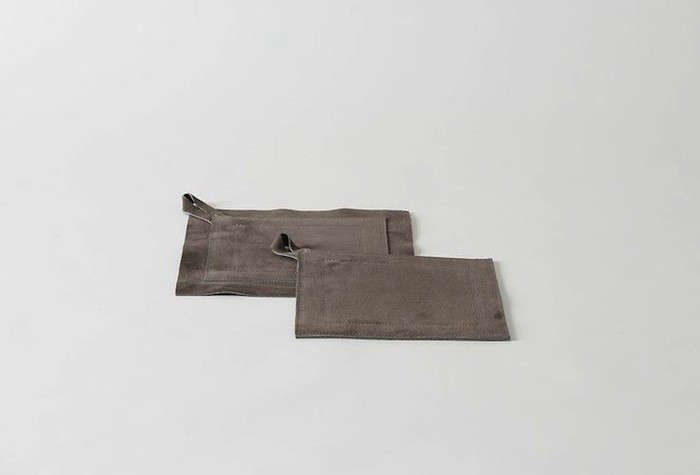
A small suede pot holder may not seem like the most thrilling item in a kitchen drawer. It does not blend smoothies, promise a thirty-second dinner, or make a suspiciously loud air-fryer beep. But when a cast-iron skillet handle is blazing hot and dinner is one clumsy grab away from becoming a floor decoration, this humble square of suede suddenly feels like an MVP.
Part kitchen safety tool, part rustic countertop accessory, and part proof that even practical objects can have personality, a small suede pot holder is designed to help protect your hands and surfaces from heat. It is especially appealing to people who cook with cast iron, Dutch ovens, bakeware, grill pans, and serving dishes that remain hot long after the food has stopped looking dramatic.
The key is understanding what a suede hot pad can do, what it should not do, and how to choose one that is more than a pretty square pretending to be useful. A good suede pot holder should offer dependable grip, sensible insulation, durable stitching, and enough coverage for quick kitchen tasks without becoming bulky or awkward.
What Is a Small Suede Pot Holder?
A small suede pot holder is a compact heat-resistant pad made from suede leather or suede-finished leather. It is typically used to grip hot cookware, move lids, lift skillet handles, hold casserole dishes, or protect countertops and tables from hot pans.
Most small suede pot holders fall somewhere between six and eight inches wide. That compact size makes them easy to store, hang, stack, or tuck beside the stove. Unlike oversized oven mitts, they are designed for fast, controlled movements: lifting a hot lid, shifting a skillet, serving a Dutch oven, or pulling a pan from a lower oven rack.
Some styles are flat squares, while others include a hanging loop, a stitched pocket, double-layer construction, or reinforced edges. A flat suede hot pad can work as both a potholder and a trivet. A pocketed version may offer more control around handles or small baking dishes. The best choice depends on whether you mostly cook on the stovetop, bake often, or use heavy cast iron like it is a personality trait.
Why Suede Works Well in the Kitchen
Natural Texture Improves Grip
One of suede’s biggest advantages is its slightly fuzzy surface. That texture can create a more secure grip than slick fabric, especially when handling smooth cookware handles, enamel-coated Dutch ovens, or heavy cast-iron lids. A good grip matters because hot cookware has a special talent for becoming slippery at exactly the worst possible moment.
Suede is also flexible enough to wrap around handles and corners without feeling stiff. This makes it useful for small tasks where an oven mitt may feel oversized, clumsy, or about as elegant as trying to text while wearing winter gloves.
It Can Handle Heat When Built Properly
Suede leather itself is not a magical force field against heat. The protection comes from the overall construction: leather thickness, layering, stitching quality, padding, and the manufacturer’s tested design. Some double-layer suede hot pads are marketed for high-heat cookware, but temperature ratings are product-specific and should never be assumed across every suede pot holder.
Independent testing of oven mitts and pot holders has shown that material, grip, thickness, and design all influence protection. Pot holders can offer more dexterity than mitts, but they usually provide less coverage for the hand and forearm. That makes a small suede pot holder ideal for controlled, short-duration handling rather than long exposure to intense oven heat.
It Ages Better Than Many Cheap Alternatives
A cotton potholder may fade, fray, or become permanently decorated with tomato sauce. Silicone can be practical but sometimes feels slippery or stiff. A quality suede pot holder tends to develop a darker, richer patina over time. Small marks and color changes often make it look more lived-in rather than worn out.
That does not mean you should treat it like an indestructible cowboy boot that wandered into the kitchen. Suede still needs reasonable care, dry storage, and a little common sense. But its natural character is part of the appeal.
Small Suede Pot Holder vs. Oven Mitt vs. Trivet
Choosing the right heat-protection tool is less about finding one perfect product and more about matching the tool to the task.
Use a Small Suede Pot Holder For:
- Gripping hot skillet handles for a few seconds.
- Lifting cast-iron lids and Dutch oven lids.
- Moving hot baking dishes from a counter to a table.
- Placing hot pans on a wood, stone, or laminate surface.
- Serving cookware directly from the oven or grill.
- Handling camp cookware when the pad is designed for that use.
Use Oven Mitts For:
- Removing large roasting pans or sheet pans from the oven.
- Working near hot oven walls or racks.
- Handling oversized casserole dishes.
- Tasks that require forearm protection.
- Moving heavy cookware for longer distances.
Use a Trivet For:
- Protecting dining tables and countertops.
- Setting down a hot pan after cooking.
- Serving a hot dish without scorching the furniture.
- Keeping a wooden table from developing a permanent “I once hosted chili night” memory.
A small suede pot holder can often perform as a trivet, but not every trivet should be used as a potholder. A decorative trivet may protect a table while offering very little grip or hand protection.
How to Choose the Best Small Suede Pot Holder
Look for Double-Layer Construction
Single-layer suede may look handsome, but double-layer construction is usually a smarter choice for hot cookware. Two layers can create more separation between your hand and the heat source. That extra buffer is particularly useful with cast iron, which holds heat with the dedication of someone who refuses to leave a party.
Check whether the pad has internal insulation, stitched channels, or reinforced sections. A quality design should feel substantial without becoming too rigid to grip a handle.
Check the Size Before Buying
Small does not mean tiny. A pot holder that is too small can leave fingers exposed, while one that is too large may fold awkwardly around cookware. For most home kitchens, a square around seven or eight inches offers a good balance of coverage and maneuverability.
If you mainly use it for skillet handles, a compact rectangular pad or leather handle cover may be more practical. If you want one item that can function as a hot pad, potholder, and tabletop protector, a flat square suede pot holder is usually the better choice.
Inspect the Stitching and Edges
Heat protection is only as reliable as the object holding itself together. Look for even, sturdy stitching around the perimeter and reinforced seams where the material will bend. Loose threads, thin edging, or uneven layers are warning signs that the pot holder may age poorly.
A well-made suede hot pad should lay flat, feel evenly padded, and have no obvious weak spots. It does not need to look like military equipment, but it should not feel like it was stitched together during a lunch break with one eye closed.
Choose a Surface That Feels Secure
Some suede pot holders have a rougher suede side for grip and a smoother leather side for a cleaner look. Others use suede on both sides. Think about what you handle most often. Rougher suede can feel stable against cast iron and ceramic cookware, while smoother leather may be easier to wipe after light splatters.
Read the Care Instructions
Suede is not usually machine washable, and soaking it is rarely a good idea. Many makers recommend brushing away debris, spot-cleaning gently, and allowing the item to air dry thoroughly. Product instructions should always come first because different finishes, dyes, and linings may need different care.
Kitchen Safety Rules for Using a Suede Hot Pad
A stylish pot holder is useful. A stylish pot holder used carelessly is just an expensive way to learn about first aid. Heat protection works best when paired with good kitchen habits.
Keep It Dry
Never use a wet or damp suede pot holder to grab hot cookware. Moisture can rapidly transfer heat and create steam, increasing the risk of burns. Kitchen safety guidance consistently warns that wet potholders, mitts, and towels can become dangerous around hot pans.
Do Not Leave It on the Stove
Keep your suede pot holder away from active burners, broiler elements, open flames, and hot grill grates. It is meant to be used briefly for handling cookware, then moved to a safe spot. Consumer safety guidance also recommends keeping flammable items such as oven mitts away from the stovetop.
Use Both Hands for Heavy Cookware
Cast iron can be deceptively heavy, especially when filled with food. Use one pot holder for each side of a Dutch oven or casserole dish. Do not try to carry a loaded pan one-handed simply because you have watched cooking videos and briefly believed yourself to be invincible.
Watch for Steam
Steam can burn faster than people expect. Lift lids away from your face and body, angle them carefully, and keep your hand behind the suede pad rather than directly over the escaping steam. A pot holder protects against contact heat; it does not grant immunity from physics.
Replace Damaged Heat Protection
If a suede pot holder becomes badly scorched, stiff, cracked, thin, greasy, moldy, or permanently saturated, retire it from hot-pan duty. Safety products should be replaced when their protective structure is compromised. Product recalls involving oven gloves and mitts have shown that inadequate thermal protection can cause serious burn hazards.
How to Care for a Small Suede Pot Holder
With a little care, a suede potholder can last for years and look better as it develops character. The goal is not to keep it looking factory-new forever. The goal is to keep it clean enough, dry enough, and structurally sound enough to do its job safely.
Brush Away Surface Debris
Use a soft suede brush or dry cloth to remove crumbs, dust, ash, and light residue. Brush gently in one direction. This helps lift the nap and keeps the surface from looking flattened or tired.
Spot-Clean Instead of Soaking
For minor spills, blot rather than scrub. Use only a lightly damp cloth if the manufacturer permits it, then allow the pot holder to dry naturally in a well-ventilated spot. Avoid soaking, machine washing, or placing it in a dryer unless the care label specifically says otherwise.
Store It Somewhere Dry
Hang the pot holder by its loop or keep it in a dry drawer away from spills and steam. Do not store it folded while damp, tucked under a sink, or pressed against a greasy stovetop backsplash. Suede enjoys dry, calm conditions. It does not want to live in a swampy kitchen mystery zone.
Be Careful With Conditioners
Leather conditioners can change color, texture, and absorbency. Before applying any product, check the maker’s recommendations and test in an inconspicuous area. Over-conditioning can leave leather dark, oily, or less pleasant to grip. Simple, gentle cleaning is usually the safest route for a kitchen item that will regularly encounter heat and food splatters.
When a Small Suede Pot Holder Is Not the Best Choice
A suede pot holder is not ideal for every kitchen. You may prefer silicone, cotton, aramid fiber, or heavy-duty oven mitts if you frequently lift large roasting pans, work with very high heat for extended periods, or need washable protection after messy cooking sessions.
It may also not be the right fit for people who prefer vegan materials or dishwasher-safe kitchen tools. In that case, look for a high-quality silicone potholder with a textured grip or a thick, washable fabric option with a certified heat-resistance rating.
The best kitchen setup is often a mix: small suede pot holders for quick cast-iron handling and tabletop serving, plus full oven mitts for larger, heavier, or longer oven tasks. There is no rule saying your kitchen must choose one hero. Even superheroes need a backup team.
Real-World Experiences With a Small Suede Pot Holder
The first time many people use a small suede pot holder, the reaction is usually something like, “That is cute.” The second reaction comes five minutes later when they pick up a hot skillet handle without feeling like their fingerprints have entered a witness protection program. That is when the little square starts earning respect.
One of the most common experiences is using a suede hot pad with cast iron. A cast-iron skillet behaves like a trustworthy friend until the handle stays hot long after the burner is turned off. A compact suede pot holder can slide over the handle, create a steadier grip, and help move the pan from stove to trivet with less panic. It feels more controlled than grabbing a folded dish towel, which is often too thin, too slippery, or mysteriously damp for reasons nobody can explain.
Another useful experience comes during baking. Small casserole dishes, ramekins, mini Dutch ovens, and baking pans often do not require massive oven mitts. A compact suede pot holder gives more finger control when shifting a dish onto a cooling rack or carrying a baked dip to the table. The pad feels especially useful when you need to make a small adjustment rather than perform a full-scale cookware rescue mission.
Suede pot holders also shine during casual entertaining. Picture a skillet cookie, bubbling mac and cheese, or a tiny Dutch oven of baked beans arriving at the table. Instead of placing the hot cookware directly on wood or stone, the suede pad can sit underneath as a trivet. It looks intentional, warm, and slightly rustic, as though you own a cabin even if your actual view is a parking lot and a very ambitious pigeon.
Outdoor cooking creates another practical use. Camp stoves, charcoal grills, and fire pits often involve cookware that is hot, heavy, and not particularly interested in your comfort. A well-made suede hot pad can help with short handling tasks, especially around cast iron. Still, it should never be treated like a grill glove or used directly over flames. The best outdoor cooking experiences happen when convenience and caution are invited to the same dinner.
Over time, many people notice that suede develops a personal look. A new pot holder may begin as clean tan, black, brown, or terracotta suede. After months of cooking, it may darken slightly, soften at the edges, and collect tiny marks from real meals. That is not failure. It is evidence of pizza nights, Sunday breakfasts, skillet cornbread, soup experiments, and at least one ambitious recipe that used every pan in the kitchen.
The most satisfying experience, however, is confidence. You stop reaching for a random towel. You stop hesitating before lifting a hot lid. You stop balancing a casserole dish like it is a live explosive. A small suede pot holder becomes one of those kitchen tools that quietly improves the flow of cooking. It is not glamorous in the loud, gadget-heavy sense. It is useful in the way a good kitchen tool should be: always nearby, easy to trust, and ready before the pan reminds you who is in charge.