

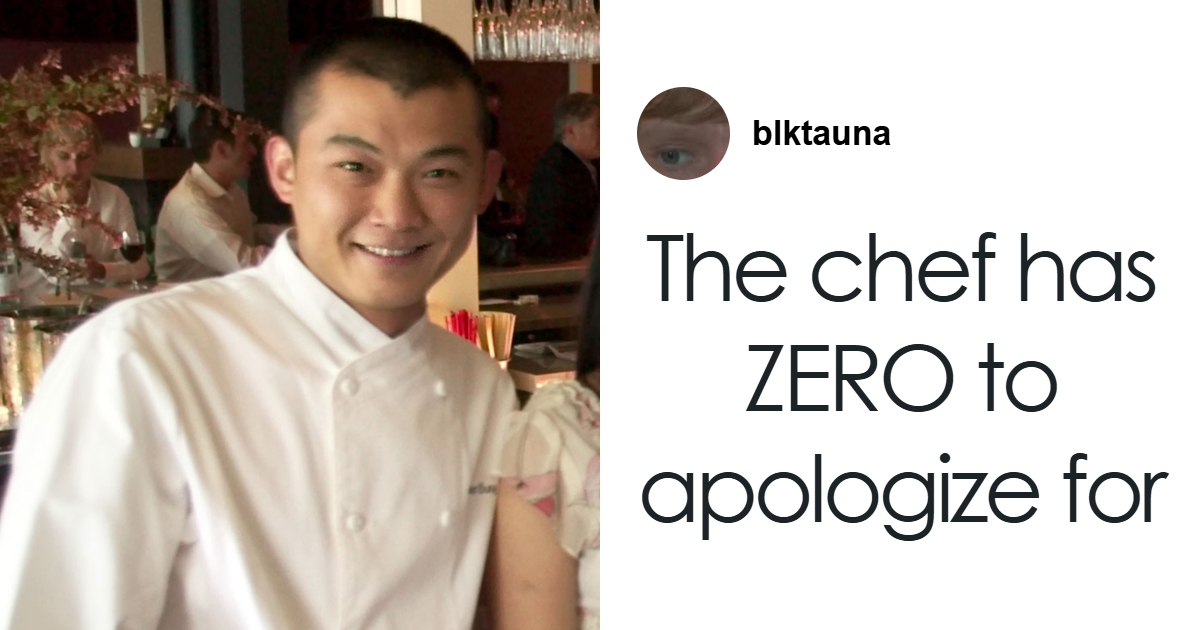
A restaurant collaboration is supposed to follow a fairly simple recipe: invite a creator, serve something photogenic, let the camera eat first, and hope the internet becomes hungry. At San Francisco’s Kis Cafe, however, that recipe reportedly went into the oven as a friendly promotion and came out as a full-scale public-relations flambé.
In July 2025, TikTok food creator Karla Marcotte, known online as @itskarlabb, posted an emotional video about a failed collaboration with the newly opened Hayes Valley restaurant. She said chef and co-owner Luke Sung criticized her content, questioned whether her audience suited the restaurant, and dismissed her approximately 15,000 followers as insufficient. She canceled the collaboration and left in tears.
Within days, her account had gained hundreds of thousands of followers, Sung had left the business, Kis Cafe had closed, and online reviewers had transformed the restaurant’s listings into a digital demolition site. It was a striking demonstration of how quickly one uncomfortable interaction can become a global debate about influencer marketing, professional respect, cancel culture, restaurant etiquette, and the dangerous belief that a person’s value can be measured like a scoreboard.
A Collaboration That Became a Crisis
Kis Cafe had opened in May 2025 in the former Petit Crenn space. Sung, a veteran chef recognized for his earlier Cal-French restaurant Isa, launched the casual wine bar with business partner Eric Lin. The name reportedly stood for “keep it simple,” while the menu focused on seasonal, French-inspired small plates priced for neighborhood dining.
Unfortunately, nothing that happened during the influencer collaboration remained simple.
According to Marcotte’s account, she had arranged the visit with a member of the restaurant team and arrived early to prepare. While sitting at the bar, she allegedly overheard employees discussing her TikTok profile, follower count, views, and suitability for the promotion. Sung then reportedly watched some of her videos at full volume and told her that her work was not at the level he wanted representing the restaurant.
Marcotte said he suggested that her followers were not the type of customers who would visit the restaurant. She also recalled him mentioning his culinary achievements and comparing her following with that of his daughter, creator Isa Sung. The conversation made Marcotte feel embarrassed and unwelcome, so she declined to continue with the meal or promotional video.
The original TikTok did not identify either the chef or the restaurant. Marcotte presented the story primarily as encouragement for smaller creators to defend themselves when treated dismissively. Commenters nevertheless connected details in the video to Kis Cafe. Isa Sung then publicly criticized her father’s reported behavior and expressed sympathy for Marcotte, helping confirm the restaurant’s identity.
Was the Chef Actually Forced to Quit?
The phrase “forced to quit” summarizes the practical outcome, but the formal situation was slightly more complicated. Kis Cafe announced that Sung’s behavior was unacceptable and that he was no longer associated with the restaurant as a chef, co-owner, or in any other role. Sung’s subsequent apology said that he had decided to step away permanently and accept responsibility for the consequences.
Business partner Eric Lin later characterized the departure as Sung’s own decision. Still, when a co-owner exits within roughly 36 hours of a viral controversy, the distinction between “voluntary departure” and “there was realistically no other door available” becomes thinner than a restaurant’s artisanal cracker.
Sung later gave his version of the encounter, saying he had not been informed about the collaboration before Marcotte arrived and believed that her content and audience might not align with the restaurant. He acknowledged that his repeated questions and demanding communication style could have intimidated her. His explanation added context, but it did not erase the central problem: concerns about brand fit can be communicated privately and professionally without humiliating a guest.
Why 15,000 Followers Was Not “Too Small”
Micro-Influencers Often Have Highly Relevant Audiences
The Kis Cafe controversy exposed a common marketing mistake: treating follower count as the only meaningful measurement of influence. A creator with 15,000 followers may appear tiny beside a celebrity with several million, but smaller accounts can possess something more valuable than raw reacha concentrated audience that actually listens.
Micro-influencers commonly specialize in a city, cuisine, lifestyle, or consumer niche. Their followers may live nearby, share similar interests, and regard their recommendations as advice from a knowledgeable friend rather than another polished advertisement. For a neighborhood restaurant, 15,000 local food enthusiasts can be more useful than 500,000 followers scattered across unrelated countries and interests.
Marketing research frequently emphasizes engagement, audience relevance, authenticity, geographic concentration, content quality, and conversion potential rather than follower count alone. HubSpot has reported that many marketers see strong results from micro-influencers, while Sprout Social advises brands not to place follower totals above genuine audience engagement and creator-brand compatibility.
TikTok Has Become a Discovery Engine
Restaurants also underestimate how often consumers use TikTok as a search and recommendation platform. Pew Research Center reported that 62% of American adult TikTok users said product reviews or recommendations were among their reasons for using the platform. That behavior extends naturally to restaurant searches, neighborhood guides, menu reviews, and “where to eat tonight” videos.
One persuasive video from a modest creator can place a restaurant in front of thousands of nearby customers. The delicious irony in the Kis Cafe episode is that the creator deemed insufficiently influential became influential enough to dominate national headlines. The promotional video that was never filmed might have attracted a few tables. The complaint video attracted millions of viewers.
The Viral Backlash Arrived at Full Boil
Marcotte’s five-minute account spread rapidly, eventually collecting tens of millions of views. Her following rose from approximately 15,000 to hundreds of thousands. Eater San Francisco reported that the video had reached about 21 million views and that her audience exceeded 388,000 followers by July 29, 2025. Later reporting placed the total even higher.
Kis Cafe’s reputation collapsed almost immediately. Its Google rating reportedly fell to approximately 1.1 stars after receiving more than 4,500 reviews, many of which were later removed. Yelp displayed an unusual-activity warning as the restaurant’s page filled with comments connected to the controversy rather than firsthand dining experiences.
The restaurant apologized, severed ties with Sung and temporarily closed. Sung then released a longer statement acknowledging that he had been condescending, intimidating, and hurtful. He apologized to Marcotte, the restaurant’s employees, his business partners, and his family, including his daughter.
It was a notably direct apology. Instead of hiding behind phrases such as “mistakes were made” or “we are sorry that feelings mysteriously appeared,” Sung named his behavior and accepted responsibility. That did not reverse the consequences, but it demonstrated one useful crisis-management principle: an apology becomes more credible when the person apologizing clearly identifies what was wrong.
When Accountability Becomes a Digital Pile-On
Criticizing disrespectful behavior is legitimate. Harassing employees, relatives, and unrelated businesses is not.
As the controversy expanded, negative reviews and hostile messages reportedly reached people who had not participated in the encounter. Staff members received threatening calls. Sung’s children were targeted. Isa, the restaurant Sung had sold years earlier, was attacked because users assumed he still owned it. Other nearby or similarly named businesses also became collateral damage.
This is where a straightforward accountability story becomes more complicated. Marcotte had every right to discuss an experience that upset her. She did not name the restaurant in the original video, and there was no evidence that she instructed viewers to harass anyone. At the same time, viral audiences can behave like a runaway catering cart: once moving downhill, they do not pause to check who actually ordered the soup.
Google prohibits reviews that are not based on genuine experiences, while Yelp says it may place alerts on pages receiving unusual attention because of media coverage or social controversy. Review bombing does not provide useful consumer information; it merely converts anger into an unreliable star rating.
The Federal Trade Commission has also strengthened rules addressing fake reviews, deceptive testimonials, and manipulated indicators of social influence. Public criticism is protected expression, but manufacturing reviews about a business one has never visited damages consumers, workers, and the credibility of review platforms.
The Restaurant Eventually Returned Under a New Name
Kis Cafe’s original identity did not survive the scandal. In August 2025, Lin reopened the location as Bosque. Reports indicated that much of the original staff remained, employees were paid during the short closure, and the menu continued to feature many of the same approachable small plates. Sung was no longer involved.
The reopening demonstrated that online controversy can destroy a brand name without necessarily eliminating the underlying business. Rebranding gave the remaining team a chance to separate itself from one person’s conduct and rebuild relationships with neighborhood customers.
Whether Bosque’s recovery should be described as reinvention, damage control, or changing the restaurant’s name so Google would stop screaming is a matter of perspective. Operationally, however, it represented a practical attempt to protect employees and preserve a viable restaurant after the public narrative had overwhelmed the original brand.
What Restaurants Should Learn From the Kis Cafe Controversy
Approve Collaborations Before the Creator Arrives
A restaurant should never invite a creator without confirming the arrangement with every manager who may interact with that person. The agreement should identify the date, expected deliverables, compensation, meal allowance, guest policy, disclosure requirements, filming restrictions, and approval process.
Had Kis Cafe’s team reviewed Marcotte’s account together before accepting the collaboration, it could have approved or declined the proposal without an embarrassing confrontation. “Thank you, but this campaign is not the right fit” is a normal business response. Delivering that response after the creator has arrived, while analyzing her profile within earshot, is how a marketing decision becomes content for somebody else.
Evaluate Relevance, Not Vanity Metrics
Restaurants should examine average views, engagement quality, audience location, previous food content, professionalism, and brand compatibility. A creator with fewer followers may produce better local results than a larger account with weak engagement or an audience living hundreds of miles away.
Follower count is a clue, not a verdict. It should never become a substitute for due diligenceor basic manners.
Train Staff for Creator Visits
Employees should know whether filming is permitted, who handles questions, what food is included, and how to respond if the collaboration needs to be changed. Disagreements should be handled privately by one authorized manager. Nobody benefits when five employees gather around a phone and conduct an impromptu talent show audition while the creator sits ten feet away.
Remember Disclosure Rules
A free meal can constitute a material connection between a restaurant and a creator. The FTC advises influencers to disclose relationships involving payments, free products, discounts, or complimentary services clearly and conspicuously. Restaurants should include disclosure expectations in written collaboration agreements instead of assuming that everyone already understands them.
What Influencers Should Learn
Creators should confirm the collaboration in writing, including what is being provided and whether the restaurant expects guaranteed coverage. They should research the menu, chef, pricing, atmosphere, and target customer before arriving. Professional preparation strengthens the creator’s position if a disagreement occurs.
Creators are also entitled to leave when a collaboration becomes hostile or humiliating. A complimentary meal is not payment for surrendering personal dignity. However, when discussing a dispute publicly, creators should distinguish what they directly witnessed from assumptions, avoid encouraging harassment, and remind followers not to target employees or unrelated businesses.
The most responsible statement can contain two ideas at once: “This behavior was unacceptable” and “Do not attack people who were not involved.” The internet occasionally struggles with two ideas at once, but we must continue offering it opportunities to practice.
Experience-Based Lessons From Similar Restaurant Collaborations
The following practical scenarios reflect recurring experiences in restaurant marketing and demonstrate how the Kis Cafe conflict could have been handled differently.
Experience One: The Small Creator Who Filled Weeknight Tables
Consider a neighborhood ramen shop evaluating two creators. The first has 300,000 followers spread across the country. The second has 12,000 followers, mostly young professionals living within five miles of the restaurant. The larger creator delivers more total views, but the smaller creator produces direct messages asking about reservations, parking, vegetarian options, and opening hours.
Within a week, the restaurant notices stronger Tuesday and Wednesday traffic. Customers mention the smaller creator by name. The lesson is not that small creators are always superior; it is that relevant attention matters more than impressive-looking numbers. A million viewers in the wrong market are spectators. Five hundred nearby viewers deciding where to eat are customers.
Experience Two: The Collaboration Declined Professionally
A dessert shop receives a promotional request from a creator whose content focuses mainly on bodybuilding meals and nutritional supplements. The shop’s elaborate cakes do not match the creator’s usual audience. Instead of accepting the visit and criticizing the creator later, the manager responds before scheduling anything.
The message thanks the creator, explains that the current campaign targets weddings and family celebrations, and leaves open the possibility of a future fitness-friendly product launch. Nobody is embarrassed. Nobody cries in a parking lot. Nobody wakes up to 4,500 one-star reviews from people who have never tasted the frosting.
Experience Three: A Bad Visit Resolved Before Posting
A creator arrives for a confirmed dinner, but the staff has not been informed. The host asks the creator to pay for the meal, while the creator’s email clearly promises a complimentary tasting. Instead of arguing in the dining room, a manager takes the conversation aside, checks the correspondence, apologizes, and honors the original agreement.
The creator later mentions the confusion in the video but praises the recovery. This is an important hospitality principle: customers often forgive mistakes when the response is respectful and decisive. The recovery can become more memorable than the original problem.
Experience Four: A Crisis Response That Protects Employees
Imagine that a chef makes an insulting comment and a video begins spreading. A strong response team immediately contacts the creator privately, investigates the facts, issues a specific public apology, and explains the corrective action. The restaurant turns off nonessential notifications for junior employees, preserves threatening messages, reports fraudulent reviews, and assigns one spokesperson to handle media inquiries.
The statement also asks supporters not to attack the creator and asks critics not to harass staff. This does not guarantee forgiveness, but it prevents confusion and demonstrates control. By contrast, defensive posts, deleted comments, vague apologies, or arguments with strangers usually feed the algorithm exactly what it wants: more conflict.
Across these scenarios, the common factor is not follower count. It is preparation. Clear agreements prevent misunderstandings. Private communication reduces humiliation. Fast accountability limits damage. Respect keeps an ordinary business disagreement from becoming a spectacle consumed by millions of people eating popcorn somewhere far from the restaurant.
Conclusion: Influence Is More Than a Number
The Kis Cafe controversy became viral because it touched a sensitive cultural nerve. Many people know what it feels like to be dismissed for lacking status, money, credentials, connections, or a sufficiently impressive number beside their username. Marcotte’s story transformed that familiar frustration into a highly shareable warning.
Sung’s reported conduct deserved criticism, and his apology acknowledged that reality. Yet the harassment of workers, family members, and unrelated businesses showed the destructive side of online outrage. Accountability should be aimed accurately. Otherwise, it becomes another form of thoughtless humiliationthe same behavior the crowd originally claimed to oppose.
For restaurants, the central lesson is straightforward: investigate potential partners before approving a collaboration and treat every visitor respectfully, whether that person has 15 followers or 15 million. For creators, professionalism, transparency, and restraint remain essential even when sharing a legitimate complaint.
Follower counts rise and fall. Viral attention disappears. Screenshots remain. In modern hospitality, a restaurant’s most important ingredient may no longer be butter, salt, or garlic. It may simply be knowing how to speak to another human being while somebody nearby has a smartphone.
Editorial note: This article synthesizes contemporaneous reporting about the July 2025 Kis Cafe controversy, subsequent interviews and apologies, the restaurant’s closure and rebranding, and established guidance regarding influencer endorsements and online reviews. Reported allegations are attributed to the individuals and publications that documented them.