

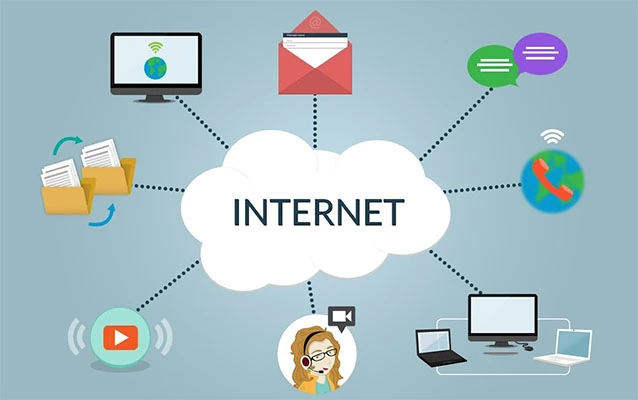
Once upon a time, an episode was an episode. It aired on television, maybe reran at 2 a.m., and if you missed it, well, tough luck and pass the disappointment. Then the internet showed up like an overly caffeinated producer with a ring light and a big idea. Suddenly, stories no longer had to live in just one place. They could spill into websites, apps, streaming hubs, social platforms, and podcast feeds. That is where web exclusive episodes came marching in, sometimes polished, sometimes scrappy, and often much more powerful than they look at first glance.
Today, web exclusive episodes are everywhere. They appear as bonus scenes for hit television shows, behind-the-scenes digital extras, streaming-only side stories, creator-led mini-series on YouTube, branded video chapters, and subscriber-only podcast episodes. They are not filler. When done well, they deepen fan loyalty, reward curiosity, extend the life of a franchise, and give creators room to experiment without betting the whole kingdom on one expensive premiere.
This matters because audiences now move fluidly across screens. A viewer might watch a prestige drama on the living room TV, hunt for bonus clips on a phone during lunch, and listen to a companion podcast while pretending to answer emails. In that environment, the smart question is no longer, “Should we make exclusive digital episodes?” It is, “What kind of exclusive episode actually gives people a reason to care?”
What Are Web Exclusive Episodes?
At the simplest level, a web exclusive episode is an installment designed to live online rather than as part of a traditional broadcast or standard linear release. Sometimes it is a short companion piece tied to a larger series. Sometimes it is a stand-alone digital original made specifically for web or app audiences. In older industry language, this often overlapped with the term webisode, a word that sounds like it was invented by a committee that had just discovered Wi-Fi but still holds up pretty well.
The category is broader now. A web exclusive episode can be:
a bonus chapter released between major episodes;
a character-focused side story that expands a fictional universe;
a recap or aftershow only available online;
a short-form video series built for social or YouTube audiences;
a subscriber-only podcast episode;
or a behind-the-scenes installment designed to keep fans engaged between bigger releases.
In other words, the format is flexible, but the purpose is usually consistent: offer something special online that viewers cannot get in the main release schedule.
Why Web Exclusive Episodes Work So Well
They reward the most engaged fans
Every successful show, channel, or podcast has a core audience that wants more than the basic menu. These fans do not just watch; they investigate. They rewatch scenes, discuss theories, and willingly fall into the algorithmic rabbit hole. Web exclusive episodes give those highly engaged viewers a prize for caring. It is fandom with dessert.
They fit modern viewing habits
People no longer consume entertainment in one neat, predictable sitting. They bounce between streaming, social video, creator content, newsletters, clips, and podcasts. Exclusive web episodes match that behavior perfectly because they can be watched on demand, shared quickly, and consumed in smaller bursts. Not every audience wants a 58-minute commitment after dinner. Sometimes they want a six-minute side story while waiting for coffee.
They extend the life of a show or brand
A traditional release schedule creates natural gaps. Those gaps can feel dramatic and exciting, or they can feel like the internet has collectively wandered off to discuss air fryers. Exclusive online episodes help fill that silence. They keep a title visible, give fans something fresh to talk about, and prevent momentum from evaporating between major drops.
They lower the risk of experimentation
Web-first episodes are ideal testing grounds. Creators can try a new tone, spotlight a side character, explore documentary style, play with animation, or package more niche material without reshaping the flagship product. If the audience responds well, great. If not, the project still generated insight, attention, and sometimes surprisingly loyal micro-fandoms.
The Different Types of Web Exclusive Episodes
Bonus episodes for established franchises
This is the classic model. A show already has a built-in audience, so producers release digital extras that enrich the main series. These episodes may cover backstory, alternate angles, or mini adventures that are not essential for understanding the core plot but make the world feel larger. Fans love them because they feel like secret rooms in a house they already adore.
Short-form creator series
YouTube, social platforms, and creator ecosystems have turned episodic web storytelling into a full-blown business model. Many creators now build shows, not just random uploads. They organize videos into seasons, recurring storylines, interview formats, educational chapters, or documentary-style arcs. The result looks less like “just content” and more like digital television that learned how to be more nimble.
Behind-the-scenes and companion episodes
These are especially effective when the main product has a strong personality, a complicated production process, or a highly curious audience. Cooking competitions, fantasy dramas, documentaries, and music projects all benefit from companion content. Viewers like to see how the sausage gets made, preferably without literally seeing sausage unless that is the show.
Subscriber-only and premium bonus episodes
In podcasting and creator memberships, exclusive episodes often drive subscriptions. These installments can include extended interviews, ad-free cuts, post-show chats, bonus cases, early access, or special Q&A sessions. The key is that the bonus content must feel like a meaningful upgrade, not a glorified voicemail left behind a paywall.
Famous Examples That Help Explain the Format
Entertainment companies have been experimenting with web-exclusive storytelling for years. Series tied to major television brands have used online minisodes and digital side stories to keep audiences connected between broadcast events. These projects helped prove that fans would follow a story off the main screen if the extra material felt worthwhile and connected to the larger universe.
That lesson still matters. A web exclusive episode is not valuable simply because it is “extra.” Audiences can smell lazy leftovers from three tabs away. The best examples feel intentional. They reveal something new, sharpen a character, provide fresh perspective, or create a stronger emotional bond with the audience.
Public media has also shown how online exclusives can work without becoming gimmicky. Many PBS properties pair full episodes with digital extras, additional clips, or short-form companion content. That strategy recognizes a simple truth: some viewers want the main event, while others want the hallway conversation after the show ends.
Meanwhile, creator platforms have expanded the concept even further. Episodic video on YouTube now behaves much more like organized entertainment than the old stereotype of random clips uploaded at midnight by someone named BradWithAWebcam. Channels build recurring shows, podcasts are distributed with video components, and audiences increasingly binge creator-led series on television screens as well as phones. The line between “TV episode” and “web episode” is blurrier than ever.
What Audiences Actually Want From Exclusive Episodes
A reason to click beyond curiosity
A good thumbnail or intriguing title can win the first click, but it cannot guarantee loyalty. The episode needs a clear value proposition. Will viewers learn something new? Laugh harder? Get emotional context? Feel closer to the host or characters? If the answer is vague, the content will be forgotten by tomorrow afternoon.
Familiarity with a little surprise
Audiences return for recurring elements: the same host, the same rhythm, the same world, the same tone. But they also need progression. A web series that repeats the same idea until it collapses under its own intro music will lose steam quickly. The sweet spot is familiar structure plus fresh payoff.
Convenience
Web-exclusive content usually performs best when it respects the time and habits of its audience. That means smart pacing, clean packaging, easy discoverability, strong episode titling, and a format that makes sense for the platform. A brilliant episode hidden inside a confusing content maze is like a gourmet meal served in a locked refrigerator.
How Brands Use Web Exclusive Episodes Without Being Annoying
Brands love episodic content because it builds familiarity, and familiarity tends to be very good for business. But audiences do not want to feel trapped inside a sales presentation wearing the costume of a story. That is why the best branded web-exclusive episodes lead with entertainment, usefulness, personality, or access.
Some brands create interview series. Others produce educational episodes, travel diaries, mini documentaries, or recurring character-led campaigns. What separates the memorable from the forgettable is restraint. Viewers can handle branding. What they do not want is a ten-minute commercial pretending it just wants to be friends.
Good branded exclusive episodes often succeed because they borrow the grammar of media rather than the grammar of advertising. They have pacing. They have recurring themes. They know when to stop talking. Frankly, that last one would also improve family group chats.
Best Practices for Creating Web Exclusive Episodes
Start with the audience, not the platform buzzword
Do not create a web exclusive episode just because “digital strategy” sounded impressive in a meeting. Create it because a specific audience wants a specific type of additional content.
Make the premise repeatable
One strong episode is nice. A repeatable format is a real asset. Build a concept that can sustain multiple installments without feeling forced.
Keep quality aligned with intent
Not every web exclusive needs premium-level cinematography. Some formats thrive on a more direct, casual style. The trick is to make the production quality feel deliberate rather than accidental.
Give each episode a distinct payoff
Every installment should answer the viewer’s silent question: “Why did I watch this one?” Even in a series, each episode needs its own little victory.
Package it for discovery
Titles, thumbnails, descriptions, metadata, and playlist organization matter. Great episodic content should not require detective work to find.
Connect the exclusive to the larger ecosystem
Web-exclusive episodes work best when they support the main brand, show, channel, or podcast rather than floating around like lonely satellites. Cross-promotion, consistent naming, and clear pathways between formats are essential.
The SEO Value of Web Exclusive Episodes
From a publishing perspective, web exclusive episodes are also search-friendly assets. They create new pages, new episode titles, new opportunities for long-tail keywords, and more reasons for visitors to stay within a site or content ecosystem. An article, video hub, episode recap, and transcript can all reinforce one another.
That said, stuffing phrases like “best web exclusive episodes web exclusive series exclusive web episode online” into every paragraph is a great way to make readers flee dramatically into the night. Smart SEO for this topic means using clear language, helpful structure, natural keyword placement, and content that genuinely answers what people want to know.
Helpful related terms include webisodes, digital bonus episodes, exclusive online content, streaming-only episodes, bonus podcast episodes, and episodic content strategy. These related phrases support discoverability without making the article sound like it was written by a malfunctioning search engine.
Why Web Exclusive Episodes Are Not Going Away
Web exclusive episodes are no longer side dishes. In many cases, they are part of the main meal. Audiences have become comfortable moving across platforms, creators now think in seasons and franchises, and media companies increasingly treat digital exclusives as strategic extensions rather than promotional leftovers.
The format also matches the direction of modern entertainment. Viewers want control, intimacy, access, and continuity. They want content that feels personal enough for a phone screen but strong enough for a TV screen. They want main stories, side stories, and bonus stories that reward attention. And they want them now, which is both understandable and a little terrifying.
So yes, web exclusive episodes matter. They matter because they meet audiences where they already are. They matter because they allow storytelling to breathe outside rigid schedules. Most of all, they matter because in a crowded media world, the smartest creators know that sometimes the “extra” episode is the very thing that turns a casual viewer into a loyal fan.
Experiences With Web Exclusive Episodes: Why They Feel Different
Watching a web exclusive episode often feels different from watching a regular episode, and that difference is part of the appeal. There is a tiny thrill in knowing you found something that not everyone else has watched yet. It feels a little like being handed the backstage pass instead of just the ticket. You are still part of the same show, channel, or brand universe, but the experience becomes more personal. Instead of sitting in the audience, you feel like someone quietly opened a side door and said, “Come here, there’s more.”
For fans, the best experience is usually emotional rather than technical. A good exclusive episode makes the world feel bigger and the connection feel closer. Maybe it is a mini story about a side character who deserved more attention. Maybe it is a cast interview that changes how you see a scene. Maybe it is a bonus podcast episode where the host drops the polished voice and sounds more like a real person talking to real people. That intimacy is powerful. It is the difference between consuming content and joining a community.
For creators, web exclusive episodes can be strangely liberating. They often provide room to experiment without the pressure attached to a flagship release. A creator can test a new format, be more casual, go deeper on one subject, or respond more directly to audience questions. Sometimes those episodes even reveal what the audience truly loves. The side project becomes the breakout hit. The “bonus” turns into the blueprint. Media history is full of examples where audiences surprised the people making the content, which is a nice reminder that viewers are not just metrics with snacks.
There is also a practical experience tied to exclusives: habit-building. Audiences return when they know there is a rhythm. A weekly online aftershow, a monthly bonus chapter, or a recurring premium episode can become part of someone’s routine. That matters more than hype. Hype gets attention, but habit gets loyalty. When people begin checking for the next exclusive episode the same way they check for messages or weather updates, the creator has built something much stronger than a one-time viral moment.
On the brand side, the experience works best when the content feels useful, entertaining, or human. People do not mind branded episodes if they feel they are getting real value. In fact, audiences can be surprisingly generous when a brand tells a good story and stays self-aware. But if the episode feels like a brochure in video form, viewers disappear at Olympic speed. The lived experience of web exclusives teaches one consistent lesson: people will absolutely give extra attention to extra content, but only if that extra content actually earns it.
That is why web exclusive episodes leave such a strong impression when they succeed. They feel discovered rather than assigned. They feel intentional rather than obligatory. They create the sense that a story continues beyond the obvious frame. And in a world where people are overwhelmed by options, that feeling of finding something a little more special still goes a long way.
Conclusion
Web exclusive episodes have evolved from quirky digital add-ons into serious storytelling tools. They help media brands retain attention, give creators room to innovate, support subscription models, and build stronger audience relationships across platforms. Whether they appear as bonus scenes, webisodes, companion podcasts, short-form creator series, or premium extras, their strength comes from the same principle: give people a reason to lean in. When the content is thoughtful, discoverable, and genuinely rewarding, exclusive episodes stop feeling optional. They become part of the experience audiences remember.