

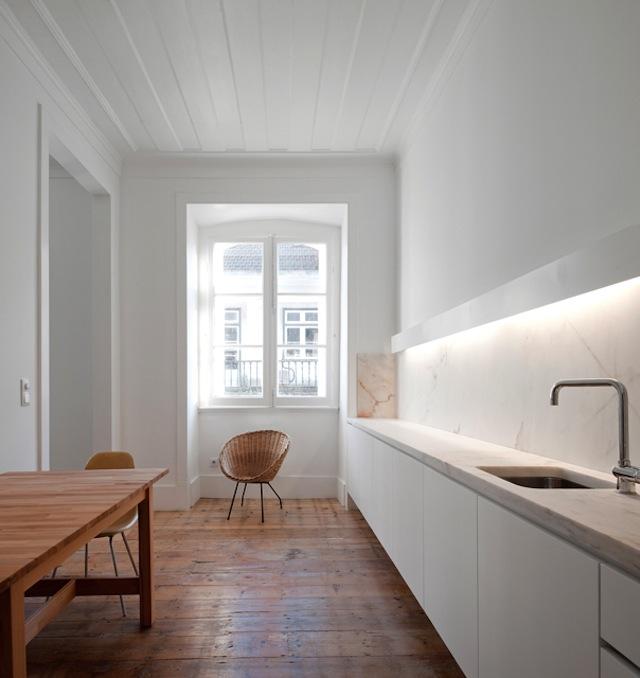
Some accommodations give you a bed, a key card, and a tiny bottle of shampoo that appears to have been designed for a hamster. Baixa House in Lisbon offers something far more memorable: the feeling that you have temporarily inherited a beautifully restored Portuguese apartment in the middle of the city.
Located in Lisbon’s historic Baixa district, this collection of serviced apartments combines the freedom of a vacation rental with thoughtful hotel-style support. Guests get space to spread out, kitchens for late-night snacks, breakfast ingredients, daily housekeeping, vintage furniture, and a central location that makes sightseeing unusually easy.
Baixa House is not a conventional luxury hotel with a marble lobby, rooftop pool, and someone polishing an apple behind the front desk. Its appeal is quieter and more personal. The building tells Lisbon’s architectural story, while the apartments celebrate Portuguese craftsmanship, botanical inspiration, and the pleasant luxury of having an actual living room.
What Is Baixa House?
Baixa House is a group of 13 individually designed serviced apartments inside an 18th-century building on Rua dos Fanqueiros. The property stands in Baixa Pombalina, Lisbon’s orderly downtown district, within walking distance of Praça do Comércio, Rossio Square, Praça da Figueira, Chiado, and the streets leading uphill toward Alfama.
Each apartment has its own layout, personality, and decorative theme. Rather than numbering anonymous rooms and calling it a day, Baixa House names its apartments after Lisbon gardens, parks, or green spaces. Names such as Belém, Estrela, Ajuda, Campo Grande, Gulbenkian, and Príncipe Real establish the botanical theme before guests have even unpacked.
The concept sits comfortably between a boutique hotel and a Lisbon vacation rental. You receive a private apartment with a kitchen, living area, bedroom space, and bathroom, but you also benefit from cleaning, breakfast provisions, Wi-Fi, staff assistance, and other practical services. It is independence without abandonment, which is useful when the coffee maker looks cleverer than you do.
A Historic Building Reborn for Modern Travelers
The Pombaline story behind Baixa
Understanding Baixa House begins with the neighborhood around it. Much of central Lisbon was destroyed by the catastrophic earthquake of 1755 and the fires and tsunami that followed. The rebuilding effort produced Baixa Pombalina, a rational grid of broad streets and carefully planned buildings named for the Marquis of Pombal, who directed the reconstruction.
Pombaline buildings incorporated early anti-seismic engineering. A flexible timber framework, often described as a wooden cage, was built into the structure to help it absorb movement rather than collapse immediately. Standardized construction components also helped Lisbon rebuild more efficiently. In modern language, the city developed earthquake-resistant modular architecture before modular architecture had a marketing department.
Baixa House occupies one of these post-earthquake buildings. Its restoration preserved the proportions and character of the original structure while adapting it for contemporary accommodation. The result is not a historical stage set. It remains a functioning old building, complete with quirks, generous rooms, tall windows, and details that remind guests they are sleeping inside Lisbon’s urban history.
Azulejos, staircases, and graceful imperfections
One of the property’s most striking features is its grand staircase, decorated with traditional Portuguese tiles. These azulejos bring color and pattern into the building’s circulation spaces, turning a trip upstairs into something more interesting than staring at emergency-exit instructions.
Inside the apartments, high ceilings and tall windows create a sense of openness. Original or carefully restored architectural elements sit beside white walls, warm timber floors, vintage furnishings, handmade objects, woven textiles, botanical artwork, and pieces inspired by traditional Portuguese interiors.
The design is restrained rather than flashy. Instead of filling every corner with matching furniture, the rooms feel collected over time. An old mirror may hang near a simple contemporary lamp. A wooden table might be paired with mismatched chairs. A bold rug or botanical print adds color without turning the apartment into a theme park called “Extreme Portugal.”
What Are the Apartments Like?
Thirteen apartments with distinct personalities
Baixa House’s apartments vary in size and capacity, making the property suitable for couples, families, friends, and travelers who simply refuse to spend a week living out of a suitcase beside a hotel minibar.
Smaller apartments provide an intimate base for two people, while larger configurations include multiple bedrooms and more generous living areas. Some units have balconies or street-facing windows, while others offer quieter orientations or different views across the historic neighborhood.
The garden-inspired names are more than decorative labels. Each apartment uses its namesake as a starting point for colors, artwork, plants, and furnishings. This gives the property visual continuity without making every space identical. Guests returning to Baixa House can choose a different apartment and have a noticeably different experience.
The advantages of apartment-style accommodation
A kitchen changes the rhythm of a city stay. You can make coffee before anyone has put on respectable clothing, store market purchases, prepare a simple meal, or chill a bottle of Portuguese wine for the evening. Families can manage snacks and children’s schedules without organizing a diplomatic summit every time someone becomes hungry.
Separate living spaces also make longer visits more comfortable. One person can read while another plans the next day. Parents can relax after children go to sleep. Friends can gather around a dining table rather than sitting in a row on somebody’s bed like contestants waiting to be eliminated from a reality show.
Typical conveniences include:
- Private kitchen and dining facilities
- Living areas with vintage and contemporary furnishings
- Daily housekeeping
- Breakfast products and fresh bread delivery
- Complimentary Wi-Fi
- An elevator within the historic building
- Laundry facilities
- Safety locks and staff support
- Cribs and televisions available by request
- Pet-friendly accommodation
Breakfast: The Small Ritual Guests Remember
Breakfast at Baixa House is designed for privacy rather than performance. There is no crowded buffet where three strangers battle over the final croissant with serving tongs. Instead, breakfast items are stocked in the apartment, and fresh bread is delivered for guests to enjoy at their own table.
Depending on current arrangements, provisions may include dairy products, fruit, cheese, spreads, cake, coffee, tea, and other essentials. The system allows guests to wake up slowly, prepare breakfast when convenient, and begin the day without immediately entering Lisbon’s busy streets.
This simple service is central to the property’s home-away-from-home identity. The kitchen feels useful rather than decorative, while the bread delivery creates a daily ritual. Open the bag, make coffee, let sunlight through the tall windows, and pretend for 20 minutes that this is your normal life.
A Prime Location in Downtown Lisbon
Major landmarks within walking distance
Baixa House’s central location is one of its greatest strengths. Praça do Comércio, Lisbon’s monumental riverfront square, is approximately a short walk away. Rua Augusta, Rossio Square, Praça da Figueira, Lisbon Cathedral, the Santa Justa Lift, and Chiado can also be reached on foot.
The surrounding streets contain restaurants, bakeries, cafés, traditional shops, souvenir stores, and businesses selling Portuguese specialties. Conserveira de Lisboa, known for beautifully packaged canned seafood, is in the wider Baixa area. The neighborhood also provides easy access to museums, design shops, riverfront walks, and the uphill lanes of Alfama.
For first-time visitors wondering where to stay in Lisbon, Baixa offers a practical advantage: it is flatter than many surrounding neighborhoods. Lisbon is famously hilly, and the city’s patterned sidewalks can be slippery. Staying downtown reduces the number of daily mountain-climbing expeditions disguised as casual walks to dinner.
Trams, metro connections, and trains
The route of Lisbon’s famous Tram 28 passes near Baixa House, providing a picturesque connection through several historic districts. Nearby metro stations make it easier to travel beyond the center, while Rossio station offers train service toward Sintra.
Cais do Sodré, reached by walking or public transportation, connects travelers to Cascais and other destinations along the coast. Ferries across the Tagus River provide another perspective on Lisbon’s skyline. In practical terms, Baixa House allows visitors to explore much of central Lisbon without renting a car.
Who Will Enjoy Staying at Baixa House?
Design lovers and architecture enthusiasts
Travelers interested in interior design, adaptive reuse, Pombaline architecture, antiques, and Portuguese craftsmanship will find plenty to examine. Baixa House demonstrates how a historic building can be modernized without sanding away every trace of personality.
The property feels curated but not precious. Guests can actually use the tables, sit in the chairs, open the shutters, and live among the design details. It is closer to staying in a creative friend’s apartment than spending the night in a furniture showroom guarded by invisible alarms.
Couples seeking a romantic Lisbon stay
For couples, the combination of atmospheric interiors, fresh breakfast, walkable streets, and nearby restaurants creates an easy romantic getaway. An apartment also offers more privacy than a traditional hotel room and enough space to avoid arguing over whose suitcase has swallowed the floor.
Families and small groups
Larger apartments are especially practical for families or friends. Kitchens simplify meals, living rooms create communal space, and multiple sleeping areas provide breathing room. Cribs can be requested, and the elevator is valuable when traveling with luggage, strollers, or a child who has suddenly decided walking is an outdated concept.
Travelers planning a longer visit
Baixa House also suits visitors staying several nights or more. Laundry access, kitchens, housekeeping, and staff support reduce the friction of an extended trip. Remote workers may appreciate the space and Wi-Fi, although they should select an apartment carefully if street noise or workspace setup is important.
Potential Drawbacks to Consider
Baixa House has character, but character sometimes arrives with sound effects. Central Lisbon is active, and apartments facing busy streets may hear traffic, pedestrians, delivery activity, bells, or the rumble of passing trams. Light sleepers should ask about quieter apartment options and consider bringing earplugs.
The property is also not a full-service resort. Travelers looking for an on-site restaurant, spa, gym, swimming pool, large lobby, or 24-hour room service should consider a traditional hotel. Baixa House emphasizes residential comfort and personal support rather than a long menu of facilities.
Historic layouts can differ from modern standardized rooms. Apartment sizes, bathroom arrangements, views, natural light, and sleeping configurations vary. Reviewing the details of the exact apartment is more important here than booking solely by property name.
How to Choose the Right Baixa House Apartment
Before booking, compare capacity, floor level, bedroom arrangement, bathroom count, balcony access, and street orientation. A couple may prefer a smaller, quieter unit, while a family may prioritize multiple bedrooms and a spacious dining area.
Travelers sensitive to noise should ask whether the apartment faces a major street or interior area. Guests with mobility concerns should confirm the route between the entrance, elevator, and apartment. Pet owners should verify current policies, possible fees, and any restrictions before arrival.
It is also wise to check the current breakfast schedule, check-in procedure, housekeeping arrangements, temperature-control features, and luggage-storage options. These details can change, and confirming them prevents arrival-day surprisesthe travel equivalent of discovering your “ocean-view room” overlooks a painting of the ocean.
A 500-Word Baixa House Experience: What a Stay Can Feel Like
A stay at Baixa House might begin with the sound of a suitcase rolling across the patterned pavement of Rua dos Fanqueiros. From the street, the building blends into the handsome historic façades of downtown Lisbon. The real sense of arrival comes inside, where the tiled staircase, tall proportions, and layers of old architecture immediately separate the property from an ordinary apartment rental.
After check-in, the first instinct is usually to explore the apartment. Windows are opened, rooms inspected, and vintage objects quietly evaluated as though the guest has suddenly become an interior designer. The kitchen contains breakfast provisions. The living room offers enough space to sit with a map, a glass of wine, or the optimistic belief that every attraction can be visited before dinner.
The first walk requires almost no planning. Head toward Rua Augusta, continue through the triumphal arch, and emerge into Praça do Comércio, where Lisbon opens toward the Tagus River. The scale of the square contrasts beautifully with the narrow streets behind it. Streetcars rattle nearby, ferries move across the water, and someone will almost certainly be photographing a pastry from six different angles.
From the riverfront, walk east toward Lisbon Cathedral and Alfama. The streets begin climbing, the lanes narrow, and laundry appears above doorways. A viewpoint near São Jorge Castle rewards the effort with red roofs, church towers, and the broad river below. Returning downhill toward Baixa feels suspiciously easier, because gravity has finally agreed to participate in the vacation.
Back at Baixa House, the apartment becomes a retreat from the afternoon crowds. This is where the serviced-apartment format earns its keep. Shoes come off. Market purchases go into the kitchen. One traveler rests on the sofa while another claims to be “researching restaurants” but is clearly scrolling through photographs.
In the evening, Chiado is close enough for a leisurely walk. Dinner might involve grilled fish, salt cod, petiscos, or a modern interpretation of Portuguese cooking. Afterward, guests can continue uphill toward Bairro Alto for drinks or return to Baixa for a quieter night. Having a private living room makes the final glass of wine feel less like ending the evening and more like extending it.
The next morning delivers the moment many guests remember most. Fresh bread arrives, coffee is prepared, and breakfast is assembled without deadlines or buffet lines. Sunlight moves across the wooden floor while the city begins operating below. It is an ordinary domestic scene, yet that is precisely why it feels special. For an hour, Lisbon is not merely a destination outside the window. It feels like home.
Later days can branch outward. Rossio station makes a day trip to Sintra possible. Cais do Sodré leads toward Cascais. Tram 28 connects historic districts, although walking may be faster when lines are long. Belém offers Jerónimos Monastery, riverside monuments, museums, and the eternal question of how many custard tarts count as lunch.
By the end of the stay, Baixa House’s most persuasive feature is not a single amenity. It is the rhythm the apartments create. Guests can explore intensely, return home briefly, and head out again without feeling trapped in one room. Lisbon remains energetic outside, while the apartment provides a calm, character-filled center to the trip.
Conclusion: Is Baixa House Worth Considering?
Baixa House is an appealing choice for travelers who want a central Lisbon apartment without giving up thoughtful hospitality. Its historic architecture, individual interiors, kitchens, breakfast service, housekeeping, and walkable location create a stay that feels both practical and personal.
It is best suited to design-conscious couples, families, small groups, and longer-stay visitors who value space and atmosphere more than resort facilities. Street noise and the absence of traditional hotel amenities may not suit everyone, but those are reasonable trade-offs for living inside one of Lisbon’s most distinctive historic neighborhoods.
Many accommodations help travelers see a city. Baixa House does something slightly different: it helps them imagine living there. That illusion may last only a few days, but with warm bread on the table and Lisbon outside the window, it is a convincing one.
Note: Apartment availability, breakfast procedures, included services, pet policies, and other operational details may change. Confirm current information directly with the property before booking.